Electronic Oversight of Subsoil Users Is Taking Shape in Russia
An automated compliance system is still operating as a pilot. But next year, compliance with license obligations is set to be monitored continuously and fully automatically.
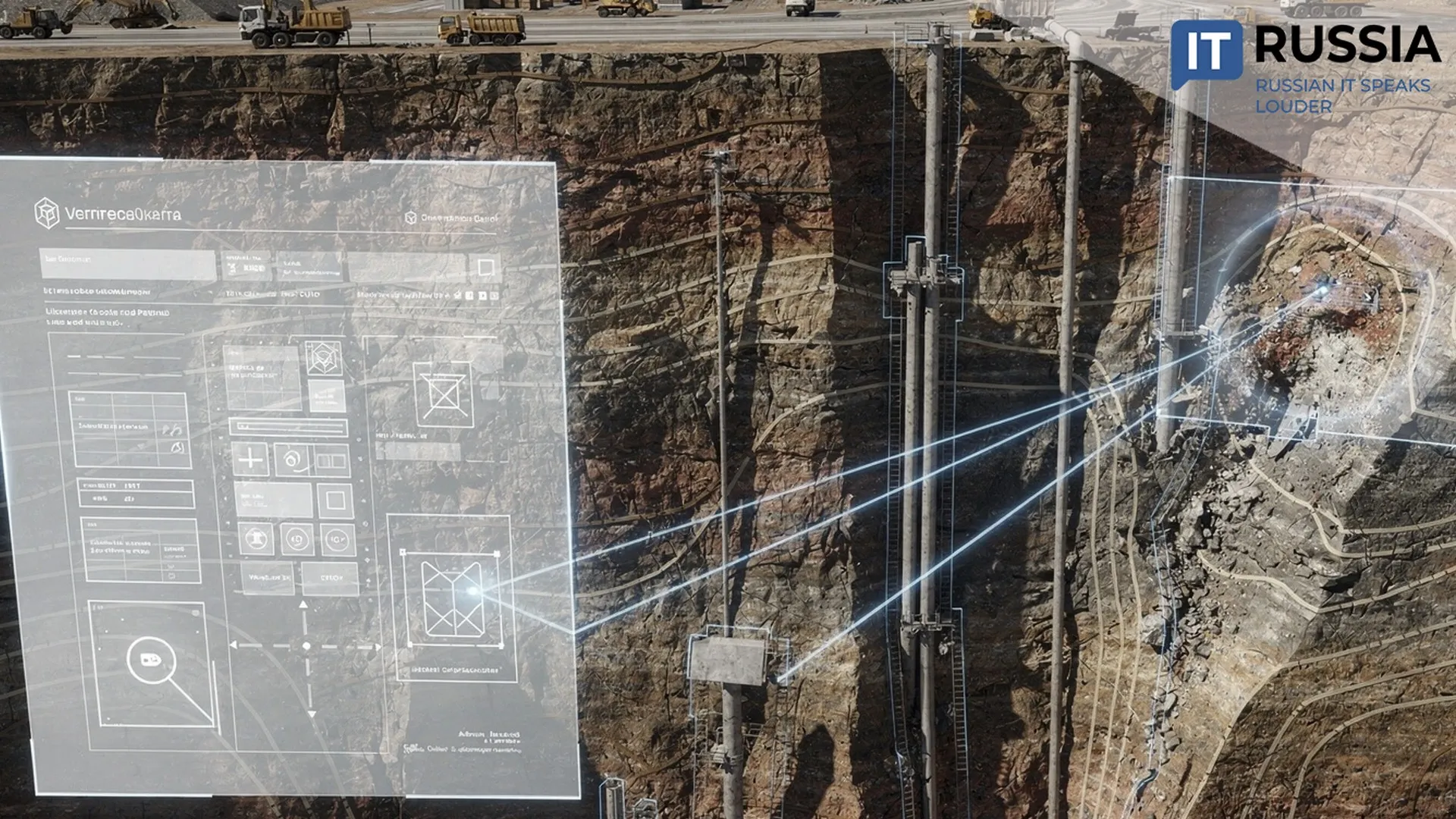
Russia is rolling out an automated system to monitor whether subsoil users meet their license obligations. For now, it is operating in pilot mode: professionals at Rosnedra (Federal Agency for Subsoil Use) manually double-check violations flagged by the system. Full-scale operation will begin on June 1, 2027, when the review process is expected to become fully automated. Every day, companies’ reported data will be compared online with actual work completed and planned targets.
That will make oversight of exploration and field development schedules and parameters continuous. It also offers a compelling example of how effective Russia’s homegrown digital government technologies can be, extending their use into the extractive sector.

Less Reliance on Human Review
Going forward, Rosnedra is likely to move from digitizing individual procedures toward end-to-end digital management of the license life cycle. That would allow regulators to spot missed deadlines and deviations from license terms faster, reduce manual reviews and, as a result, limit the role of human factors in oversight. Problem cases could be identified sooner, while interaction among different government systems would make regulatory oversight more comprehensive.
As for export potential, the system is being developed specifically as part of Russia’s government information infrastructure and is therefore closely tied to Russian law. That will make it difficult to turn the entire system into an exportable software product. Even so, international demand exists for Russian electronic licensing technologies, GIS tools, contract compliance monitoring, digital reporting and government database integration. Individual systems could therefore gain traction in overseas markets.

Oversight From Multiple Angles
Russia’s broader digitization of government has also reached the extractive sector. Subsoil auctions, for example, became fully electronic back in 2022. The FGIS Avtomatizirovannaya sistema litsenzirovaniya nedropolzovaniya (Automated Subsoil Use Licensing System) is also evolving: in 2023, Rosnedra said it was already supporting electronic government services, tracking the movement of licenses, monitoring their reissuance, termination and revocation, and integrating with the subsoil user’s personal account. In 2025, Rosnedra head Oleg Kazanov announced the launch of automated oversight. At the time, the agency expected to refine the system and bring it into full-scale operation in 2026.
Similar efforts are underway in other countries and government agencies. Kazakhstan, for example, has created the Edinaya platforma nedropolzovaniya (Unified Subsoil Use Platform), which brings together licensing, auctions, geological data, reporting and compliance monitoring. In Russia, Rosprirodnadzor (Federal Service for Supervision of Natural Resources) has launched its own digital geoportal for subsoil-use oversight. The platform cross-references licenses with geographic data and uses satellite imagery and AI to detect signs of violations. In effect, Russia is developing several digital tools in parallel to strengthen government oversight of the extractive sector.

Data Quality Matters More Than Ever
The emergence of this kind of system marks a shift from a “digital license” to digital oversight of license compliance. It automates the most labor-intensive stage – continuously comparing a subsoil user’s actual activities with its obligations. The result is likely to be a sharp increase in detected violations, giving companies a stronger incentive to comply closely with their license terms. Over time, Russia is expected to develop a comprehensive digital framework for governing subsoil use, bringing electronic auctions, license registries, geological information, GIS and automated oversight into a single integrated environment.
That said, the key issue remains the quality of source data and the accuracy of automated matching. This is why professionals are still manually double-checking the system’s findings at the current stage. Once the process becomes fully automated, the quality of corporate reporting, integration among government information systems and the reliability of monitoring algorithms will become substantially more important.