The Largest Beer Producer in Russia Moves to Domestic Software
The Napitki Vmeste company (AB InBev Efes JSC) has moved key logistics management processes to the In.Plan integrated planning platform.
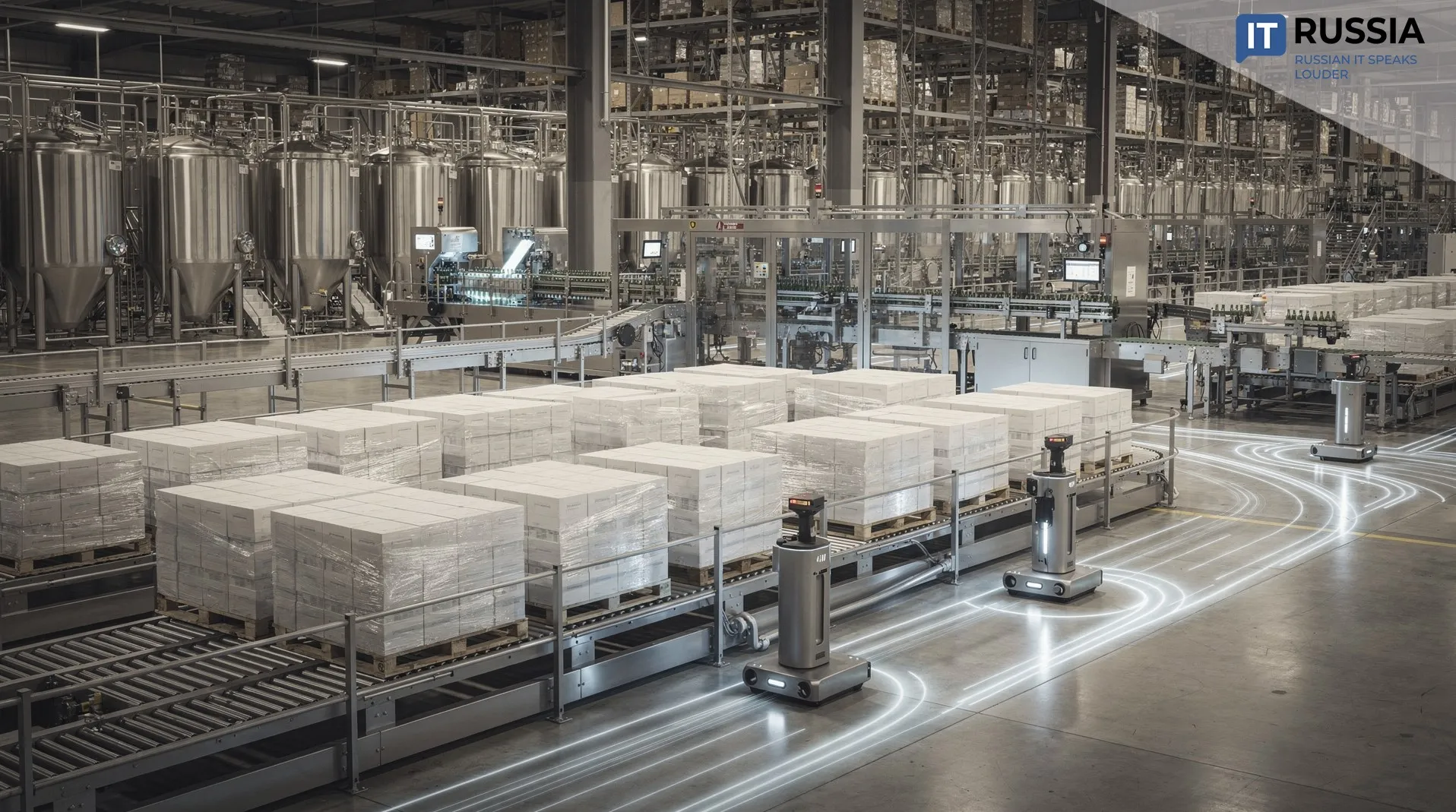
Previously, complex corporate systems were built around imported SAP and Oracle solutions. The move to local alternatives demonstrates the maturity of Russian software. Meanwhile, Russia’s market for supply chain management systems continues to grow steadily, while adoption by major enterprises shows that these products can compete with foreign alternatives.
Unified Data Environment and Cloud Architecture
The developer and integrator of the In.Plan platform is technology company AKSTIM LLC (Axenix brand). The product is an integrated business planning (IBP) and supply chain management (SCM) solution. The system brings together fragmented data on sales, production capacity, warehouse inventories and logistics in a single secure information environment, allowing companies to model different scenarios, optimize inventory levels and improve service levels.
In.Plan is built on modern cloud technologies. In 2024, some of its components were moved to Yandex Cloud infrastructure, giving the system greater resilience and flexibility. The platform consists of specialized modules: SNP for production and distribution planning under constraints, MEIO for multi-echelon inventory optimization, DP for machine-learning-based demand forecasting, and PS for detailed scheduling.
From SAP to Independence
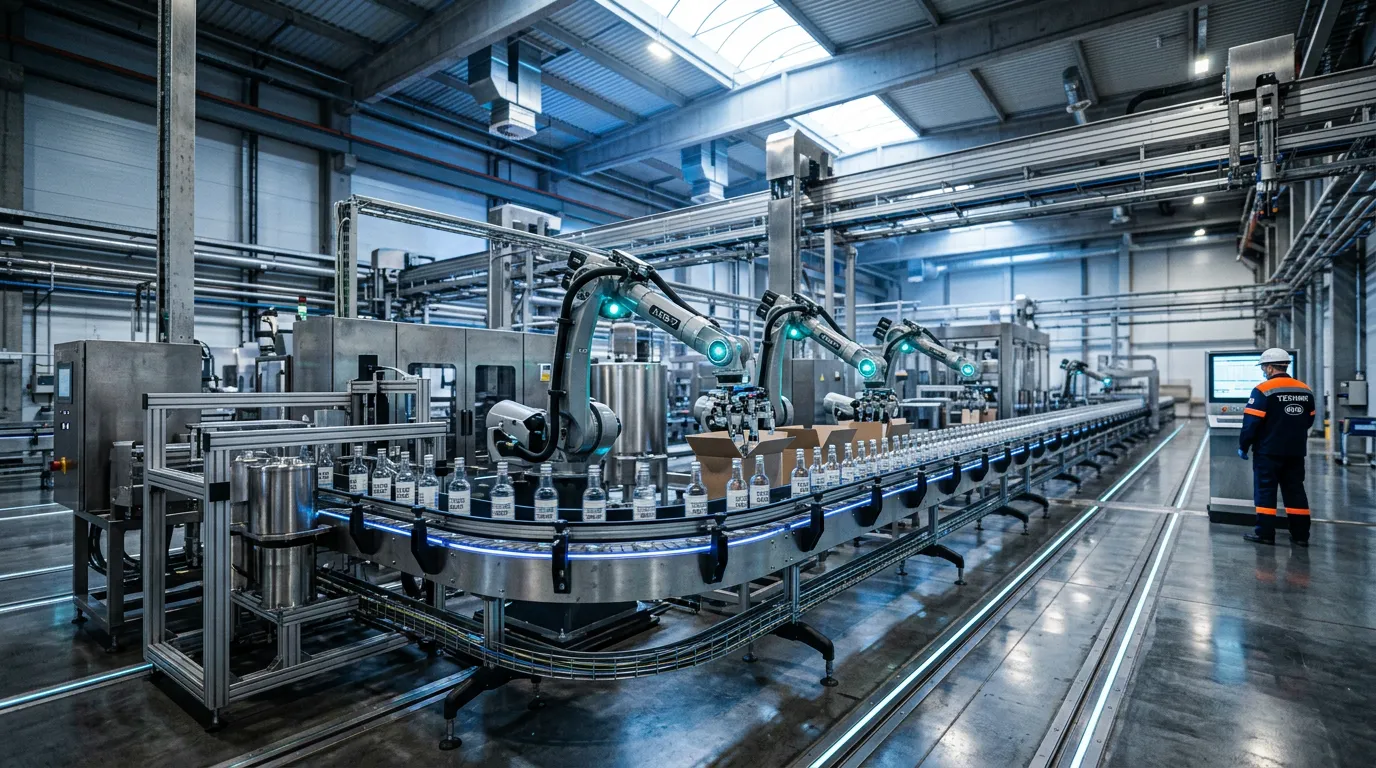
Napitki Vmeste previously used SAP APO, where an end-to-end process had not been configured and some calculations were performed manually in spreadsheets. Deploying the SNP module automated these operations. The business can now build plans covering periods from six months to five years, spanning more than 300 SKUs and more than 80 locations.
The MEIO module, launched in April 2026, allows the company to calculate optimal safety-stock and maximum inventory levels on its own for a network of 11 plants and 80 regional warehouses. Previously, a global team of outside contractors handled these labor-intensive calculations. The company now has an independent tool that accounts for demand variability and actual delivery times. Interactive dashboards are already in place to provide a visual view of inventory levels, production-line utilization and shelf-life deadlines.
The company plans to fully deploy the DP and PS modules by the end of 2027. That will complete the unified integrated environment and bring additional economic benefits.

A Versatile Solution
In.Plan’s architecture has also proven reliable outside the food industry. One of the most significant projects was the integration of the system at a major steelmaking plant operated by NLMK Group, where it substantially accelerated production-plan calculations and optimized logistics routes.
That example shows the platform can serve a wide range of economic sectors, including traditional retail and fast-moving consumer goods (FMCG) manufacturing, where high inventory turnover and seasonality demand highly accurate forecasting.
A New Stage for Russia’s IT Market
Integrated planning systems are considered mission-critical software because production stability, product availability on store shelves and efficient use of resources depend on their performance. When major companies move to Russian platforms, they reduce their reliance on foreign suppliers.
For Russia’s IT market, the project marks a shift from developing narrowly focused application utilities to building complex enterprise-grade products capable of competing with global alternatives. In.Plan could find demand beyond the domestic market as well. It has the potential to expand internationally, particularly into Asian and Global South markets, where demand is growing for technologically independent software.
From Algorithms to Automation
According to analytics company Strategy Partners, Russia’s enterprise software market grew 20% in 2025 to 231 billion rubles (about $2.7 billion). The 2026 forecast points to further growth to 277 billion rubles (about $3.3 billion), while long-term estimates through 2030 call for average annual growth of 10% to 15%.
Within this market, integrated business planning (IBP) and supply chain management (SCM) systems stand out as a narrower but fastest-growing segment. According to CNews Reviews, Russia’s IBP systems market totaled about 3.5 billion rubles (about $41.5 million) in 2024, up about 17% from the previous year. This specialized segment is expected to continue growing at double-digit rates, following the broader positive trend in the enterprise software market.
In the coming years, the most promising areas for IBP and SCM development will include AI integration for more accurate forecasting and the automated generation of production schedules.