Neural Network Optimizes Crop Rotation
Ingosstrakh has developed a neural network that can help crop producers increase profitability when planning what to plant.
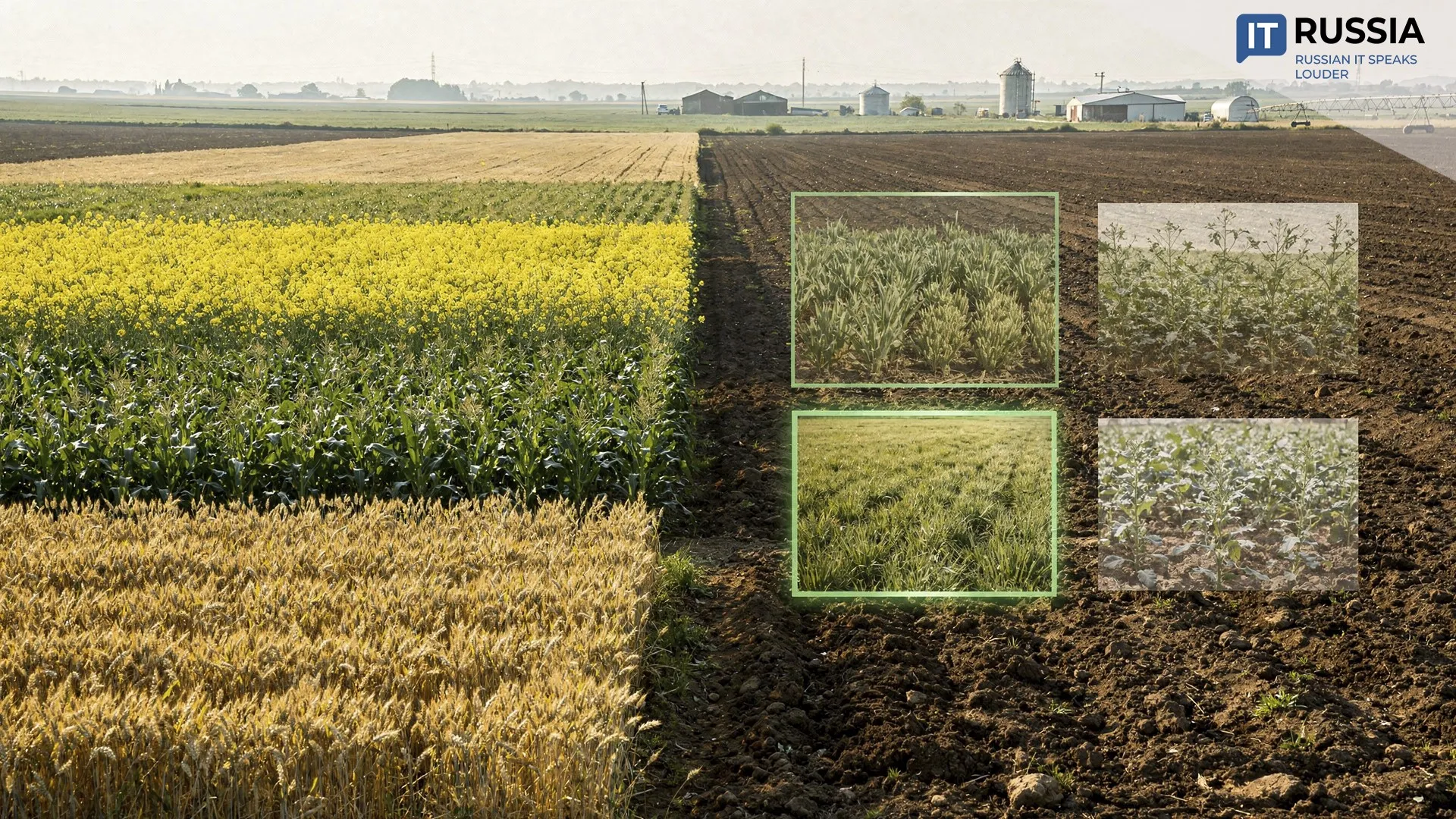
Crop rotation planning is a highly complex process. It requires accounting for numerous factors: the mix and combination of crops being grown, soil type and condition, agrochemicals used, climate, planting dates, as well as economic indicators such as seed and fertilizer prices, labor costs, and the cost of insuring against risks. When a farm manages a large land base, calculating all possible combinations becomes extremely difficult. That is where digital technologies can help.
AI Accounts for Each Field’s Characteristics
Ingosstrakh developed an AI model to optimize crop rotation. The neural network is designed to increase margins when planning crops. The digital platform uses mathematical algorithms to find optimal crop-planting options for each field while taking into account all relevant agronomic parameters.
After completing its calculations, the digital platform is designed to offer agronomists the most profitable scenarios, with the potential to maximize yields and generate high returns on invested capital.
“After working in agronomic science for more than 10 years, I can say with confidence that scientifically grounded crop rotation is the foundation of all crop production. In practice, this task has to be solved manually, based on experience and intuition. The model translates it into an algorithmic process and makes it possible to consider dozens of agronomic and economic parameters at the same time. That gives farms access to margin opportunities that previously remained invisible,” said Sergey Shebyakovsky, project lead at Ingosstrakh’s Artificial Intelligence Development Center.
Finding Additional Profit
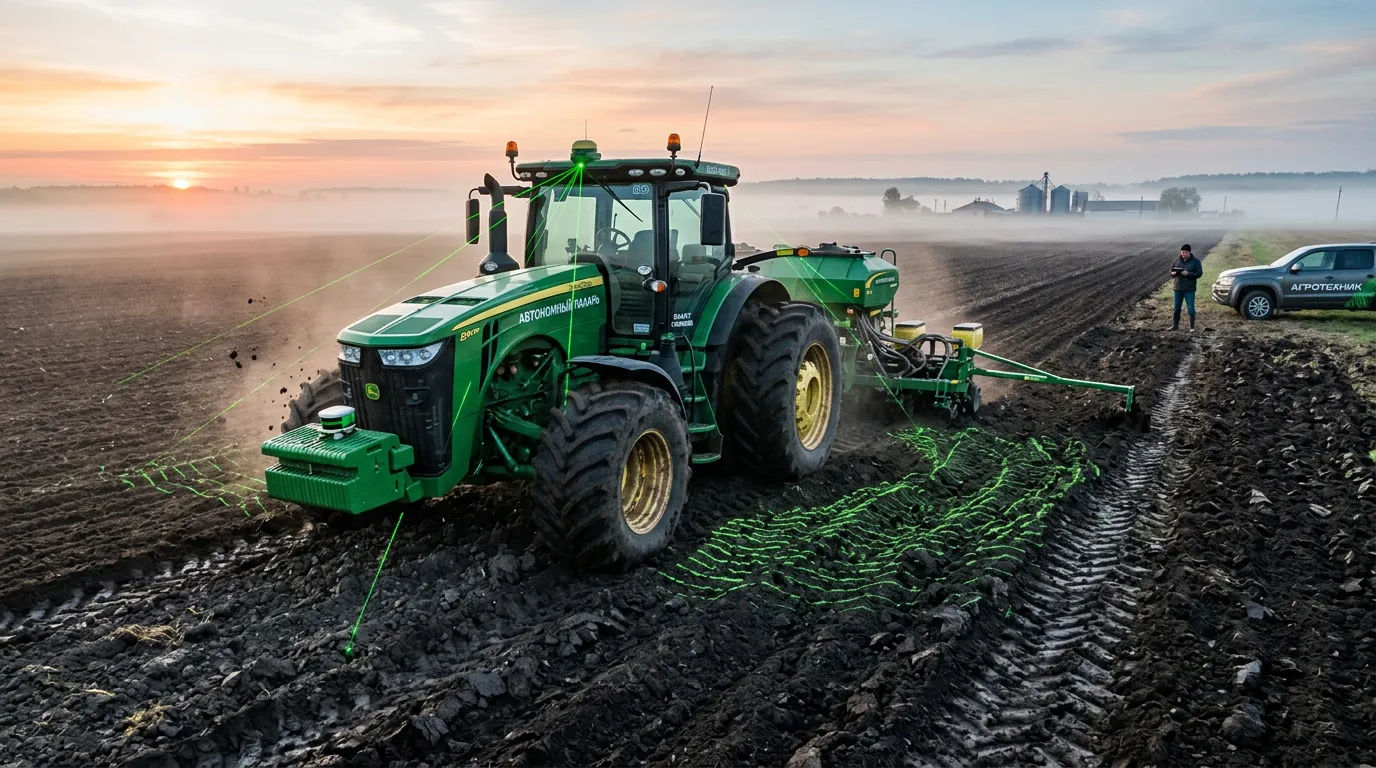
The AI model’s effectiveness was tested in practice as part of a joint pilot project between Ingosstrakh and a major agricultural holding. At six farms, the system analyzed databases containing information on crop acreage structure, field characteristics, climate conditions, soil-treatment factors, and crop performance. The neural network assessed operational profitability and identified areas with untapped potential for optimizing the crop mix. As a result, the AI model identified the potential for an additional 843 million rubles (about $10 million) in profit for the holding.
Overall, experts estimate that well-planned crop rotation can reduce fertilizer costs by 15% to 20% through balanced maintenance of soil fertility, cut pesticide use by 30% to 40% by interrupting the life cycles of pests and weeds, and lower soil-treatment costs by 10% to 15% through appropriate crop selection and consideration of field history. AI is needed precisely for calculations on this scale. Meanwhile, as Andrey Neduzhko, CEO of the Steppe agricultural holding, noted, the AI platform does not replace the agronomist. The final decision is always made by a person, while the neural network serves as a tool for conducting the most detailed and accurate analysis possible.
The digital platform will also be used at other farms. Further training of the neural network is planned, with the goal of gradually making it universal. “The task was formulated very specifically: to determine whether there was untapped economic potential in current crop-rotation planning and whether that potential could be measured. As a result, we developed a working approach that can be scaled to other tasks across the agricultural sector,” said Vasilisa Trubinova, project manager at Ingosstrakh’s Artificial Intelligence Development Center.
Digital Decision-Making Systems for Agriculture
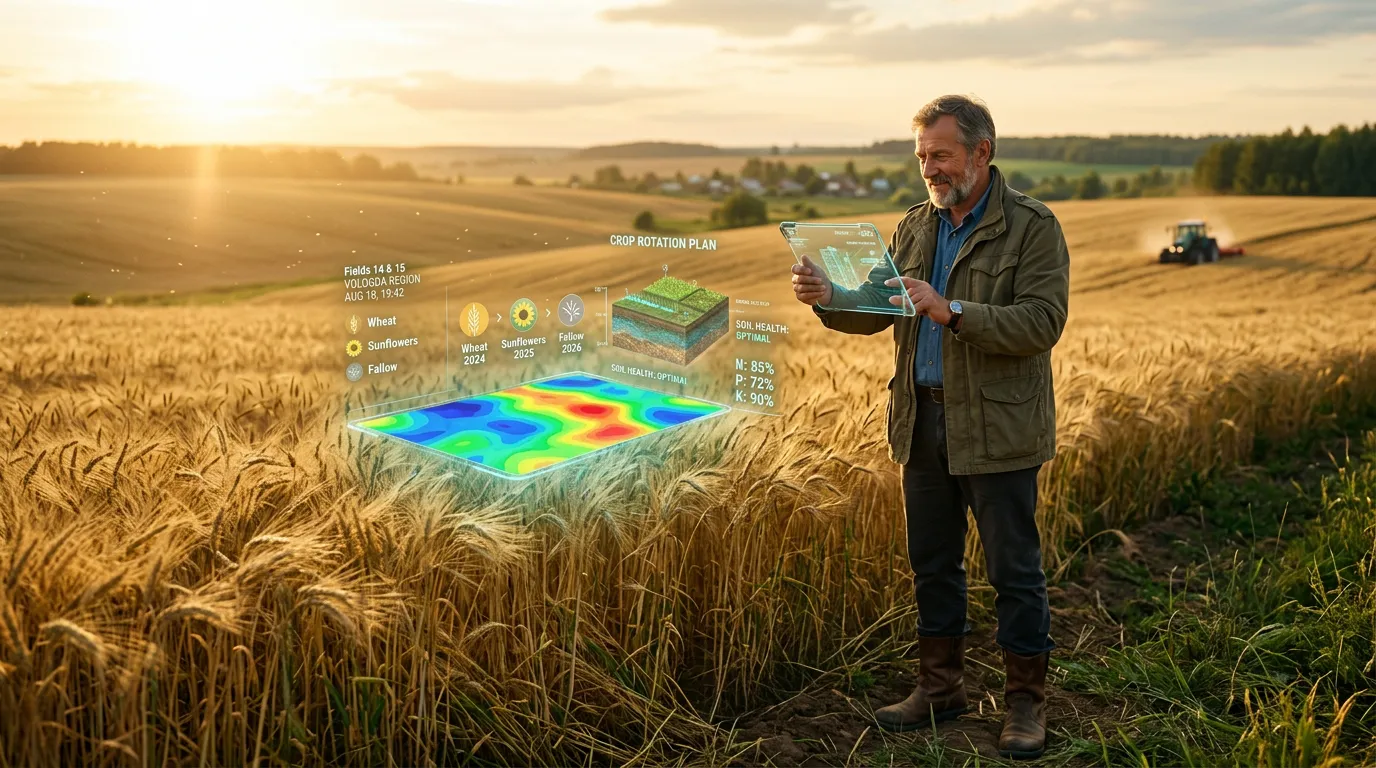
The new development shows how digital platforms in Russia’s agricultural sector are evolving from systems that track and monitor resources into tools that calculate optimal production scenarios and support management decisions. This can reduce the risk of errors, improve the efficiency of land use, and increase the economic returns from agricultural production. As the climate changes, AI systems trained on large datasets can help accurately forecast risks and suggest ways to adapt to new conditions. The neural network’s key advantage is its ability to consider both agronomic and financial indicators in its calculations at the same time.
Going forward, AI models for crop-rotation optimization will be integrated into companies’ broader production systems, helping improve internal processes, move toward data-driven management, and build precision, or “smart,” farming systems.
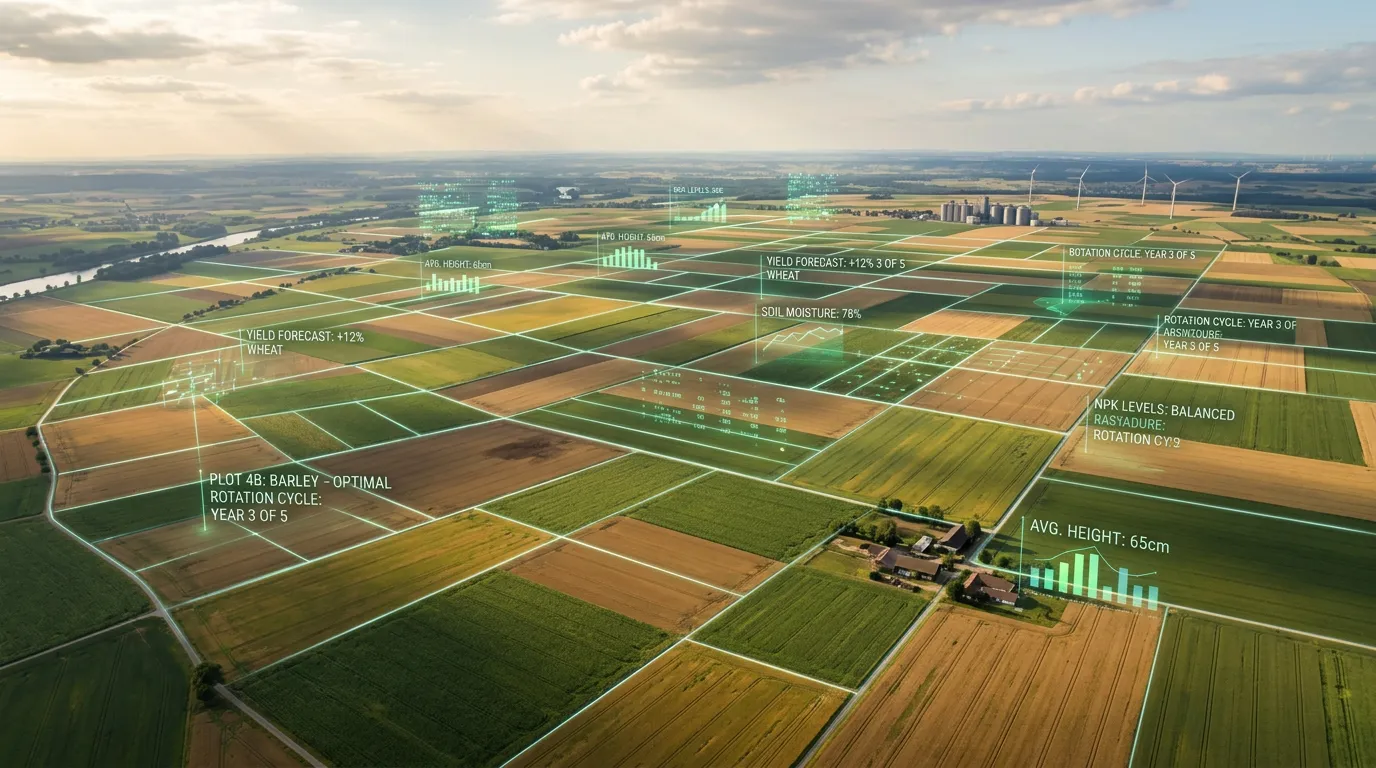
Now, Russia’s IT industry is gaining a new segment for the applied AI market. Agricultural solutions based on big-data analysis and machine learning are becoming a distinct area of development. The products being created are expected to be in demand not only among Russian farmers but also among agricultural companies in friendly countries facing similar challenges: efficiently managing large areas of farmland, forecasting yields, and reducing production costs.