From Manual Meter Reading to Digital Oversight: Smart Meters Come to Moscow Region Horticultural Cooperatives
The Berezka horticultural cooperative in the Leninsky Urban District of Moscow Region is completing its transition to an intelligent electricity metering system. This is more than a local project: it shows that digital transformation is reaching not only apartment buildings but private residential communities as well.
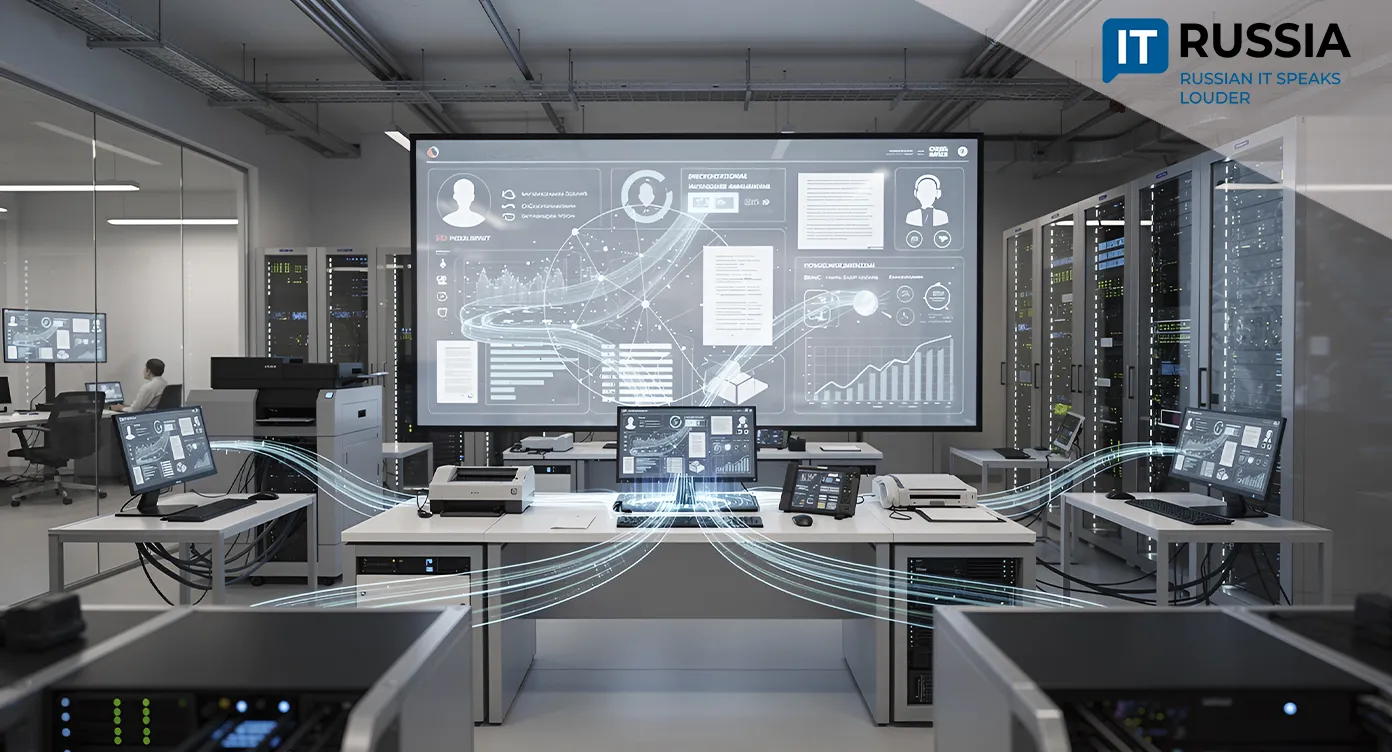
At the Berezka horticultural cooperative, smart meters have already been installed for 53 of its 75 customers. The remaining 22 meters will be installed by the end of August. Mosoblenergo is carrying out the work at its own expense, replacing outdated equipment with smart meters integrated into the Avtomatizirovannaya sistema kommercheskogo ucheta elektroenergii (Automated System for Commercial Electricity Metering, ASCEM).
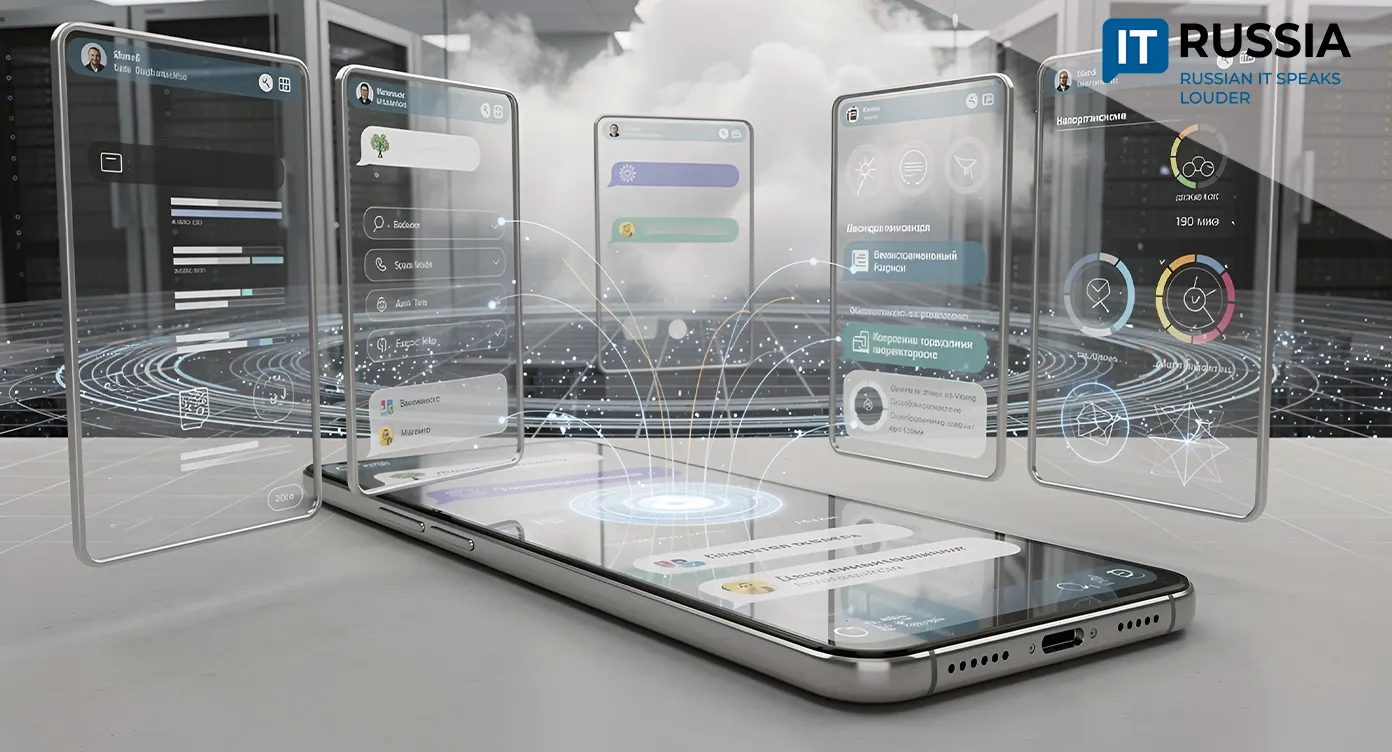
Now, customers no longer need to submit meter readings manually – consumption is measured automatically and the data are transmitted to an information system. Homeowners can also use their online accounts to track actual electricity consumption in real time, analyze their spending and plan household budgets.Smart meters also allow the electricity supplier to detect unauthorized connections and deviations from the power grid’s expected operating parameters, helping identify potential failures.
Horticultural Cooperatives Get Smart Oversight
Although the smart-meter installation at Berezka is relatively small, its significance for the utility sector is much broader. It provides a clear example of how intelligent metering is no longer limited to urban housing or large facilities but is spreading to the infrastructure of horticultural cooperatives as well.
Intelligent metering systems move utilities away from traditional manual meter reading and the need to keep track of large numbers of individual customers, which typically makes distribution-grid management more difficult. Smart meters have been deployed across Moscow Region for several years. The Berezka project marks another important stage in the region’s targeted program to digitize electricity metering.
Over the next several years, a growing number of horticultural cooperatives are expected to connect to ASCEM through smart meters. Digital power-system management has already become a routine part of infrastructure in major cities. Now it is reaching small local communities such as horticultural cooperatives. In the longer term, the transition is expected to move beyond smart-meter installation toward digital twins and neural-network analytics. The resulting data could be used to analyze loads and plan future development of distribution grids in specific areas.
The Digital Evolution of Moscow Region’s Power System
Since January 1, 2022, electricity suppliers have been required to install only smart meters. Mosoblenergo began replacing conventional meters with intelligent devices on a large scale in 2023, installing about 14,000 that year. Deployment accelerated sharply in 2024, when 210,000 smart meters were installed across the region. In 2025, professionals from Rosseti Moscow Region and Mosoblenergo installed more than 180,000 additional devices. Smart meters are being deployed in both apartment buildings and private homes across the region’s cities and smaller communities. The Kolomna Urban District and Ramensky Municipal District recorded the largest numbers of installations in 2025.

From Smart Meters to a Smart Grid
The Berezka project represents the digitization of energy infrastructure at the scale of a small community. In practice, it shows that digital metering is becoming standard even in horticultural cooperatives.
For Russia’s IT industry as a whole, the trend signals growing demand for meters themselves, telecommunications equipment and infrastructure, as well as integrated software platforms capable of managing the power system at every level.
For individual horticultural cooperatives and their members, these systems can make electricity consumption more transparent, reduce losses and eliminate manual work. For utilities, they can improve economic efficiency, lower costs and give operators greater visibility and control across the power system.