AI to Provide Primary Veterinary Care for Cattle
The AgrScan digital platform will help farmers provide primary veterinary care to livestock and prevent the spread of dangerous diseases within their herds.
Healthy livestock is one of the most important assets for cattle producers, making timely, high-quality veterinary care critical. Diseases, particularly outbreaks, can put a livestock operation at risk of bankruptcy.
Improving the effectiveness of veterinary care can significantly strengthen the economics of an individual farm, but not every livestock producer can afford to employ an experienced veterinarian. In a difficult situation, that increases the risk of making the wrong decision. AI-powered digital platforms can help farmers assess the condition of their animals.
Preliminary Diagnosis and Access to a Professional
The AgrScan web service for first-line veterinary care was developed in the Chuvash Republic by Kirill Valentinov and Pavel Kuznetsov, students at the Singularity Hub Autonomous Professional Educational Nonprofit Organization. The AI-enabled online platform connects farm owners with state veterinary services.
The digital system is designed to help farmers respond quickly and effectively. AgrScan acts as a “smart” assistant that helps analyze symptoms of a possible disease accurately and quickly, assess their severity, isolate the animal, and then promptly contact the appropriate specialist. This can help prevent a disease from progressing and allow treatment to begin in time.
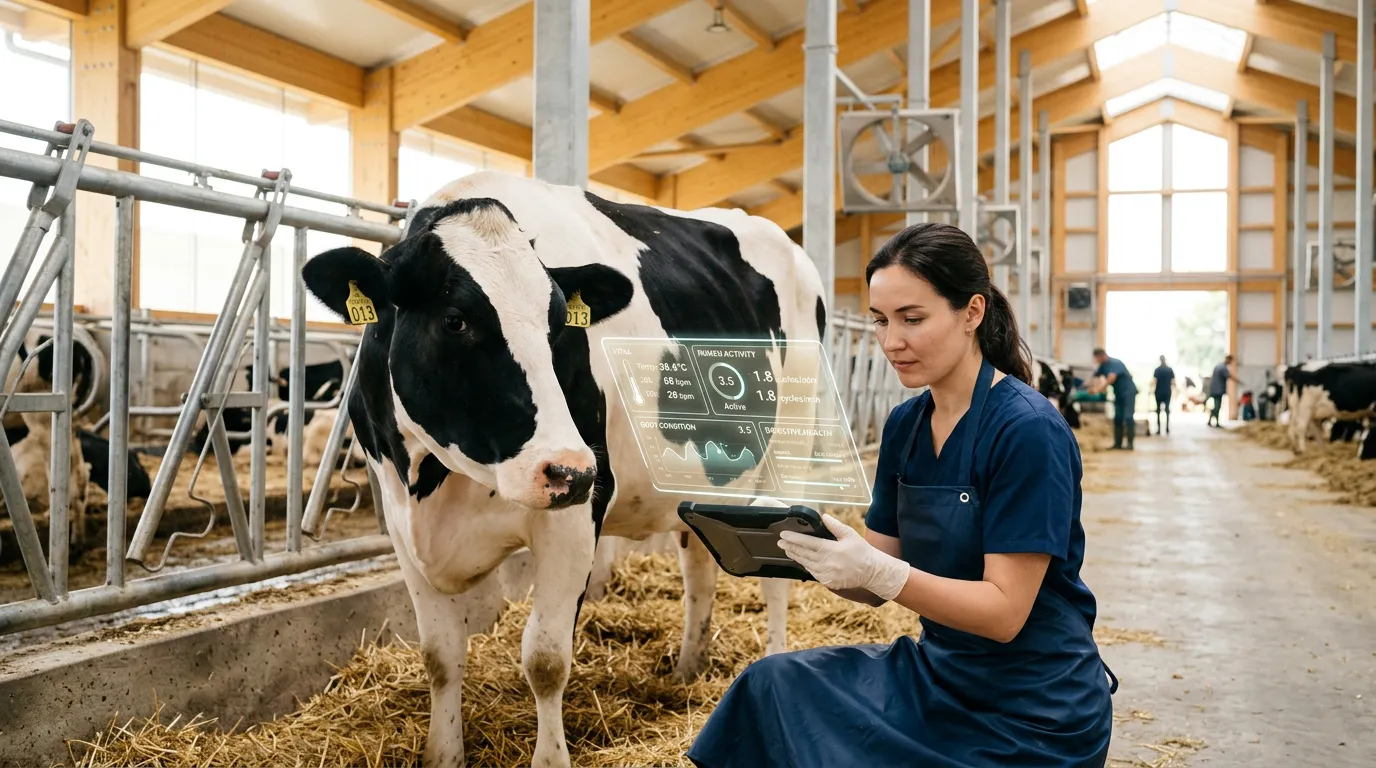
To use the platform, a farmer must register, and the user's information is stored with the state veterinary service. If a farmer notices health problems in their livestock, the farmer describes the animal's condition in a dedicated chat and uploads photographs. Artificial intelligence asks follow-up questions, analyzes the information received, and provides recommendations. The system can also offer an appointment or a visit from a specialist and display the nearest state veterinary facilities on a map.
“Smart” Assistant
In practice, AgrScan functions as a smart assistant. When a veterinarian arrives at the farm, the specialist already has a preliminary picture of the situation, including information about previous livestock diseases, what equipment and medications may be needed, and what steps should be taken to prevent the disease from spreading. The veterinarian, however, makes the final diagnosis, issues the final assessment, and, when necessary, imposes quarantine.
The platform could be particularly useful for owners of household and small-scale farms that do not employ their own veterinarian. Larger companies could also use it as a support tool for an in-house veterinary specialist.
Over time, the developers plan to add modules for large agricultural holdings, veterinary clinics, and local administrations. This could help them make decisions quickly in unusual situations. Chatbots for messaging platforms and social networks are also planned.
Similar smart platforms for cattle veterinary care are already being developed in Russia. For example, a student team at Saint Petersburg Electrotechnical University “LETI” developed the Smart Cow Monitoring project, which uses AI to assess animals' condition based on their behavior.
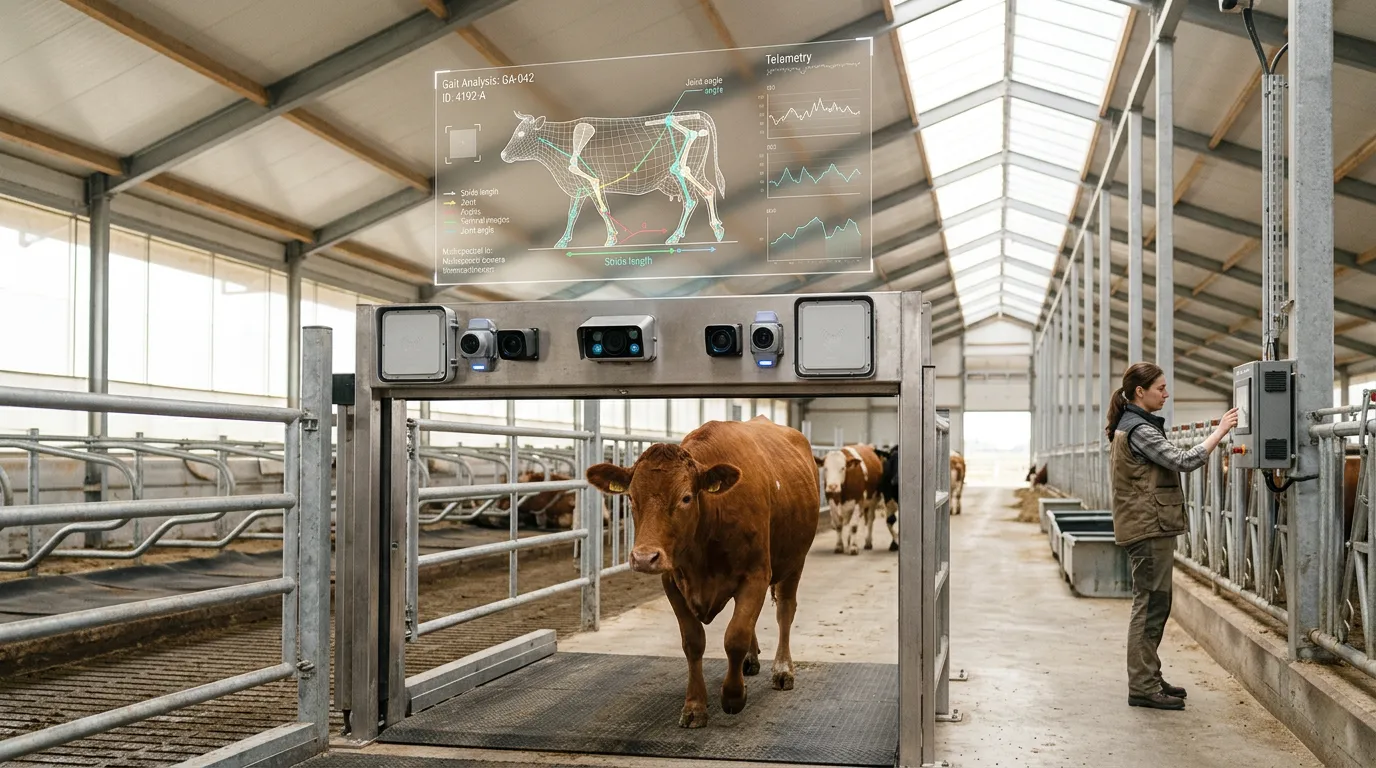
To enable early detection of lameness in cattle, specialists at the Russian State Agrarian University – Moscow Timiryazev Agricultural Academy are developing an intelligent system that combines computer vision, thermal imaging, 3D video capture, and AI.
Scientists at South Ural State Agrarian University are testing the effectiveness of a neural network that can diagnose cattle diseases before the first visible symptoms appear.
Digital Veterinary Care
In effect, Russia is actively developing a new area of the IT industry, digital veterinary care, and the Chuvash Republic project is part of that trend. AgrScan could be particularly useful in large regions where many farms are located far from population centers. The AI assistant can help farmers monitor animal health while making veterinary services more efficient.
The platform is also expected to be integrated with government livestock-record systems and electronic documents. This would make it possible to track animals throughout their life cycle, record procedures performed on them, and build regional databases on diseases and the veterinary health situation.
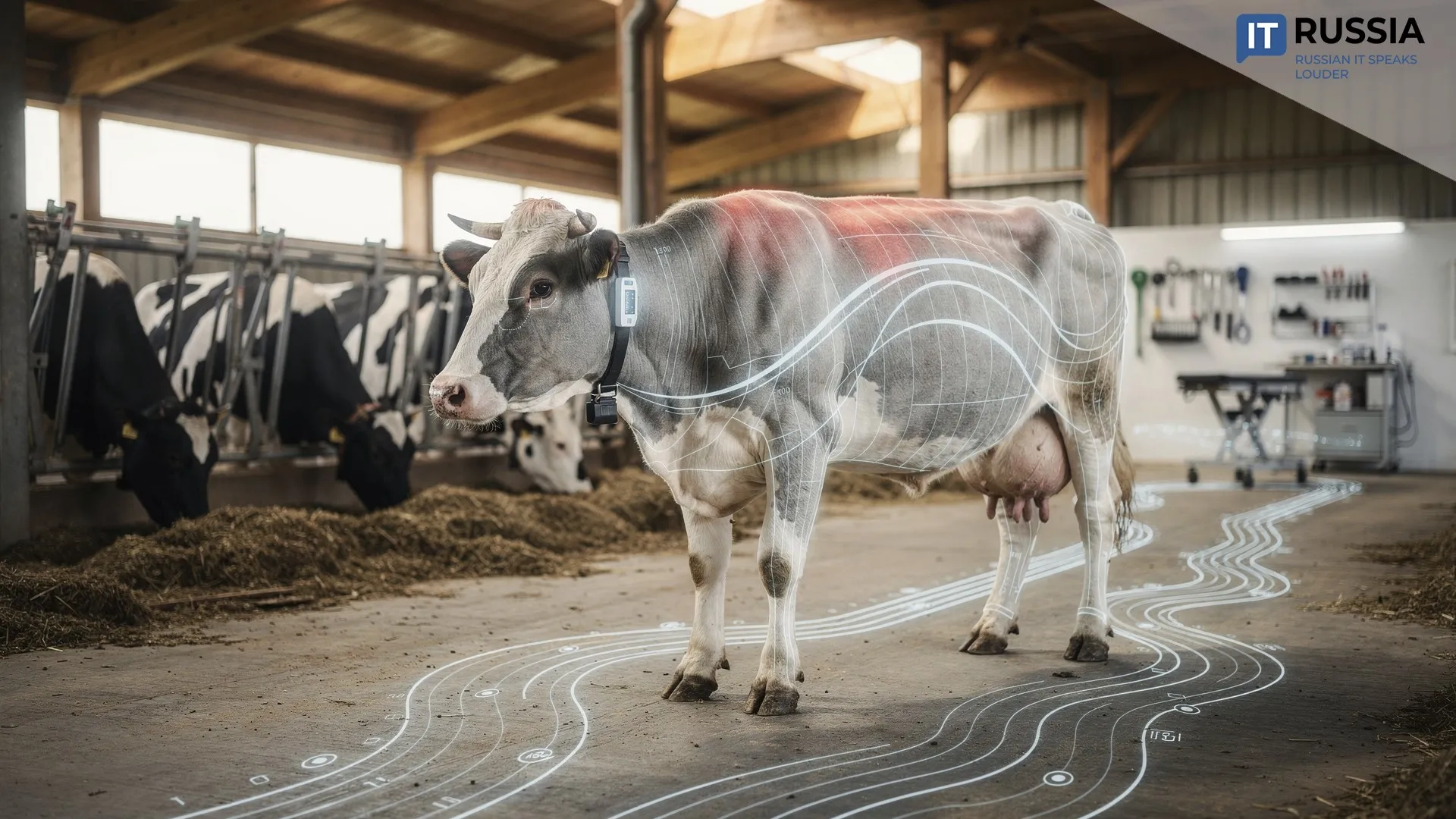
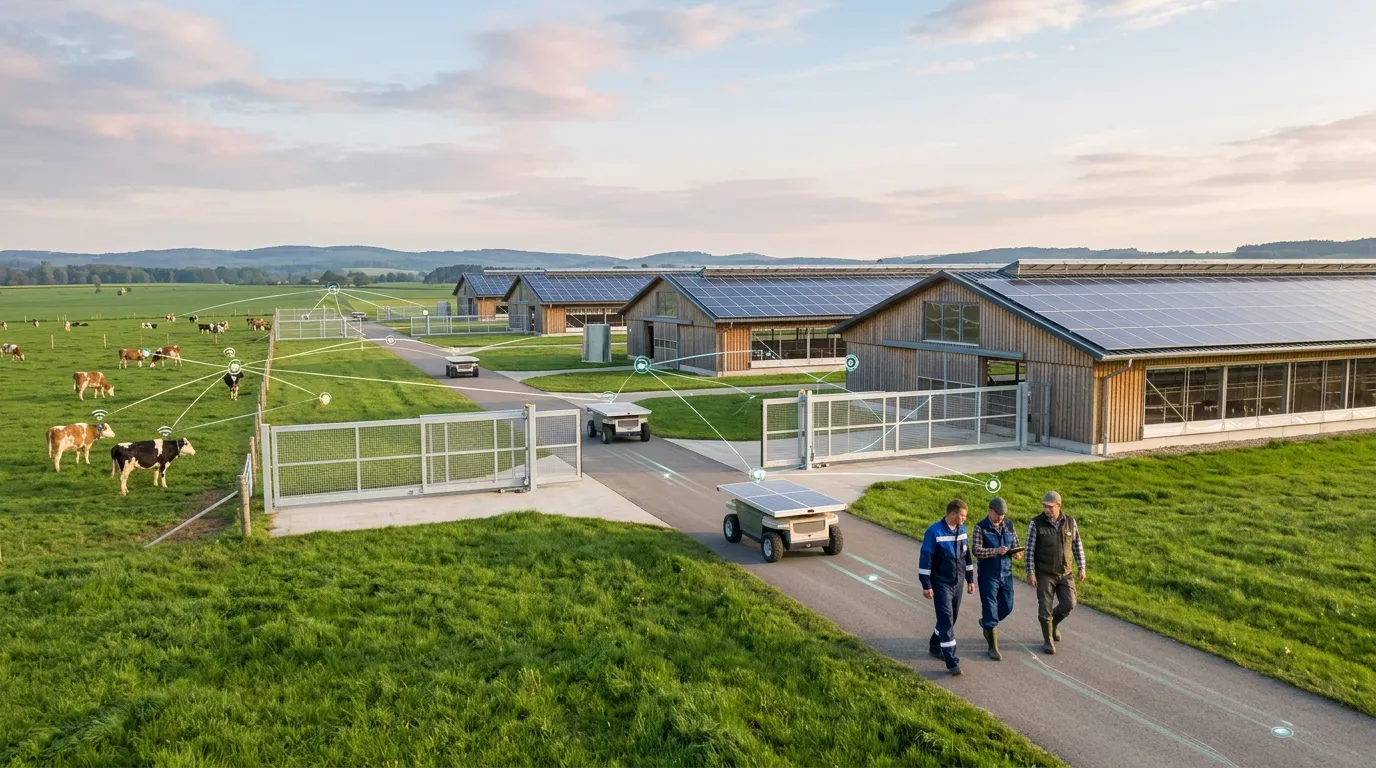
These digital assistants can also support the development of “smart farm” projects that use IT to monitor cattle. For example, all processes at the Triticum farm in Russia's Omsk Region have already been automated, and each cow wears a sensor-equipped collar that tracks the animal's condition in real time. AI analysis of the data could help identify diseases at an early stage.
For Russian developers and systems integrators, the development of digital veterinary services could become an important case that they can later scale to friendly countries interested in expanding livestock production.