Fin Instead of a Propeller
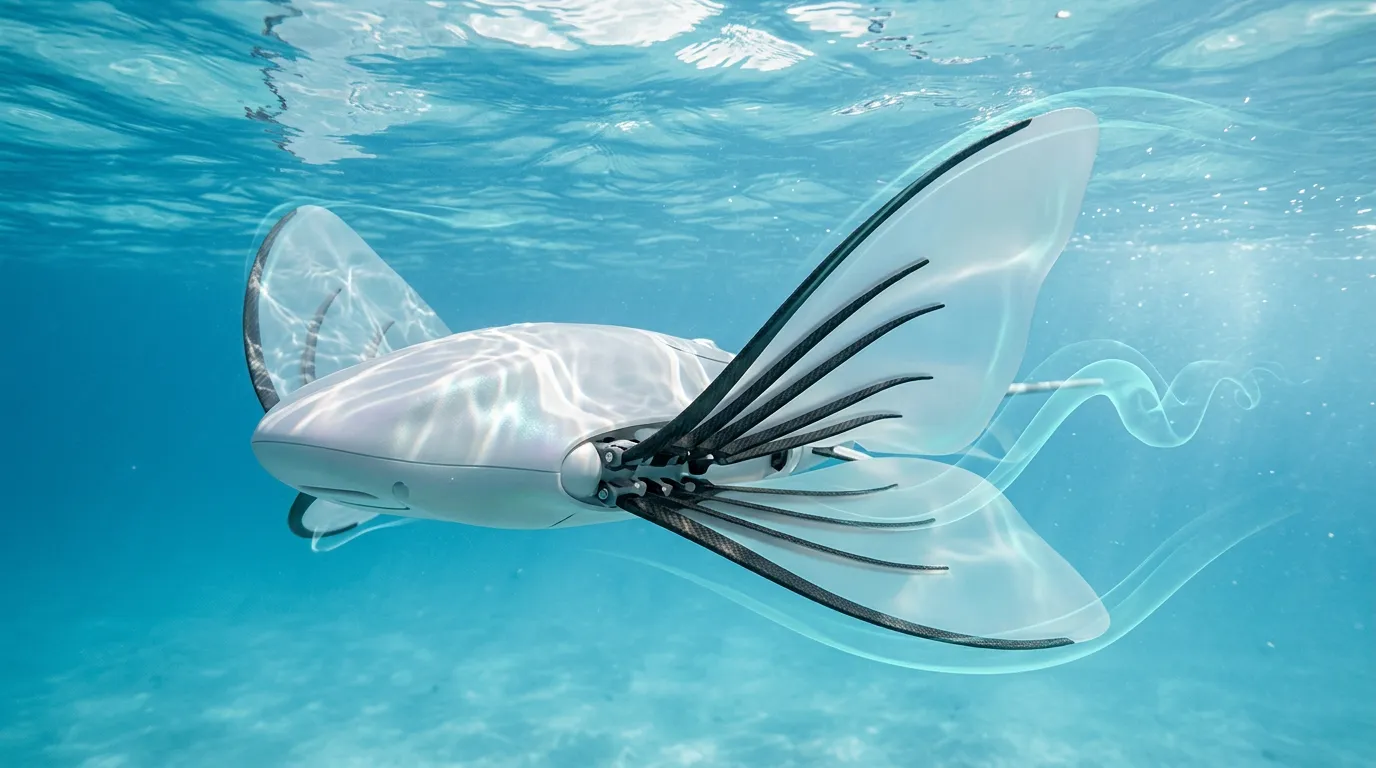
Russian engineers have developed a propulsion system for underwater robots that neither hums nor spins, but moves with fins like a living stingray.
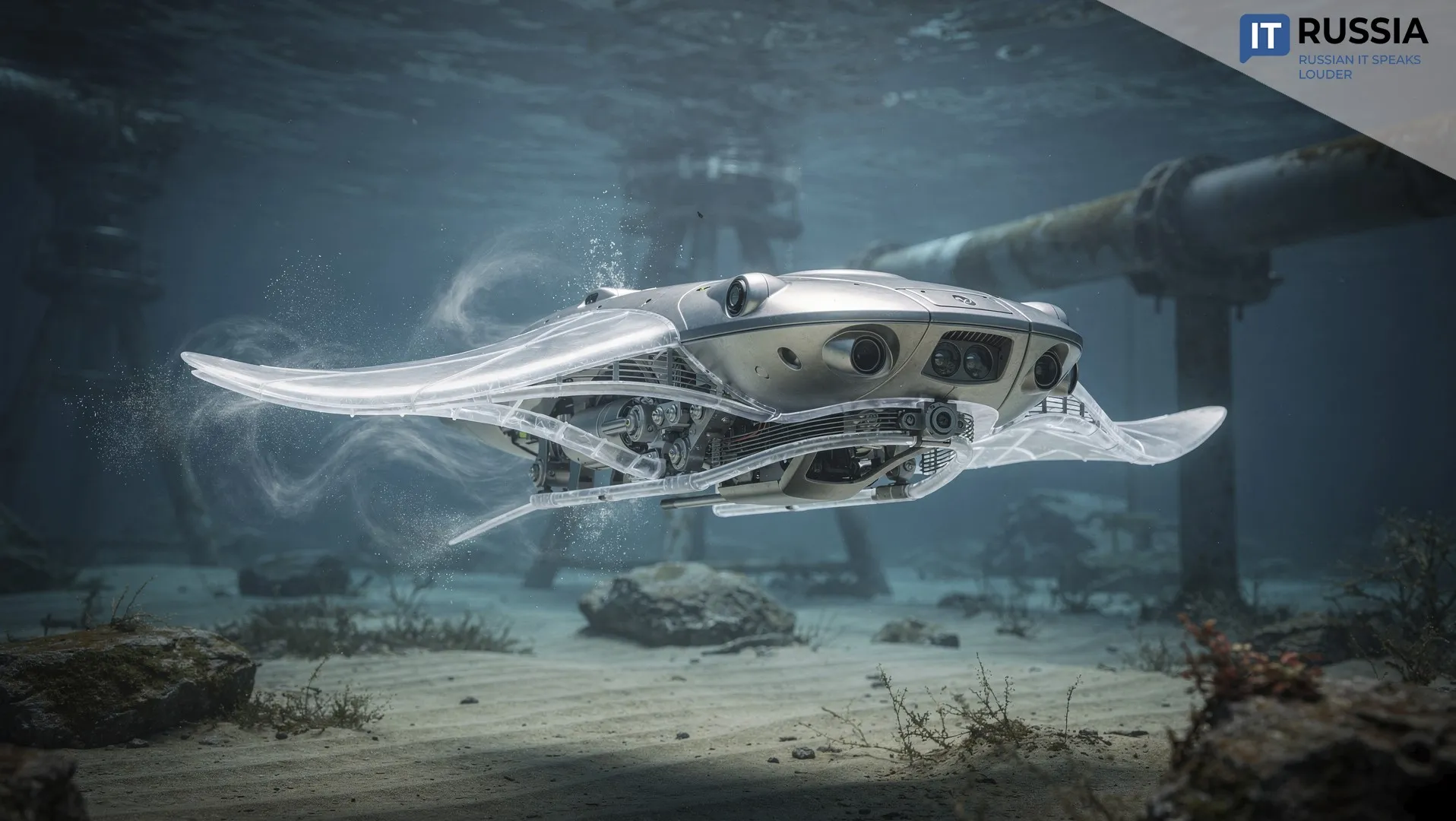
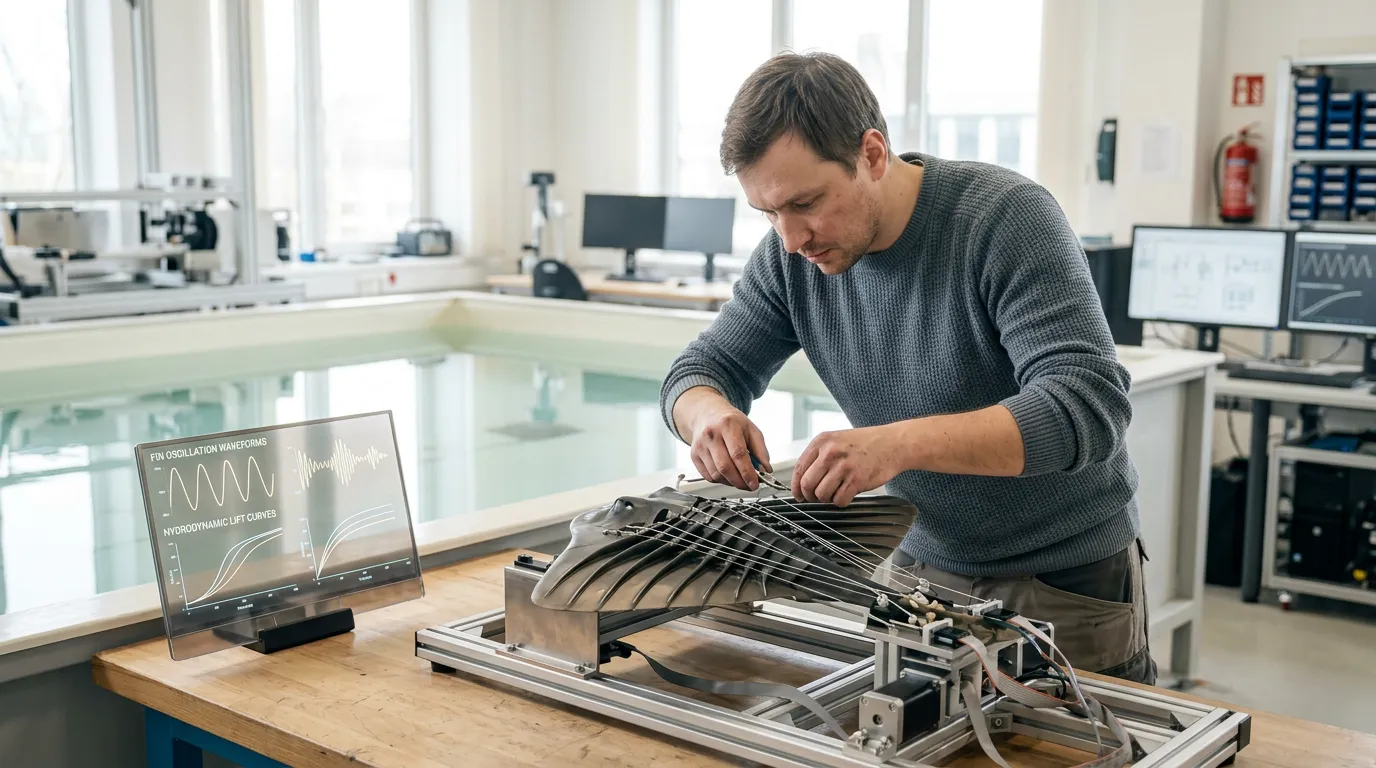
Saint-Petersburg State Marine Technical University has developed a design that optimizes the movement of an underwater robot. The concept replaces conventional propeller-driven systems with a biomimetic mechanism: an artificial fin moves up and down, generates a wave-like bend, and rotates around its longitudinal axis. Its key feature is a flexible frame combined with an elastomeric skin, a cable system, and servos that allow the fin's shape to be controlled programmatically. The approach is intended to improve the maneuverability of underwater vehicles and make their motion more closely resemble that of living organisms.
For Russia, developing biomimetic underwater robotics is important for creating domestic technologies to explore marine areas, monitor pipelines and port infrastructure, and conduct research in challenging conditions. From a global market perspective, the technology is part of a promising area of bionic robotics: such vehicles are being considered as a quieter and potentially more energy-efficient alternative to underwater drones powered by conventional propellers.
From Laboratory to Open Water
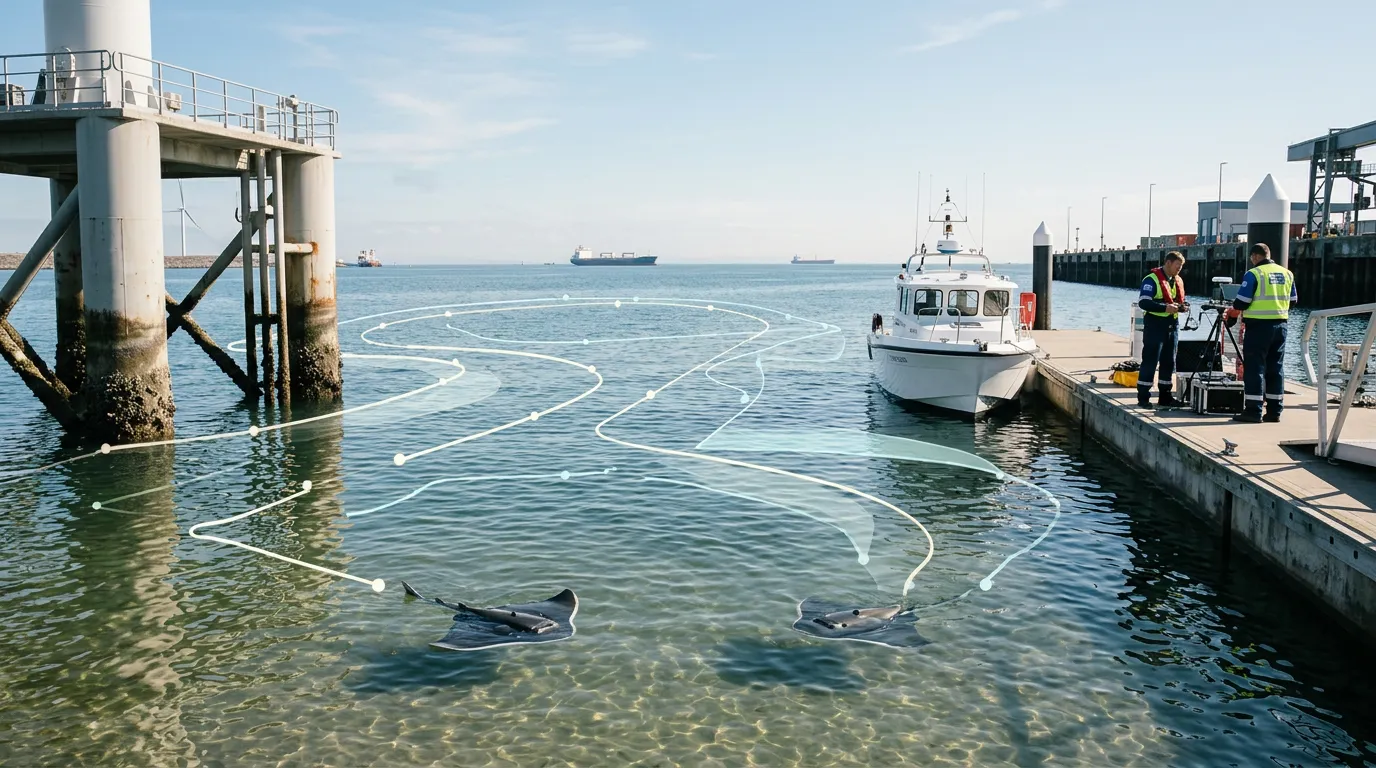
The development has particular potential in the autonomous underwater vehicle segment. Possible applications in Russia include environmental monitoring of marine and freshwater ecosystems; inspection of the submerged sections of bridges, ports, pipelines, and hydraulic structures; scientific studies of marine life and aquatic ecosystems with minimal environmental disturbance; and search-and-rescue operations. Biomimetic propulsion could be valuable wherever low noise and precise maneuvering are important. Underwater vehicles using nature-inspired mechanics can have less impact on the surrounding environment when researchers are observing marine organisms.
Export prospects will depend on moving from experimental models to series-produced systems. International markets already show interest in underwater robots that use biomimetic principles of locomotion.
Five Years of Bionic Evolution
Similar developments by Russian researchers have emerged before. In 2021, Immanuel Kant Baltic Federal University created a prototype biomorphic fish robot that mimicked tuna movements. The vehicle used oscillations of its tail fin, which was intended to improve energy efficiency and reduce noise. In 2022, Saint-Petersburg State Marine Technical University presented the miniature Guppy underwater robot for educational and research applications. Although the design used conventional propulsion, the project provided a foundation for further research, including the development of biomimetic fins.
In 2023, engineers at Samara University developed an underwater robot shaped like a perch, with a bionic hull design for monitoring the underwater environment. In 2024, Russian research teams continued to advance biomimetics, using robotic fish models to study hydrodynamic motion, reduce energy consumption, and improve autonomy. Bionic underwater robots began moving from the experimental stage toward practical applications, including observation, infrastructure inspection, and data collection. In 2026, researchers from the Moscow Institute of Physics and Technology, Immanuel Kant Baltic Federal University, and the University of Nizhny Novgorod developed a fish-like robot with a biomorphic tail propulsion system and sensory systems that mimic biological organs, creating a platform for neuromorphic control algorithms.
Reliability, Autonomy, Series Production
The Saint-Petersburg State Marine Technical University development illustrates the progress of Russian biomimetic underwater robotics, with engineers applying the locomotion principles of marine organisms to new types of vehicles. In the coming years, key challenges will include improving actuator reliability, developing compact power sources, and creating autonomous control systems.
To reach international markets, Russian developers will need to go beyond prototypes by demonstrating operational performance, establishing series production, and integrating the technology with existing underwater monitoring systems.
Russian bionic robotics is still transitioning from laboratory models to practical applications, but the pace of development over the past five years shows that the distance from prototype to operational vehicle is shrinking.