Moscow Region Puts Neural Networks to Work on Land Oversight
The Zemelnyy II-patrul (Land AI Patrol) system is gradually expanding across the Moscow Region. The project has already launched in 12 municipalities. Smart vehicles equipped with cameras and neural networks help identify land being used for unauthorized purposes, abandoned properties and weed-infested lots.

The system is expected to eventually be able to inspect as many as 400,000 land parcels a year. Bringing improperly used land into legal use is also expected to generate 500 million rubles (about $6 million) in additional budget revenue.
An Impartial, Fast Algorithm
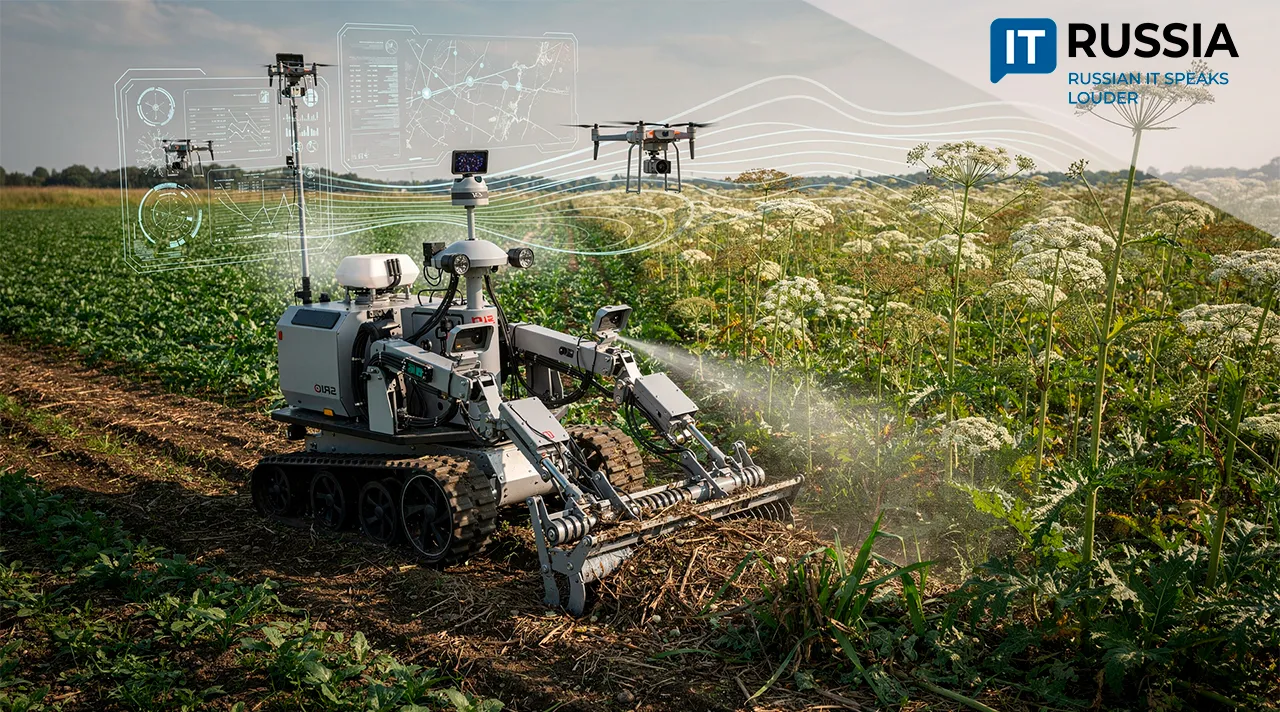
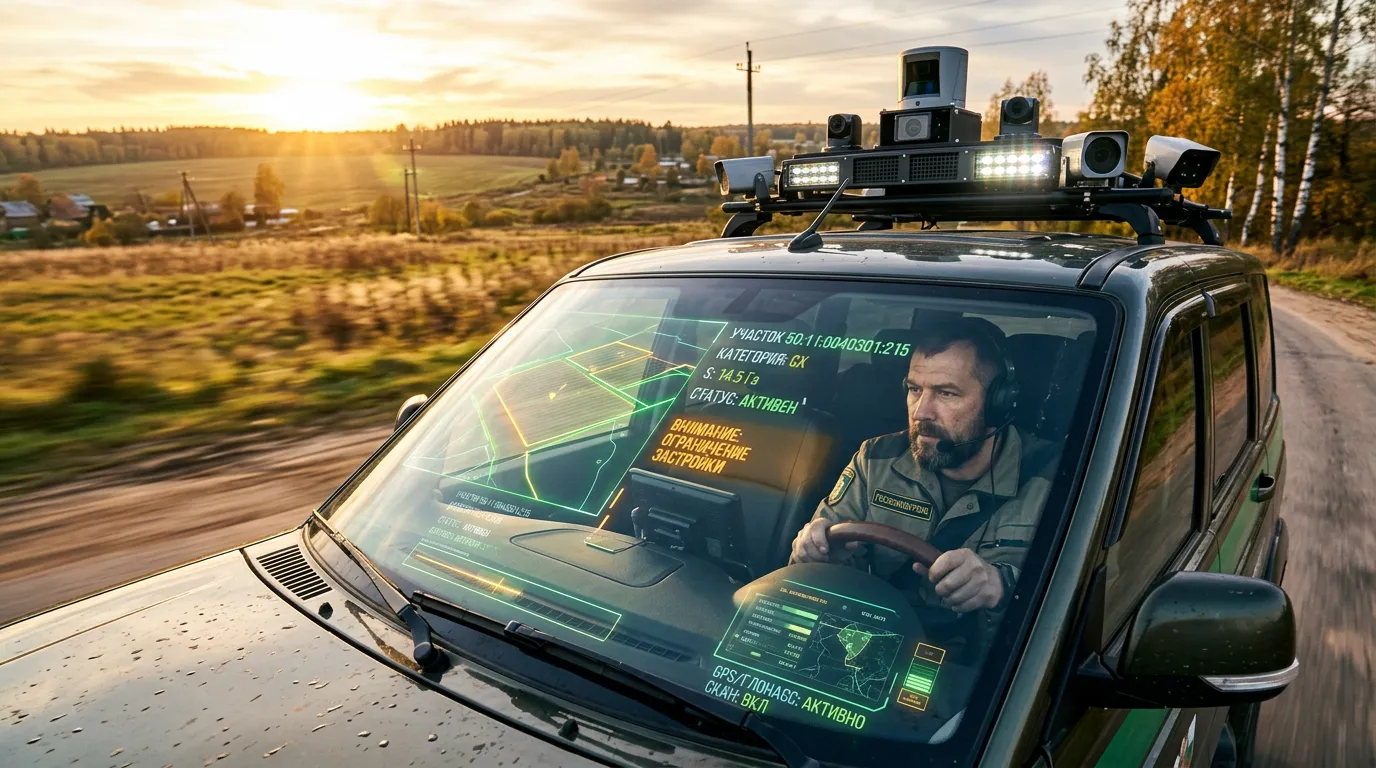
Land inspectors’ vehicles are equipped with autonomous mobile units fitted with high-precision cameras. As a vehicle follows its route, the equipment records what is happening along roadsides and on adjacent land. A neural network trained to recognize signs of violations then processes the images, identifying anything from an unauthorized retail kiosk to farmland overgrown with giant hogweed. The Patrul cross-checks what it finds against government information systems, primarily data from Rosreestr (Federal Service for State Registration, Cadastre and Cartography). AI determines whether a property is registered, whether its actual condition matches the land’s designated use and whether it has a legal owner.
The pilot project began in the Mozhaysk district. The system was then expanded to 11 more municipalities, including some of the region’s largest cities – Podolsk, Khimki, Lyubertsy, Serpukhov and Dolgoprudny. Inspectors previously could check about 200,000 parcels a year. With AI, officials plan to double that figure. The technology is expected to improve compliance – about 40% of violations previously went undetected – while also bringing in additional revenue. Moving improperly used land into legal circulation could generate about half a billion rubles (roughly $6 million) in additional tax revenue for municipal budgets each year.
A Digital Eye on Oversight
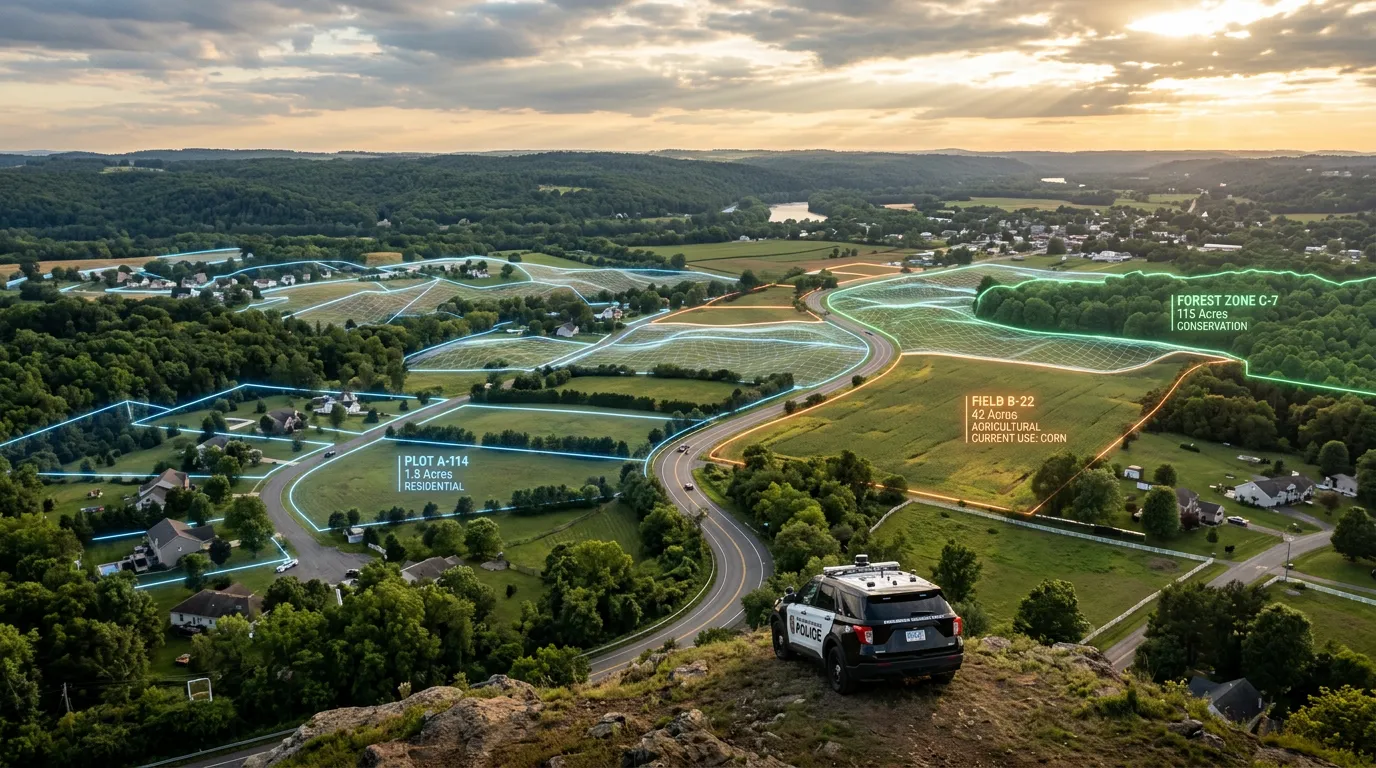
Land oversight, like other fields, is adopting digital technologies. In 2021, Rosreestr was only beginning to explore drones for surveying New Moscow, conducting just a couple dozen flights. Today, the agency operates 126 unmanned aircraft systems. In 2024 and the first half of 2025, drones surveyed about 143,000 hectares of land. Results from Rosselkhoznadzor demonstrate the high productivity drones can bring to inspection work.
Moscow began actively using neural networks in 2023 to analyze footage from city cameras and drones. Within several months, the systems identified more than 800 signs of property-related violations, providing an early real-world test of the algorithms. Later, AI in the Bezopasnyy region (Safe Region) system learned to monitor snow removal by analyzing feeds from nearly 6,000 cameras. Soon afterward, it began identifying vehicles blocking garbage trucks from reaching waste collection sites.
Last year, the Russian government formally authorized the use of drones for state land oversight. It also established specific targets. In 2026, drones are expected to be used in at least 10% of all inspections in several sectors. Zemelnyy patrul (Land Patrol) will soon gain an “aerial wing” of its own. Combining mobile ground units, drones and AI will create a three-dimensional map for oversight.
Mobile, Compact and Smart
The AI patrol system has been under development since 2019 and was integrated into the updated Platforma iskusstvennogo intellekta (Artificial Intelligence Platform) in 2025. The device is mobile, compact and fully automated, requiring no operator. It can be installed on any vehicle. In terms of its technology, the project has no equivalents worldwide and expands the area inspectors can cover.
Since 2024, inspectors have examined more than 440,000 parcels. Owners of 61,500 parcels where violations were identified have begun using their land properly. In 2026, authorities plan to inspect 104,400 parcels, 36,800 of which have already been examined.
AI is expected to relieve inspectors of routine paperwork while helping update the tax base by identifying owners who have avoided their obligations for years. In Lyubertsy alone, updating cadastral values and property taxes with the help of AI has already brought the local budget about 24 million rubles (roughly $290,000) in six months.
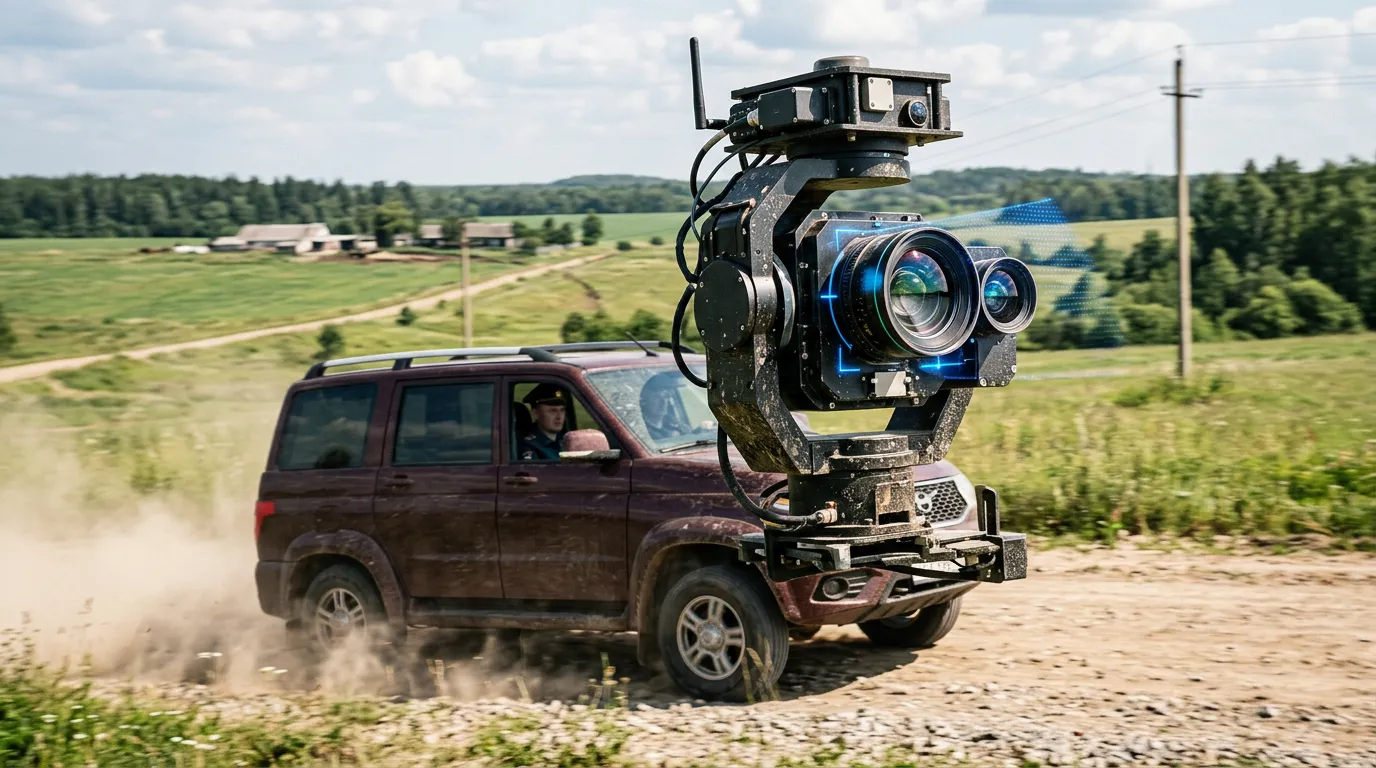
The system can be adapted to detect more than giant hogweed or unauthorized structures, extending to virtually any form of territorial oversight. Meanwhile, the inspector’s role is expected to shift toward operating an automated system. Data collection, initial analysis, registry checks and even the generation of notices are set to move into a digital workflow.