Rosatom Opens State-of-the-Art Nuclear Instrumentation Cluster in Moscow
Rosatom has established a research and technology cluster for producing ionizing-radiation detectors at the site of the Specialized Scientific Research Institute for Instrumentation Engineering (SNIIP).

The new facility brings research laboratories and production lines together in a single complex. The cluster is part of the Radiy (Radium) project, which is being implemented with support from the Industrial Development Fund to strengthen Russia’s technological sovereignty.
Full-Cycle Production at One Site
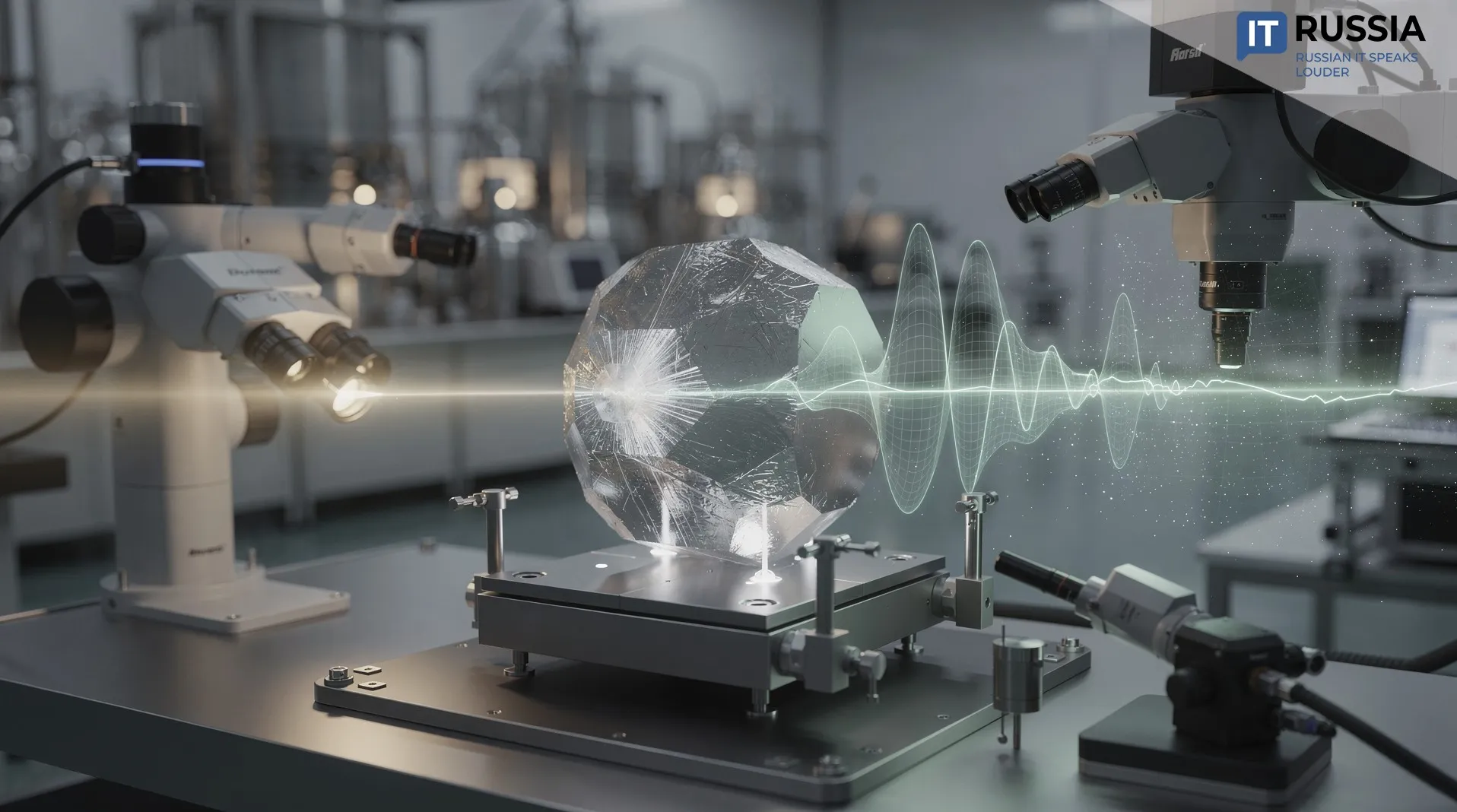
The new facility covers the full development cycle for modern measuring instruments. Cluster specialists develop new materials, produce samples, test them and prepare them for mass production. This shortens development-to-production timelines and lowers the cost of finished products – the labor required to manufacture serial detectors has already fallen by 20%.
The facility is designed to produce 1,500 detectors and 10,000 standardized electronic assemblies a year. Those volumes will fully meet the nuclear industry’s demand for radiation-monitoring equipment. The domestically produced instruments are also needed in medicine, scientific research, the space industry and industrial environmental monitoring. All of the products will be based on Russian-developed technologies.
Detector Production Technologies
The facility will produce two main types of detectors: polymer scintillation devices that detect ionizing radiation in real time, and thermoluminescent detectors used to monitor personnel. The latter determine the cumulative radiation dose received during a work shift.
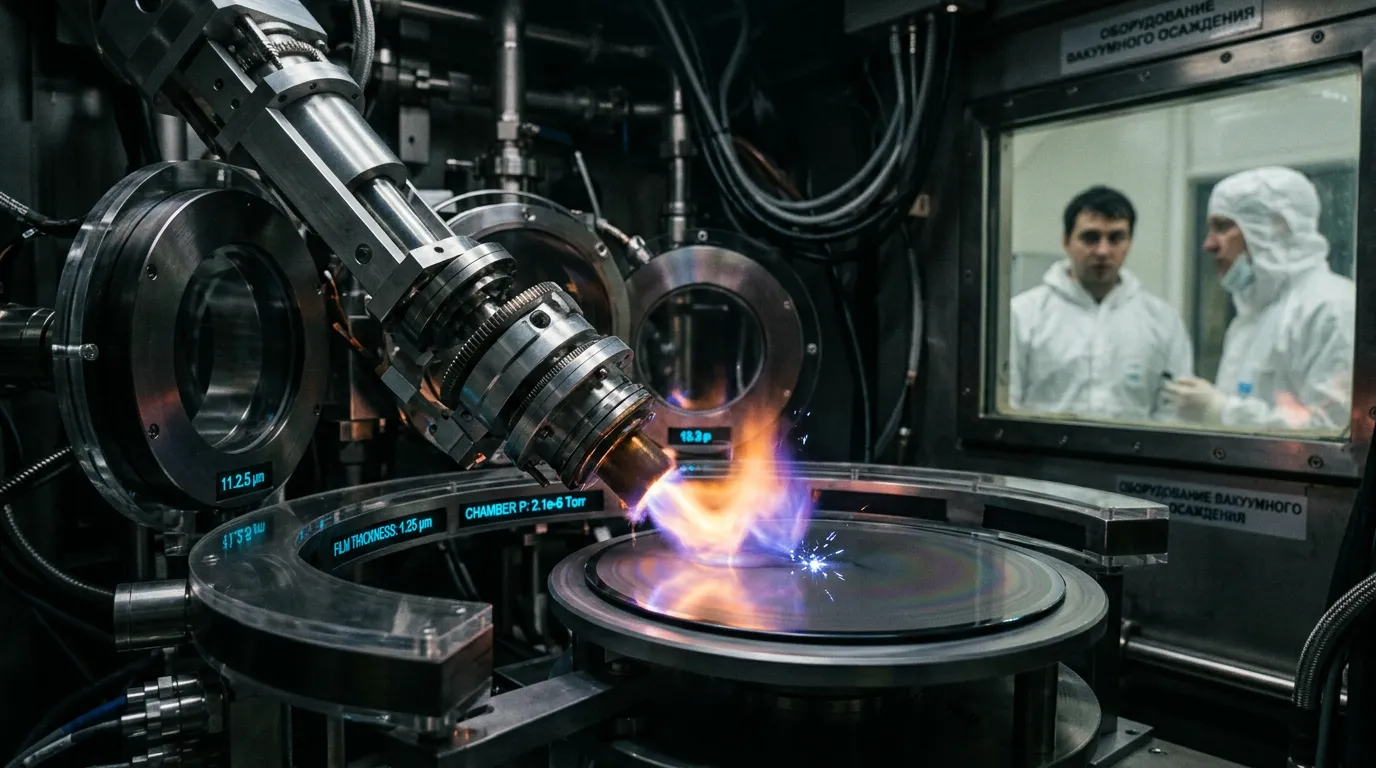
Detector production begins by firing the raw material at 1,200°C. The resulting material is formed into “glowing tablets,” which are placed in 3D-printed housings. A reader determines the dose received by an employee within a few seconds. The manufacturer guarantees the dosimeter’s stated accuracy for at least 500 operating cycles.
The detectors must meet stringent surface-quality requirements. To capture visible-spectrum photons inside the device, the surface is polished until surface irregularities are no more than 0.1 micrometers. Two types of coatings are applied to the detectors: protective layers prevent the sorption of radioactive substances, while reflective coatings keep light pulses from escaping the device. The detector’s contact pads are ultrasonically welded to the printed circuit board under a microscope. After the welds are inspected, each unit undergoes testing. Light collection efficiency in the new cluster’s devices reaches 99.5% – a very high figure.

IT Solutions and Miniaturization
The cluster’s IT component includes testing and digital monitoring systems. The products are checked using a proprietary photospectrometric system. The equipment automatically records detector parameters and stores the results in an electronic database.
The detectors are integrated into automated radiation-monitoring systems. Digital systems continuously collect data from thousands of sensors at nuclear facilities, while algorithms analyze radiation conditions in real time and automatically alert operators when permissible levels are exceeded. This helps protect personnel from excessive radiation exposure.
Cluster engineers are already working to miniaturize the instruments. In cooperation with the Start Production Association, specialists are moving from conventional surface-mount technology to hybrid-film microassemblies. Previously, only the active matrix fit into several square millimeters of a printed circuit board. Now the entire device, including its housing, fits in the same space. Reducing the weight and size of the detectors also lowers their power consumption, which is particularly important for portable dosimeters and autonomous monitoring systems.

Supplies and Development Plans
Russian detectors are providing radiation monitoring for Rosatom’s projects abroad. The first devices have already been shipped to the Akkuyu nuclear power plant units under construction in Turkey and the Rooppur nuclear power plant in Bangladesh, as well as to Kursk Nuclear Power Plant II.
Rosatom has already signed an investment agreement for the next stage of the project. The funds will be used to upgrade products for other industrial sectors. SNIIP plans to develop a range of equipment for monitoring radioactivity in liquids, gases and aerosols at the site.
Another development area is equipment for measuring iodine-131 concentrations and for process spectrometry. Such devices are needed at nuclear medicine facilities and for environmental monitoring. The facility will also expand production of general-purpose gamma dosimeters.
The development of this instrumentation cluster is creating a full production cycle for high-tech measurement devices in Russia.