Rosatom Launches Unique Production
State Atomic Energy Corporation Rosatom has created a full-cycle production capability in Russia for high-precision gamma-ray detectors based on ultra-pure germanium.
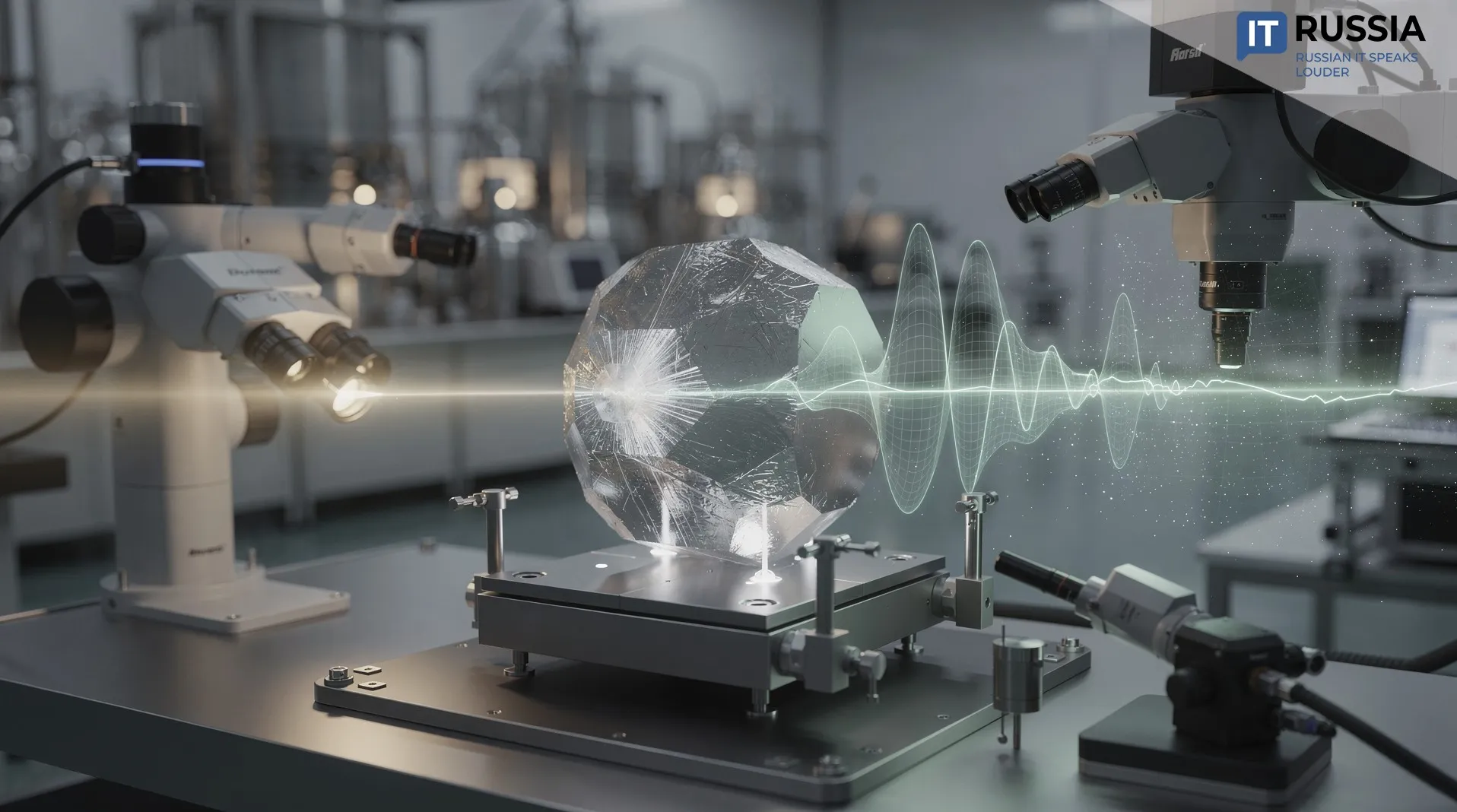
Nuclear industry enterprises have mastered every stage, from deep purification of raw materials to the assembly of finished spectrometric instruments. The launch eliminates dependence on imported components and strengthens Russia’s technological sovereignty in nuclear instrumentation.
Absolute Material Purity
Ultra-pure germanium belongs to the class of materials designated 7N. This means the content of the primary substance is at least 99.99999 percent. In other words, impurities capable of affecting the crystal’s electrophysical properties account for no more than one billionth of a percent.
Such a high degree of purity is critical for semiconductor detector performance. Any foreign atoms in the crystal structure can interfere with gamma-ray detection and reduce the instrument’s energy resolution. The technology for producing ultra-high-quality germanium single crystals was developed by JSC Giredmet, part of Rosatom’s Khimiko-tekhnologicheskiy klaster (Chemical and Technological Cluster). The institute’s specialists designed and built experimental equipment that they used to develop the deep-purification processes for the raw material.
Domestic Production Chain
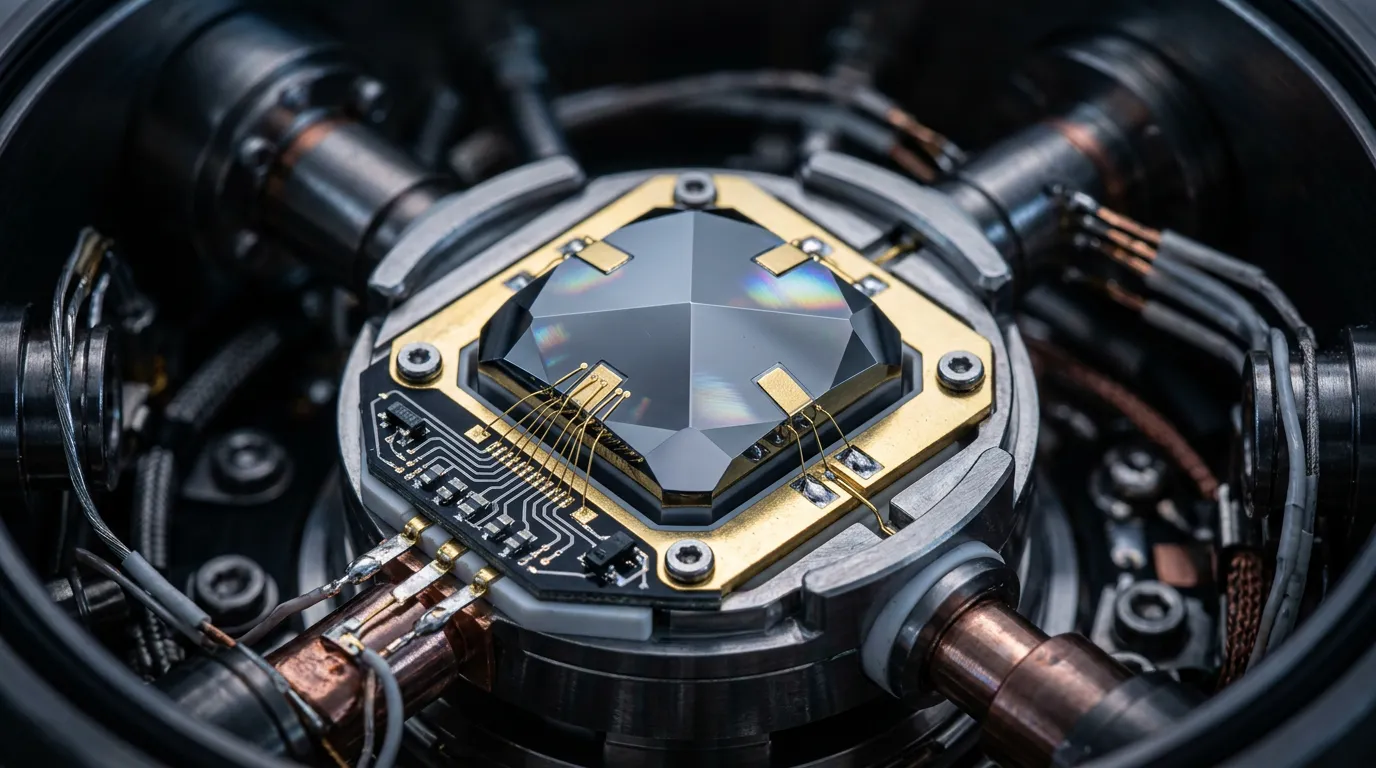
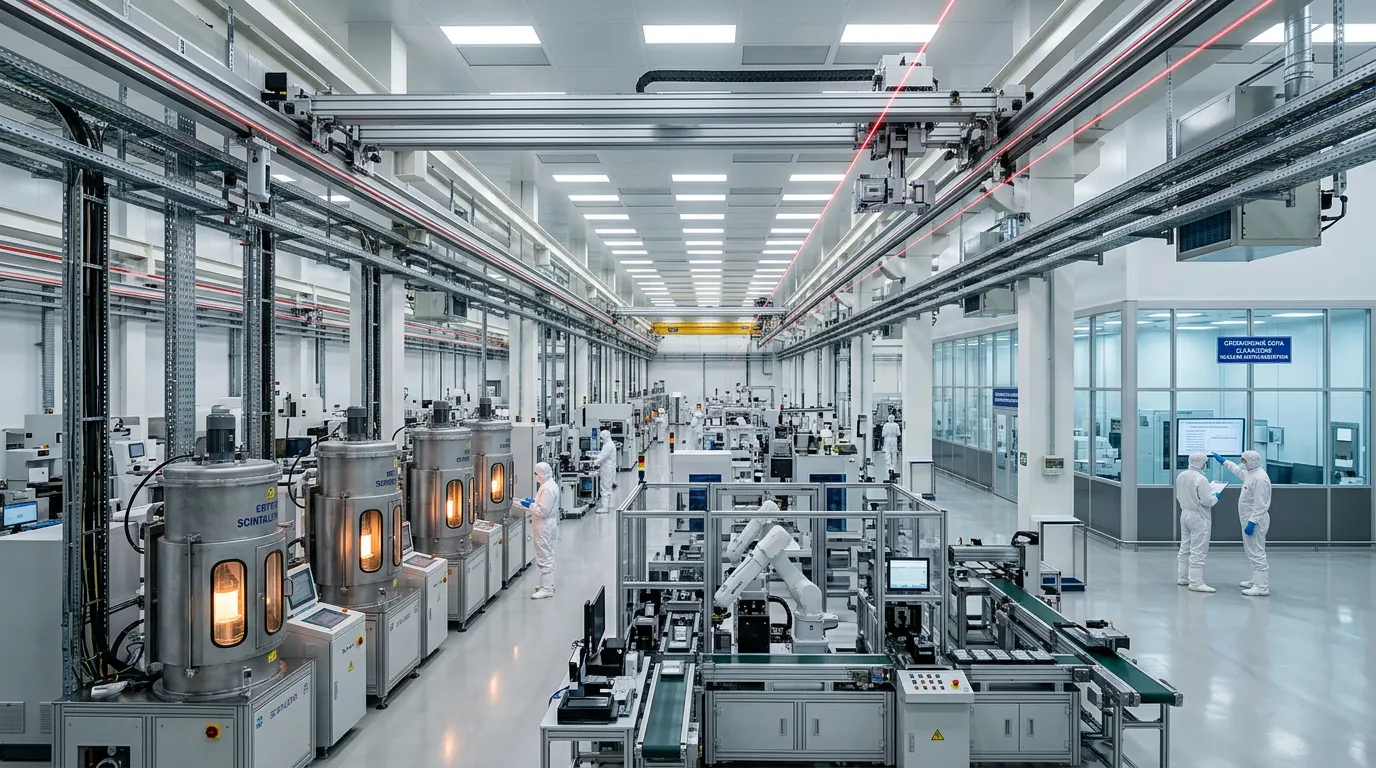
The final link in the technology chain is a new production area at an enterprise of the Avtomatizirovannye sistemy upravleniya i elektrotekhnika (Automated Control Systems and Electrical Engineering) division. Here, the single crystals are turned into detectors and assembled into spectrometric instruments.
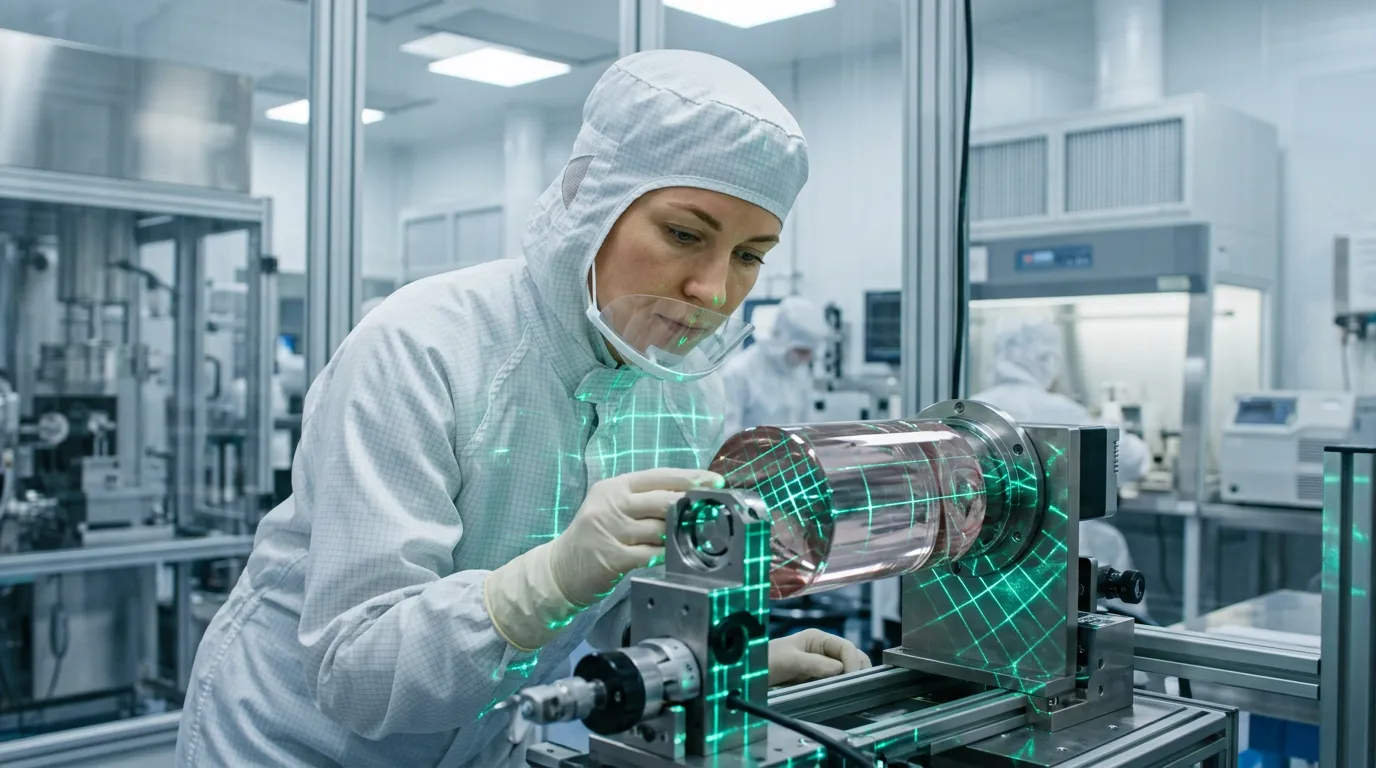
Working with ultra-pure material requires exceptional conditions. The production area has been organized as an ISO 8 clean zone. This means that dust and microscopic impurities cannot reach the crystal surface during processing. Strict adherence to the technology at every stage ensures stable performance and a long service life for the finished products.
A line of four spectrometers for different applications has now been developed. Pilot units are already in use at megascience facilities, including the NICA accelerator complex at the Joint Institute for Nuclear Research.
Hardware and Software Systems for Data Analysis
Modern spectrometric systems are complex hardware and software systems. The detector registers gamma rays and converts their energy into electrical pulses, while specialized electronic equipment amplifies the signals and digitizes them for further processing. Software plays a key role: algorithms identify individual peaks in a gamma spectrum and match them against databases of known radionuclides, making it possible to identify the isotope composition of a sample and determine the activity of each component.
This makes it possible to process large volumes of data in real time. Such hardware and software systems are used in many fields. At nuclear power plants, for example, spectrometers monitor radiation parameters in the coolant circuit and check the integrity of fuel-element cladding. The instruments also make it possible to analyze samples directly at the plant without sending them to laboratories.
Applications in Fundamental and Applied Research
Ultra-precise detectors made from ultra-pure germanium are also in demand for advanced scientific research. At the NICA accelerator complex, the instruments perform activation analysis of the residual radiation spectrum from samples. This helps researchers study the properties of new materials and nuclear reactions.
Another area is lunar soil analysis. Germanium spectrometers determine the chemical composition of samples, identify rare-earth elements, and look for signs of water in the Moon’s polar craters. Measurement accuracy is critical for planning future lunar missions and assessing the resources available on the satellite.
In nuclear physics, the detectors are used to study rare nuclear decays and search for new isotopes. High energy resolution makes it possible to distinguish closely spaced gamma lines and detect weak signals.
In medicine, spectrometers are used to check the quality of radiopharmaceuticals and dosimetry equipment. The instruments verify the activity and isotopic purity of medical isotopes before they are used in diagnostics and therapy.
In mineral exploration, germanium detectors are used to search for uranium ores and rare-earth metals. High energy resolution makes it possible to detect weak gamma lines and determine the concentration of valuable minerals.
Development Prospects
Giredmet has submitted an application to the Russian Science Foundation for support in establishing pilot-scale industrial production of the crystals. Moving from experimental samples to serial production will make it possible to meet growing demand for germanium detectors. Industry enterprises are ready to increase production volumes as orders come in.
The development of ultra-pure germanium detector production strengthens Russia’s position in high-precision instrumentation, while creating a complete domestic technology chain opens opportunities to export this equipment.