Russia Is Sending Robots to the Seabed
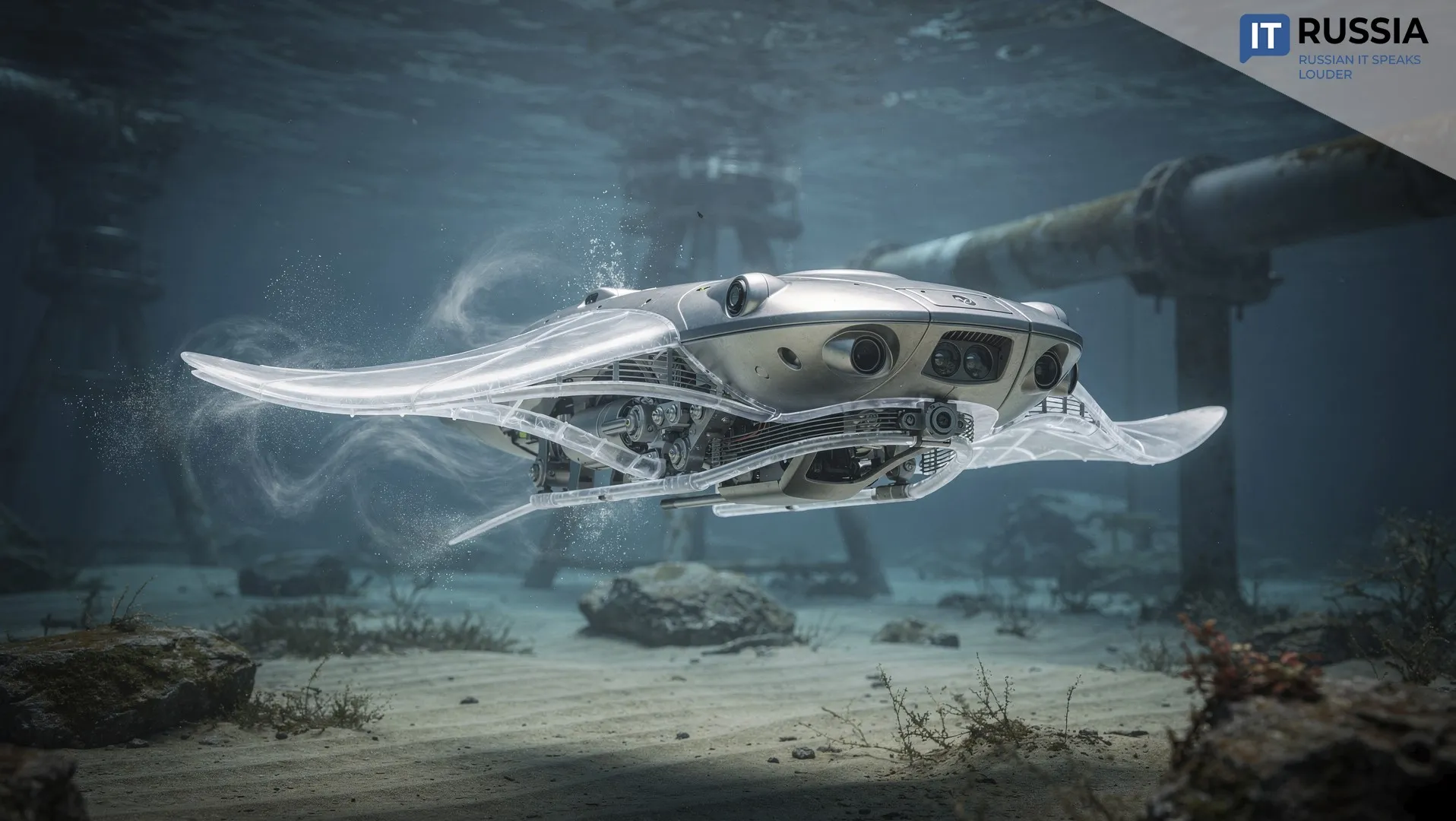
United Shipbuilding Corporation (USC) is continuing to develop marine robotics. The corporation is working on technologies for deploying groups of small autonomous underwater vehicles (AUVs).
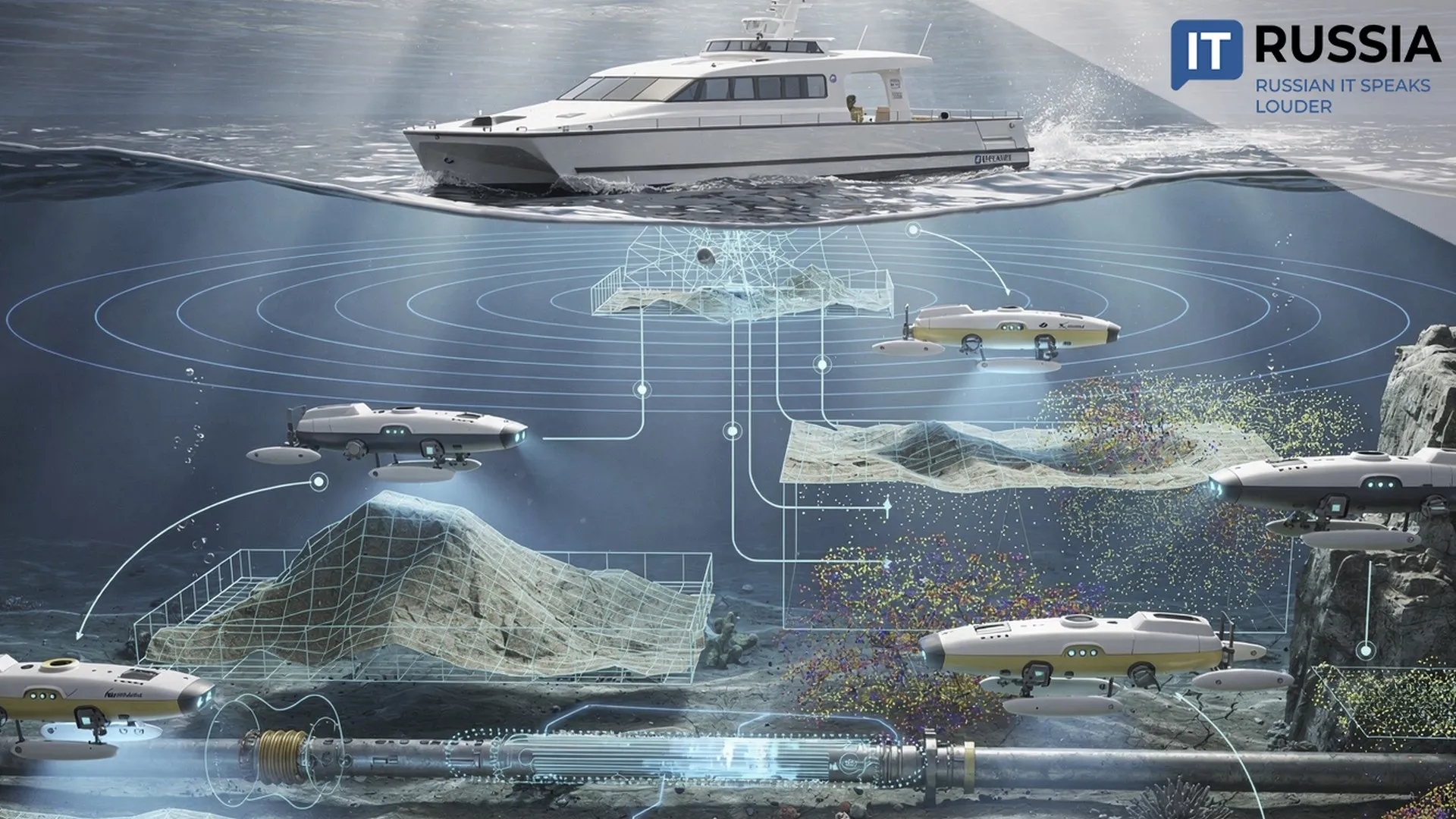
USC engineers are developing a concept that would connect several robots weighing between 50 and 300 kilograms (110 and 660 pounds) into a single network. The technology could change how the world’s oceans are studied and monitored.
A Smart Swarm for the Arctic
The robotic system will consist of an uncrewed carrier vessel and autonomous underwater vehicles. Such a “swarm” could operate simultaneously at different depths and in different formations, tackling complex missions ranging from marine environmental monitoring to large-scale seismic surveys.
An autonomous vehicle is a highly complex combination of hardware and software. Its competitiveness depends on its navigation software and ability to make decisions autonomously. The vehicles’ “digital brains” are being progressively improved across several areas of IT, including better object-recognition algorithms, more intelligent mission planning and integrated processing of massive volumes of sensor data.
Sound is the only way for the robots to communicate underwater. Synchronized operation of multiple vehicles has become possible thanks to HydroDragon, a Russian hydroacoustic communications system that USC demonstrated in June 2026.
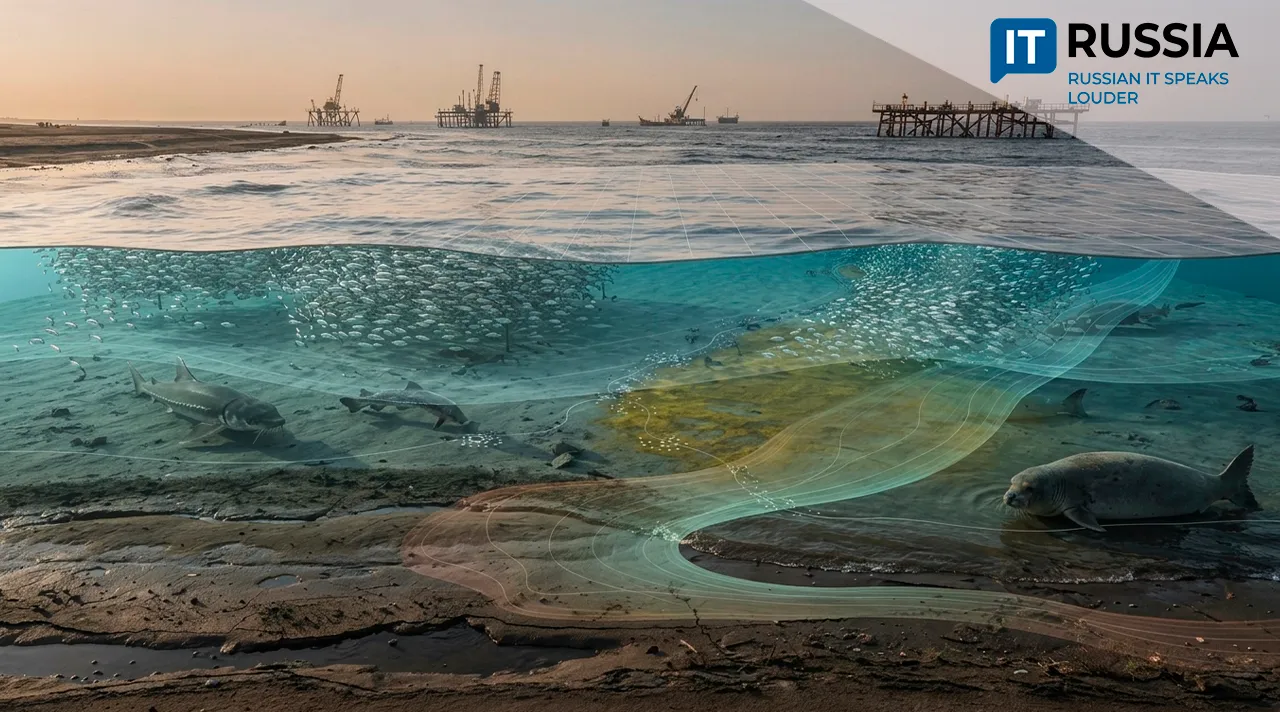
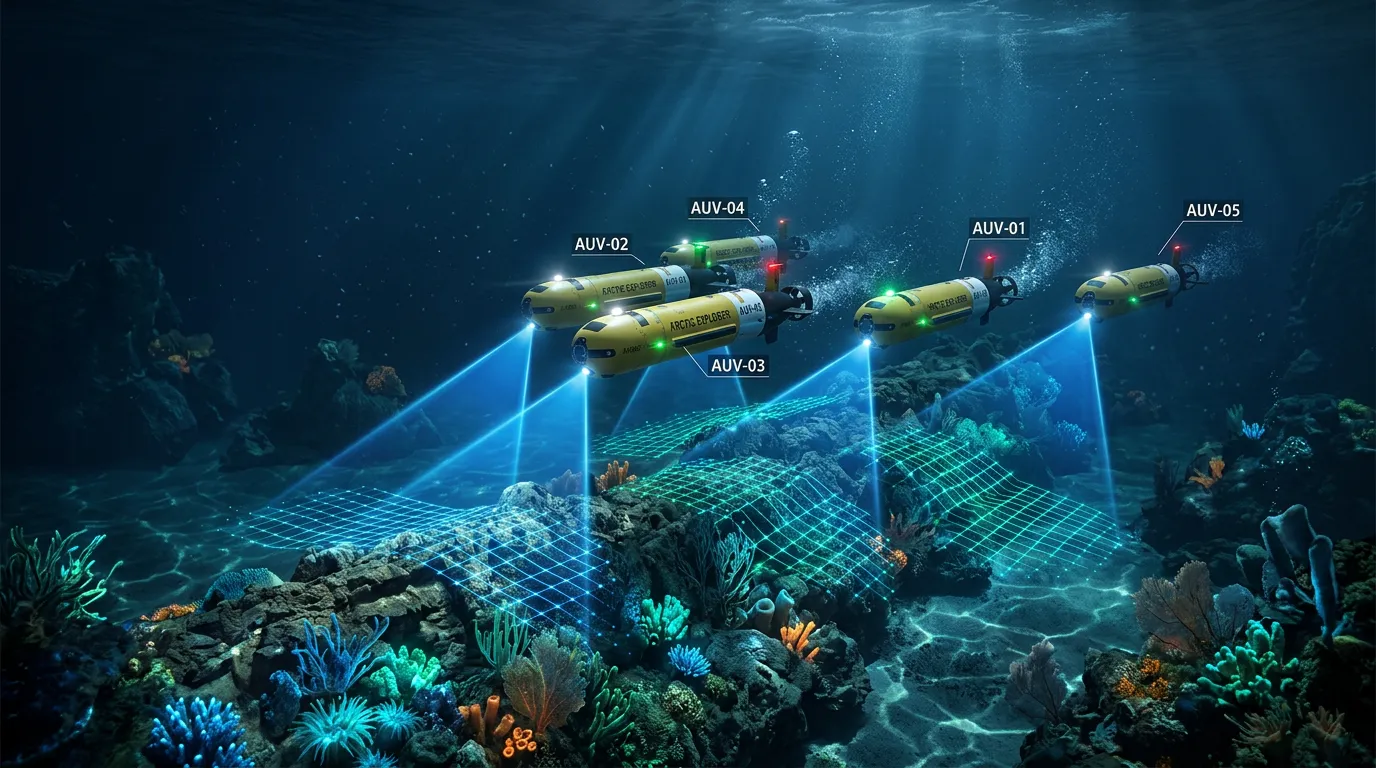
Underwater robots are particularly valuable for geological surveys and mapping the seafloor beneath ice cover, including during development of the Arctic shelf. USC aims to create a standardized modular platform that would give customers a technological foundation adaptable to specific tasks in the oil and gas sector, environmental monitoring or underwater infrastructure inspection. That modularity is intended to meet growing demand among Russian companies for equipment used in offshore projects.
Iceberg in the Ocean
The global market for autonomous underwater vehicles was valued at about $6.8 billion in 2025 and is projected to grow to $12.2 billion by 2032. Norway has put the Hugin Superior deep-sea vehicle into operation for mapping at depths of up to 6 kilometers (3.7 miles), while Chinese researchers have tested the XH1000 robot on Arctic expeditions. Russia is carving out its own niche in this growing market.
In 2022, USC unveiled the Yunona (Juno), capable of diving to depths of up to 1 kilometer (0.6 miles), followed in 2025 by the heavy Okean. TNPA-Maks (Ocean. ROV-Max) underwater robot for operations at depths of up to 3 kilometers (1.9 miles). And when USC presented the Aysberg (Iceberg) project in 2024, it had already identified the need to deploy groups of autonomous vehicles for seismic surveys specifically in hard-to-reach parts of the Arctic. The corporation also has a robotic system that uses computer vision to inspect the underwater sections of ship hulls and the bottoms of marine areas. Its algorithms analyze video streams, recognize objects and identify potential hazards or defects.
Russia is now betting on “collective intelligence.” What distinguishes the Russian technology is its adaptation for operation in extreme climatic conditions and ice-covered waters. Potential customers could include countries actively engaged in offshore hydrocarbon production and underwater infrastructure construction.
Robots at Work
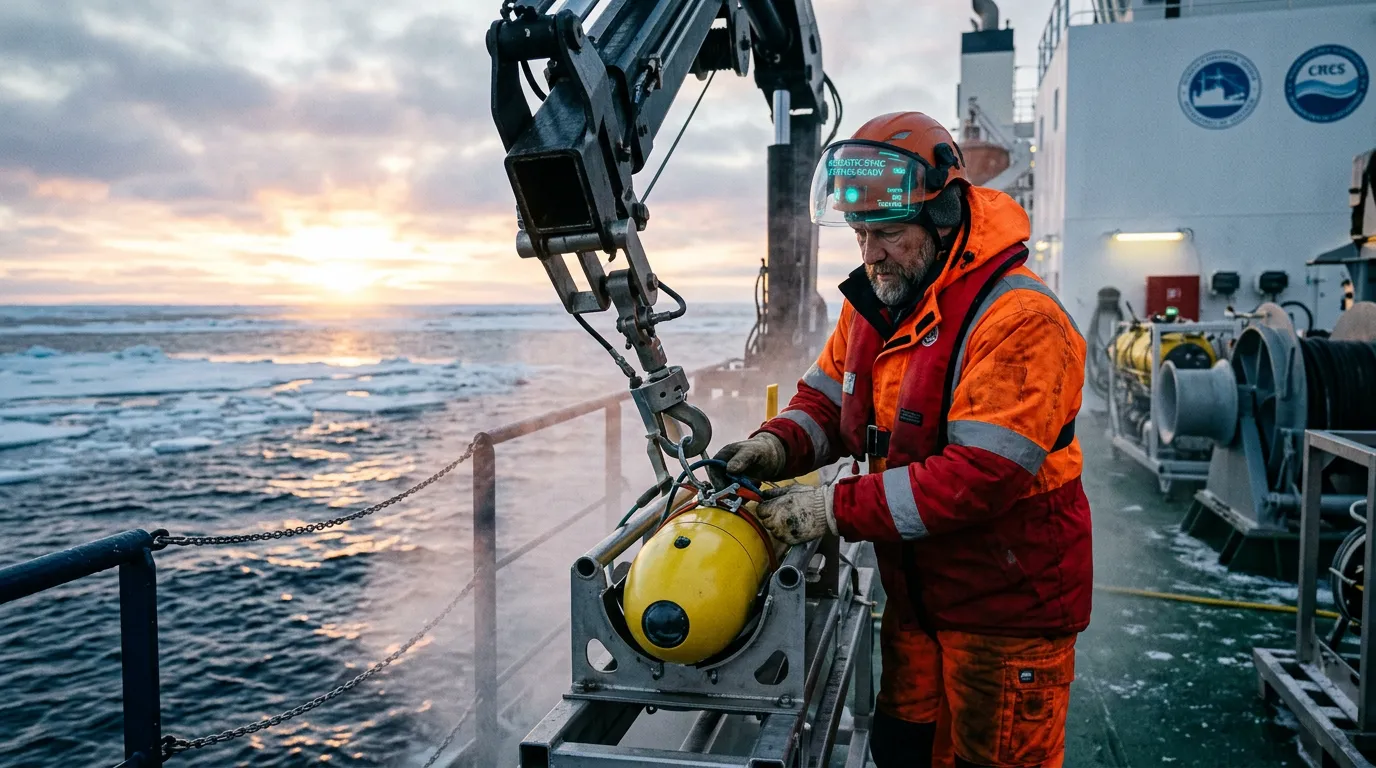
“Marine robotic systems can be used to inspect the seafloor, port infrastructure, pipelines and other underwater infrastructure, as well as for scientific research. USC has technologies that can perform these tasks without a crew on board. At scale, they could become a cost-effective option. I believe uncrewed surface and underwater systems are the future,” said Kirill Toropov, USC deputy head for civil shipbuilding.
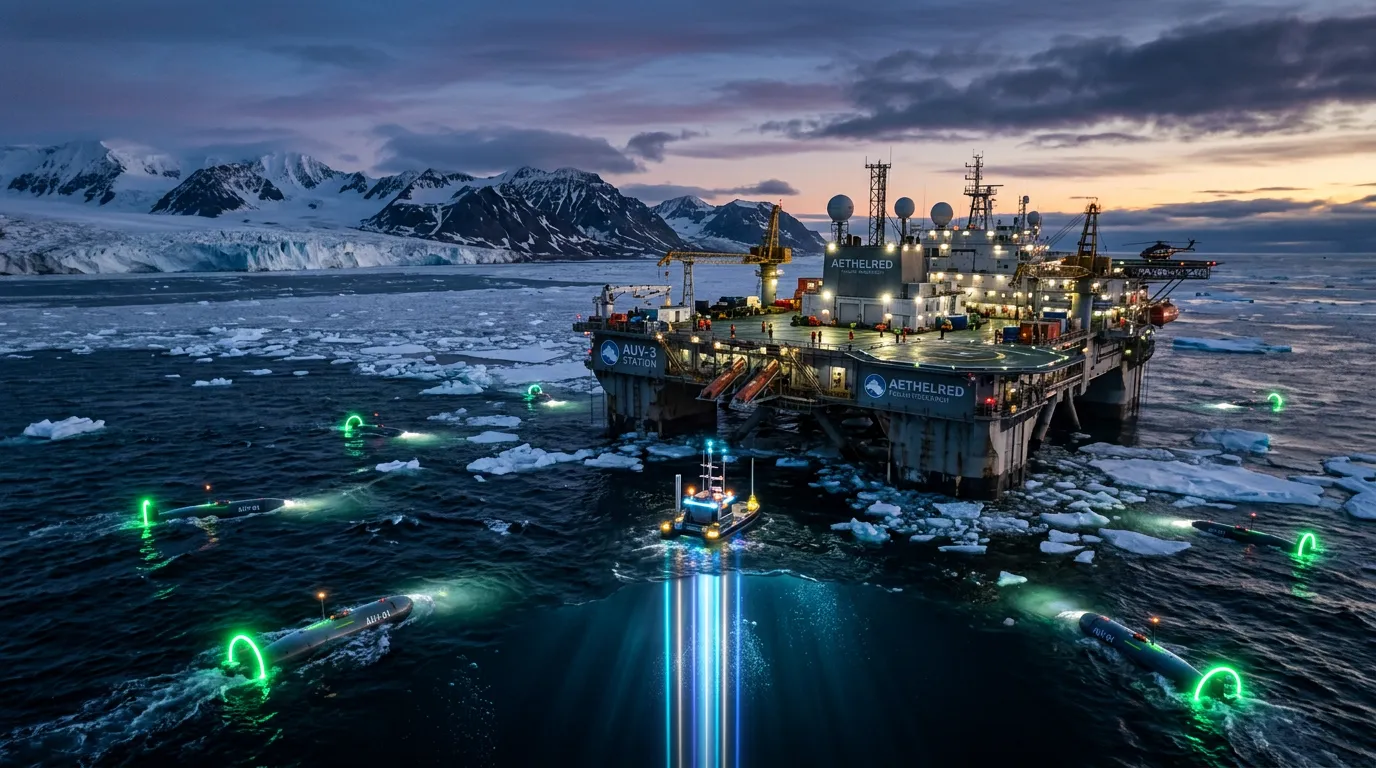
Underwater drones make inspections of marine facilities safer, reduce risks to divers performing hazardous work at depth and improve environmental monitoring of the seas. By sending its robots to the bottom of the seas and oceans, Russia is strengthening its technological sovereignty and building the capabilities needed to operate confidently in the Arctic.