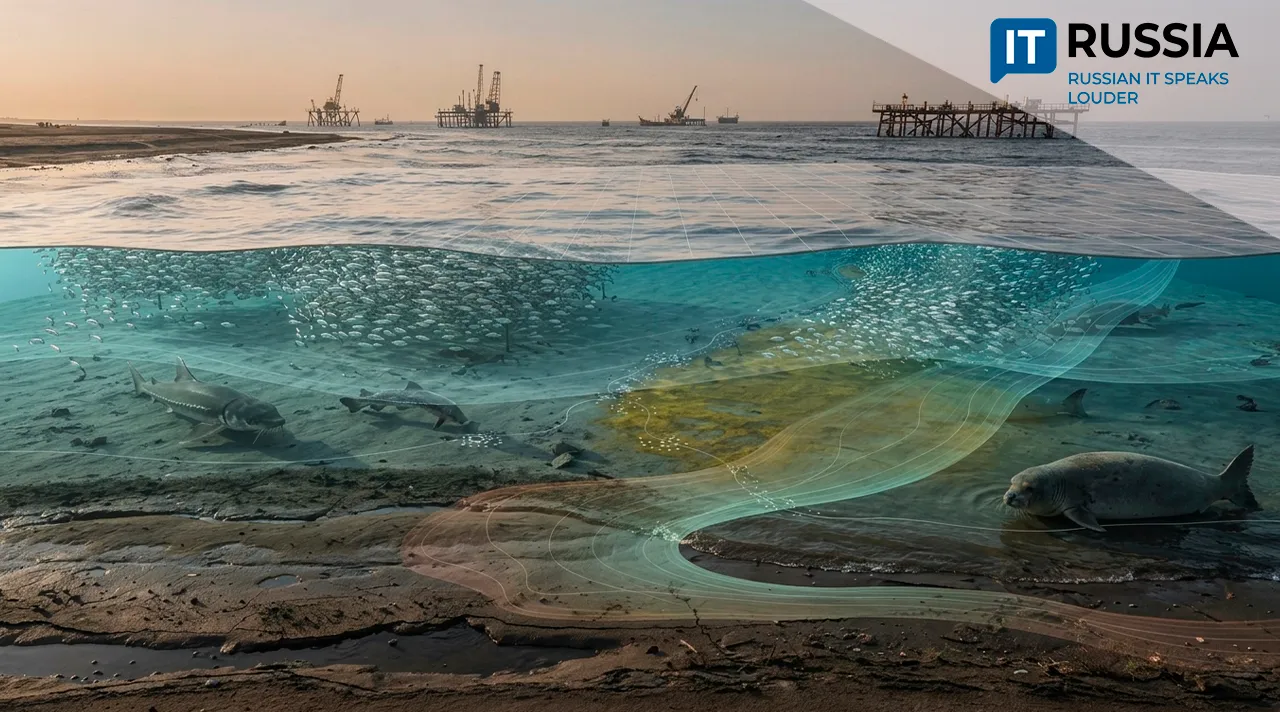
Russian Neural Network Reads the Planet’s Climate Past in 200 Milliseconds
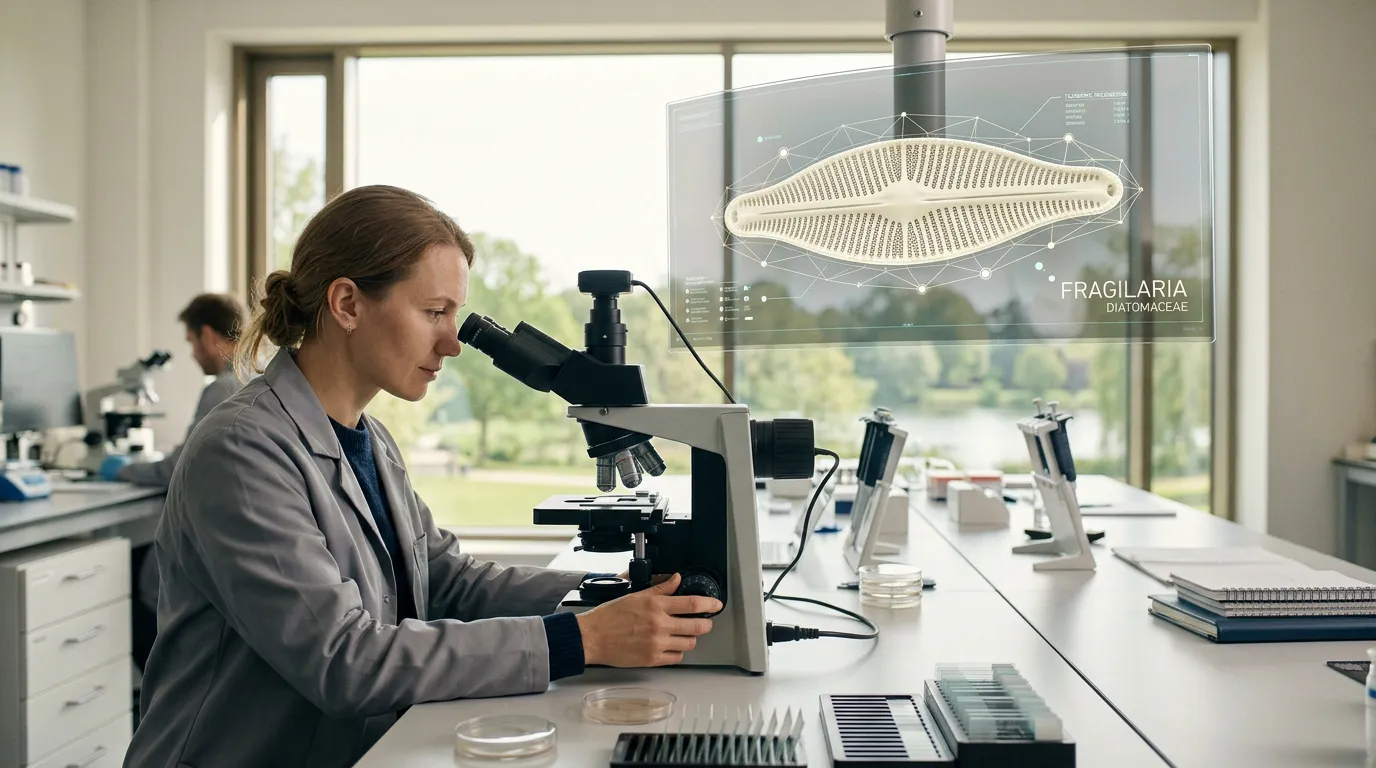
Scientists at the Institute of Geography of the Russian Academy of Sciences, working with Yandex Cloud’s Technology for Society Center, have developed a neural-network service that automatically identifies diatom species from microphotographs.
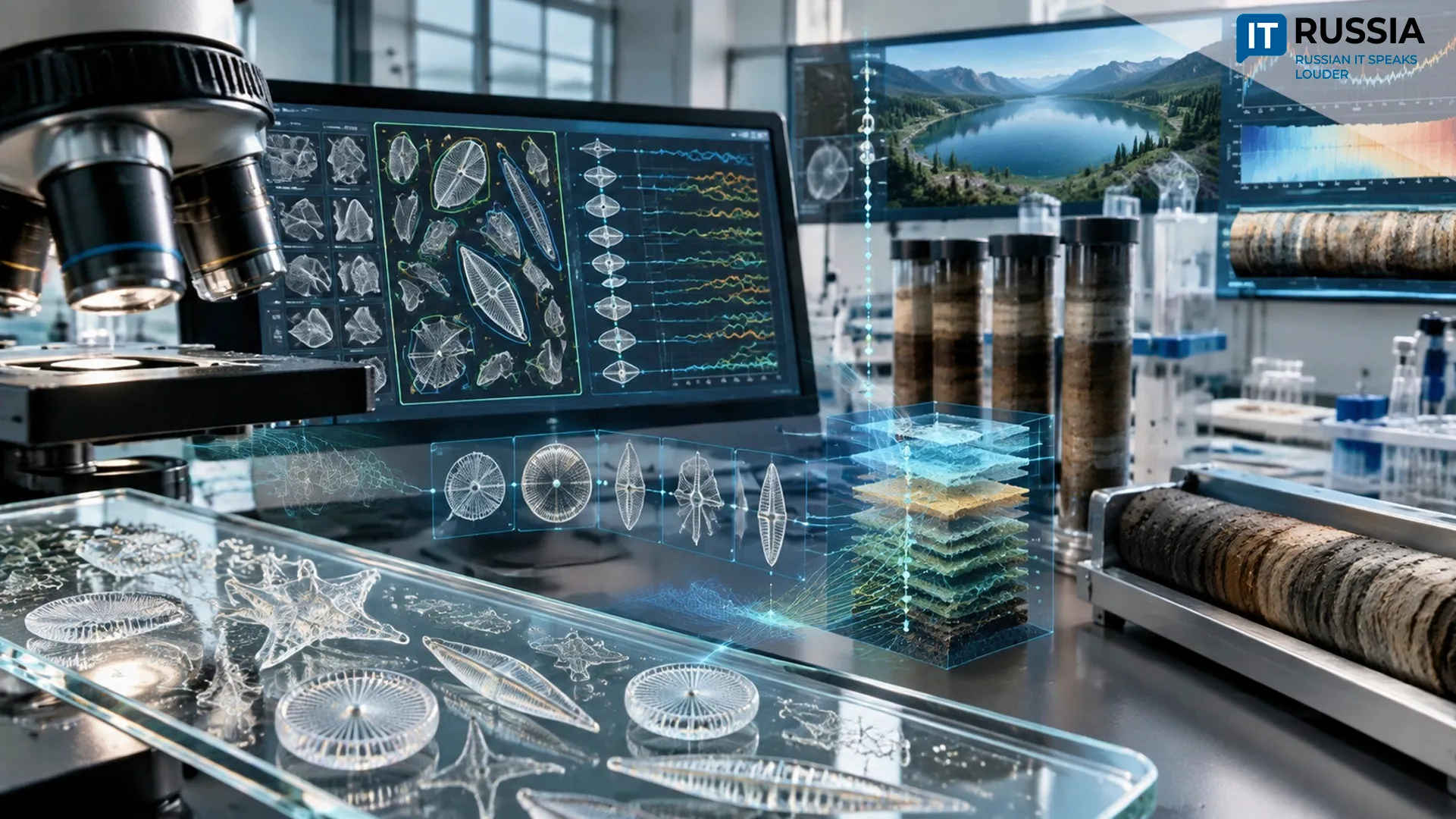
At the bottom of ancient lakes, buried in thick layers of sediment, lies a kind of natural time machine. Diatoms – microscopic organisms encased in silica shells – have settled on lake and river beds for centuries, creating unique natural records. By studying the composition of these “glass armor” structures, scientists can reconstruct the climate, water temperatures and ecology of past eras. Until recently, however, deciphering these records required enormous amounts of manual work, taking researchers months or even years.
That has now changed. Scientists at the Institute of Geography of the Russian Academy of Sciences, working with Yandex Cloud, have created a neural-network service that identifies diatom species from microphotographs in less than 200 milliseconds. This is more than a faster way to handle routine work – it represents a fundamental shift in how this part of scientific research can be done in Russia.
A Digital Scalpel for Nature’s Archives
To teach the algorithm to see what can escape a quick visual inspection, the researchers used a dataset of more than 3,200 images. This included an open dataset containing 2,200 images of 51 species and a proprietary database from the Institute of Geography of the Russian Academy of Sciences containing about 1,000 images of 46 species.
On a test set, the specialized YOLOv11 model achieved about 75% accuracy, while the DiatomNet classifier reached 70%. Those figures may not look perfect to a general reader, but for fundamental research they represent a major advance. The algorithm can rapidly handle the initial pass through large volumes of data, allowing experts to focus on broader processes rather than spending endless hours sorting microscopic images.
AI for Science
The project illustrates the growing field of AI for Science. Russian developers are showing that artificial intelligence can serve purposes beyond generating images and video or powering commercial chatbots. It can also tackle some of the most difficult problems involved in understanding the biosphere.
The new technology could make drinking-water quality monitoring, climate-change forecasting and assessments of aquatic ecosystems faster and less expensive. For Russia, the development also strengthens its scientific independence and provides a foundation for further automation in biology, ecology and medicine. Globally, the technology adds to the growing set of methods for monitoring and preserving biodiversity.
From Baikal Plankton to an Orbital View
The new neural network is the tip of an iceberg whose foundation has been taking shape over the past five years. The development of “green” AI in Russia has been striking. In 2021–22, scientists and IT partners began training neural networks to analyze plankton from Lake Baikal. Algorithms trained on 20,000 microphotographs took on the task of assessing the health of the world’s deepest freshwater lake.
In 2023–24, computer vision moved beyond the laboratory. AI began analyzing satellite imagery to help combat illegal logging, while researchers in St. Petersburg developed drone-based systems for environmental monitoring at municipal solid-waste landfills.
The past two years have marked a more mature stage for the technology. AI is no longer simply an experimental tool but is becoming a specialized scientific instrument designed for narrow yet critically important tasks.
Exporting Expertise, Not Code
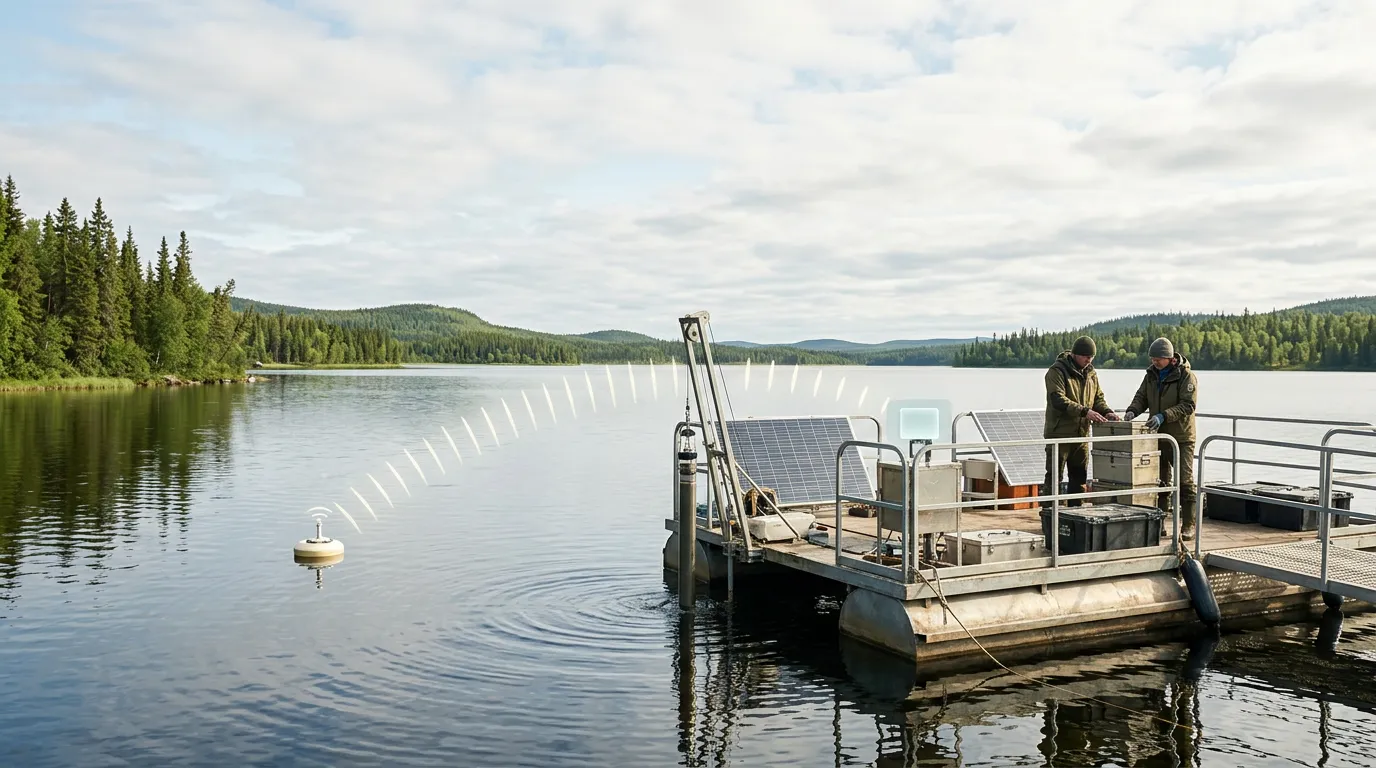
Are we ready to sell an “algae recognition system” abroad as an off-the-shelf product? Probably not, because the model was built for a specific scientific task. Russia can, however, export the underlying technological expertise. The ability to build cloud infrastructure, label highly specialized datasets and train models to work with biological objects is a form of technological capital that will become increasingly valuable. Tools of this kind could form the foundation of international digital platforms for environmental monitoring.
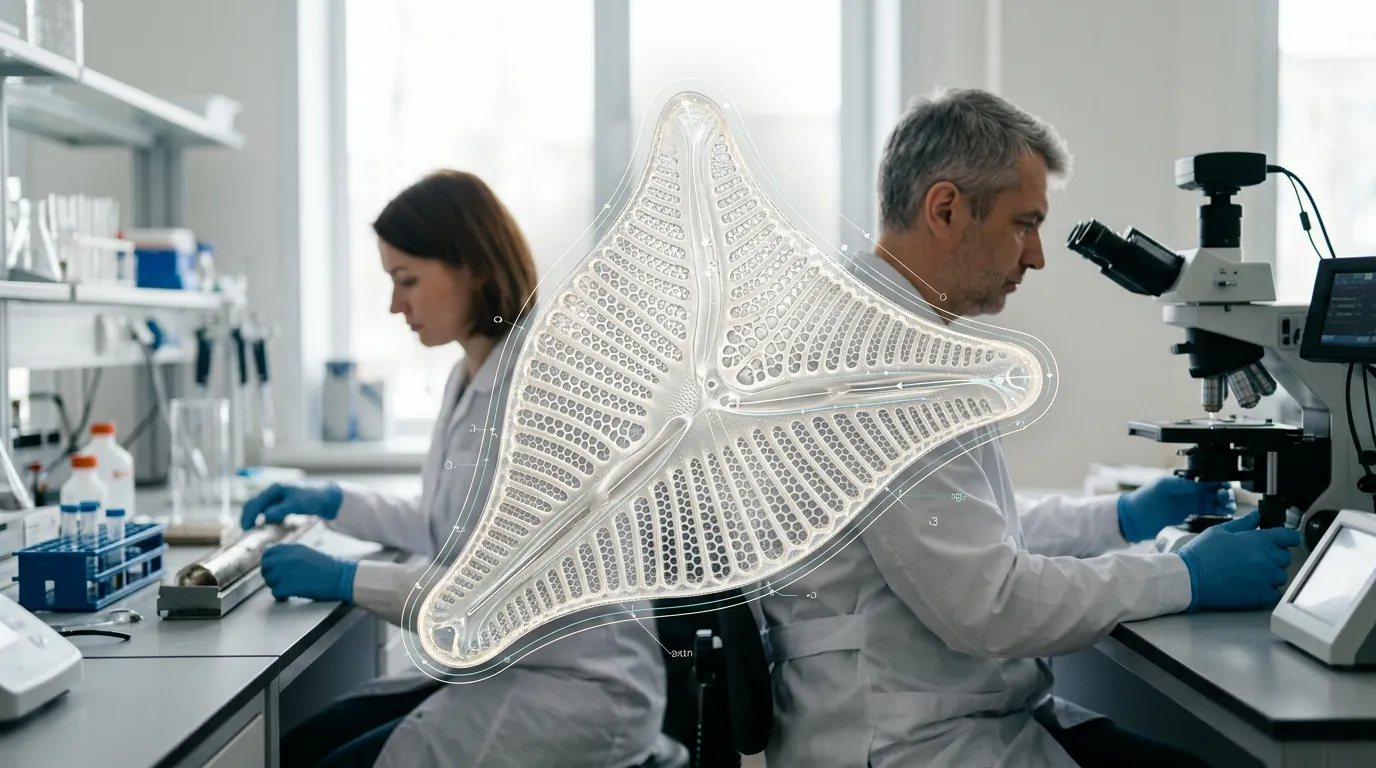
The neural network developed by the Institute of Geography of the Russian Academy of Sciences shows how the era of manually examining microscopic slides is receding. Artificial intelligence does not replace scientists. Instead, it gives them a powerful new ability to detect patterns across large datasets while preserving what is often their most valuable resource: time. That means more time for discoveries that could help us understand and protect our fragile world – planet Earth.