Russian Archaeologists Use AI to Save Ancient Rock Art
In Russia, artificial intelligence is used to study petroglyphs. During an expedition to Chukotka, specialists from the Institute of Archaeology of the Russian Academy of Sciences used new AI-based technologies to create digital models of rock-art sites along the Pegtymel River.
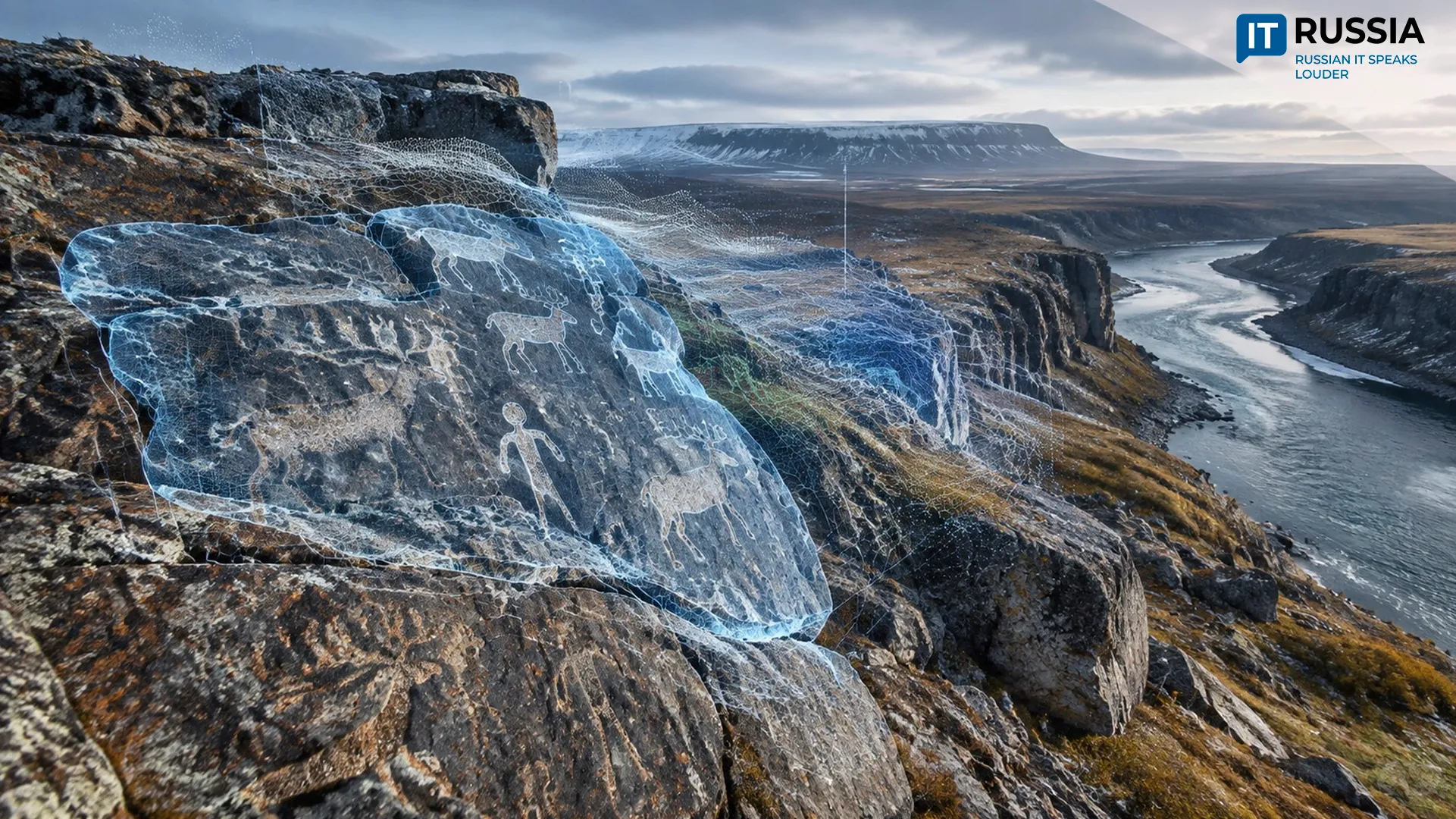
Last August, archaeologists from the Institute of Archaeology of the Russian Academy of Sciences traveled to northwestern Chukotka to complete a digital model of the Pegtymel petroglyphs, a rock-art site along the Pegtymel River.
The digital representation was built using photogrammetry, satellite geodesy, geographic information systems and computational methods for data analysis. According to the experts, AI was not used to automatically search for drawings. Instead, it handled complex calculations involved in analyzing the characteristics of the site, such as comparing surface-curvature maps with different mathematical models.
Technology Opens the Door to New Discoveries
The Pegtymel petroglyphs are among the most remote and difficult-to-reach rock-art sites in Asia. Research began in 1967 and continues today. New technologies have accelerated the work. Since 2021, a team led by Elena Levanova of the Institute of Archaeology of the Russian Academy of Sciences and Yuri Svoisky of the Laboratory for Remote Sensing and Spatial Data Analysis in Moscow has carried out demanding work to digitally map the site and create three-dimensional models of surfaces bearing petroglyphs. The result includes 3D copies of the petroglyphs and a virtual tour of the site, both available online.
During the fieldwork, archaeologists identified previously unknown drawings and recorded their precise locations. Over 40 years, the total number of known rock drawings at Pegtymel grew from 213 in 1986 to 691 in 2026. Over the past four field seasons, the expedition team has identified nearly 100 new images. The Russian Academy of Sciences considers the completion of digital documentation for all currently known Pegtymel petroglyphs and the creation of precise maps of their locations to be the expedition’s main result. This makes it possible to review and refine the boundaries of the federally protected archaeological site.
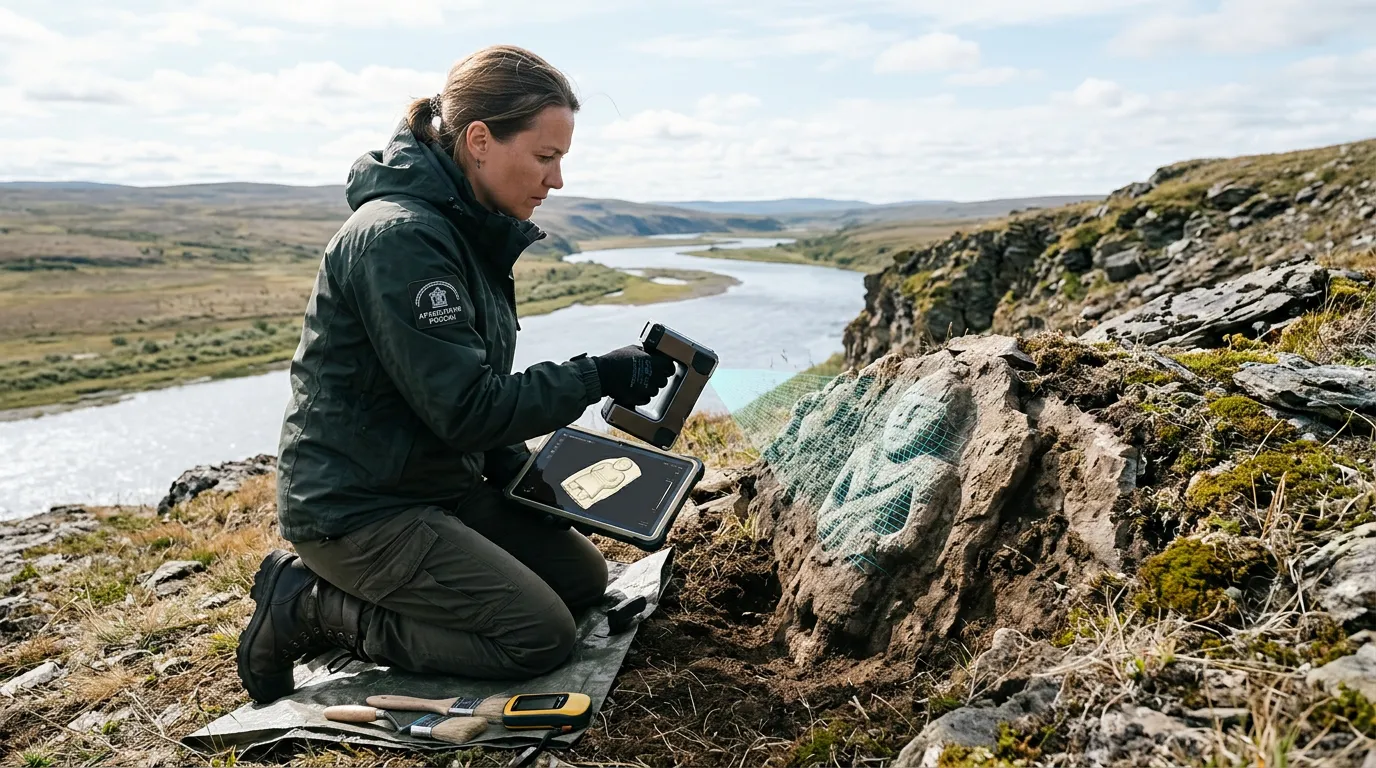
Saving Rock Art in a Virtual World
Unfortunately, the petroglyphs are being damaged by repeated freezing and thawing, rockslides into the river and other destructive processes at Pegtymel. The surviving images represent only part of a larger complex that has not survived intact. In the future, even what remains could be lost. Precise digital copies of the petroglyphs are therefore essential for future generations and for research that was previously impossible without modern tools.
The resulting collection of spatial data provides a foundation for further scientific work and for efforts to preserve the Pegtymel petroglyphs. Digital technologies will also be used to create a “virtual museum,” giving anyone interested in rock art remote access to materials about the site.
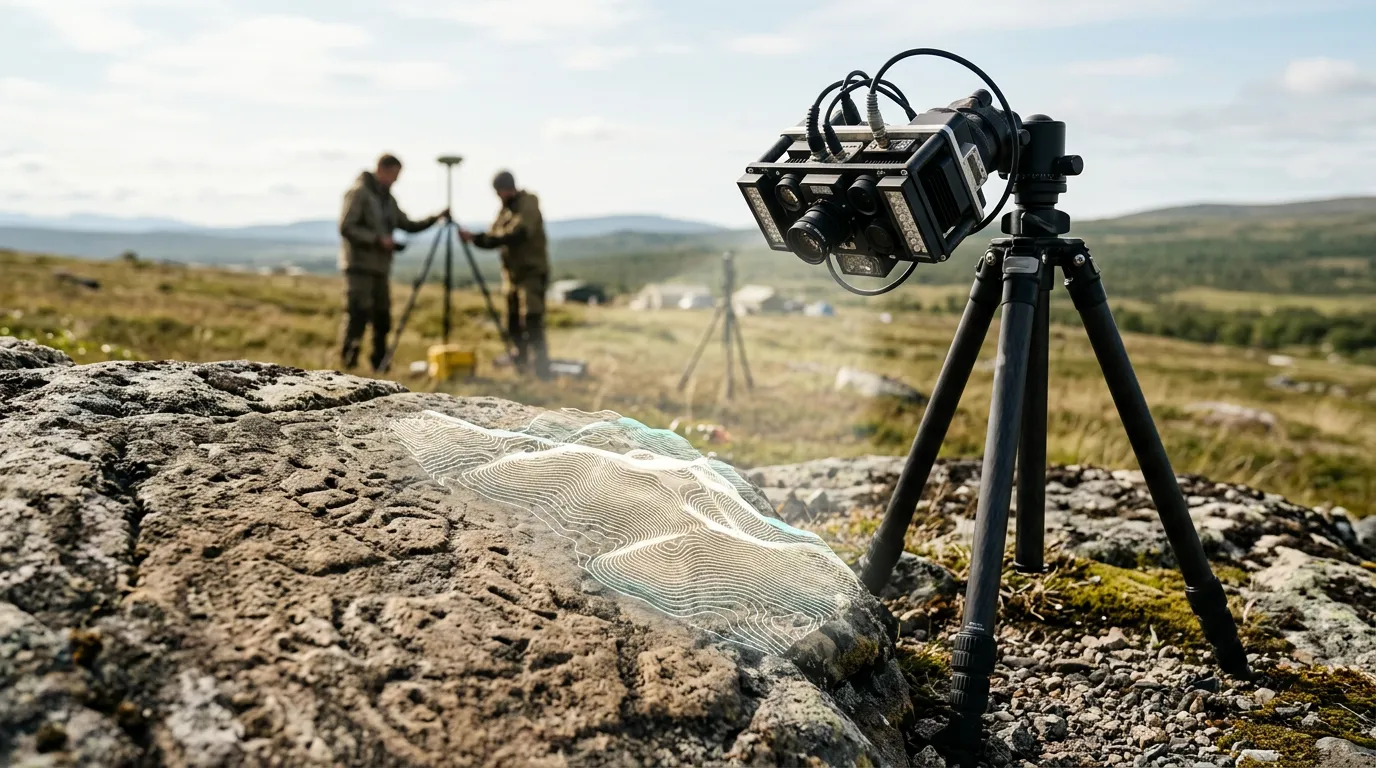
Digital Heritage
AI tools for analyzing images and 3D models are already being used in archaeology, museums, restoration, geology and environmental monitoring. Artificial intelligence can help researchers handle large volumes of spatial and visual data, making it easier to analyze information that would otherwise take substantial amounts of human time to process.
The technology also supports the growth of digital tourism. Creating virtual copies of archaeological sites makes it possible to give people remote access to places that most visitors cannot physically reach.
Russian projects to digitize petroglyphs demonstrate the development of digital heritage – the preservation of cultural heritage through digital technologies. Russian expertise in photogrammetry, remote sensing and spatial-data processing could potentially be useful to other countries studying remote archaeological sites.
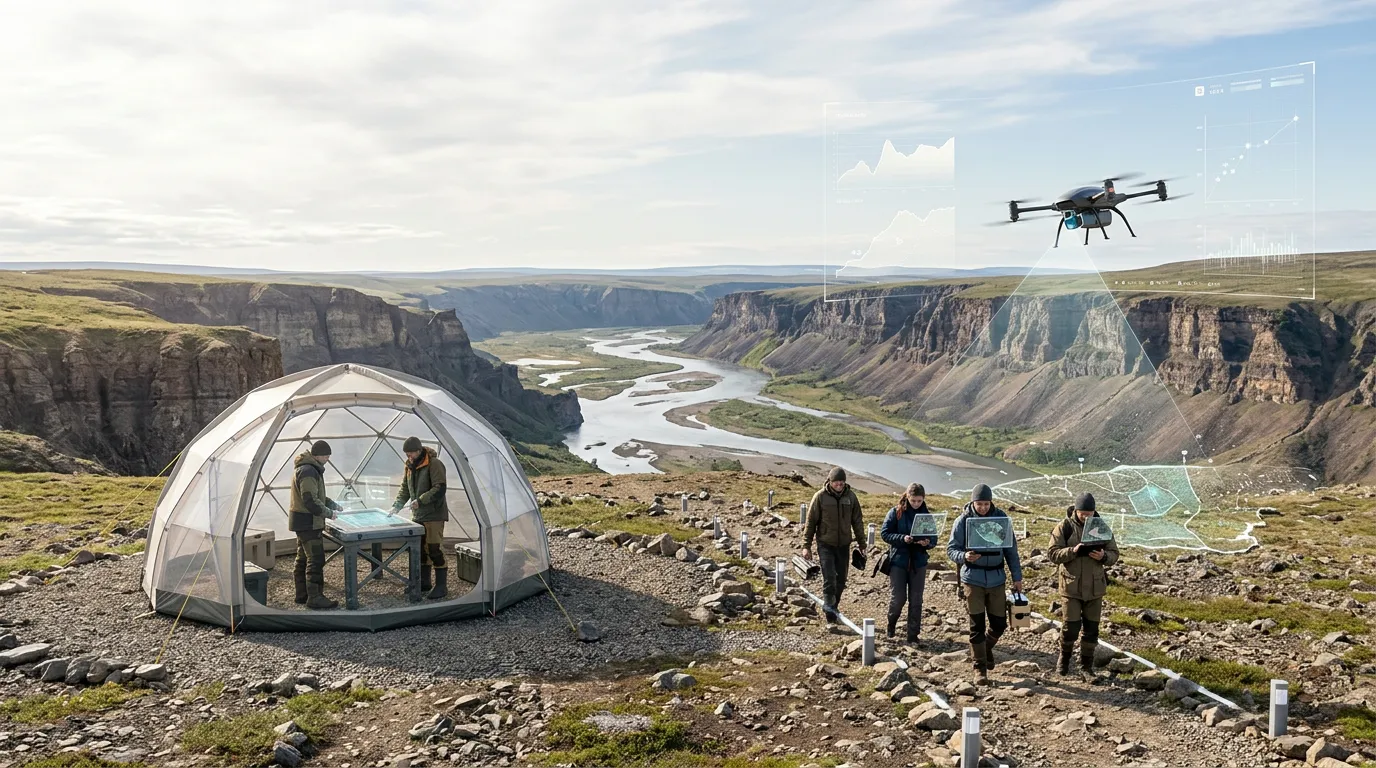
In the coming years, AI use in archaeology is expected to expand, including automated image analysis, the creation of virtual museums and digital twins of archaeological sites. For Russia’s IT industry, demand for AI applications in archaeology and museums provides an additional incentive for development, potentially driving greater profits for companies in this emerging market.