Russian Researchers Develop Neural Network for Mineral Exploration
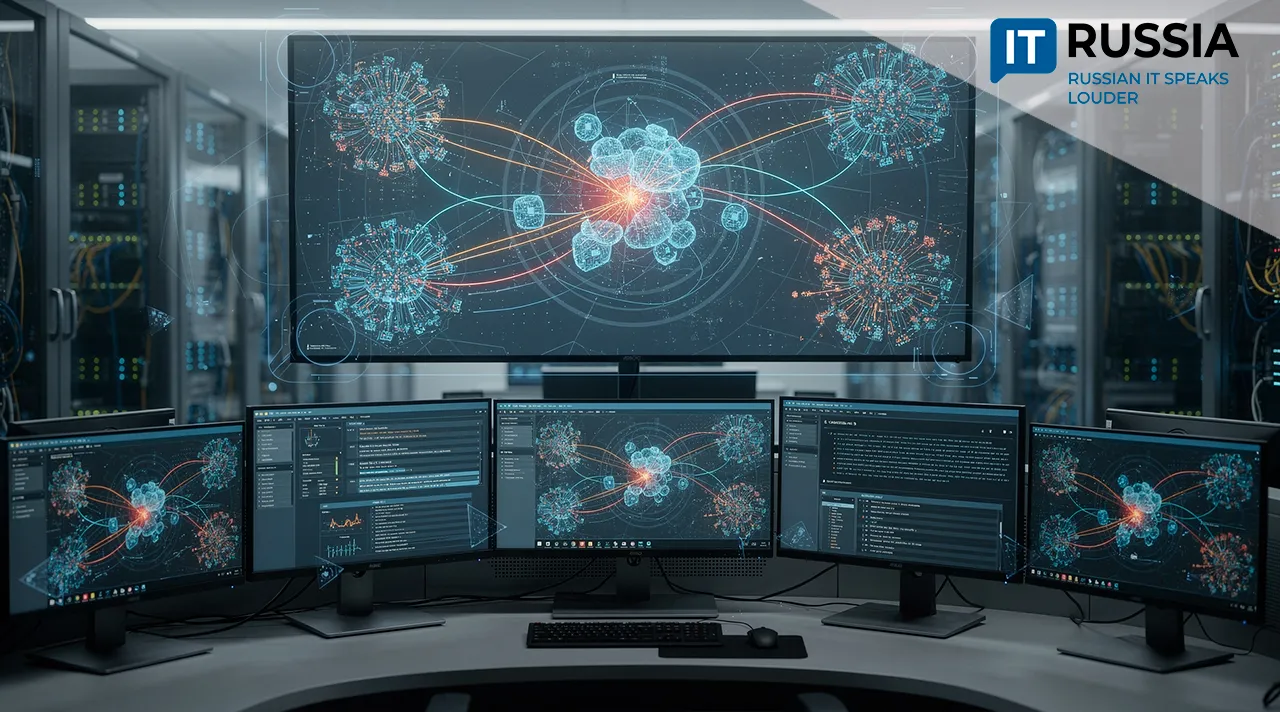
Researchers at the Trofimuk Institute of Petroleum Geology and Geophysics of the Siberian Branch of the Russian Academy of Sciences have developed a neural network for automated processing of subsurface sensing data. The algorithm determines the depth of highly electrically conductive objects.
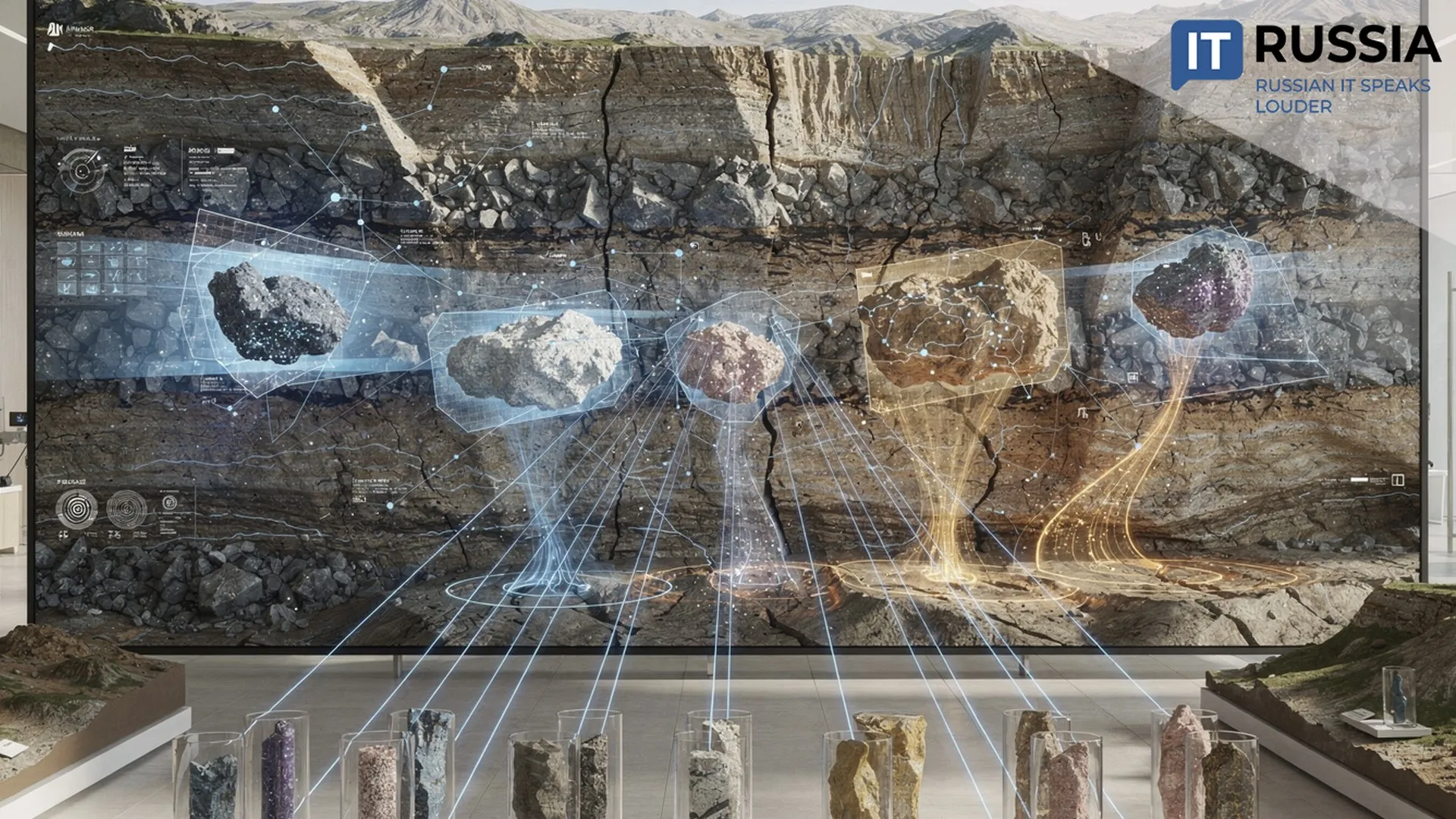
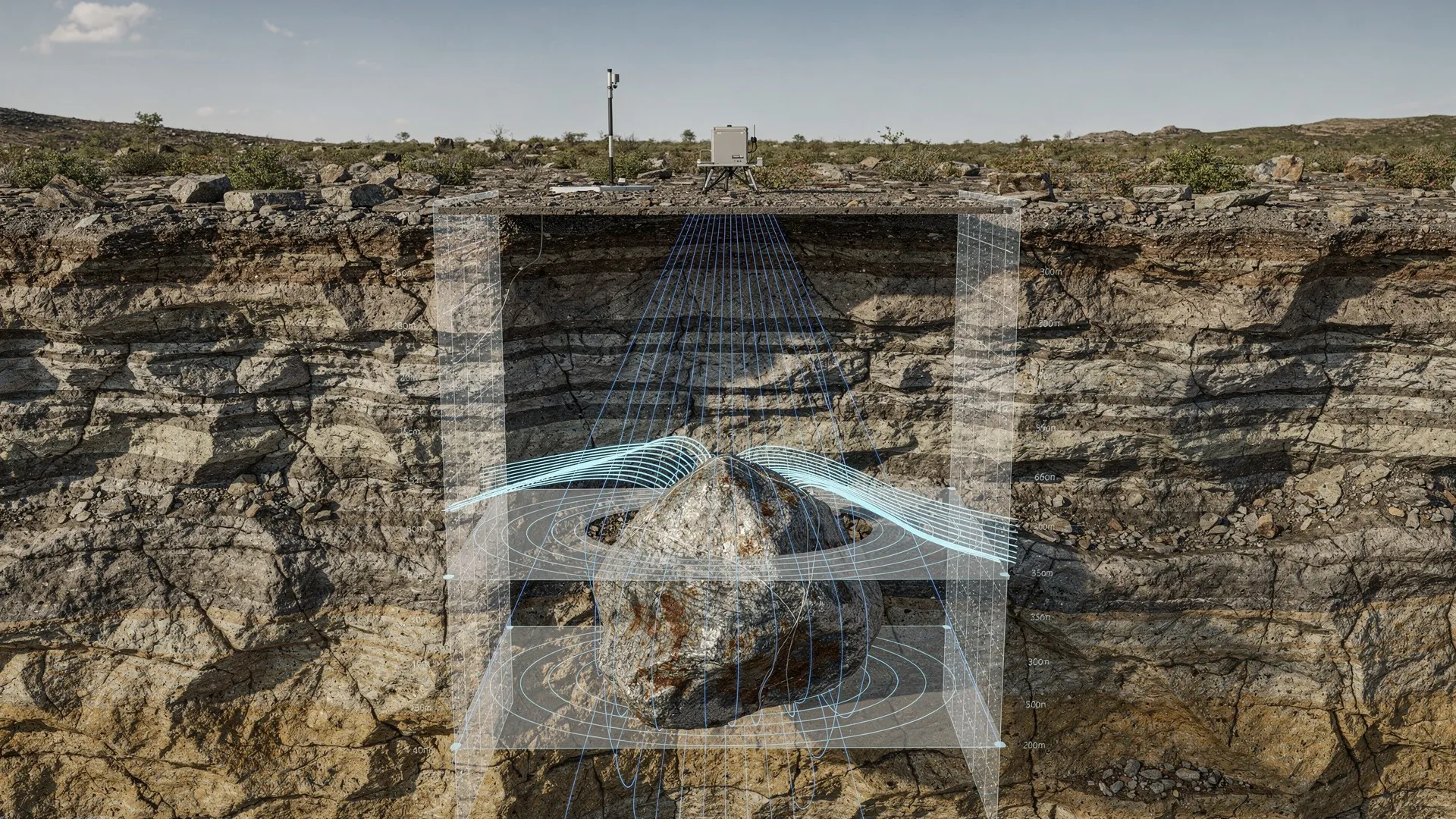
The new approach can determine the depth of an electrically conductive object with a high degree of confidence, a capability that matters for mineral exploration because such objects include certain types of ore deposits. The researchers based the method on data obtained from responses to an artificial electromagnetic field. In the first stage, the neural network was trained on 125 synthetic variants of electromotive-force signals. These signals simulated responses from sheet-like conductive objects embedded in a weakly conductive medium.
After training, the model predicted depth with an error of approximately ±15%. The technology, which can significantly speed up and simplify mineral prospecting and exploration, is important for processing and interpreting geophysical data.
The researchers plan to expand the training dataset. The larger and more diverse the data used to further train the model, the greater its potential accuracy. This kind of automation could reduce the workload on geophysicists: the neural network can quickly filter out unsuitable possibilities and flag important data that a human analyst might easily overlook.
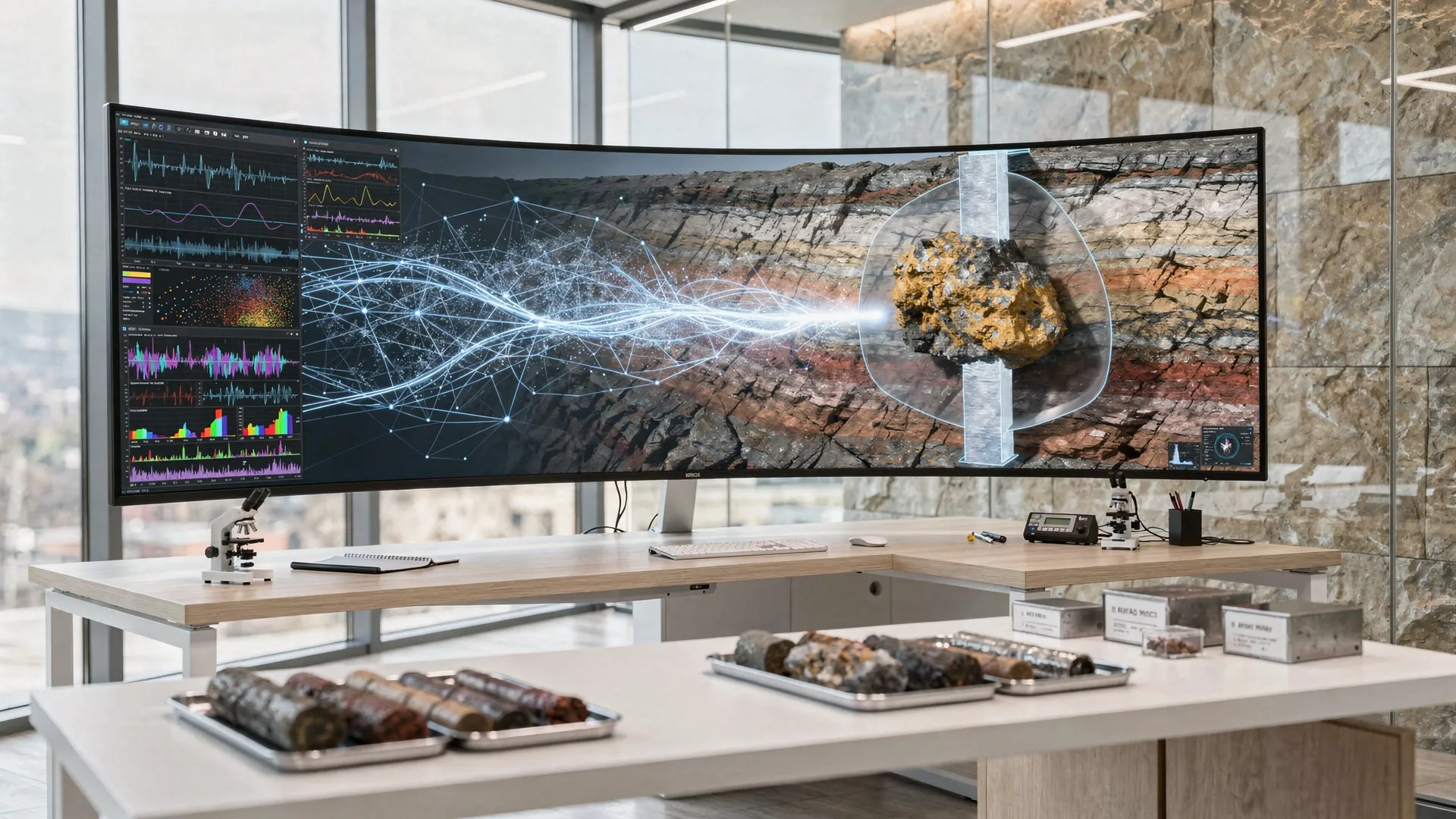
From Experimental Model to Practical Tool
At this stage, the technology remains an experimental algorithm. The developers’ immediate goal is to take the neural network from an experimental model to a tool suitable for practical use.
The work is being conducted at the Laboratory of Mathematical Modeling of Multiphysics Processes in Natural and Artificial Multiscale Heterogeneous Media at the Trofimuk Institute. The team brings together researchers in mathematical modeling, geophysics, and machine learning. In effect, the project combines advances in modern computational methods with classical geophysics. Once sufficient training data have been accumulated, the model could become a reliable assistant in real-world exploration.
The invention also aligns with the broader push to digitize geology in Russia. The resolution adopted at the 9th All-Russian Congress of Geologists specifically calls for widespread use of AI in processing and interpreting geological and geophysical data, as well as the development of Russian software systems for geological modeling. Rosnedra (Federal Agency for Subsoil Use) explicitly recommends continued adoption of AI and machine-learning technologies in geological exploration, including for mapping and forecasting solid-mineral resources.
AI Advances the Mining Industry
In 2023, researchers at RN-KrasnoyarskNIPIneft developed a neural-network algorithm that cut the processing time for a single seismic dataset from about 80 hours to seven. It was tested on real-world data from two sites in Eastern Siberia. The project is one of Russia’s clearest examples of AI in geophysics moving from research toward practical validation.
In 2025, the Trofimuk Institute developed a neural-network technology for processing surface seismic waves. Deep machine learning was used to automate construction of a velocity model for the upper part of the geological section. The algorithms were tested on real-world data from an oil and gas field in the Khanty-Mansi Autonomous Okrug.
This year, the Trofimuk Institute and oil and gas companies have already applied neural-network algorithms directly to mineral exploration. Using the new method in the southeastern part of the Yamalo-Nenets Autonomous Okrug, researchers have identified promising sites for sand and peat quarries close to existing infrastructure. The approach focuses on processing 3D seismic-survey data collected as part of deep structural and geological studies using the reflected-wave method. It combines the refracted-wave method and multichannel analysis of surface waves, followed by attribute analysis and machine learning. The algorithm is robust against noise and artifacts generated during seismic-data acquisition and does not require the neural network to be retrained for each new site.
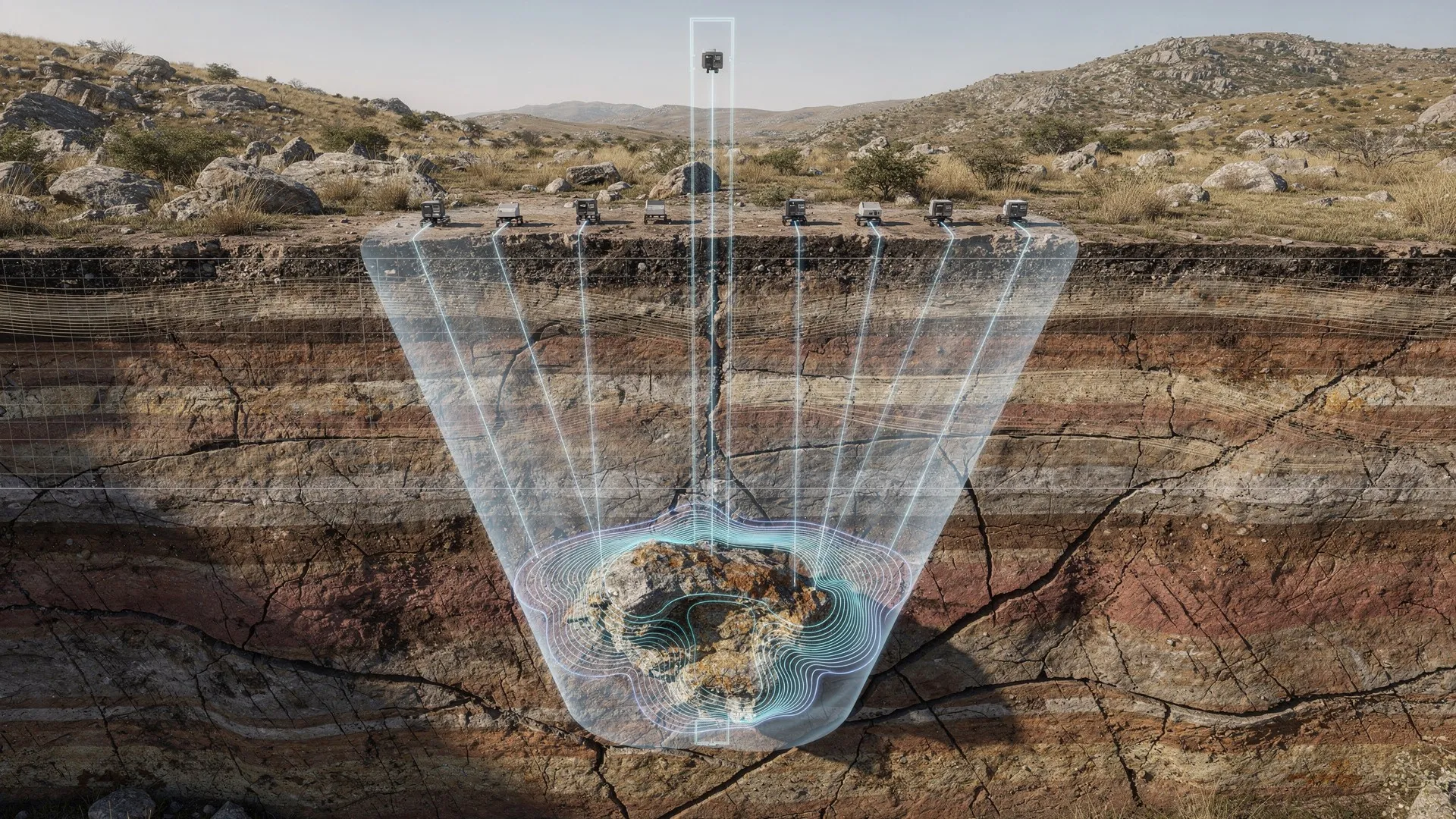
More broadly, the industry is clearly moving away from manual and expert processing of large measurement datasets toward automated analysis using machine learning. The technology developed by the Trofimuk Institute of Petroleum Geology and Geophysics follows that trajectory and contributes to the continued digitization of Russia’s mineral-resources sector.