Measure Twice, Drill Once: Russia Rolls Out 3D Surgical Guides for Precision Dental Implant Placement
Russia has launched domestic production of surgical guides for dental implantology. Customized 3D navigators improve procedural accuracy, shorten patient recovery times, and make high-tech treatment more accessible by relying on local manufacturing.
Digital Precision
At a public dental clinic in Ufa, implant placement is now performed with jeweler-level accuracy. The key is in-house production of surgical navigation guides, established within the clinic’s digital dental laboratory.
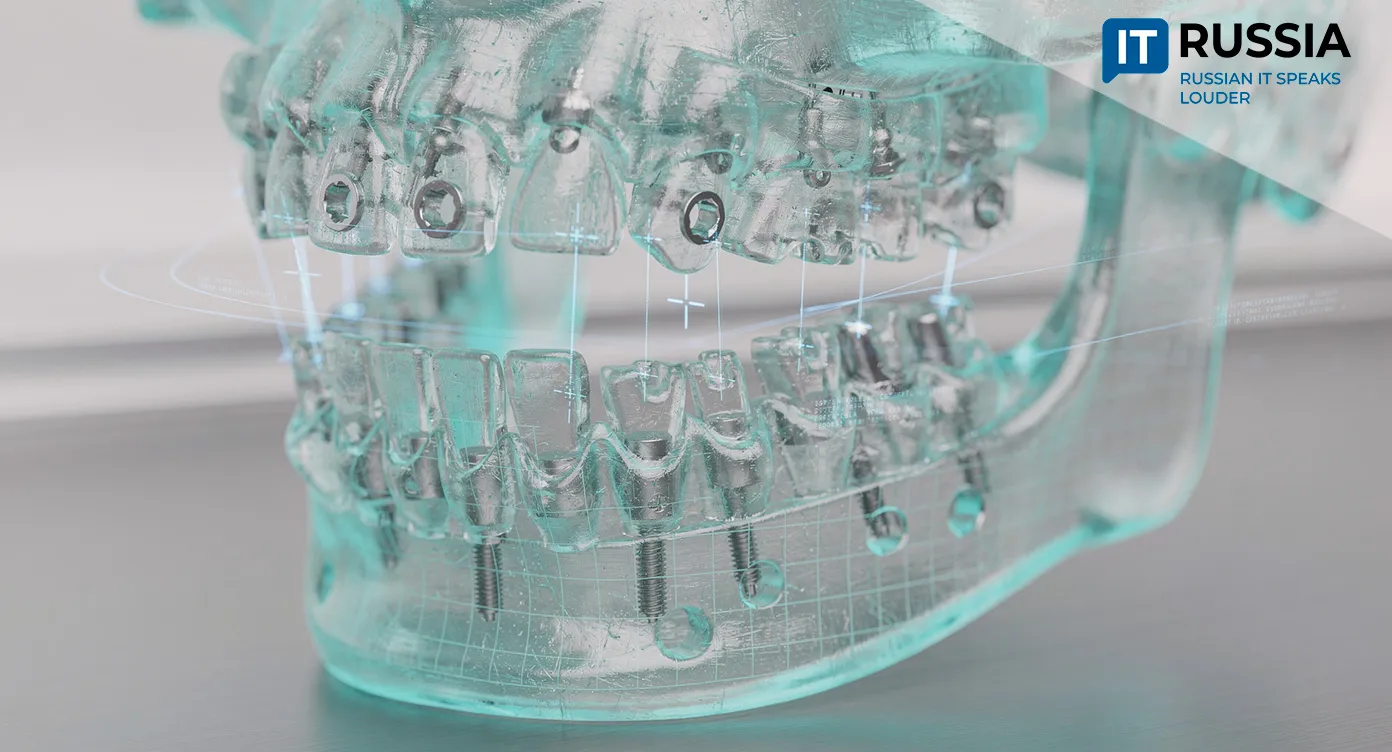
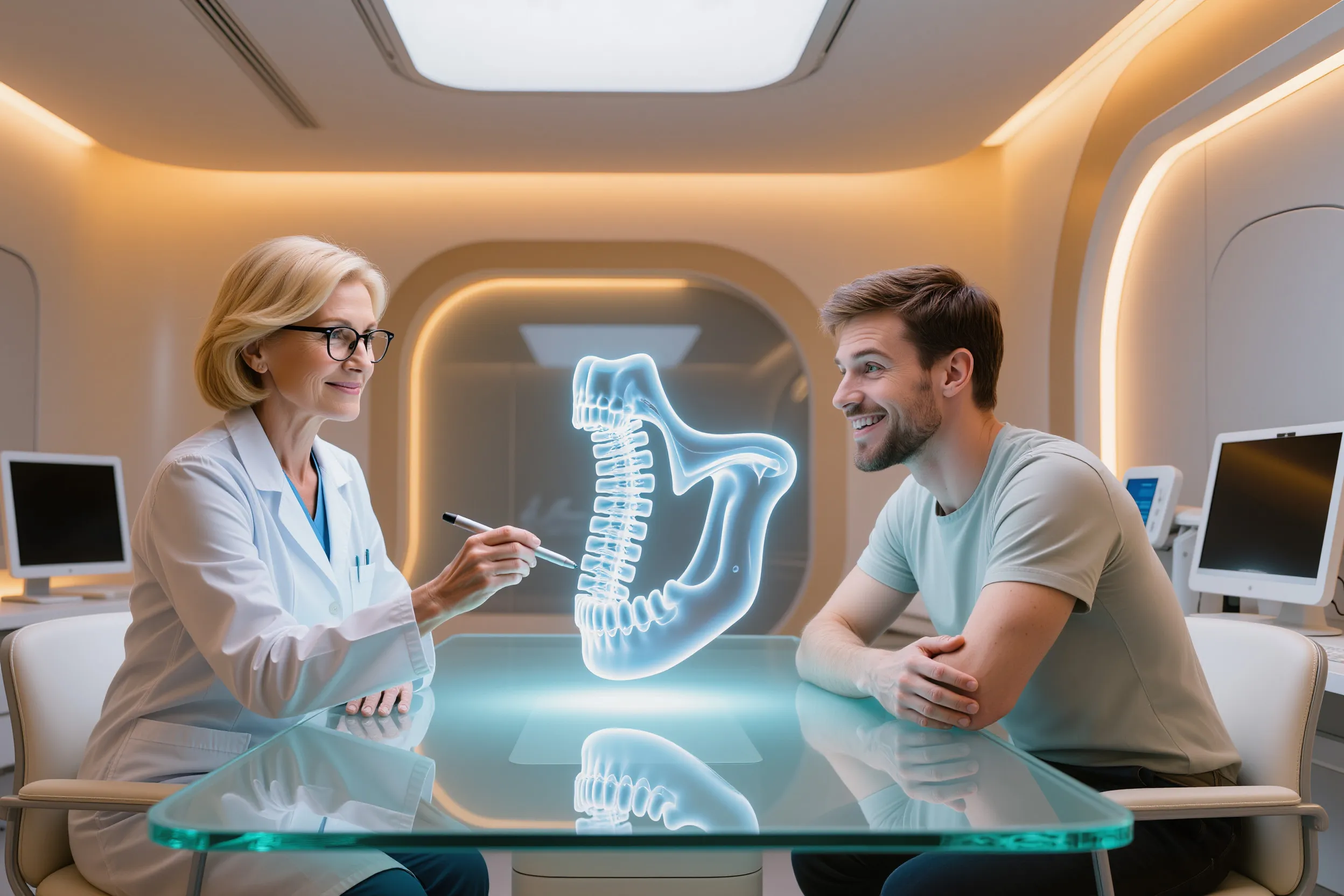
The workflow is as follows. A dentist provides technicians with a patient’s jaw impression, which is used to cast and scan a plaster model. Using specialized software, these data are then overlaid onto the patient’s CT scan, creating an exceptionally precise 3D representation.
Within this digital environment, an engineer designs a customized surgical guide with metal sleeves that indicate exactly where and at what angle the surgeon should drill. This approach minimizes the risk of error.
From Private Clinics to the Public System
Until recently, such technologies were largely confined to high-end private clinics. They have now entered a public healthcare setting. The clinic reports an increase of about 25% in implant procedures over six months. The reason is not only improved precision but also lower service costs driven by local production without markups on imported components.
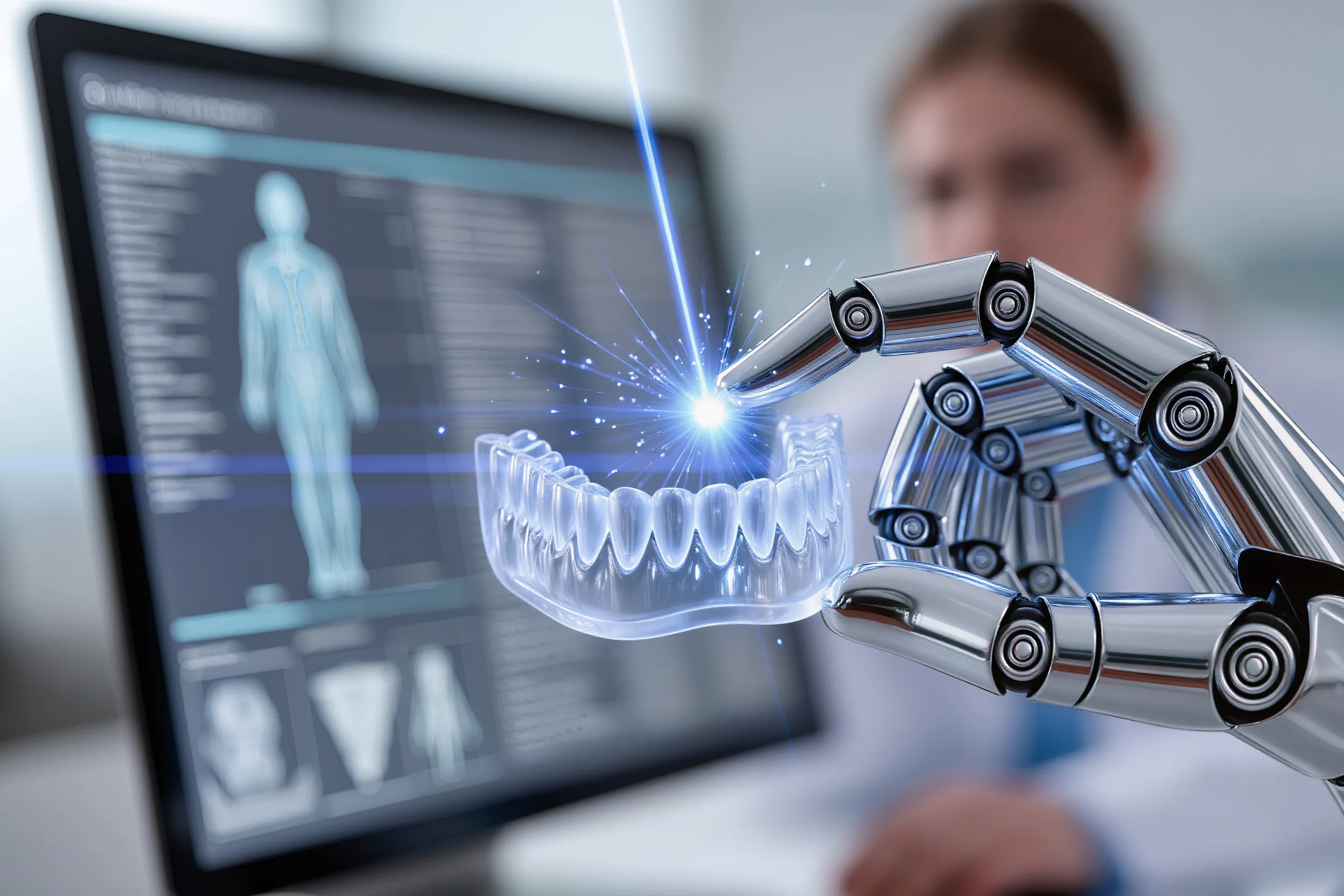
For the healthcare system as a whole, this serves as a signal that digitalization does not have to come solely from top-down, capital-intensive federal programs. It can also advance bottom-up, led by individual institutions willing to invest in skills and equipment. This pathway delivers tangible improvements in the quality of mass medical care.


The Dental Chair Is Less Frightening Now
For patients, the introduction of these guides brings several immediate benefits. First, procedures are faster and less invasive. Surgeons follow a clear plan, avoiding unnecessary incisions and trial drilling. Second, recovery time and post-operative discomfort are significantly reduced.

Most importantly, outcomes become more predictable and reliable. Implants are placed in anatomically and biomechanically optimal positions, forming the basis for long-term durability. Here, advanced technology addresses a very human need – high-quality treatment with minimal stress.
A Place in the Global Technology Landscape
The development of digital dentistry, and surgical navigation in particular, is a global trend. International studies have long shown that guided implant placement reduces complication rates and improves accuracy.
Against this backdrop, the experience in Ufa stands out not as an isolated achievement but as a successful example of integrating an advanced global standard into everyday clinical practice. It shows that Russian specialists are not only adopting worldwide trends but also finding effective models to deploy them within their own healthcare systems.
Accessible to All
Success at a single clinic sets a direction for the entire sector. The next logical step is scaling this practice to other regional dental institutions, supported by growing patient awareness of these capabilities. This will require systemic changes – updates to care standards, possible inclusion of high-precision techniques in state guarantee programs, and, critically, workforce training.
Bringing such production capabilities inside clinics naturally drives demand for new professionals – digital dental technicians and surgeons proficient in 3D planning. In this way, one technology triggers a broader chain of development.
Over the past five years, digital dentistry in Russia has moved from a niche novelty to a practical tool. Widespread use of 3D printing, CAD/CAM systems for crowns, and now surgical guides has become standard among market leaders. The next phase is democratization – extending these technologies into the public sector.