Digital Twin for the Farm
Russian mathematician Alexey Ruchay of Chelyabinsk State University presented a new concept for applying agentic artificial intelligence in livestock farming at the SCO Young Scientists Forum.

Russian IT researchers develop technologies that will enable livestock producers to analyze operational efficiency and allocate farm resources with greater precision. Artificial intelligence gives agricultural businesses a comprehensive view of production performance, helps predict overall profitability, identifies operational issues and animal diseases at an early stage, and supports timely decision-making - all of which are critical to maintaining stable livestock production.
A Human-Supervised AI System for the Farm
In late June 2026, the Shanghai Cooperation Organization (SCO) Young Scientists Forum took place in Minsk at Belarusian State University.
During the scientific conference, Alexey Ruchay, Head of the Department of Computer Security and Applied Algebra at the Faculty of Mathematics of Chelyabinsk State University, introduced a new concept for applying agentic AI systems in livestock farming. According to the researcher, the industry should move beyond simply expanding data collection systems and instead build intelligent platforms that remain under human supervision. Such systems are designed to assist people in making better decisions rather than replacing them, ensuring safe and reliable farm operations.
"We are talking about a realistic infrastructure that combines sensors, data, digital twins, multi-agent systems and security mechanisms to support resilient livestock management. Modern animal farming is no longer defined solely by productivity. It is equally connected to food security, biosecurity, feed sustainability, energy efficiency, workforce shortages and digital sovereignty. Agentic AI should be viewed as an element of technological sovereignty – creating domestic platforms for managing data, models and decision-making," Alexey Ruchay said.
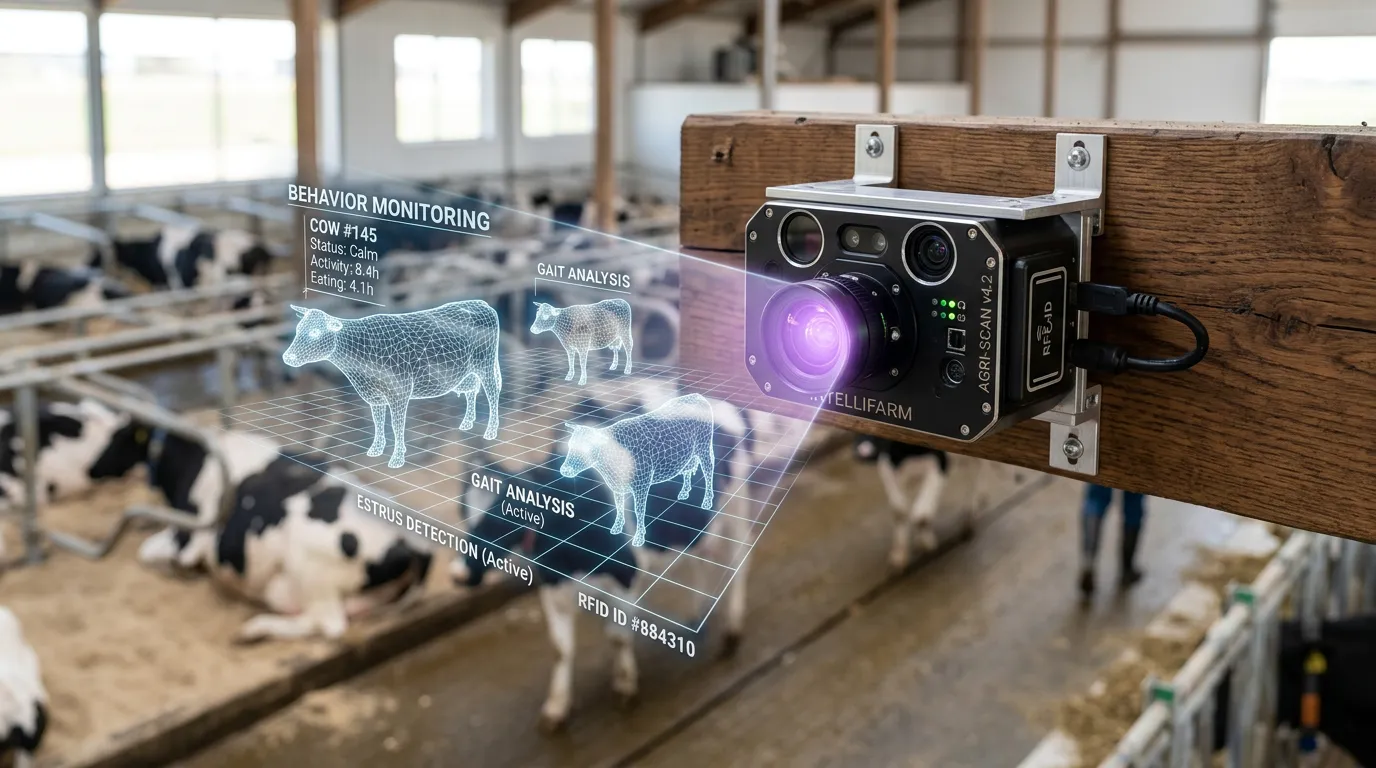
Modeling Decisions Before They Reach the Farm
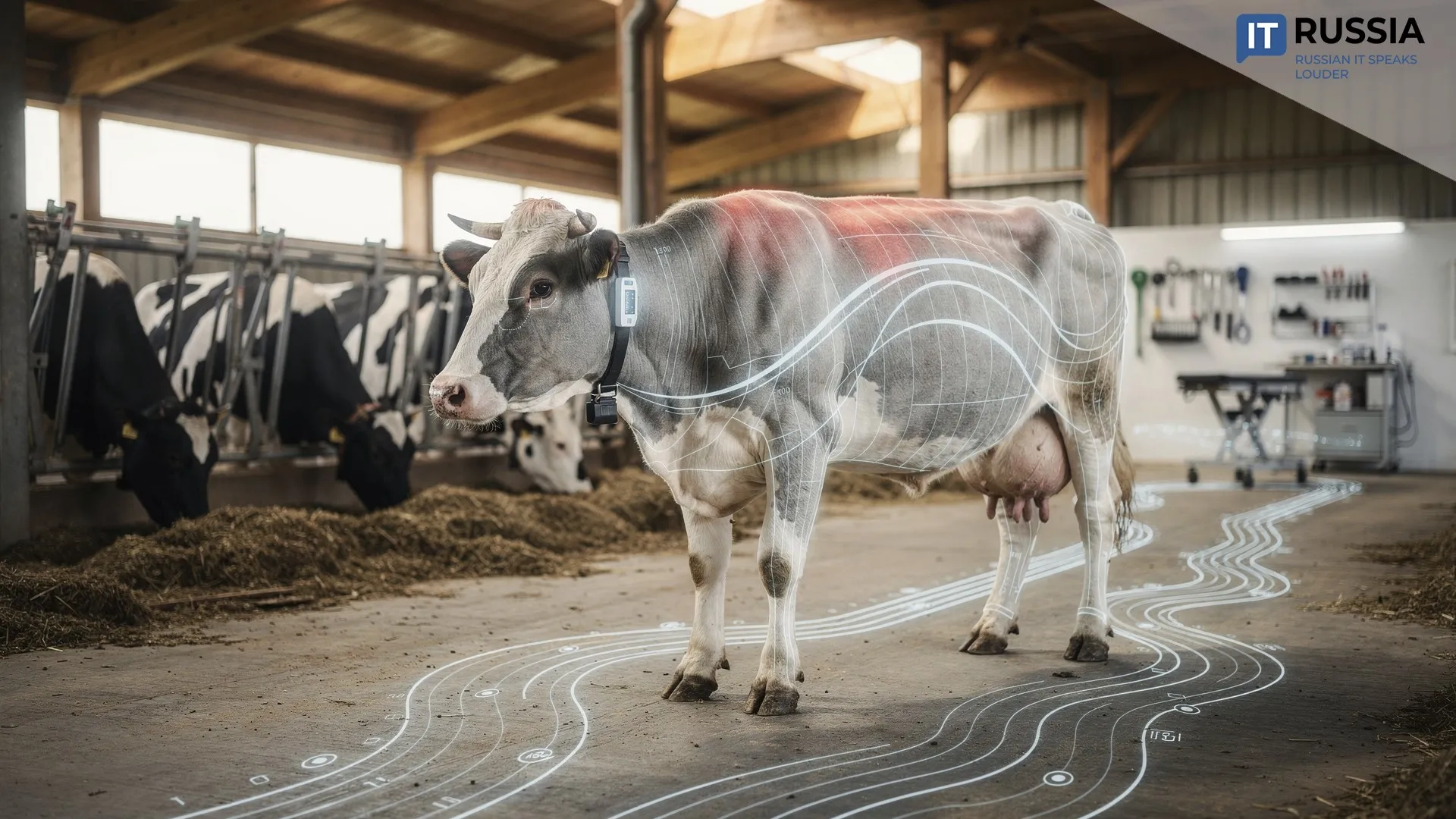
The Chelyabinsk researcher argues against the idea of fully autonomous farms operating without human involvement. Instead, he proposes integrating data from multiple monitoring systems into a unified intelligent environment while creating digital twins of livestock farms. Today, most smart livestock platforms focus on collecting and transmitting information and identifying anomalies. Few go further by recommending operational plans tailored to actual farm conditions.
A digital twin would make it possible to test future management decisions safely in a virtual environment before implementing them in the real world. Final decisions, however, would remain with people. The digital twin's role is to collect information, analyze it and propose a well-founded course of action.
The researcher compiled and analyzed data on the current adoption of digital technologies in livestock farming together with the available body of scientific evidence. In dairy farming, IT technologies show the greatest promise in individual animal health and productivity monitoring. In beef production, they are particularly valuable for monitoring grazing behavior and managing herd movement safely. In poultry farming, the strongest opportunities lie in intelligent microclimate control and advisory feeding systems. In pig production, digital twins could be especially effective for simulating precision-feeding strategies, allowing producers to evaluate different operational scenarios before putting them into practice.
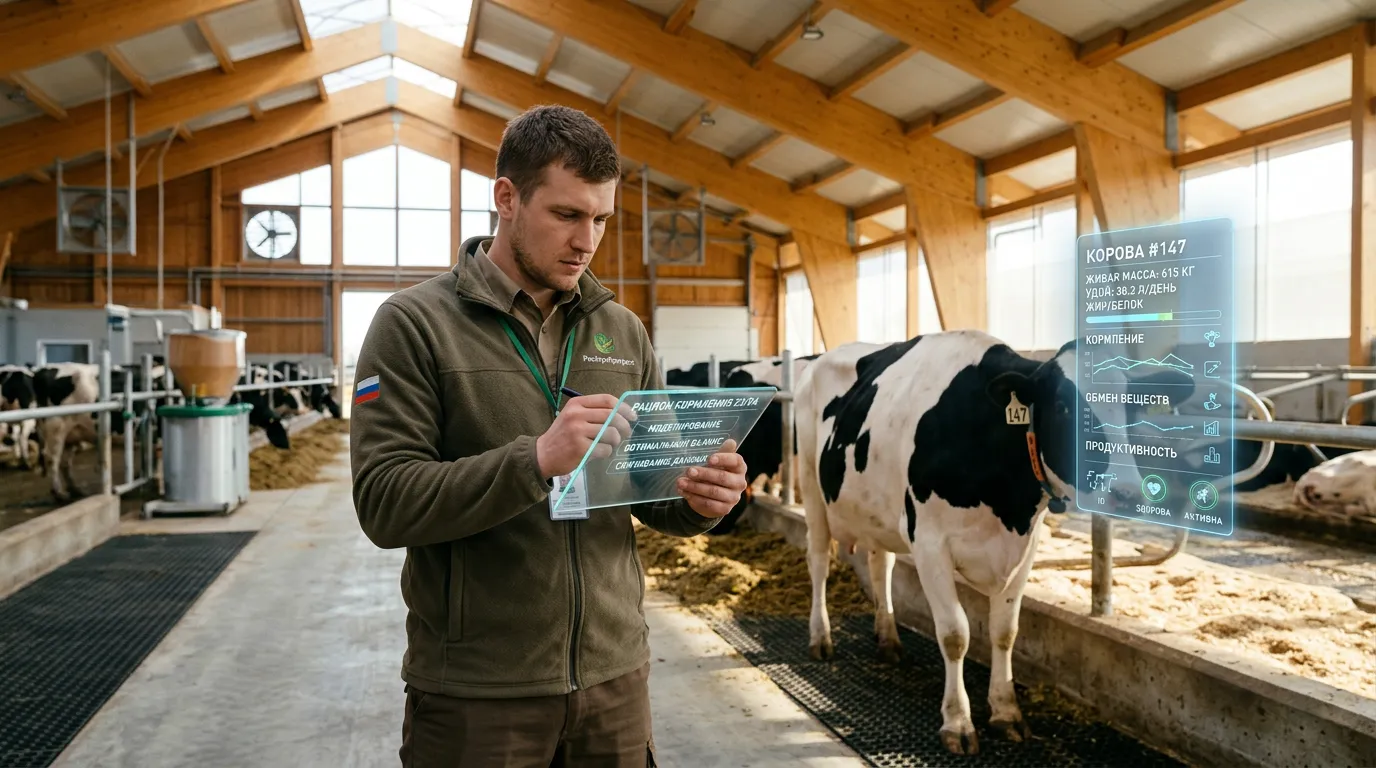
Integrated Digital Platforms for Livestock Farming
Thus, Russia's IT industry is now facing growing demand for integrated platforms combining agentic AI, the Internet of Things, computer vision and digital twins. Such platforms will increase demand for Russian-developed software, data storage systems, industrial sensors and RFID equipment.
Russia has already developed several building blocks of future smart livestock platforms. Agroholding Progress Agro is deploying AI in feed production. In the Lebedyansky District of the Lipetsk Region, an AI assistant has been introduced to analyze the health and activity of more than 4,000 dairy cows. Across virtually every region of Russia, new livestock farms are being built with autonomous feeding systems, automated watering equipment, robotic manure removal systems and robotic milking installations.
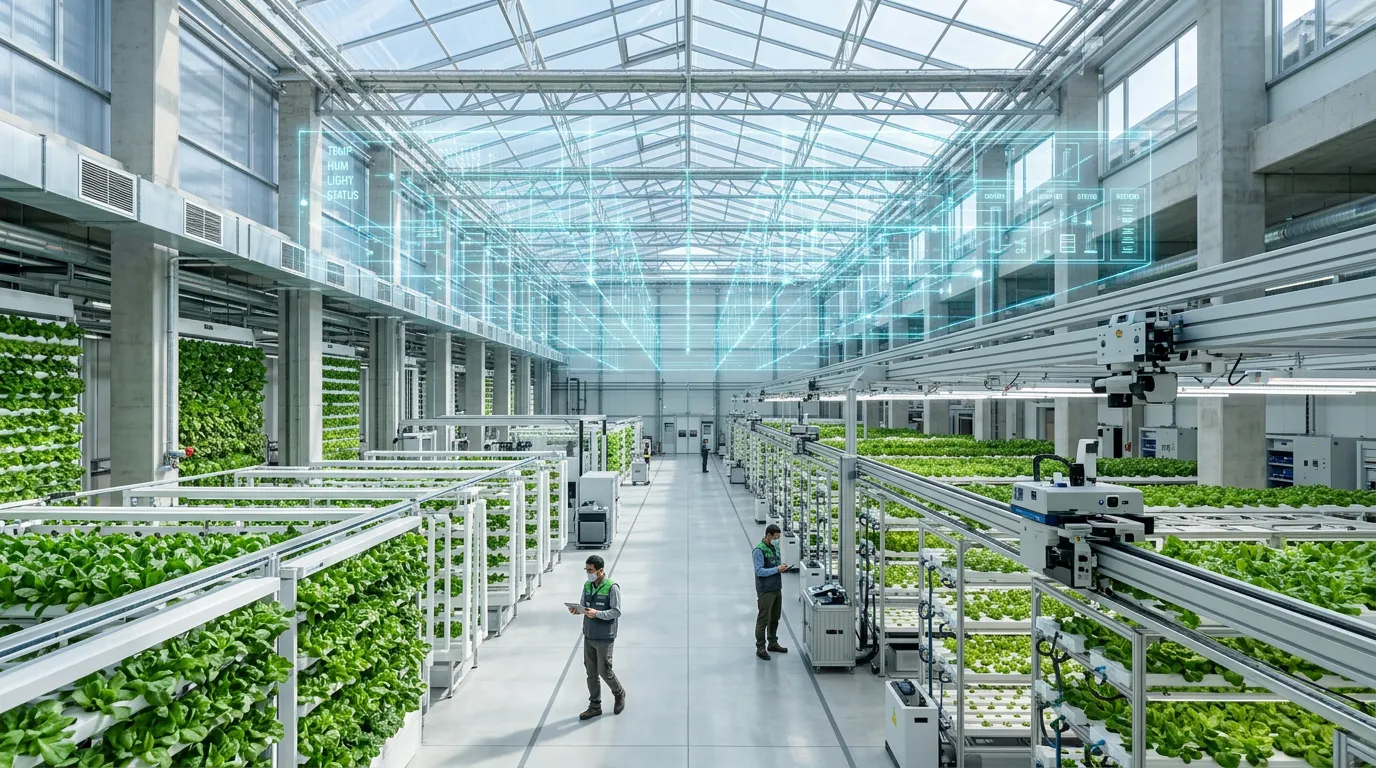
Using digital twins to analyze farm operations would enable livestock producers to improve efficiency through earlier disease detection, reduced losses and higher product quality. Over time, agentic AI platforms could be adapted for international markets and exported to countries seeking to improve livestock productivity.