Digital Twin for Marshalling Yard Reshapes Rail Logistics
Russian software developer Format koda has outlined the use of a digital twin for a railway marshalling yard, a technology designed to turn the complexity of wagon flows into a predictable operational model.
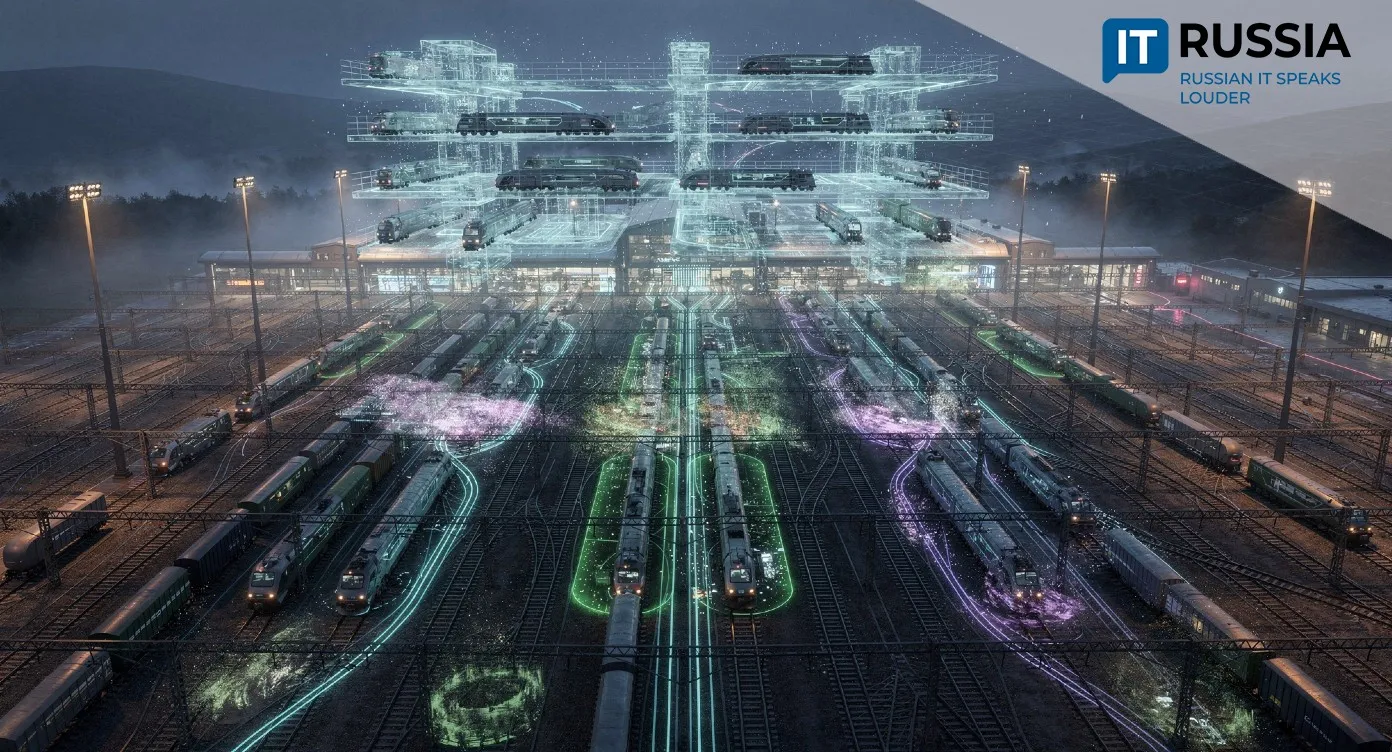
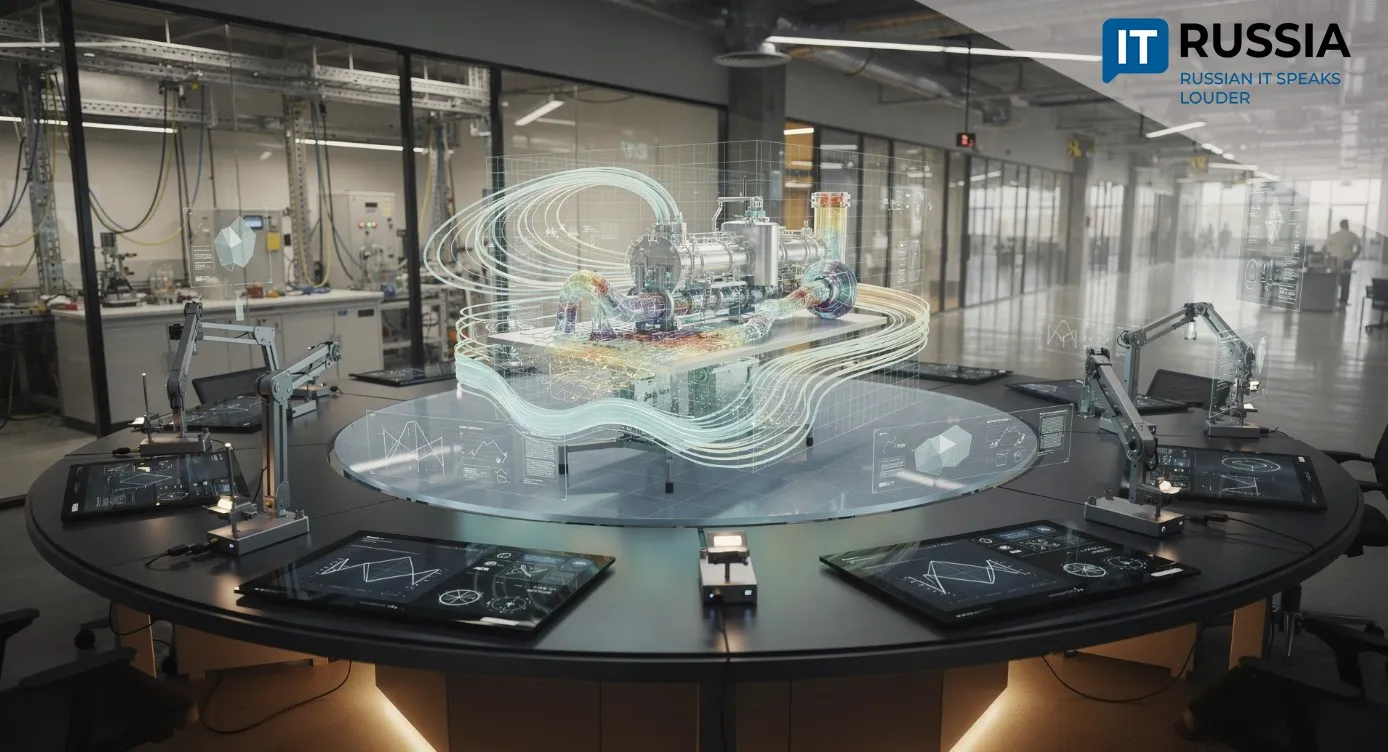
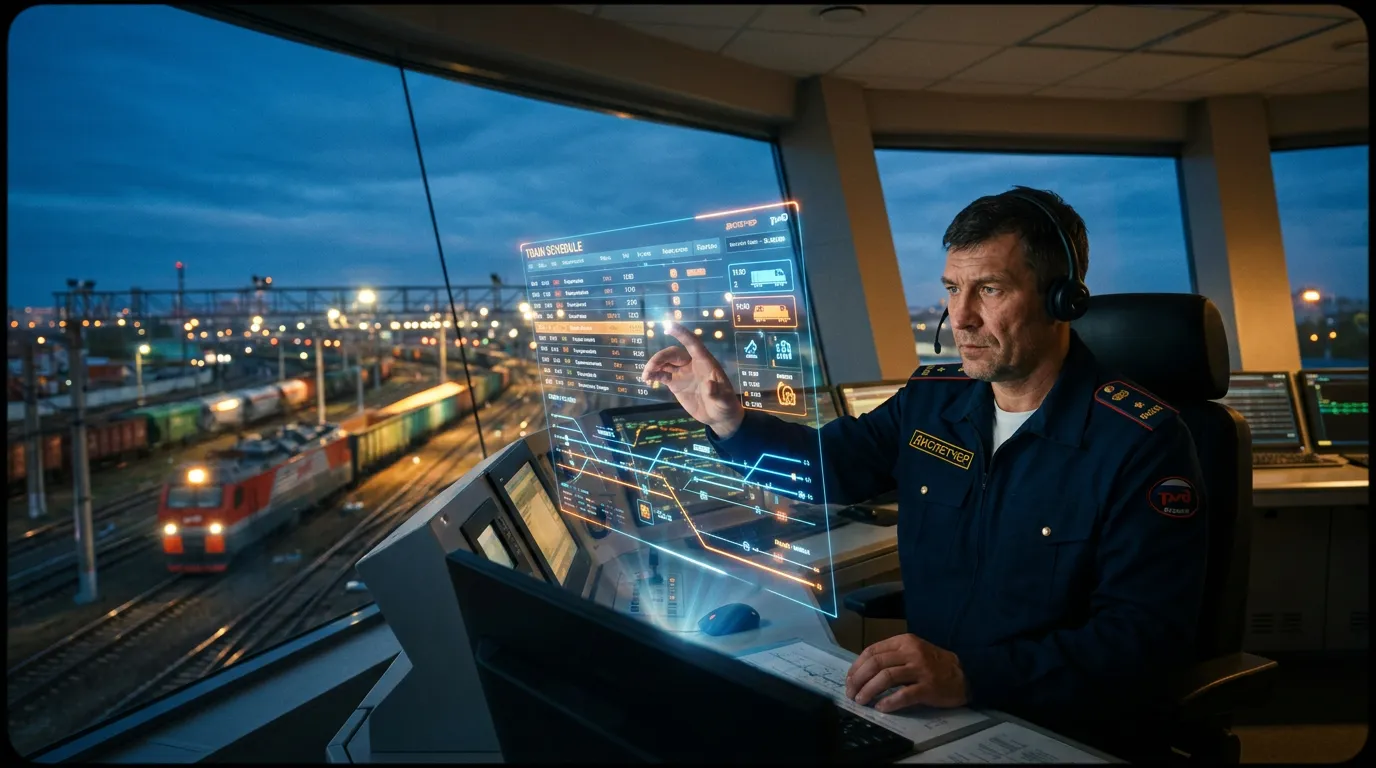
The digital twin for a marshalling yard developed by Format koda is a full-scale information system that reproduces station operations in a virtual environment, receives telemetry from field equipment, and models train movements and yard processing. The platform integrates data on rolling stock, track infrastructure, signalling systems, maintenance equipment, and workforce activities. Using this information, it calculates optimal train classification and departure schedules, forecasts delays, identifies operational bottlenecks, and provides recommendations to dispatchers, while leaving the final operational decision to human personnel.
The Direction of Railway Digitalisation
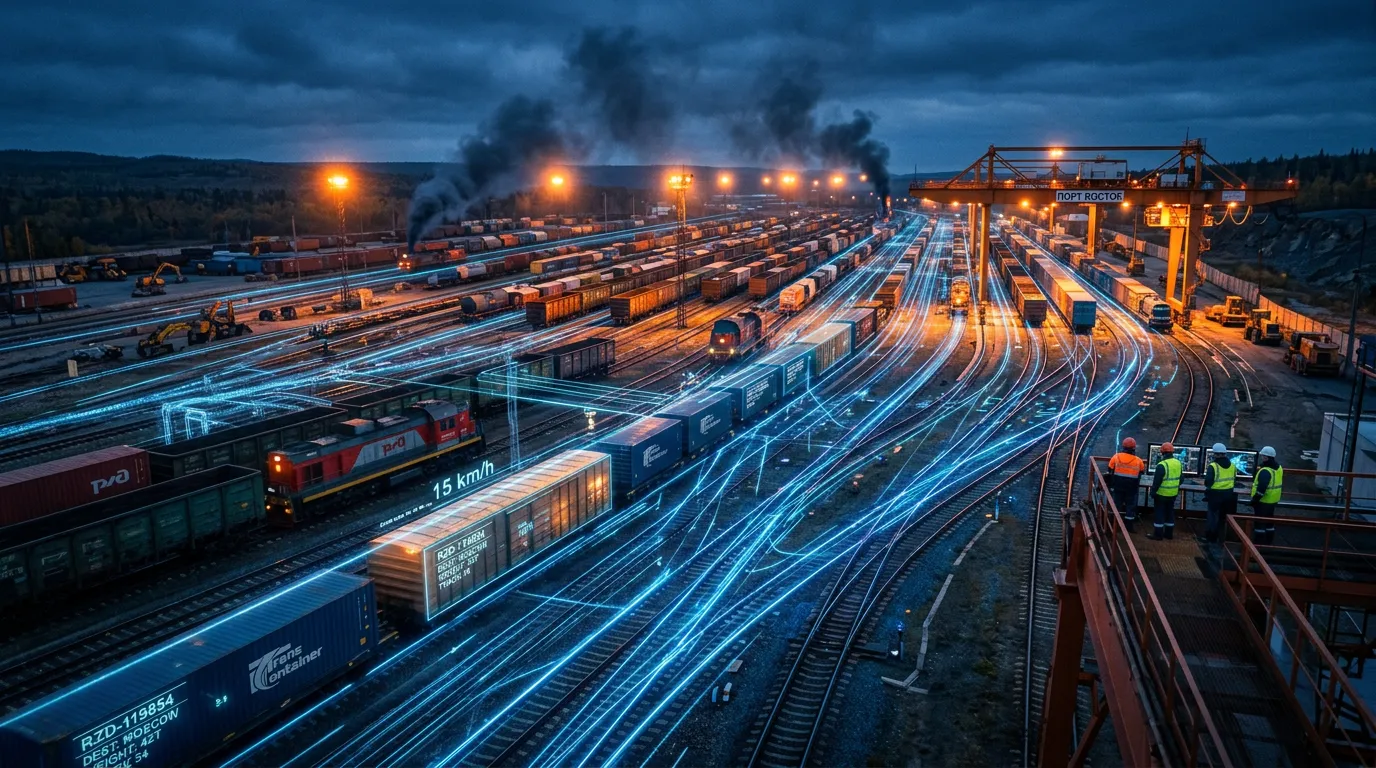
The technology's main long-term objective is to move beyond isolated digital models of individual stations and infrastructure assets toward a single interconnected digital twin covering the entire railway network. Russian Railways (RZD) already views such systems as tools for forecasting track capacity, selecting optimal train routes, estimating rolling stock operating costs, and improving operational safety. Over the coming years, digital twins are expected to evolve through automatic data acquisition from locomotives, infrastructure sensors, and machine vision systems, together with predictive maintenance capabilities and integration with autonomous locomotives. In 2026, RZD carried out integrated trials of the Tsifrovaya zheleznodorozhnaya stantsiya (Digital Railway Station) project, during which data flowed directly into the digital twin from autonomous locomotives and infrastructure monitoring systems.
The technology also has export potential, particularly for countries with extensive freight rail networks across the CIS, Central Asia, the Middle East, and Africa. Russian developers can offer solutions for the digitalisation of marshalling yards, traffic management, rail node simulation, and predictive maintenance. Successful international deployment, however, will require demonstrated operational performance, compliance with international standards, and the ability to integrate with equipment supplied by multiple manufacturers.
The Evolution of Digital Twins
As early as 2021, RZD stated that information modelling should become the foundation of a lifecycle management ecosystem covering railway infrastructure from design through maintenance. During 2022-2023, the company began systematically applying digital twins to analyse traction motor condition and support traffic planning.
In 2023, Eurosib introduced a digital twin for a container terminal. In 2025, a digital twin of the bridge across the Kola River in Murmansk Region was implemented on the Oktyabrskaya Railway. In 2026, trials of the Tsifrovaya zheleznodorozhnaya stantsiya project, together with development of a digital twin to support planning of the RZD network's future infrastructure, demonstrated that the industry is moving toward integrated digital models.
Internationally, the trend has developed in parallel. In 2021, Deutsche Bahn and Siemens unveiled an automated train in Hamburg as part of a railway infrastructure digitalisation programme. Between 2022 and 2025, Estonian infrastructure manager Edelaraudtee and its partners developed a digital twin of the railway traffic management system. Between 2023 and 2025, Alstom used a digital twin of Britain's rail network to model fleet operations and support maintenance decision-making. Against that backdrop, the Russian project reflects the broader global transition toward intelligent rail logistics.
When Digital Twins Become the Industry Standard
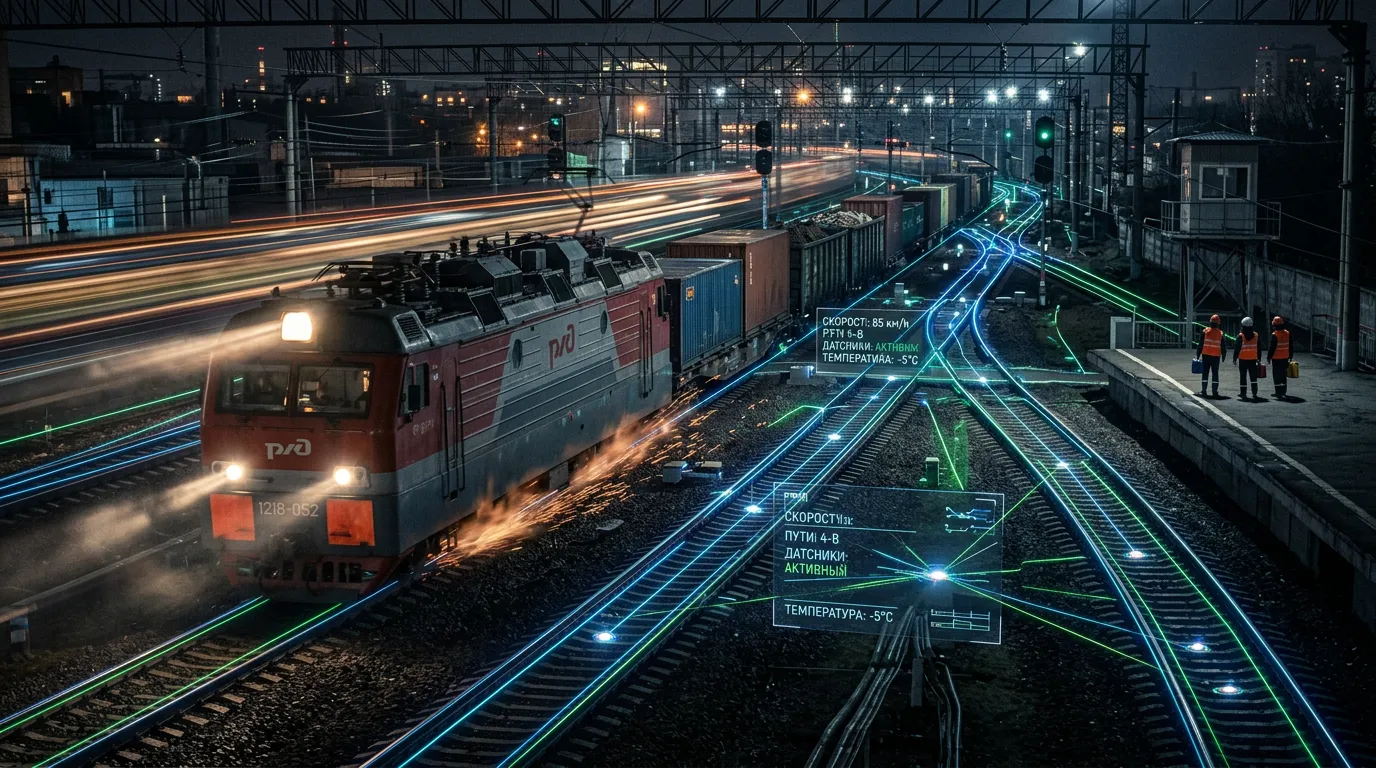
A marshalling yard digital twin is a decision-support tool rather than a replacement for the dispatcher. Its value lies in combining telemetry, timetables, infrastructure data, and simulation algorithms within a single operating environment. The greatest benefits are expected at major marshalling yards and heavily congested sections of the railway network, where even modest reductions in dwell times can generate substantial operational savings.
The technology is likely to evolve in Russia through the gradual integration of digital models covering stations, terminals, rolling stock, and infrastructure assets. As a result, the digital twin is no longer an experimental concept but an operational component of railway logistics. As more stations gain their own virtual operational model, freight rail transport is expected to become increasingly predictable, efficient, and reliable.