Digital Training for the Power Sector: Russian-Belarusian Project at Gomel CHP-2
Personnel at Gomel CHP-2 will be trained using a specialized computer simulator developed by the Jet Engineering and Technical Center and Belenergoremnaladka. The Russian company is one of the world’s leading developers of such systems.
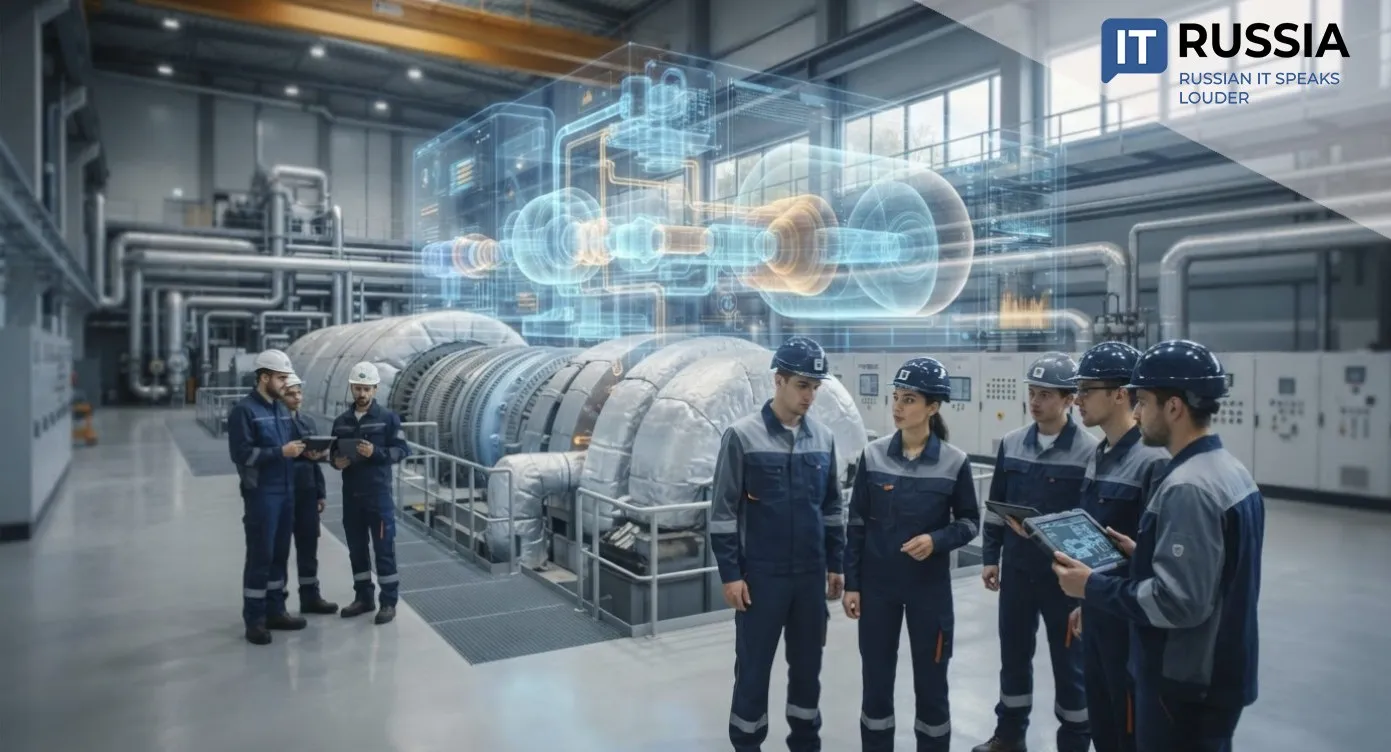
Gomel CHP-2 is the largest power plant in Belarus’ Gomel Region. It has an installed electrical capacity of 544MW and a thermal capacity of 1,320Gcal/h. The combined heat and power plant supplies heat to residential and social facilities across the city as well as major industrial enterprises. Operating a facility of this scale requires highly qualified personnel who can respond quickly to abnormal situations. Practicing every necessary skill at an operating plant without creating additional risk is impossible, which is where specialized simulators come in.
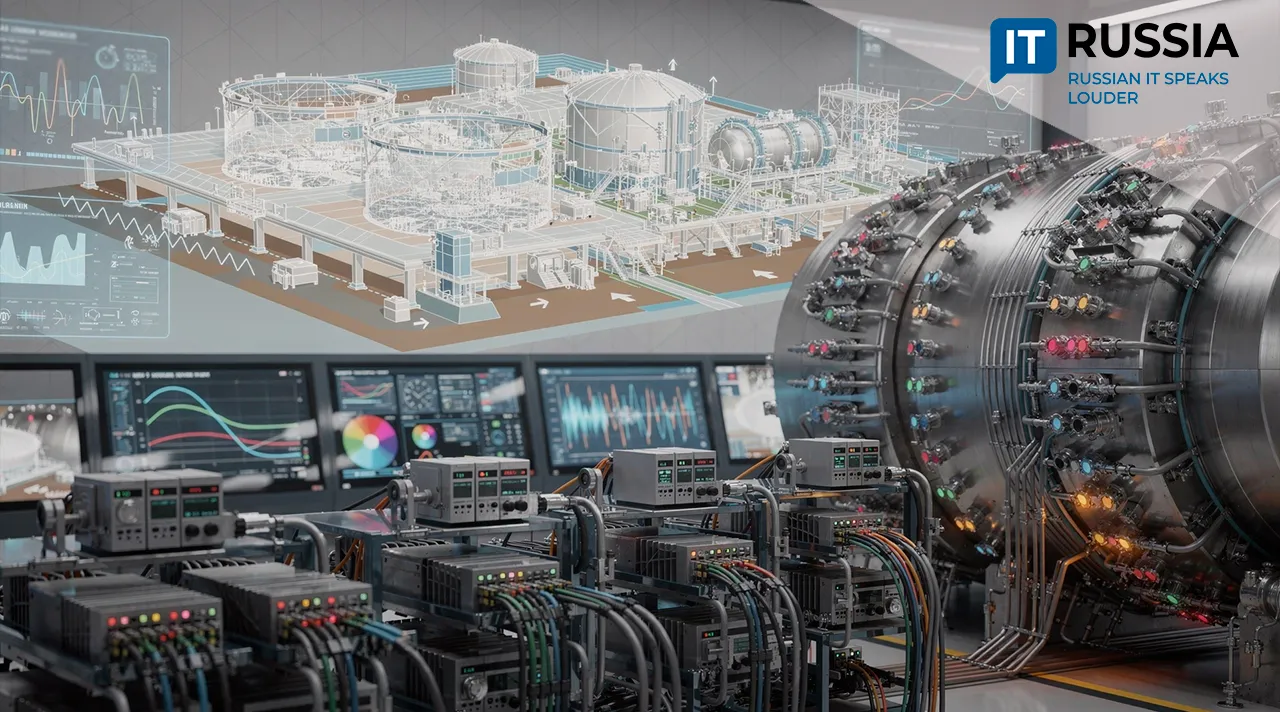
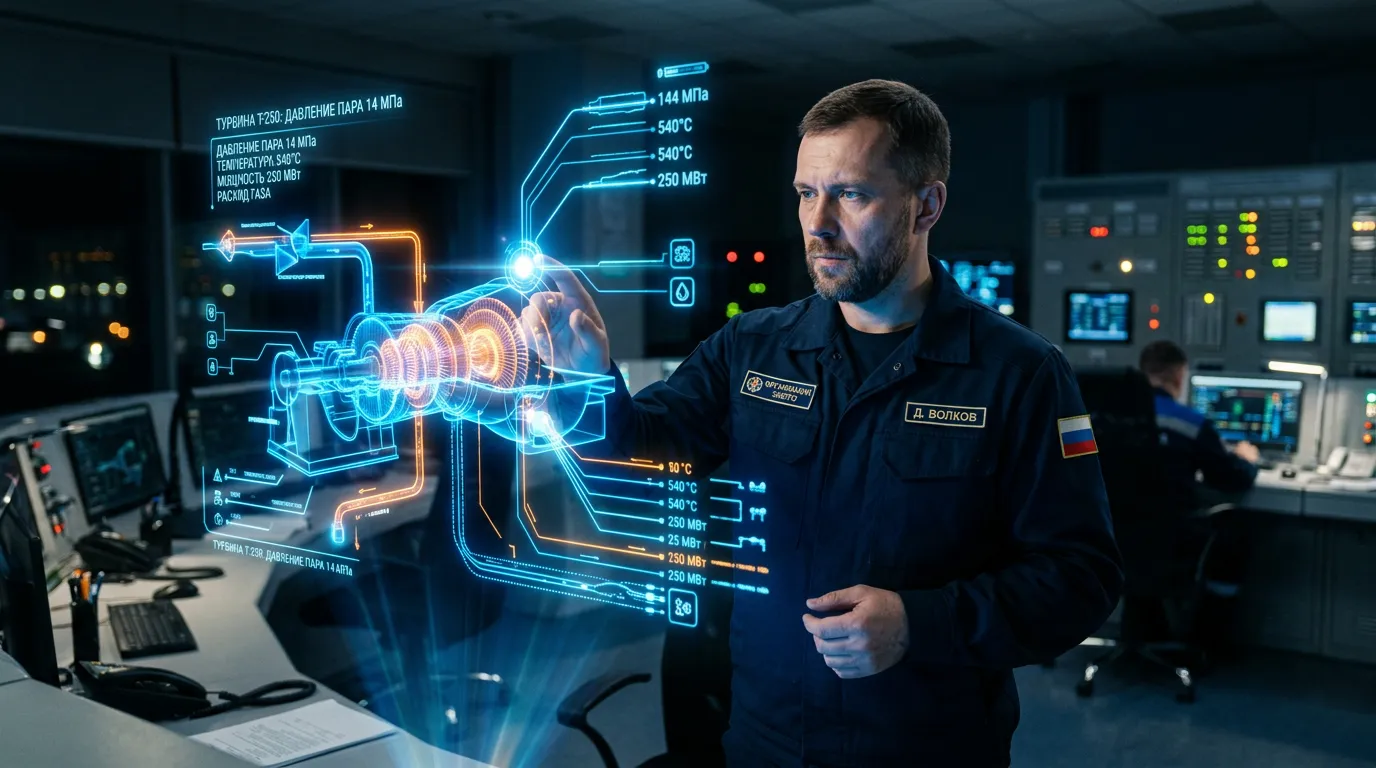
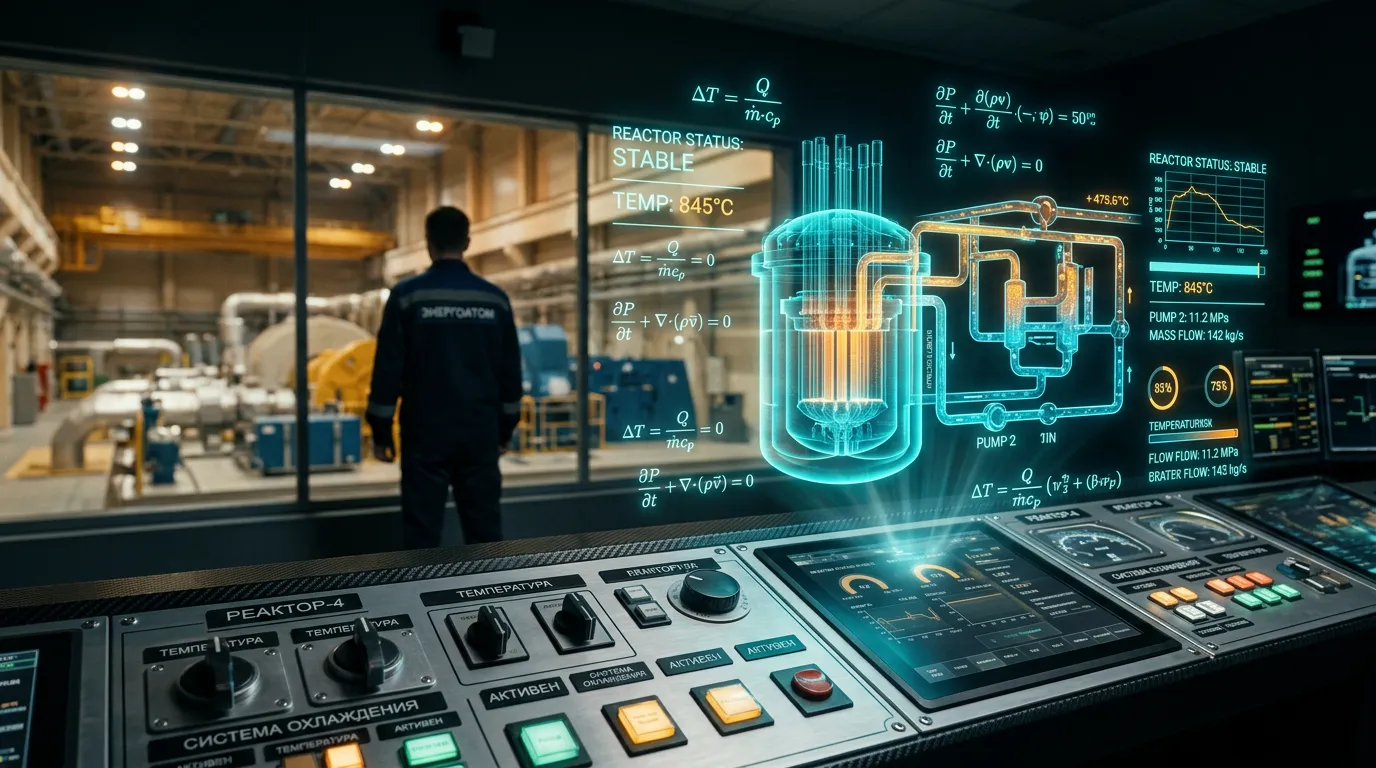
Jet Engineering and Technical Center, part of the Rusatom Service group, is one of the world’s leading developers of such systems. Its core specialization is building simulators for nuclear power plants, combined heat and power plants, and hydroelectric power plants. Each simulator is custom-built for a specific power plant. It reproduces the control room and operator workstation in almost every detail: panels, control consoles and alarm indicators match those at the actual plant. According to the developers, even the typefaces used for labels are replicated. The goal is to let personnel practice procedures until their responses become automatic.
The most complex part, however, lies in the algorithms that make the simulator work. Developers create a mathematical model of the nuclear or combined heat and power plant’s operation. Algorithms simulate turbines, valves and other equipment, along with the physical processes taking place deep inside the plant. All of this happens in real time. The project at Gomel CHP-2 is expected to improve personnel skills, helping them operate the plant reliably, safely and efficiently.
More Power Plants Are Next
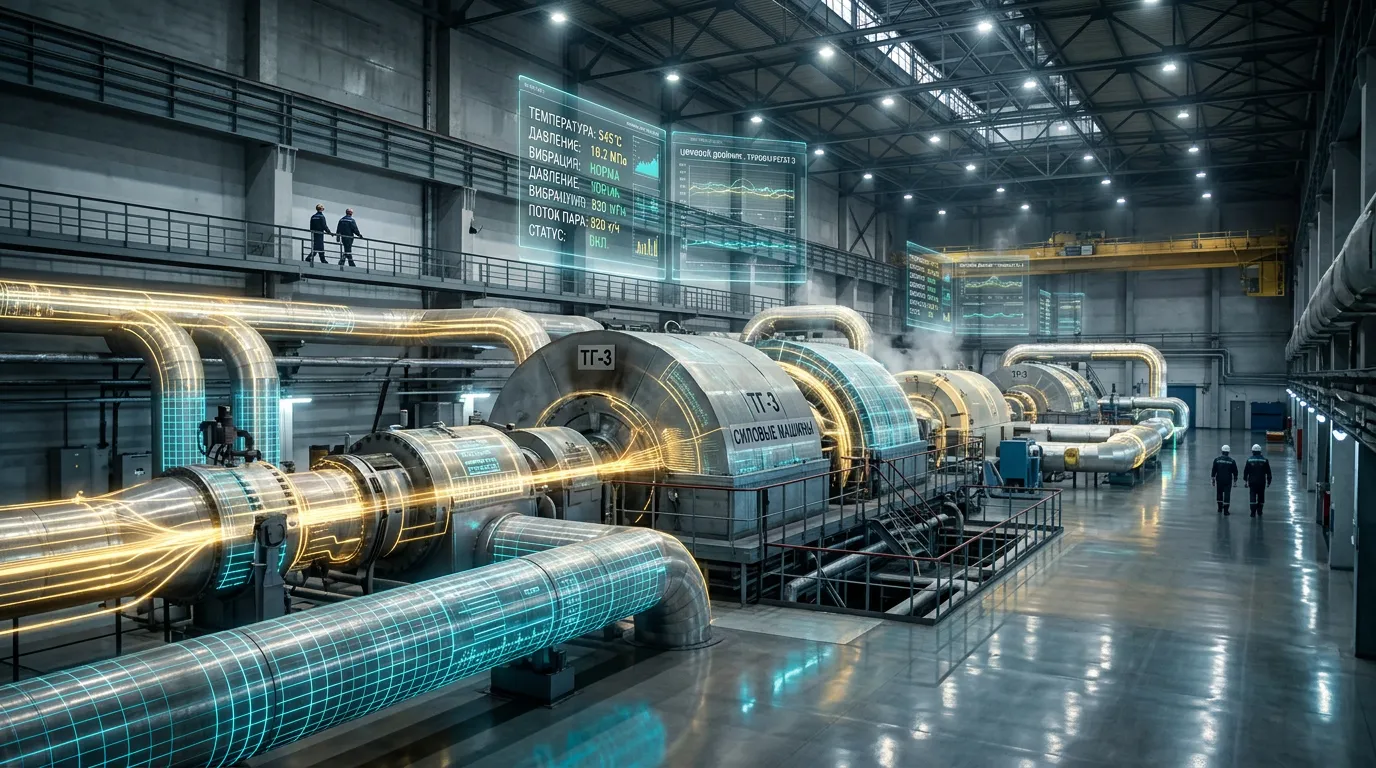
The Gomel CHP-2 project is another step in Russian-Belarusian cooperation on power plant simulators. Jet Engineering and Technical Center systems are already used at the Belarusian Nuclear Power Plant, Minsk CHP-4 and Mozyr CHP. Students at Belarusian National Technical University also train on Russian-made simulators.
Deploying Russian high-tech systems in Belarus helps strengthen Russian-Belarusian cooperation and the digital sovereignty of the Union State. Jet Engineering and Technical Center plans to equip another 11 power plants in Belarus with simulators.
From Russia to China and India: The Global Reach of Power Plant Simulators
Jet Engineering and Technical Center has worked in the simulator industry for more than 30 years. The company has produced virtually all simulators currently operating at Russian nuclear power plants, as well as those at plants built abroad by Rosatom (State Atomic Energy Corporation Rosatom). Two simulators, for example, have been supplied to China, with one each delivered to India, Belarus and Bangladesh.
A major milestone in the company’s development came when it joined Rusatom Service in 2020. The move gave Rosatom key expertise in simulator development and nuclear power plant process modeling, helping the corporation meet its commitments in international markets. Rusatom Service also took on further promotion of the Russian technology, allowing Jet Engineering and Technical Center to focus directly on developing and improving its simulators.
In January 2026, a digital simulator was commissioned at Minsk CHP-4. Developed jointly with Belenergoremnaladka, the system has no equivalent for comparable power plants in the CIS. It features interactive touch panels and allows personnel to practice responses to both normal and abnormal operating conditions in a virtual environment.
Export Potential for Russian Software
The Gomel CHP-2 project once again demonstrates the high level of expertise Russian engineers have developed in this field. Over its years in operation, Jet Engineering and Technical Center has deployed 100 simulators for nuclear, thermal and hydroelectric power plants worldwide. Systems installed at nuclear power plants meet all International Atomic Energy Agency requirements.
For Russia’s IT industry, this is an important example of exporting mathematical modeling technologies and specialized industrial software. No more than 10 companies worldwide develop and manufacture simulators of this kind, and Jet Engineering and Technical Center is a global leader in supplying such systems for nuclear power plants.
Meanwhile, the company continues to expand its capabilities. In 2026, it plans to begin international projects to develop digital twins for power facilities in Belarus and India.