Digital Simulator Helps Logistics Companies Master Electronic Transport Waybills
Loginet has launched the ETRN Simulator, a dedicated training platform designed to help freight transportation companies prepare for Russia's transition to mandatory electronic transport waybills.
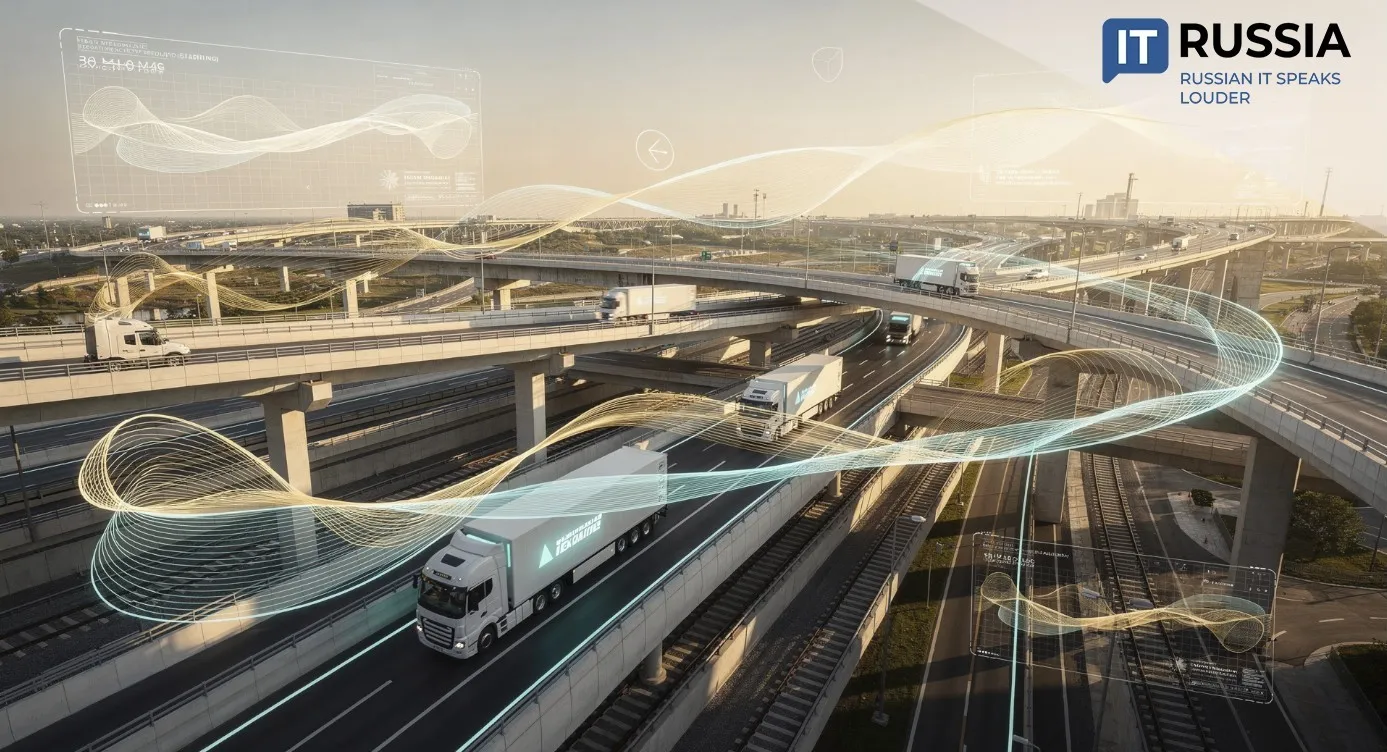
Beginning September 1, 2026, Russia's freight forwarding companies and cargo owners will face a fundamental shift in how they manage transportation documentation. Electronic transport waybills (ETRNs) will become mandatory for shippers, carriers, freight forwarders, and cargo recipients. The new requirement applies to road, rail, and air freight. The following documents will be issued exclusively in electronic form: transport waybills, freight transportation orders and requests, freight forwarding documents, rail freight waybills, and air cargo waybills.
Time to Prepare for Digital Freight Documentation
Companies will not face penalties for failing to use ETRNs until March 1, 2027. That said, the grace period should not be viewed as a reason to delay. Regulators are giving the freight transportation industry additional time to prepare for one of the sector's most significant digital reforms.
In fact, the transition away from paper transport documentation has been anticipated for several years. Preparations for electronic freight documents began as early as October 2020 and have been widely covered by industry media.
The initiative initially began as a pilot project launched by Russia's Ministry of Transport. Market participants exchanged ETRNs through electronic document management (EDM) operators, while supervisory authorities, including the State Traffic Safety Inspectorate (GIBDD) and Rostransnadzor, evaluated the process using a dedicated testing information system. In 2022, ETRNs became available for voluntary adoption, although they were not yet mandatory. Many forward-looking companies began the transition at that stage. According to the Ministry of Transport, by July 2026 approximately 43.5-44 million electronic transport documents had been processed through GIS EPD (State Information System for Electronic Freight Documents), with monthly volumes exceeding two million.
That voluntary period ends on September 1, 2026. Companies now have just six months before enforcement begins to complete technical preparations and train their staff to work with ETRNs. Delaying the transition is no longer an option.
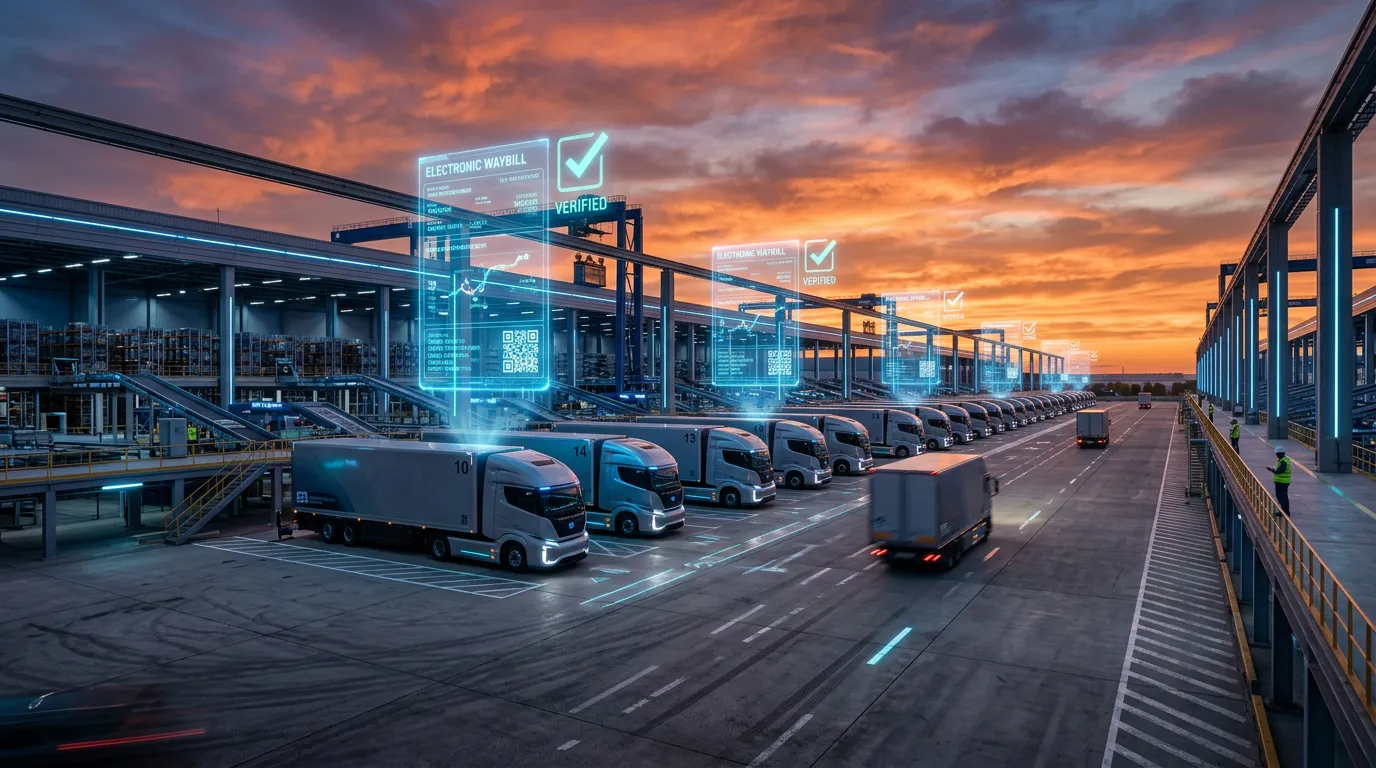
Free Training for Working with ETRNs
Many Russian freight transportation companies still have only a limited understanding of what ETRNs are, how they should be implemented, and how day-to-day operations will change. This is particularly true among small and medium-sized businesses, where many owners postponed the move to digital documentation until the last possible moment. Meanwhile, GIS EPD will begin collecting operational data on a routine basis starting September 1, 2026. Although companies will not immediately be fined for failing to use ETRNs, ignoring the new requirements entirely increases the likelihood of regulatory inspections.
To help market participants master the new digital document workflow, Loginet has made its dedicated ETRN Simulator freely available. The name reflects the platform's purpose: it is designed specifically to help transportation companies prepare for mandatory electronic transport waybills. Shippers, carriers, freight forwarders, and cargo recipients can simulate complete supply chains and practice signing ETRNs in an isolated training environment with no connection to external systems. No information is transmitted to GIS EPD, eliminating regulatory risks during the learning process.
The platform supports testing of virtually every stage of digital document processing. That includes end-to-end Transportation Management System (TMS) workflows covering document creation, routing, and data validation within logistics management systems. Users can also simulate freight forwarding scenarios involving complex transportation chains, including generation of the first document title by the freight forwarder and automatic inclusion of the cargo owner as an observer. The simulator also enables organizations to test digital access rights for every participant across the supply chain. In practice, companies can rehearse the entire end-to-end workflow before moving into production.
Who Benefits?
Although implementing electronic freight documentation requires investment in upgraded carrier IT systems and employee training, the long-term benefits extend to every participant in the transportation process.
Carriers will accelerate document processing, which often experiences lengthy delays when handled on paper. Once electronically signed, documents become immediately available to every authorized participant, reducing the time between delivery completion and payment. Organizations also eliminate expenses associated with paper, printing, toner cartridges, courier services, and physical document storage. According to industry estimates, digitalization can reduce logistics costs by more than 16%. Electronic documents cannot be lost or physically damaged. Equally important, businesses gain greater transaction transparency because every participant works from the same document in real time, significantly reducing opportunities for fraud.
Russia's IT industry also gains an entirely new market segment that will continue to expand, creating sustained demand for enterprise digital products supporting electronic freight document management.
Finally, government agencies gain greater visibility into freight transportation activities. Data from ETRNs is automatically transmitted to GIS EPD, giving regulatory authorities, including the Federal Tax Service, centralized online access to transportation information. This helps eliminate gray-market business practices, supports fair competition, and reduces the shadow economy. It also increases government revenue. Just as importantly, the growing digital database of freight flows will provide valuable insights for analyzing transportation markets and planning future logistics and infrastructure development.