MIPT Robots Learn Not to Fear Complex Routes
Physicists at the Moscow Institute of Physics and Technology have developed an algorithm that allows autonomous vehicles and robots to move toward a target safely without being overly cautious.
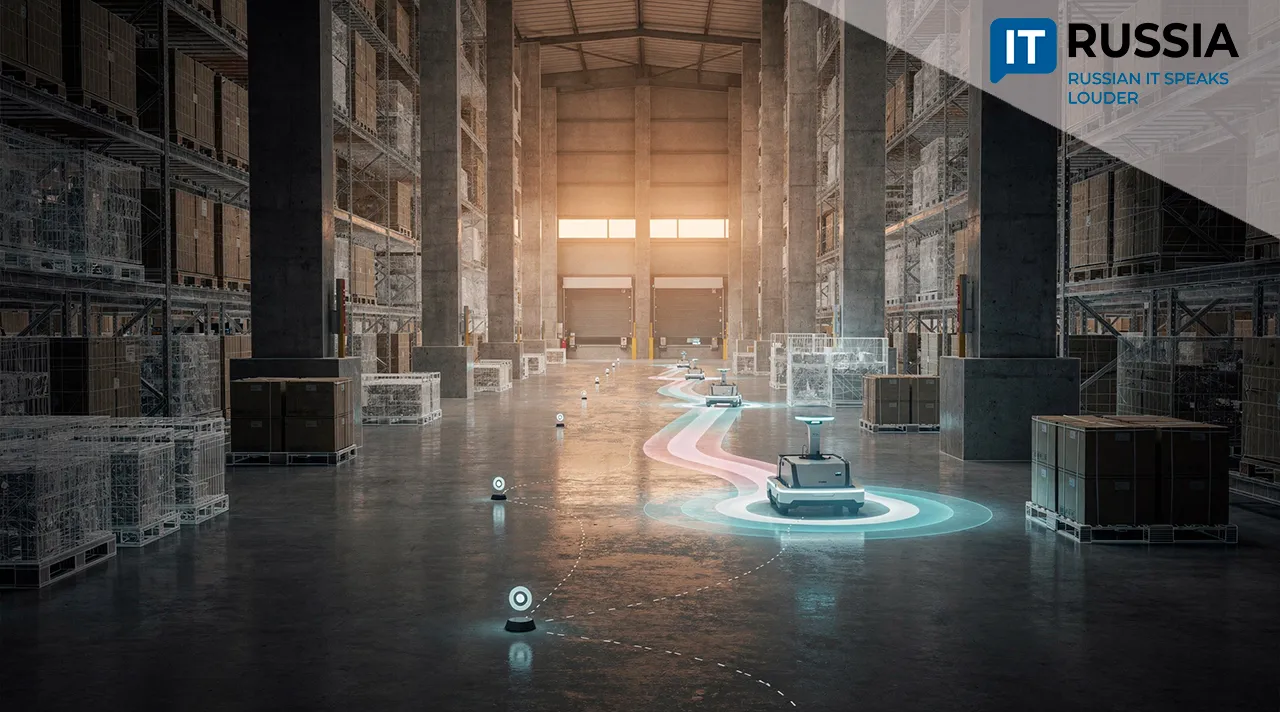
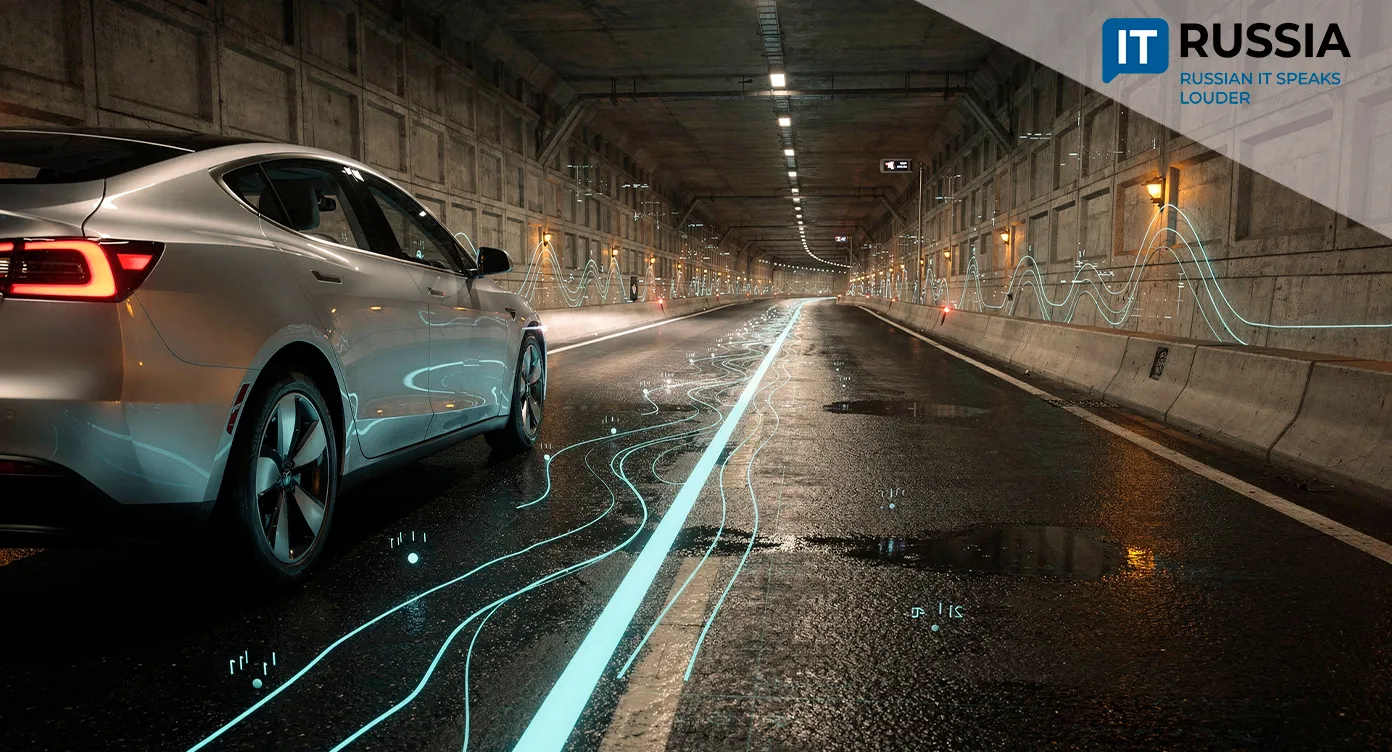
Researchers at the Moscow Institute of Physics and Technology (MIPT) have developed the SG-Safe algorithm for safe autonomous navigation of robots and self-driving vehicles. The technology is part of Safe Reinforcement Learning, an approach that trains systems to make decisions while observing safety constraints. A complex route is divided into intermediate subgoals, and the system learns to reach the final destination without freezing up at every difficult section. Training uses two linked strategies: one generates intermediate goals, while the other is responsible for safe behavior.
The reported results are already measurable. In simulations, the robot reached its target in about 90% of cases, while the collision rate was around 3% – 17 times lower than with an alternative approach. Movement decisions were made more than 10 times faster than with methods that require a route to be generated in real time. That does not mean, however, that real-world autonomous vehicle crashes have been reduced 17-fold. The tests were conducted in computer simulations. The next step is to simplify the architecture and test it on physical robots.
The invention’s practical value lies primarily in industrial logistics and controlled-access sites, where routes and the range of obstacles are easier to manage.
Where the Technology Can Be Used
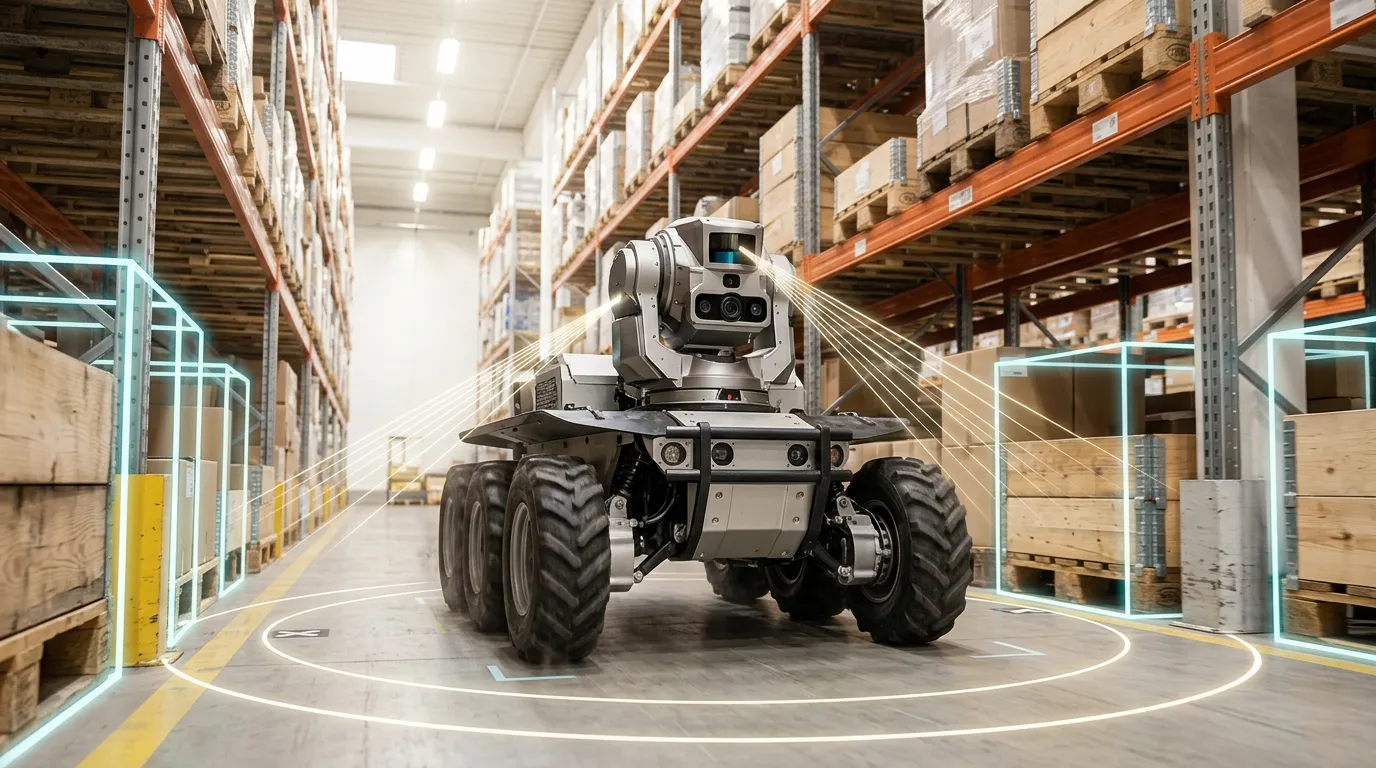
The first realistic market for SG-Safe is autonomous logistics in controlled environments, including warehouses, distribution centers, factory sites, ports and parking facilities. In these settings, movement boundaries can be defined in advance and data can be collected gradually for additional training. The next technological step is Sim-to-Real, transferring behavior learned in simulation to a physical robot. Developers will need to test the algorithm’s resilience to sensor noise, changing obstacles, poor visibility and interaction with people. Without that step, the results of the computer experiment cannot be translated into real-world accident rates.
The infrastructure needed for deployment is already taking shape. As of August 2026, 121 autonomous trucks connected to a tracking system had traveled more than 20 million kilometers on federal highways. In parallel, Russia’s Ministry of Transport is preparing to move from experimental regimes to a full legal framework for highly automated vehicles.
Five Years in the Making
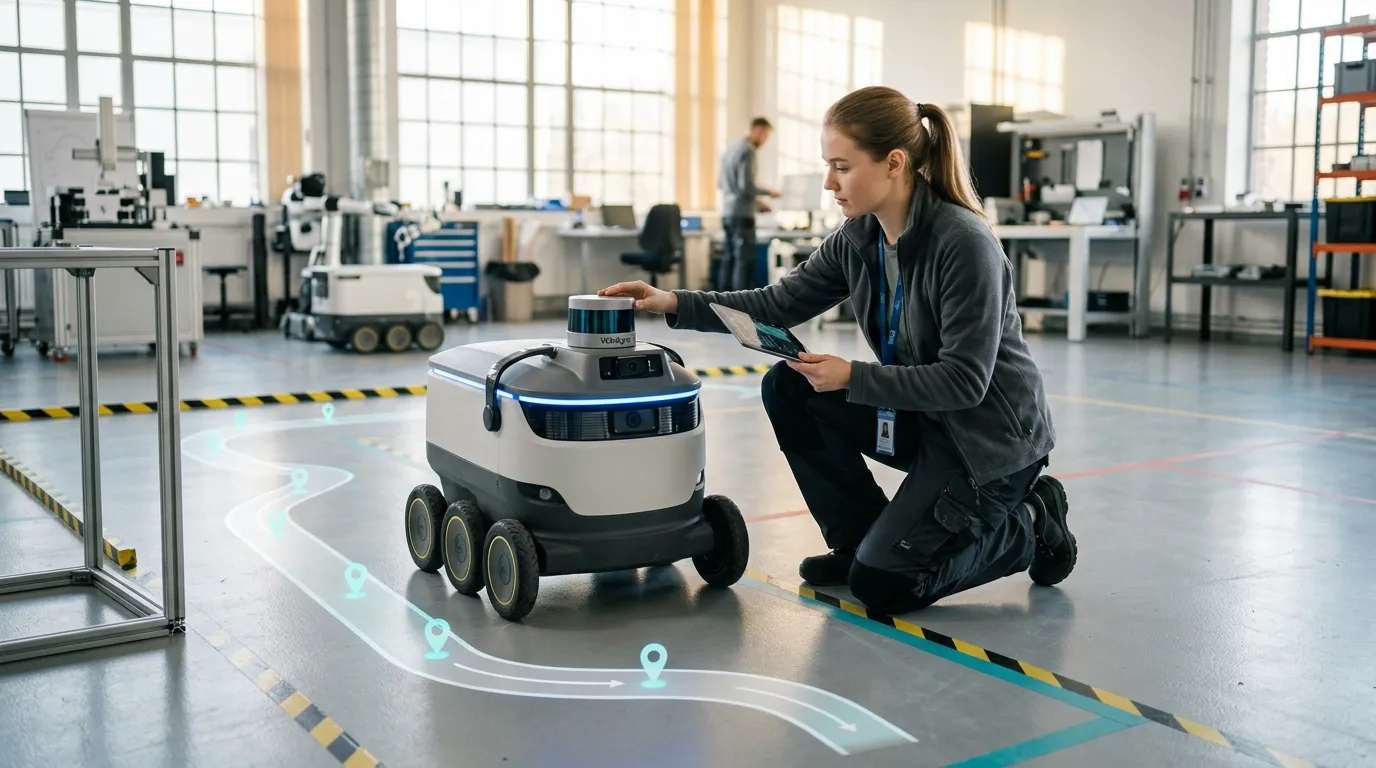
In 2021, Yandex and Majid Al Futtaim agreed to launch grocery deliveries from Carrefour in Dubai using autonomous robots. In 2022, Yandex introduced robots for warehouses and dark stores: one for inventory management at the Yandex Market logistics complex and another for moving goods inside a Yandex Lavka dark store. This application is closely aligned with SG-Safe’s capabilities, since it involves autonomous navigation in a confined warehouse environment.
In 2023, commercial autonomous truck operations began in Russia on the M-11 Neva highway, marking a shift from test-track trials to operation on public roads. In 2024, Russia’s autonomous electric Evocargo N1 truck began testing at Russian Post’s Vnukovo-2 logistics center, where a digital twin of the site was created and assigned an autonomous driving route. SG-Safe will have to follow the same path – first a digital model, then physical testing. In 2025, the same Evocargo N1 trucks went into operation at Sportmaster’s distribution center in Balashikha, marking practical use of autonomous vehicles in a controlled logistics environment. In 2026, Yandex moved trajectory planning for its delivery robots to a transformer neural network.
From Simulator to Road
The main value of SG-Safe is its attempt to address not just route planning, but the challenge of making safe decisions over long and complex routes. This is the class of technology needed by robots that must operate beyond a rigidly defined path and adapt to changing conditions.
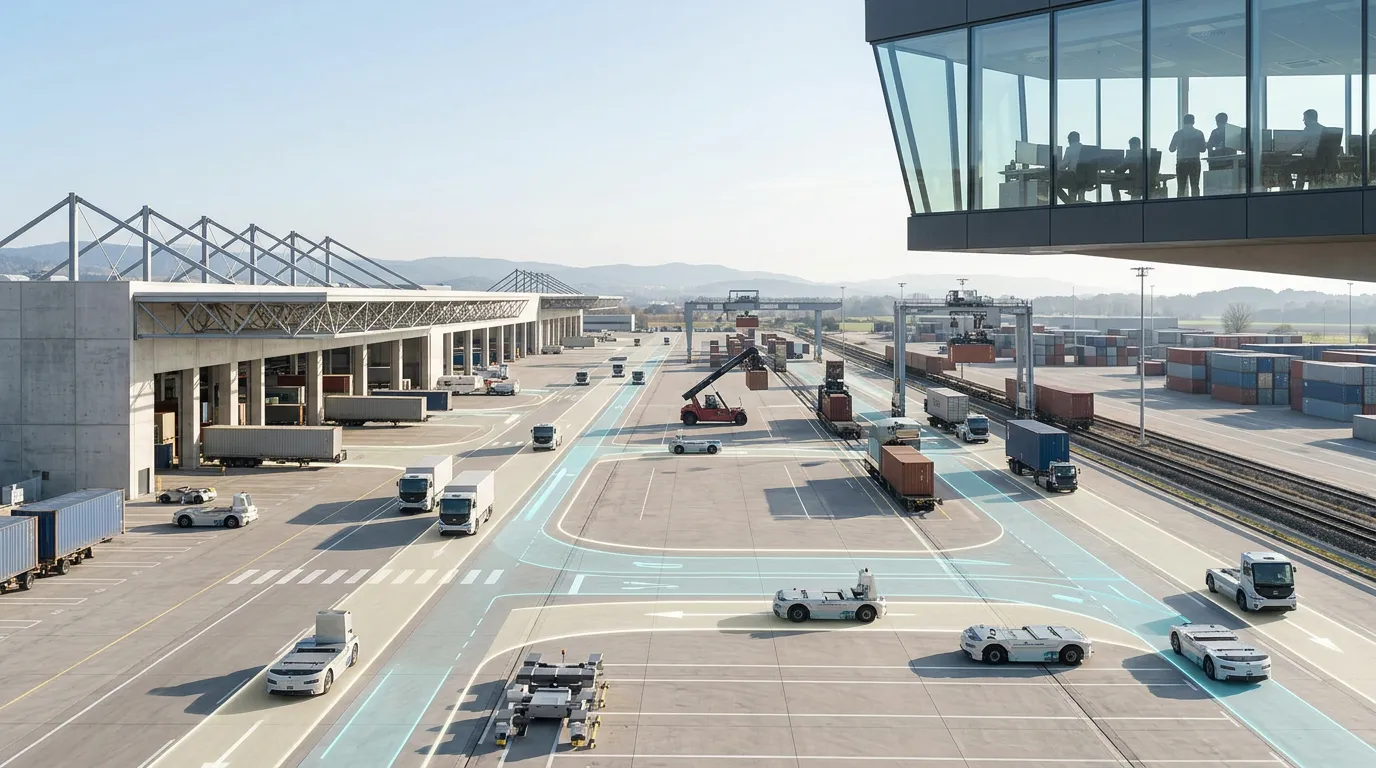
The most likely scenario is to start with warehouse and industrial robots and then move into more complex open environments. Significant field testing will be required before such technology can be used on public roads, where vehicle safety is subject to stringent requirements. The timing is favorable for the Russian market: warehouse automation is accelerating, businesses are facing shortages of frontline workers, and autonomous freight transport is moving from isolated experiments toward wider deployment.