MEPhI Researchers Create a Laser Phonograph
It can read audio recordings from antique wax cylinders without risking damage to the fragile media.
The importance of digitizing cultural, historical and artistic artifacts is hard to overstate. Digitization helps preserve cultural heritage while making it more accessible to a wider audience. Yet the work always runs into the same problem: the original media cannot be damaged in the process. That is where advanced technology can help.
Playback Impossible
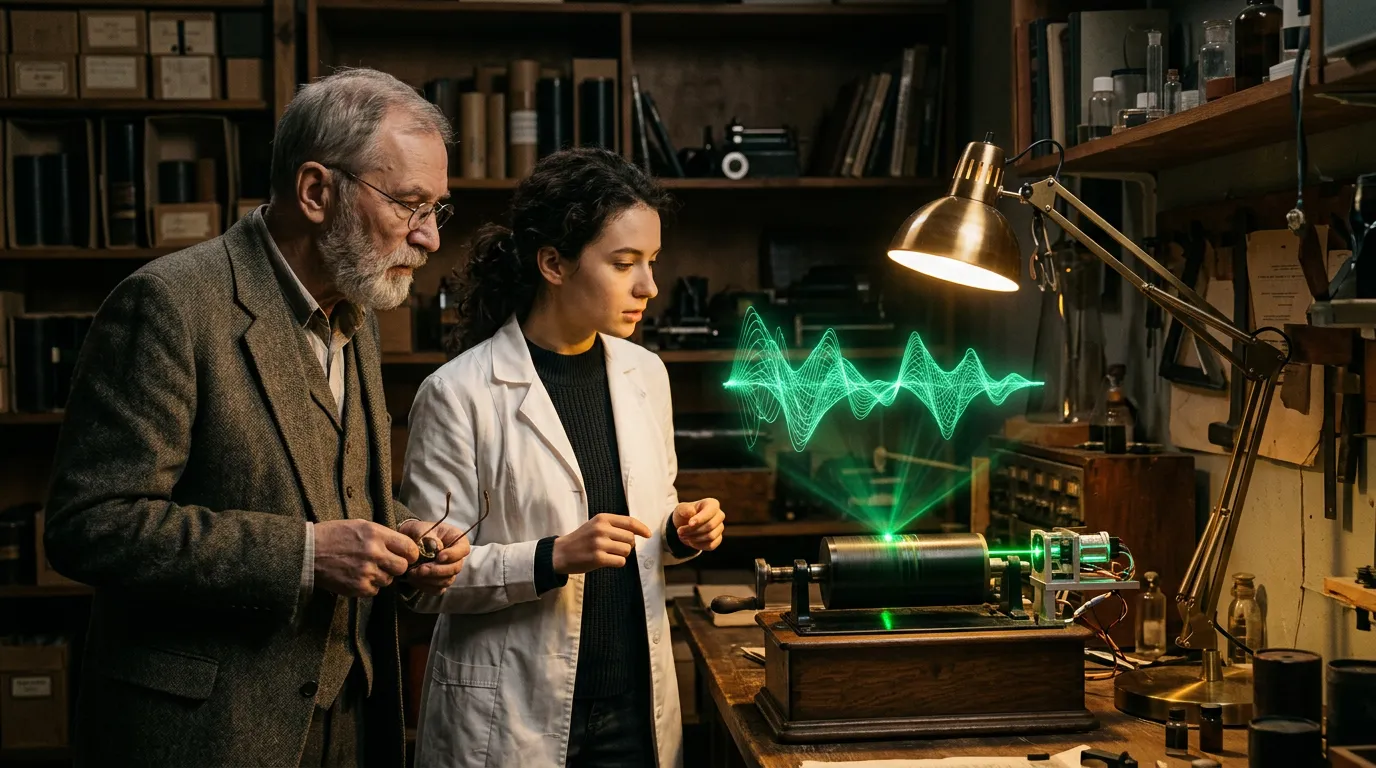
Researchers at the National Research Nuclear University MEPhI have unveiled an intriguing technology: a laser phonograph. The device can read audio recordings from wax cylinders used in the late 19th and early 20th centuries without physically damaging them. The instrument is called Divnaya veshch (Wonderful Thing), a reference to composer Anton Rubinstein, who used those very words to describe Thomas Edison’s phonograph.
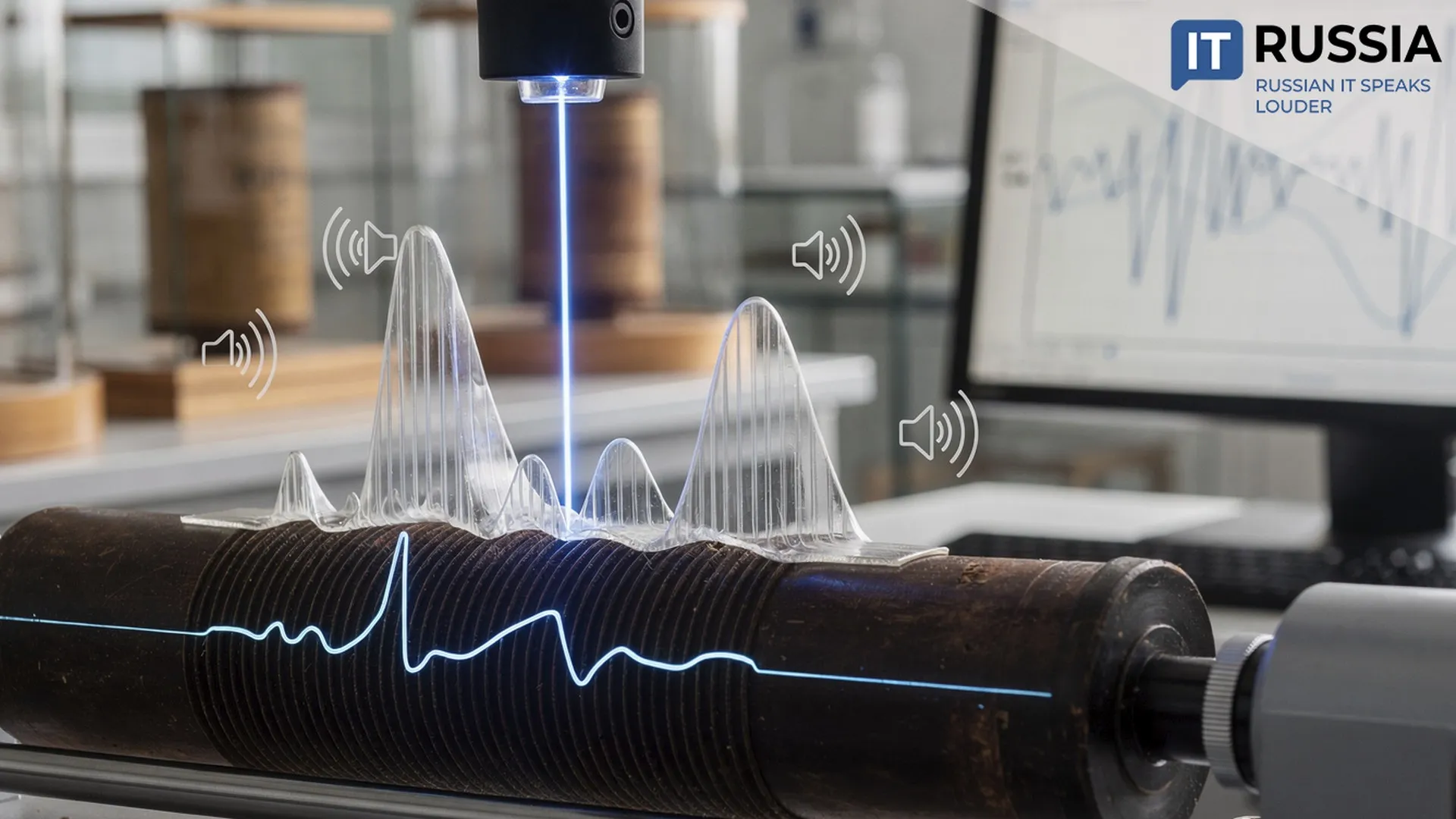
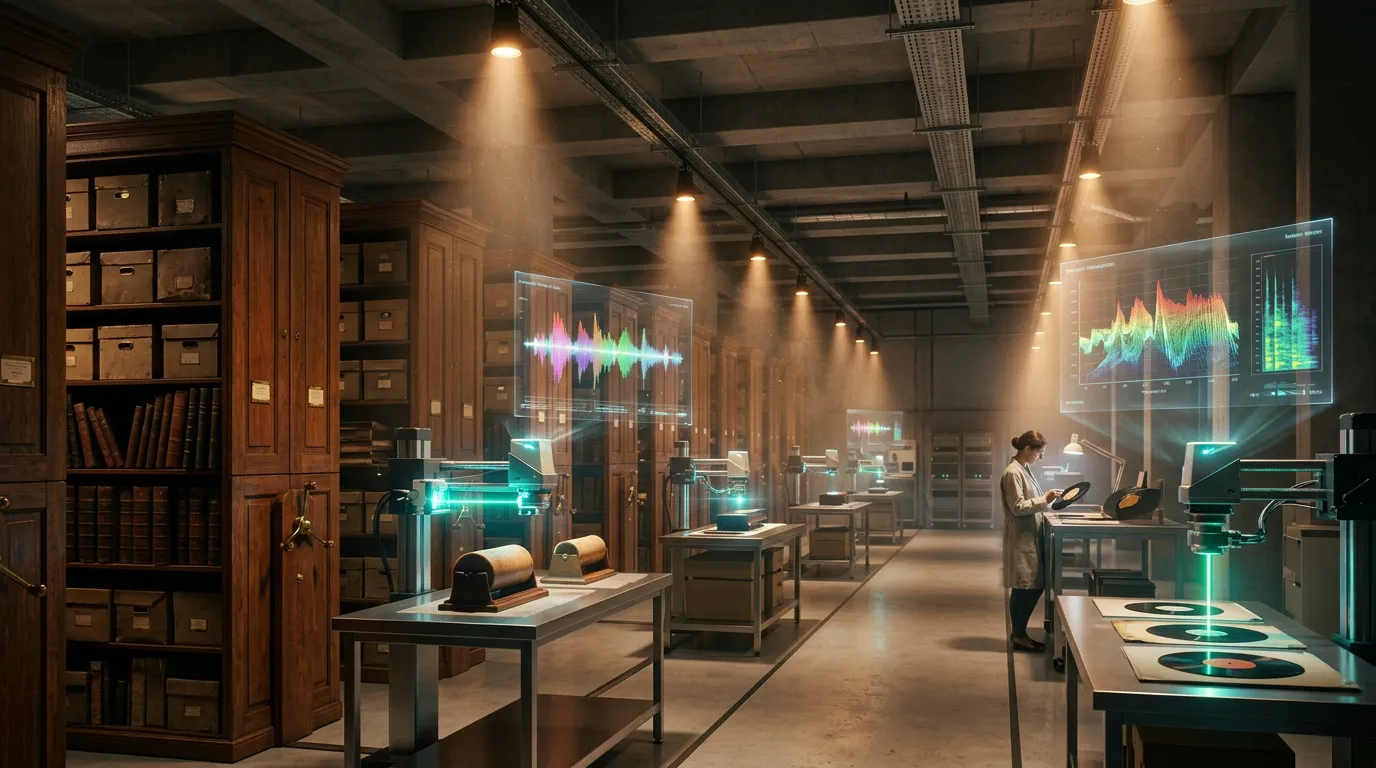
According to the developers of Divnaya veshch, conventional playback of wax cylinders is essentially impossible today. Any attempt to play them with a stylus would destroy them because, with age, the material has lost its elasticity and become extremely brittle. Instead, the new device uses a semiconductor laser to scan the surface of the cylinders.
“The most interesting part of the device we developed is the feedback system that keeps the laser beam on the groove. Now, no matter how the groove curves, the laser beam continually adjusts to follow it,” said Andrey Mikhailyuk, a researcher at the Laser Diagnostics Laboratory of MEPhI’s Institute of Laser and Plasma Technologies.
Eliminating Every Risk
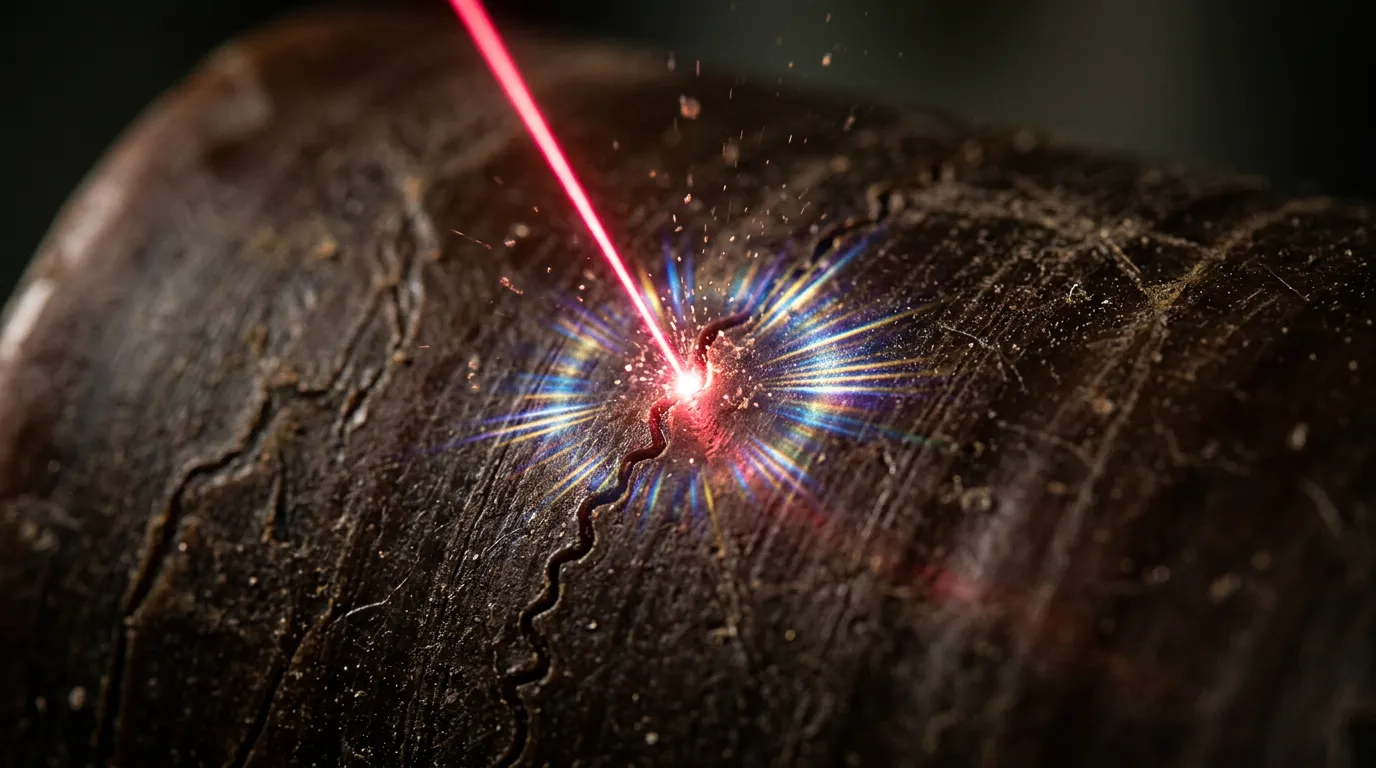
The power of the laser beam has also been carefully calculated. Even when fully focused, it does not heat the wax, although that degree of focusing is not required for playback. The developers deliberately designed the system to eliminate any risk to the historic sound carriers, even a hypothetical one.
The developers are also confident that Divnaya veshch will prove extremely useful. Thousands of phonograph cylinders containing historic recordings are currently held in Russian museums and music collections, and many have never been played at all. Among them are recordings made by writer Leo Tolstoy at Yasnaya Polyana, materials collected during folklore expeditions in the 1920s and 1930s, and unique recordings of poets and writers. Together, they represent an entire body of historical sources that can now be made available for scholarly research.
The new technology will soon undergo detailed testing on a batch of mass-produced cylinders. Once that work is complete, digitization of historical recordings will begin. The team plans to create a publicly accessible audio collection and equip a hall at the Rubinstein Center with an immersive sound system, allowing visitors to hear recordings recovered by the laser phonograph on 21st-century audio equipment.
Modern Technology Preserves History
Russia has already spent years digitizing cultural heritage artifacts to preserve them and make them accessible to a broader audience. Back in 2022, for example, the State Historical Museum announced plans to digitize its entire collection.
In 2023, a scientific and practical conference at the Russian State Social University explored the use of artificial intelligence not just to digitize historical media but also to analyze large volumes of data. Projects for automated manuscript recognition were already underway in Russia at the time, including Digital Petr (Digital Peter), along with technologies for processing Tibetan writing and Old Tatar sources.
In 2024, the Russian National Museum of Music digitized nearly 102,000 items in a single year. That work included creating digital copies of particularly valuable and sensitive materials.
Clearly, MEPhI’s technology is also poised to make a major contribution to preserving the historical record. The immediate priority is for the technology to complete all necessary development stages and be thoroughly tested. After that, the new device could be manufactured at scale for museums and archives.