Nuclear Operators from 15 Countries Attend IAEA Course at Rosatom Technical Academy
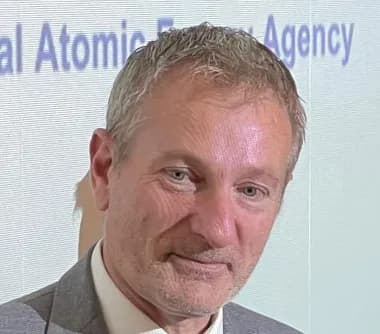
The programme was organised jointly by the Rosatom Technical Academy and the International Atomic Energy Agency (IAEA). It brought together 18 specialists from 15 countries across Asia and Africa, representing national nuclear organisations, regulatory authorities, and government ministries.
The five-day course covered the full process of establishing a nuclear power plant operating organisation. Participants studied licensing, organisational management, and preparation of feasibility studies for nuclear power projects.
Additional sessions focused on workforce development, organisational structure, and contract management. These topics are particularly important for countries that are launching nuclear energy programmes and building the institutional framework needed to support them.
The course was designed to give participants not only theoretical knowledge but also a practical understanding of how an operating nuclear power plant functions. To support that objective, the programme included a technical visit to the Rosatom Technical Academy's main campus in Obninsk.
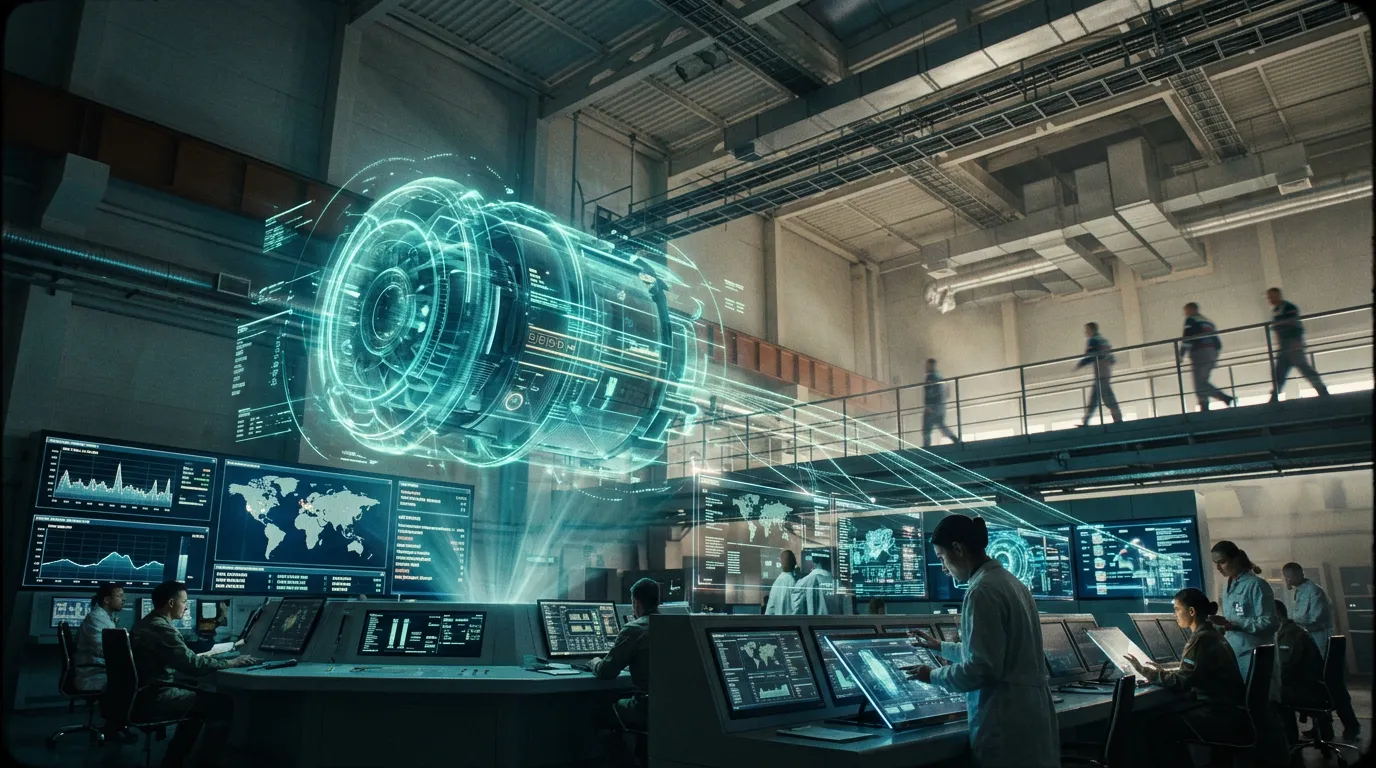
Simulators and Digital Training Tools
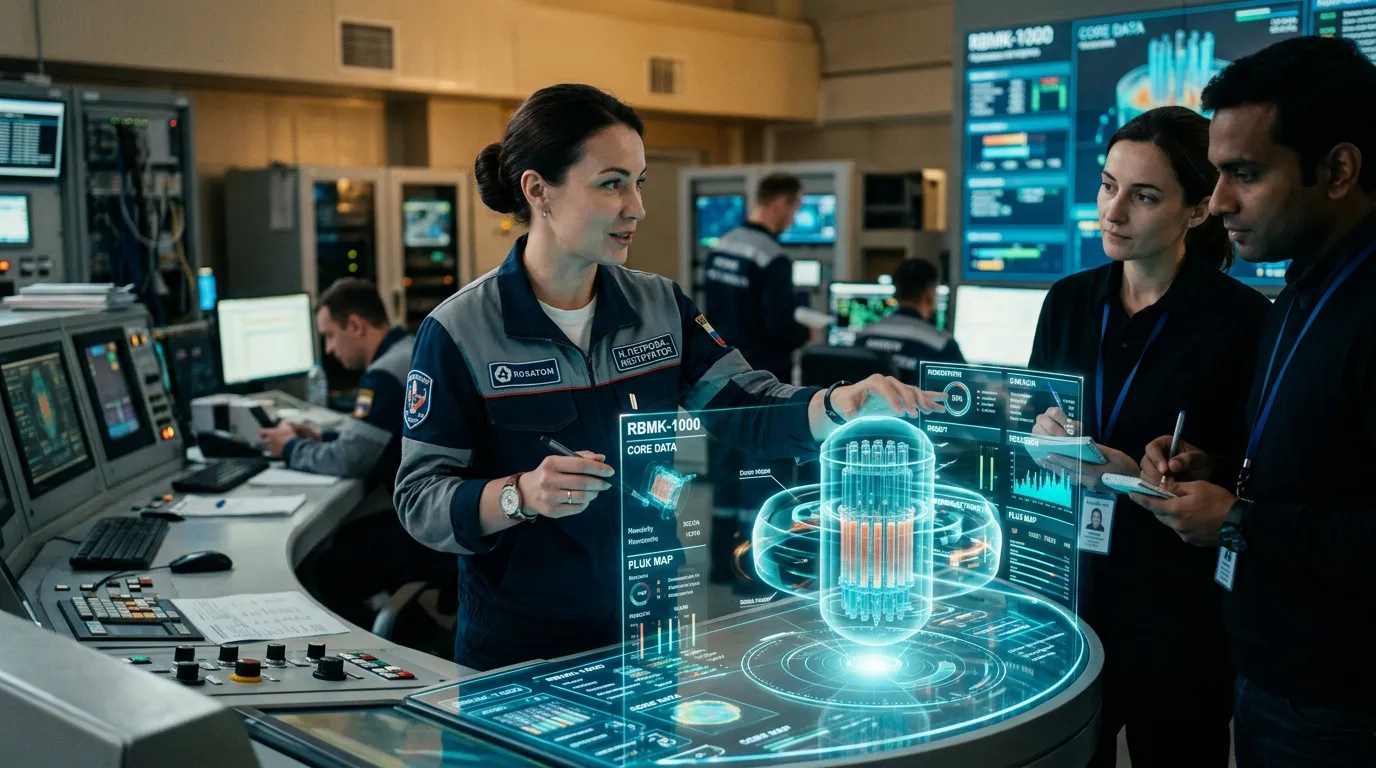
In Obninsk, participants were introduced to Russian digital technologies used for personnel training. Demonstrations included analytical simulators, full-scope main control room simulators, and computer-based training systems.
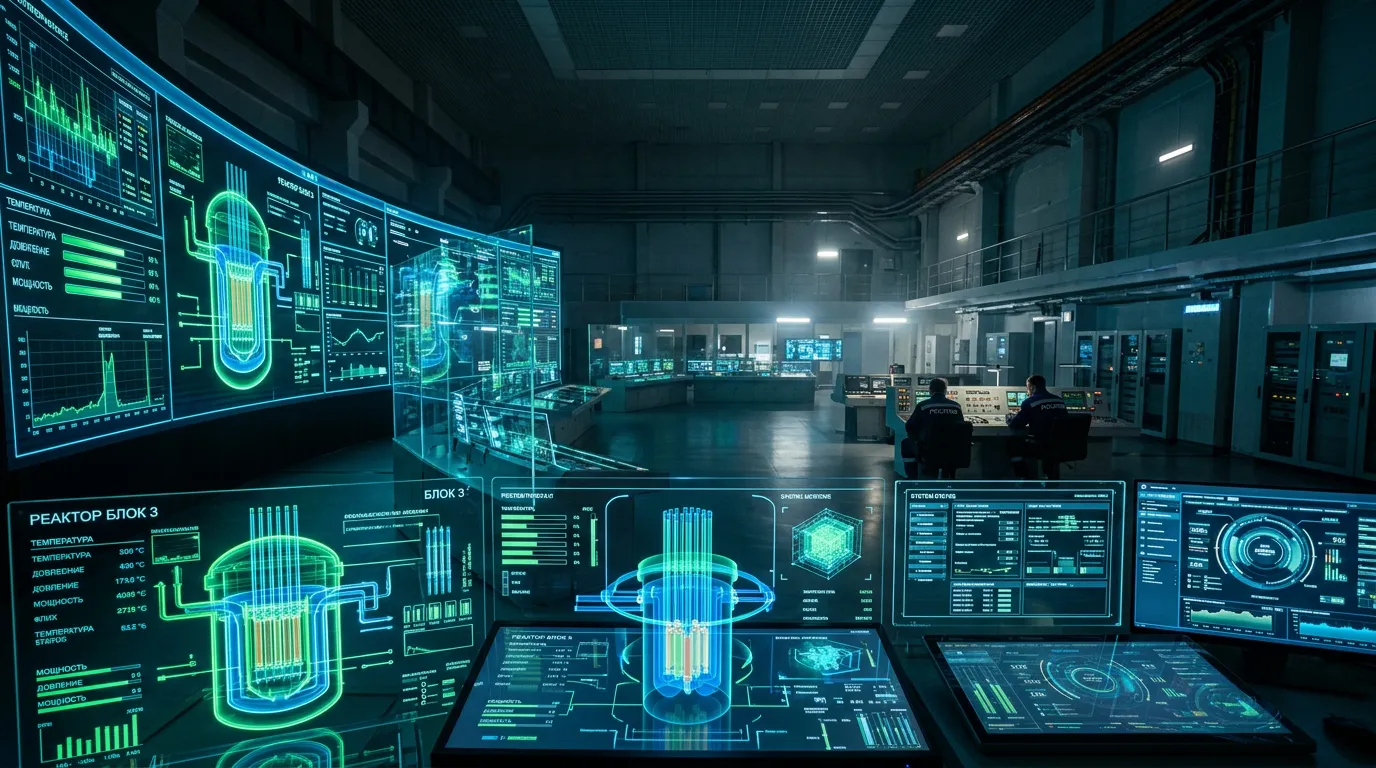
The analytical simulator models power unit operation and allows operators to practise responses under a wide range of conditions, from routine operating manoeuvres to accident scenarios. The system reproduces physical processes within the reactor plant and demonstrates how operator actions influence individual plant parameters.
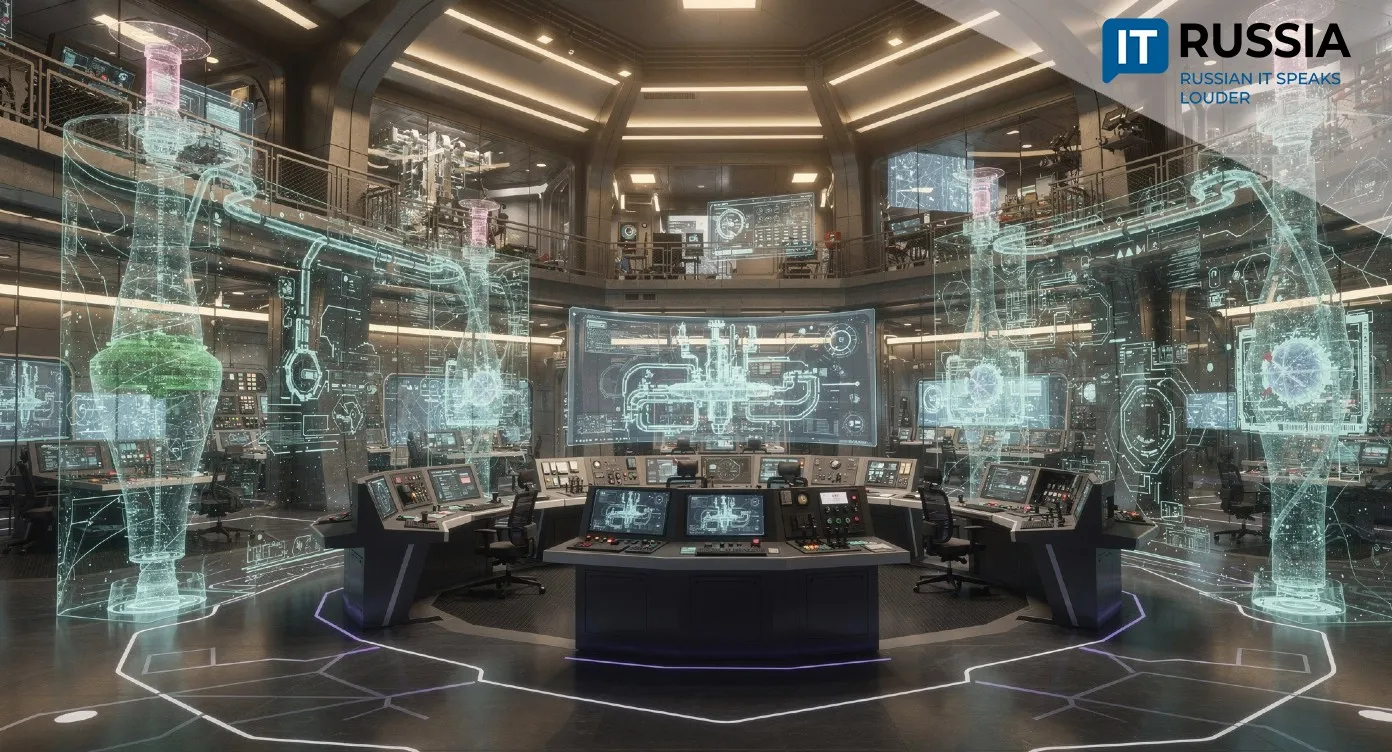
The full-scope simulator is an exact replica of a nuclear power plant's main control room. It is used by operating personnel to develop reactor and turbine control skills. Under Rosenergoatom requirements, every reactor operator completes at least 40 hours of simulator-based practical training each year.
Computer-based training systems complement simulator exercises with theoretical materials, including equipment documentation, operating procedures, and nuclear safety requirements.
Participants from 15 Countries
The course brought together countries at different stages of nuclear energy development. Participants represented both nations already constructing nuclear power plants with Rosatom's involvement and countries that are only beginning to develop civilian nuclear programmes.
For Kazakhstan, the course forms part of preparations for construction of the country's first nuclear power plant. The future operating organisation has already been established, and the country is now building its professional workforce and personnel training system. Exposure to Russian simulators and training methodologies enables Kazakh professionals to establish workforce development infrastructure in line with international standards before plant construction begins.
Participants from other Asian and African countries face similar challenges. Establishing regulatory authorities, creating operating organisations, developing training programmes, and procuring simulator equipment are all essential steps that precede construction of a nuclear power plant.
Russia's Role in Nuclear Workforce Development
The Rosatom Technical Academy serves as the central training centre for both Russian and international nuclear industry personnel. Its facilities in Obninsk, Novovoronezh, and St Petersburg house full-scope and analytical simulators covering multiple reactor designs.
In 2024, the Rosatom Technical Academy and Russian nuclear power plants trained more than 1,200 international nuclear professionals. The programmes serve reactor operators, instructors, engineers, and management personnel supporting projects in Hungary, Türkiye, Bangladesh, Egypt, China, and other countries. Training combines classroom instruction, simulator exercises, and practical placements at operating Russian nuclear power plants.
The IAEA regional course complements this work at an earlier stage, when countries are still establishing the institutional and human resource foundations needed for future nuclear energy programmes.
Preparing personnel for nuclear power begins long before fuel is loaded into a reactor. It includes not only workforce training but also the development of the entire organisational structure required to operate a future nuclear power plant safely and effectively.