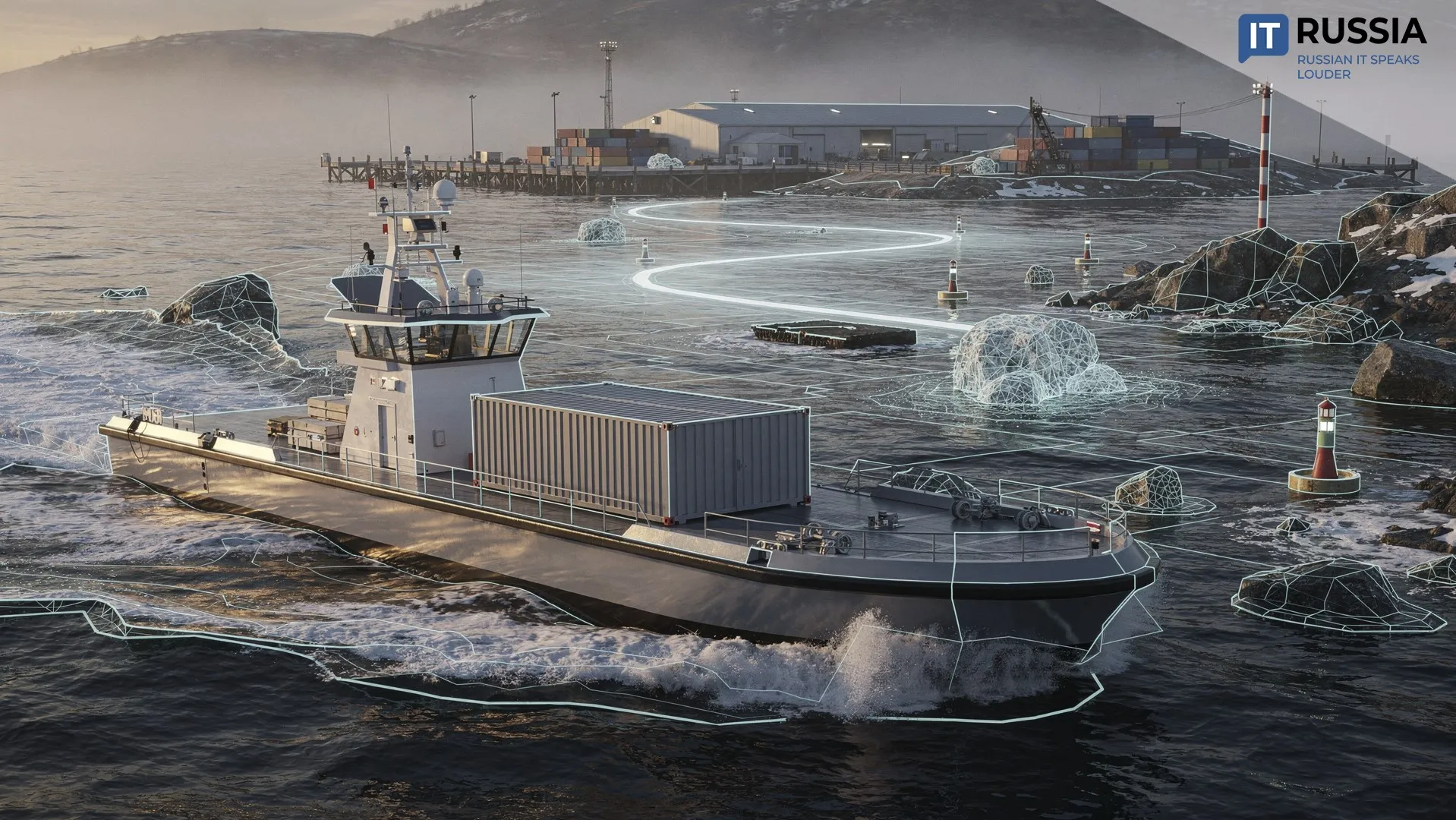
Arctic Voyage of Geroi Tumana
The Murmansk-built crewless boat has shown that autonomous shipping in the Arctic is no longer science fiction but a working technology. Its achievement: 169 kilometers across the Barents Sea in six hours, with no human on board and no operator intervention.
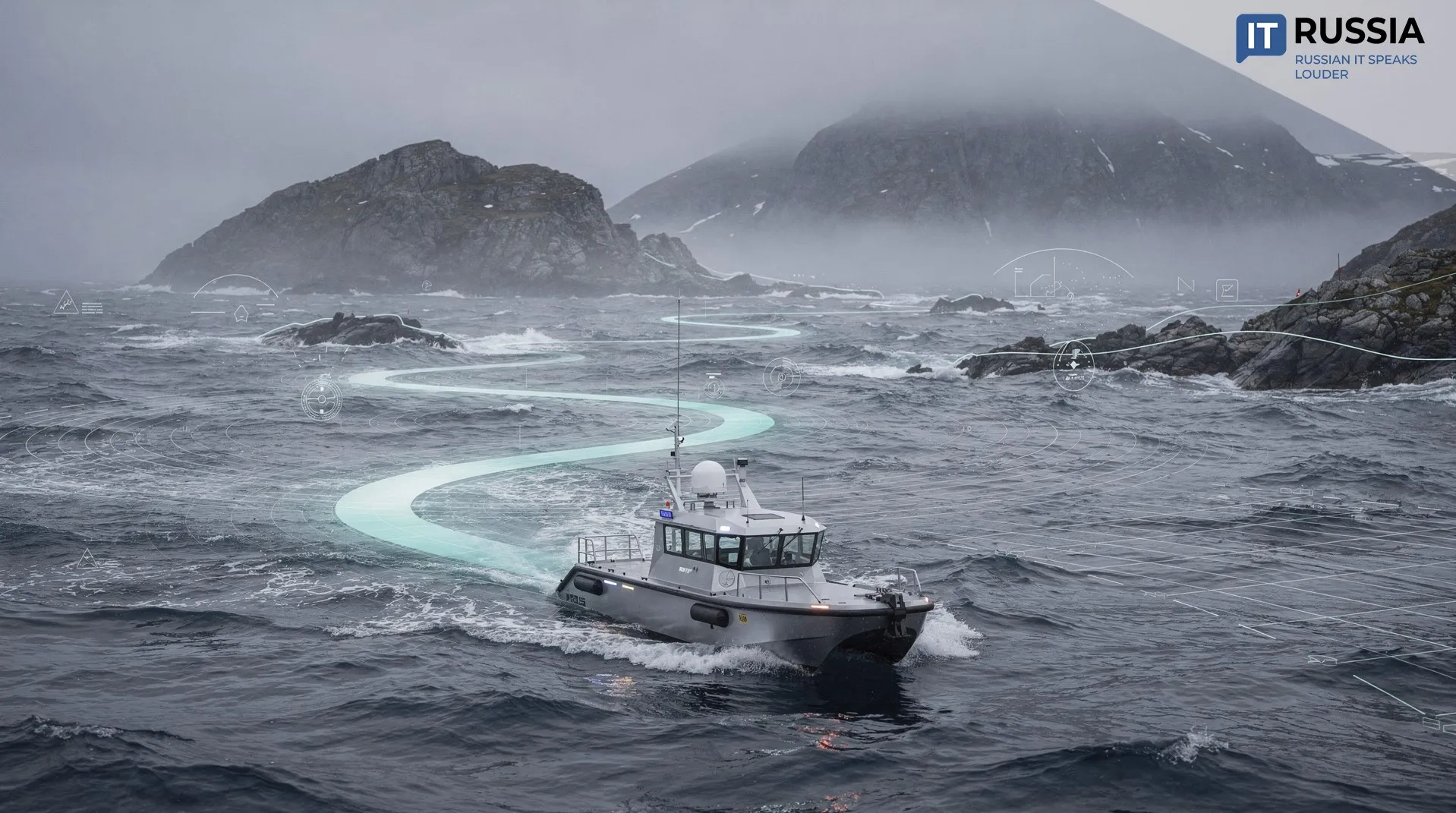
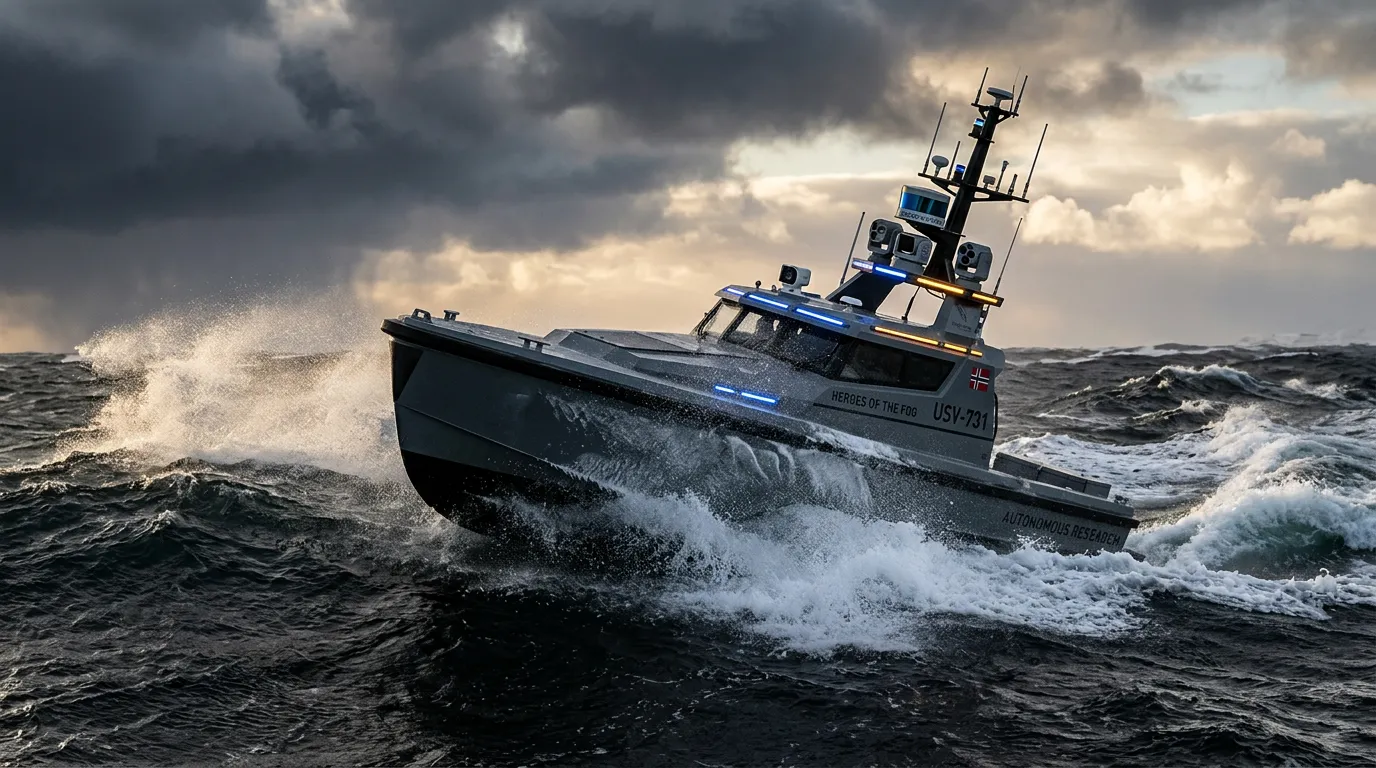
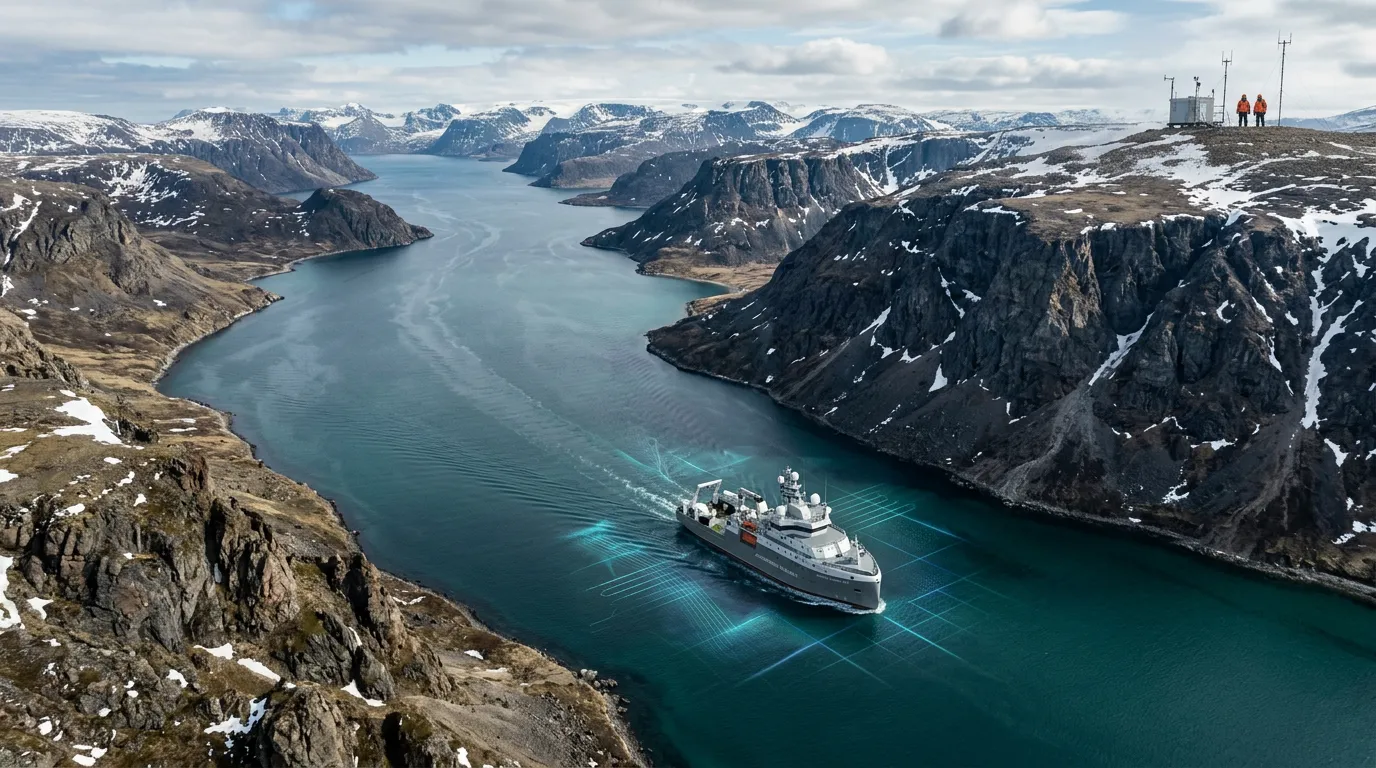
On September 1, 2026, the crewless boat Geroi Tumana (Heroes of the Fog), developed by the Murmansk research and production complex Progress, completed a fully autonomous voyage along the Liinakhamari – Ura-Guba route in the Barents Sea. The vessel became the first in the world to complete such a route above the Arctic Circle in fully autonomous mode. During the expedition, the boat tested navigation systems in challenging weather conditions, conducted video monitoring of the waters, surveyed the coastlines of the Rybachy and Sredny peninsulas, and analyzed the radio spectrum environment. The boat is equipped with a suite of digital technologies, including autonomous control, navigation and communications systems, sensor-data processing, and decision-making algorithms that operate without continuous human involvement.
The technology tested in the voyage could give Russian citizens and Arctic communities, above all, a new way to deliver cargo to hard-to-reach areas. For Russia as a country, the project also represents a step toward building a domestic marine robotics market, developing capabilities in artificial intelligence, industrial automation, satellite navigation, computer vision, and digital control systems.
From a Single Voyage to Arctic Logistics
The project’s main long-term potential lies in the development of autonomous marine logistics. Following the trials, Geroi Tumana is expected to take on practical tasks, including cargo deliveries in the Barents Sea region and to island territories. The developers are focusing on a line of small autonomous vessels that could make a large number of trips, offering more flexible logistics than larger ships.
For Russia’s IT industry, the project demonstrates a shift from individual robotic devices to integrated digital platforms. Similar technologies could be adapted for other sectors, including river transportation, industrial monitoring, rescue operations, and environmental monitoring.
Russian autonomous-navigation technologies have export potential, but in the coming years that potential will depend on companies’ ability to develop serial commercial products. Within Russia, the development of these technologies could accelerate the emergence of a new industry – civilian marine robotics.

Path to Autonomy
In 2022, the Russian University of Transport (RUT (MIIT)) and the Moscow Institute of Physics and Technology (MIPT) developed the first elements of an integrated autonomous-vessel control system, including control algorithms, machine-vision systems, and digital infrastructure for testing. In 2023, autonomous technologies began to be deployed on large vessels. The Ministry of Transport reported the practical use of remote-control and autonomous-navigation systems on the General Chernyakhovsky ferry. In 2024, the company Navis presented the Sardina (Sardine) crewless-boat project, designed to use automated vessel-movement control systems.
In 2025, Sakhalin established Russia’s first water-based test range for crewless boats. Autonomous vessels began to be integrated with digital transportation-monitoring platforms, while the crewless boats of the Krylya Sakhalina (Wings of Sakhalin) research and production center became the first in Russia to connect to an identification system based on ERA-GLONASS. The Geroi Tumana project became one of the most prominent examples of Russian crewless-vessel technologies moving from laboratory testing to practical use.
Forecasts and Challenges
The Geroi Tumana project can be viewed as an example of Russia’s emerging autonomous-transport market, bringing together shipbuilding, IT, artificial intelligence, and robotics. In the coming years, the development of similar projects will depend on a shift from one-off trials to serial production and commercial use. The most promising areas include Arctic logistics, monitoring of maritime territories, environmental monitoring, and servicing remote facilities.
In the longer term, autonomous boats in Russia could become part of an integrated digital transportation infrastructure in which vessels work together with shore-based control centers, satellite navigation systems, and data-analysis platforms.