AI Is Making Public Transport More Comfortable
In the Moscow Region, artificial intelligence is monitoring queues at 662 bus stops, helping make trips more comfortable and predictable.
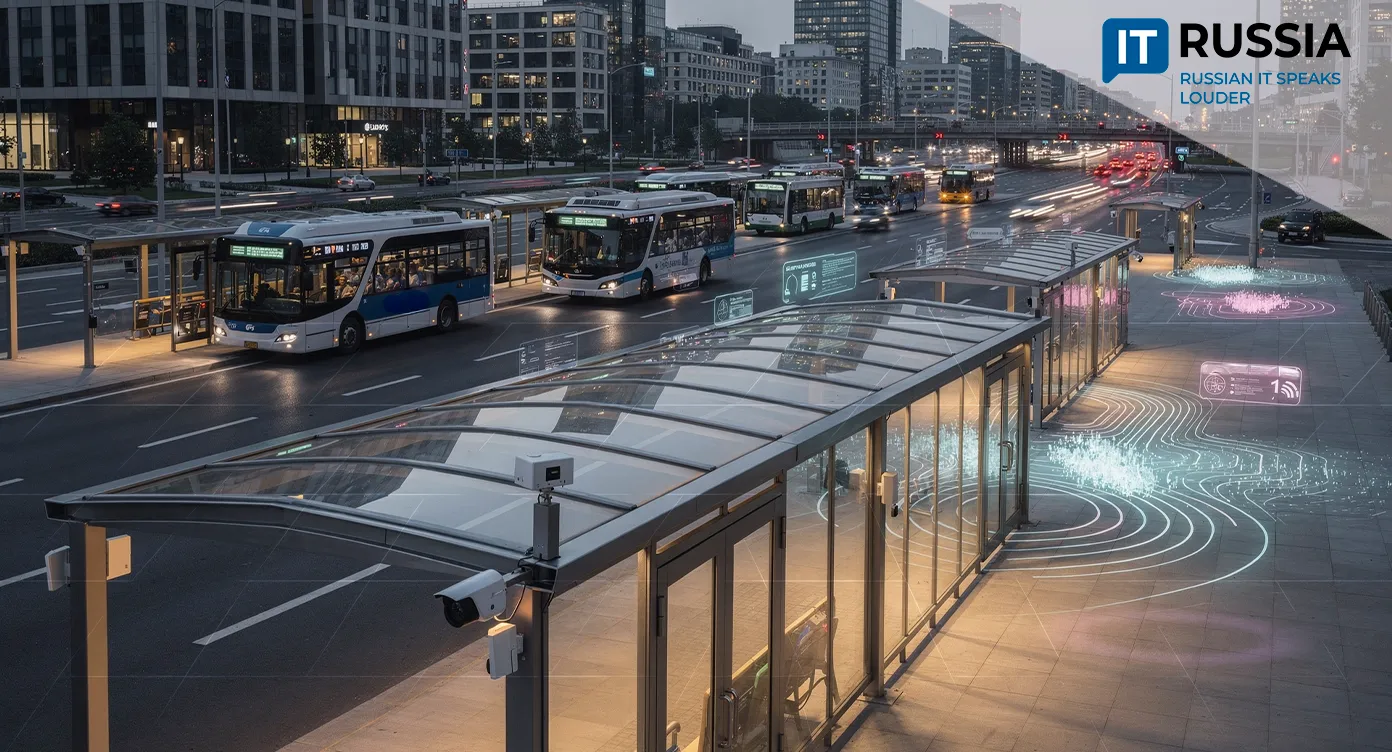
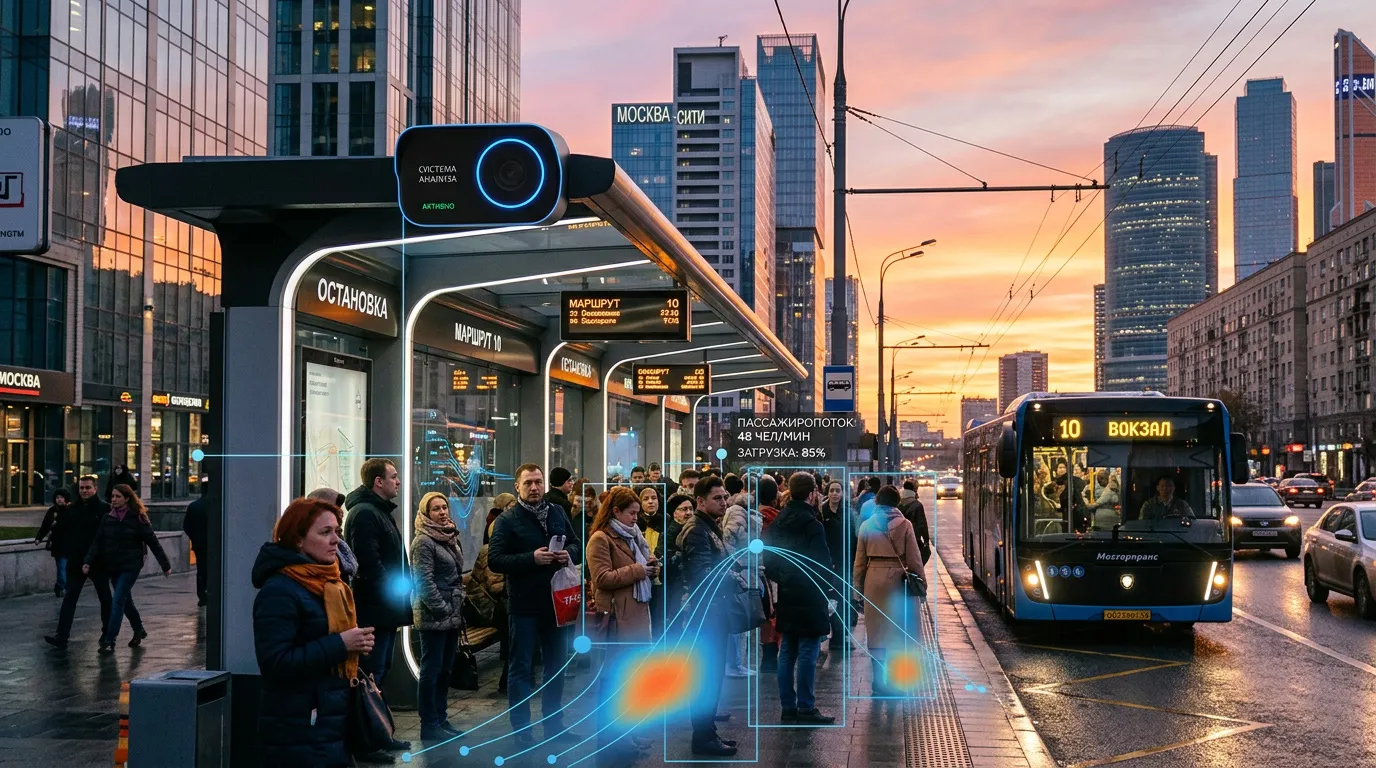
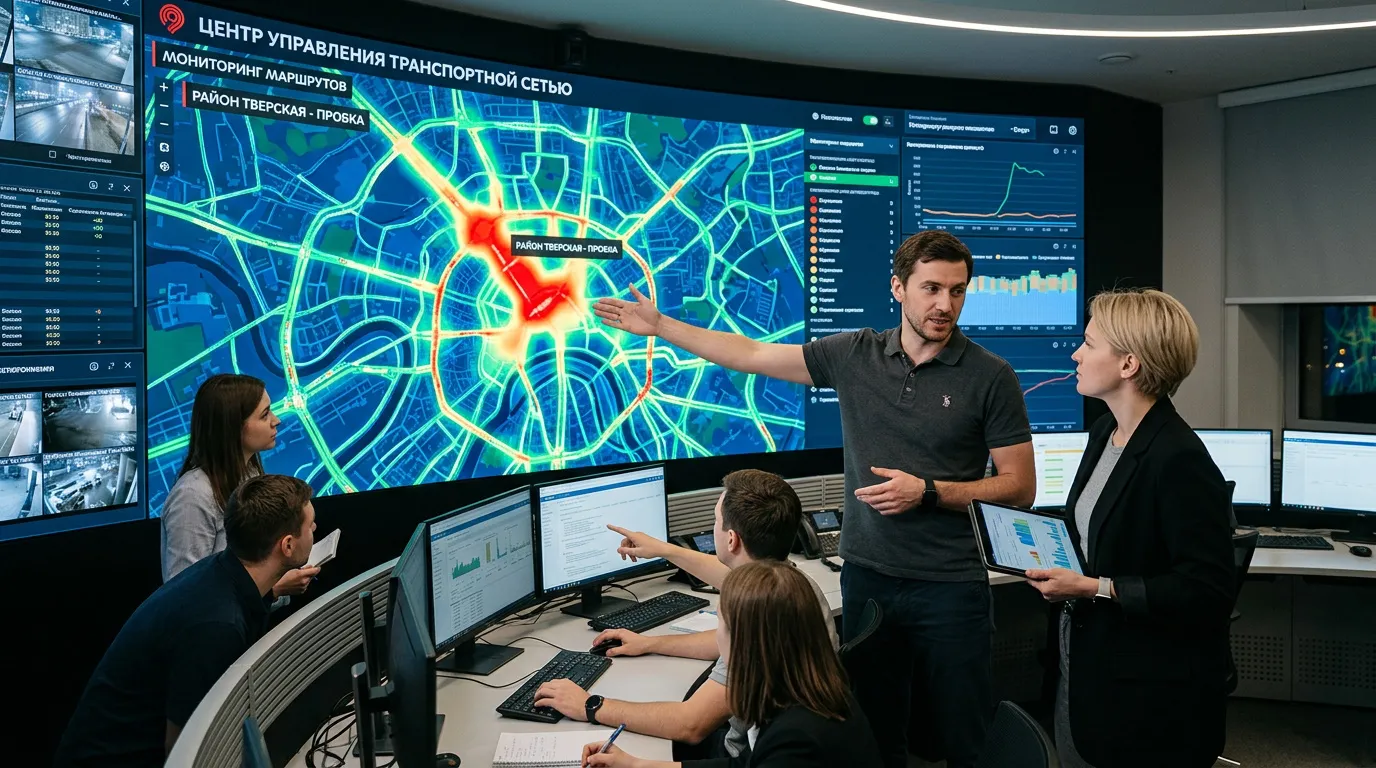
The system deployed in the Moscow Region uses video streams from the “Safe Region” surveillance network. A neural network analyzes the footage, counts the number of people at bus stops, and sends the data to the regional control center. There, the information is used to generate a heat map of congestion hotspots.
The data does more than record crowding - it becomes an operational tool for transport providers. The system helps adjust bus schedules, deploy additional vehicles, or replace buses with higher-capacity models.
For passengers, this translates into shorter waiting times, a lower risk of overcrowding, and more predictable service. For regional authorities, it provides a data-driven tool for planning the transport system, reducing reliance on complaints or manual monitoring.
Part of a Broader Digital Push
The project’s success fits into a wider effort to digitize transport infrastructure across Russia. According to the Ministry of Transport, intelligent transport systems (ITS) were deployed in 62 urban agglomerations across 56 regions in 2024, with federal funding exceeding 22 billion rubles (approximately $240 million) since 2020.
Future development in the Moscow Region is tied to deeper data integration - combining queue data with transport schedules, bus telematics, validator data, and citizen feedback, as well as introducing predictive models for proactive response.
Thus, the system will be able to anticipate overload not only during peak hours, but also in cases of railway disruptions, large public events, or seasonal increases in passenger demand.
These solutions could find export markets, though likely in niche segments. The most promising markets are rapidly growing cities with overloaded transport systems that require cost-effective modernization without building new infrastructure.
Russian and Global Context
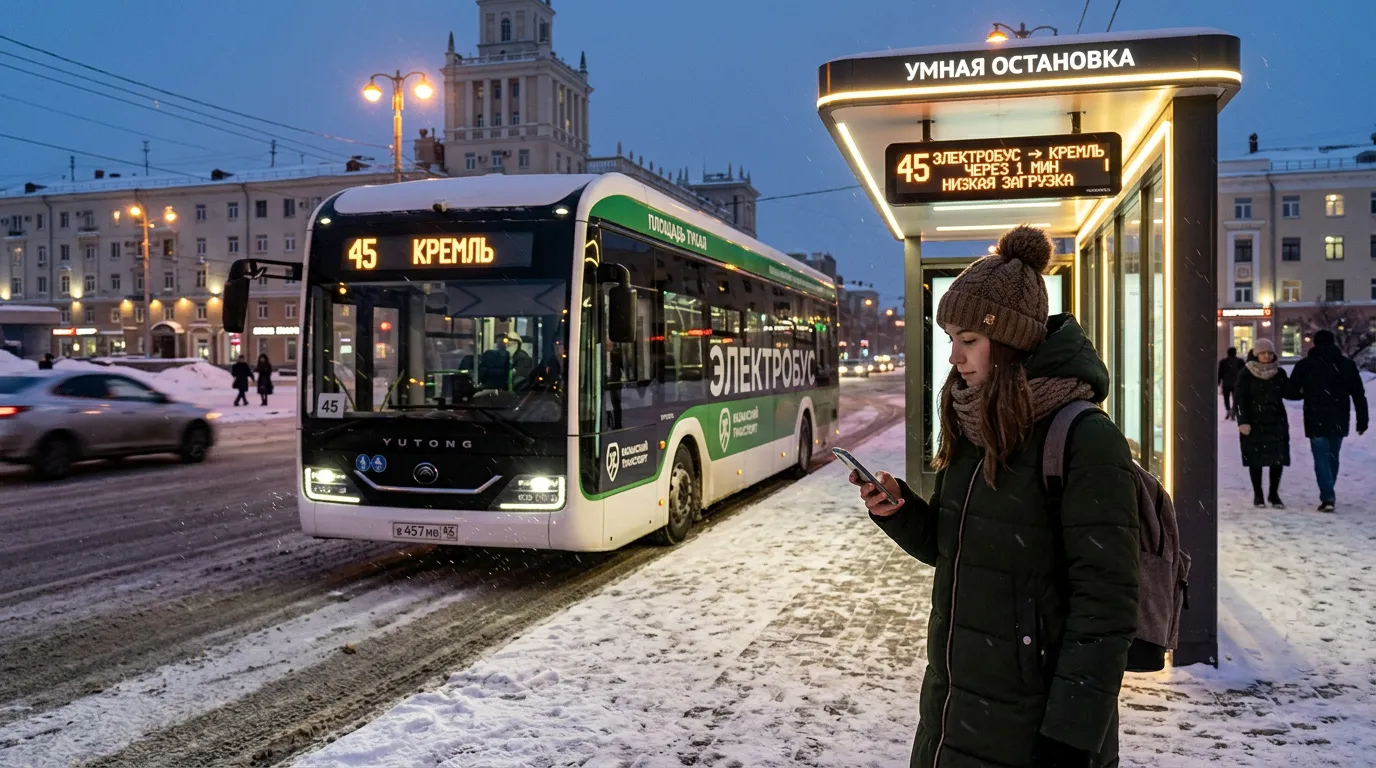
The development of smart transport systems is a global trend. In the Moscow Region specifically, system capabilities expanded in 2025: beyond queue detection, the neural network now monitors the condition of bus shelters, sending not only alerts but also detailed parameters - location, time of detection, and route information.
Similar technologies are being adopted internationally. In the United Kingdom, Network Rail has tested autonomous systems for monitoring passenger volumes at railway stations, including Euston Station, Luton Airport, and Waterloo.
From Detection to Prediction
The project’s core value lies in shifting from smart video surveillance to active infrastructure management. AI is no longer just an observation tool - it is becoming a participant in transport planning.
In the near term, development will move toward predictive analytics: algorithms will not only detect queues but also forecast them, identifying potential congestion points in advance, routes requiring reinforcement, and the optimal type of transport for specific segments.
Integration of diverse data sources will be critical - including camera feeds, vehicle GPS data, validator inputs, citizen reports, traffic conditions, and weather data.
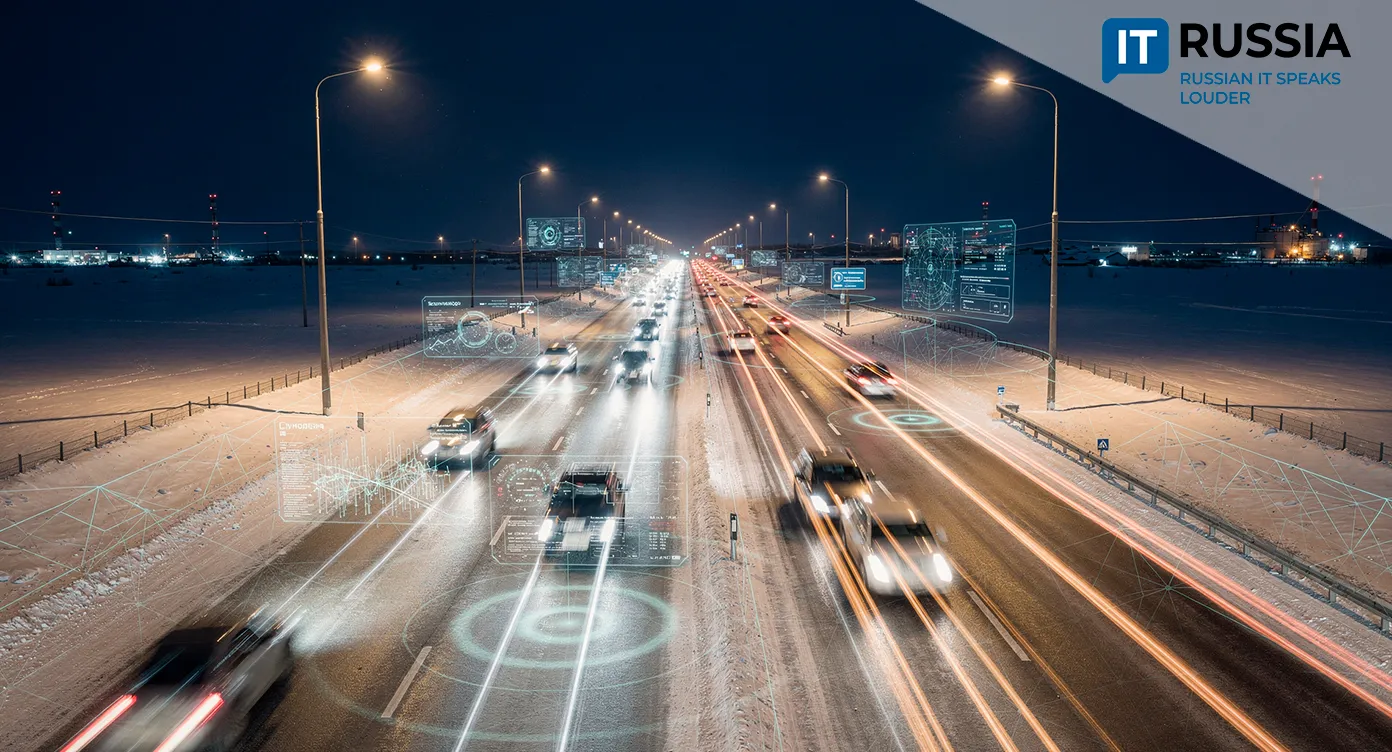
If the project proves effective - by reducing queues, improving service regularity, and lowering complaint volumes - its model is likely to be replicated in other regions. Such solutions could become a standard component of smart city infrastructure and typical ITS deployments nationwide.
The Moscow Region case shows that AI is already addressing everyday challenges and giving authorities practical tools for managing urban systems. Smart transport is no longer a distant concept - it is a working reality that is making daily life more convenient.