Digital Shift in Krasnoyarsk: MFC Moves Meetings Online
Digital management platforms are gaining traction across public institutions. Moving internal communications online helps agencies accelerate workflows without adding operational complexity.
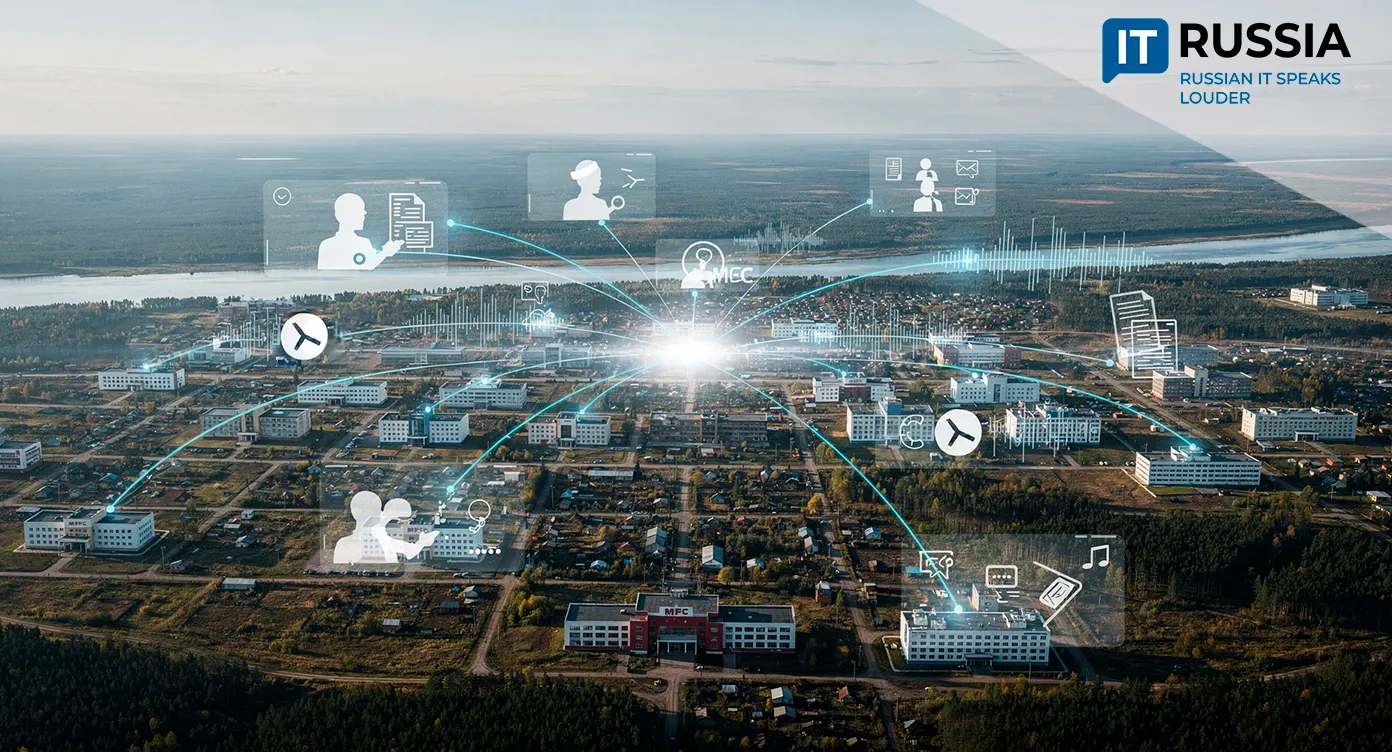
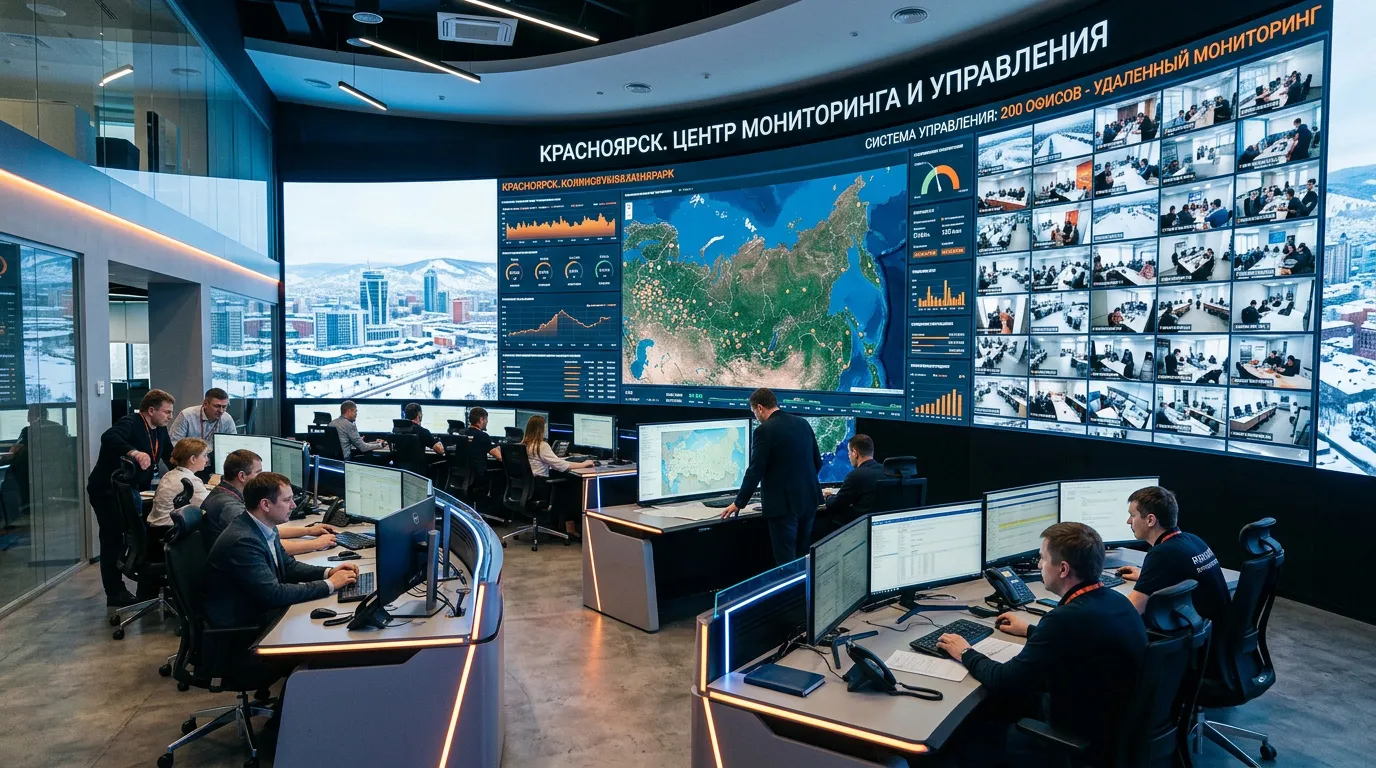
The Krasnoyarsk region’s network of multifunctional centers, or MFTs, has shifted a significant share of internal communications and training to an online format using the MTS Link platform. Digital tools are now deployed across more than 200 offices, and over 90% of meetings and training sessions take place remotely. That shift is already affecting performance, primarily through faster execution. When the central office, remote branches, and training functions operate within a single digital environment, updates to procedures and staff instructions move much more quickly.
For Krasnoyarsk, this matters at scale. The regional MFT network spans dozens of structurally and geographically distributed units, so even a partial transition of planning sessions, coordination, and training to online formats delivers measurable gains. This reflects a broader global trend, where governments are digitizing internal operations and moving administrative work into online environments.
Platforms as Core Government Infrastructure
This case also strengthens the position of domestic vendors. Deploying locally developed platforms in a complex, distributed government structure, and their inclusion in the official Russian software registry, signals both maturity and reliability. Similar projects are likely to expand across regional ministries, municipalities, departmental training centers, and institutions in social services, healthcare, and education. Comparable deployments are already in place in the Yakutsk municipality and in the civil service training system of the Novosibirsk region, where online communications and training formats are embedded into day-to-day operations.
The next step is moving beyond video meetings toward structured process management. That includes automated meeting minutes, task generation, integration of outcomes into internal knowledge bases, learning management systems, and document workflows. According to J’son & Partners Consulting, Russia’s unified communications and collaboration market could grow 2.5 times by 2028, reaching 187 billion rubles (approximately $2 billion).

A Broader National and Global Trend
Krasnoyarsk is not an isolated case. As early as 2022, Russia’s Ministry of Construction transitioned to domestic video conferencing and telephony systems, driven by import substitution goals and the need for a unified communication environment. Over time, that environment has taken shape. In 2025, the Yakutsk city administration began building a digital workspace based on MTS Link, focusing on meetings, teleconferences, seminars, and AI-based meeting summaries. Around the same time, the corporate university of the Novosibirsk regional government moved a large share of civil servant training online, reporting retraining volumes of up to 4,000 participants annually. A year later, the Siberian Fire and Rescue Academy of EMERCOM adopted the platform for distant learning.
These shifts align with global patterns. Governments increasingly need structured programs to build digital competencies among public employees. Without that foundation, digital service delivery stalls. The OECD highlighted this issue in its 2024 review of digital government skills, and in the European Union, building a digital public administration has already become a strategic priority.

Speed Without Compromising Quality
Russia’s government digital communications market is entering a more mature phase. Platforms are becoming core infrastructure for management, training, and coordination across distributed agencies.
In the near term, similar projects are likely to expand, especially in regions with large territories and dispersed institutions. The first adopters will be MFTs, social service agencies, municipalities, training centers for civil servants, and departmental organizations. Their value will no longer come from video conferencing alone, but from integrated stacks that combine video, LMS, internal knowledge bases, AI summarization, and automated documentation. That integration enables faster operations while maintaining service quality.