Locomotives to Receive Digital Passports
The railway engineering sector now has its own robust domestic solution as a Russian PLM system secures official government status.

LokoTek announced that its software Tsifrovoy formulyar (pasport) izdeliya (Digital Passport of a Product) has been included in the Russian Ministry of Digital Development’s registry of domestic software.
Blockchain Across the Locomotive Lifecycle
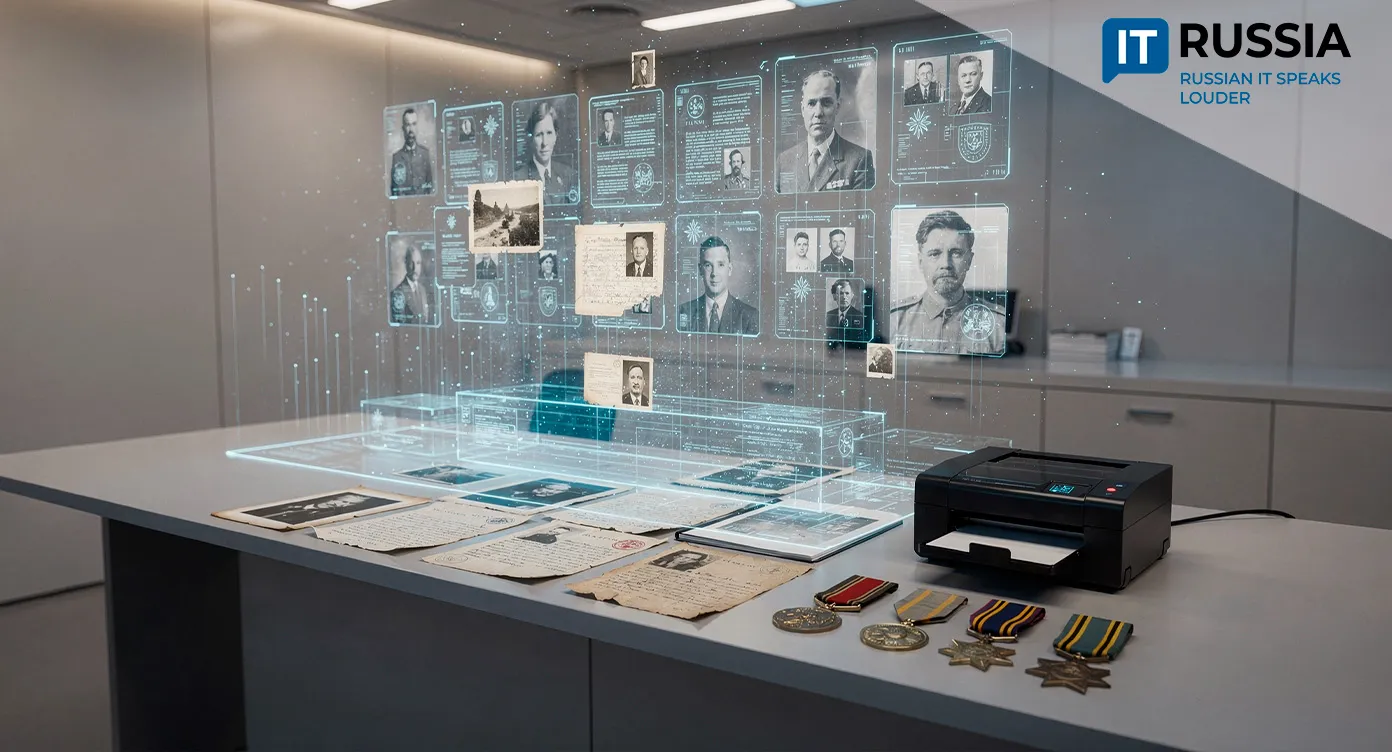
Tsifrovoy formulyar is a blockchain-based platform designed to manage the lifecycle of locomotives and related equipment, ensuring that recorded data cannot be altered. The system aggregates comprehensive information on critical locomotive components, including serial numbers, cost, technical condition, and warranty periods. Each data set is linked to a specific unit of equipment and reflects its current status such as “installed,” “under repair,” or “in storage.” That means operators can access real-time operational data across key functions and use it to plan maintenance, logistics, and asset utilization more effectively.
The project has been designated as strategically significant by the Russian government and received a grant from the Russian Fund for the Development of Information Technologies. Total state funding amounted to 167 million rubles (approximately $2.2 million). The solution was developed and is owned by KontrolTuGou.Ru (ControlToGo) LLC.
The system has already been deployed across LokoTek’s management company and all LokoTek-Service branches, as well as within Zheldorremmash and its repair plants. Within the first six months, data on more than 100,000 assets was uploaded. The platform now tracks approximately 480,000 units, and this figure continues to grow daily. Looking ahead, the solution has export potential to Eurasian Economic Union markets and other partner countries that use the 1520 mm gauge and are seeking import-independent IT systems.

From Point Automation to Lifecycle Management
The Tsifrovoy formulyar project carries broader strategic significance for Russia’s industrial IT agenda. In practice, the underlying technological groundwork is already translating into steady commercial demand, a trend reflected in sector data. In 2025, the Russian engineering software market grew by 20 percent, reaching an estimated 50–55 billion rubles (approximately $708 million).
Analysts see a structural shift in demand. Computer-aided design remains the largest segment, yet the market is clearly moving toward integrated solutions. Demand for PLM and PDM platforms continues to rise, reflecting a transition from isolated automation projects to full lifecycle and data management. Over the next two years, this growth trend is expected to continue, with expansion concentrated in PLM/PDM, BIM, analytics, digital twins, AI modules, and solutions that connect engineering software with production management systems.

Domestic Engineering Software Gains Ground
The import substitution trend in the engineering software stack is reinforced by other domestic developments. In October 2025, the SARUS+ product lifecycle management suite, developed by National Computer Corporation (NCC), was added to the domestic software registry. The system runs on a trusted technology stack built on certified Russian components. SARUS+ supports Russian operating systems and operates via a web browser, improving collaboration among distributed teams while reducing design time and costs.
Another flagship platform is Intermech Professional Solutions (IPS PLM), developed by the Russian company INTERMECH. It is a full-scale lifecycle management system designed for medium and large enterprises in mechanical engineering and instrumentation. In October 2025, IPS PLM was officially confirmed as compatible with the Russian database system PostgresPro, highlighting its alignment with trusted infrastructure requirements and import substitution policies.

Russia Builds Its Own Digital Passport Architecture
In recent years, digital product passports have emerged as a global trend. Governments across Europe and Asia are introducing new transparency requirements for consumer goods, mandating detailed digital records of product lifecycles. Russia’s regulatory framework is evolving in parallel with this global shift toward greater industrial data transparency.
In June 2024, the Russian government approved regulations governing the creation and use of digital passports for industrial products. The goal is to systematize information on domestically produced goods, identify gaps in production, and define priorities for state support. Against this backdrop, the rollout of Tsifrovoy formulyar reflects a broader systemic shift as Russian companies move from fragmented databases toward integrated PLM ecosystems aligned with global lifecycle management standards.