An AI Is Designing a One-of-a-Kind Siberian Carpet—With Input From Museum Visitors
A neural network in Russia is turning visitors’ memories and emotions into a traditional carpet pattern, blending folk art with generative AI before the final piece is woven at a factory.
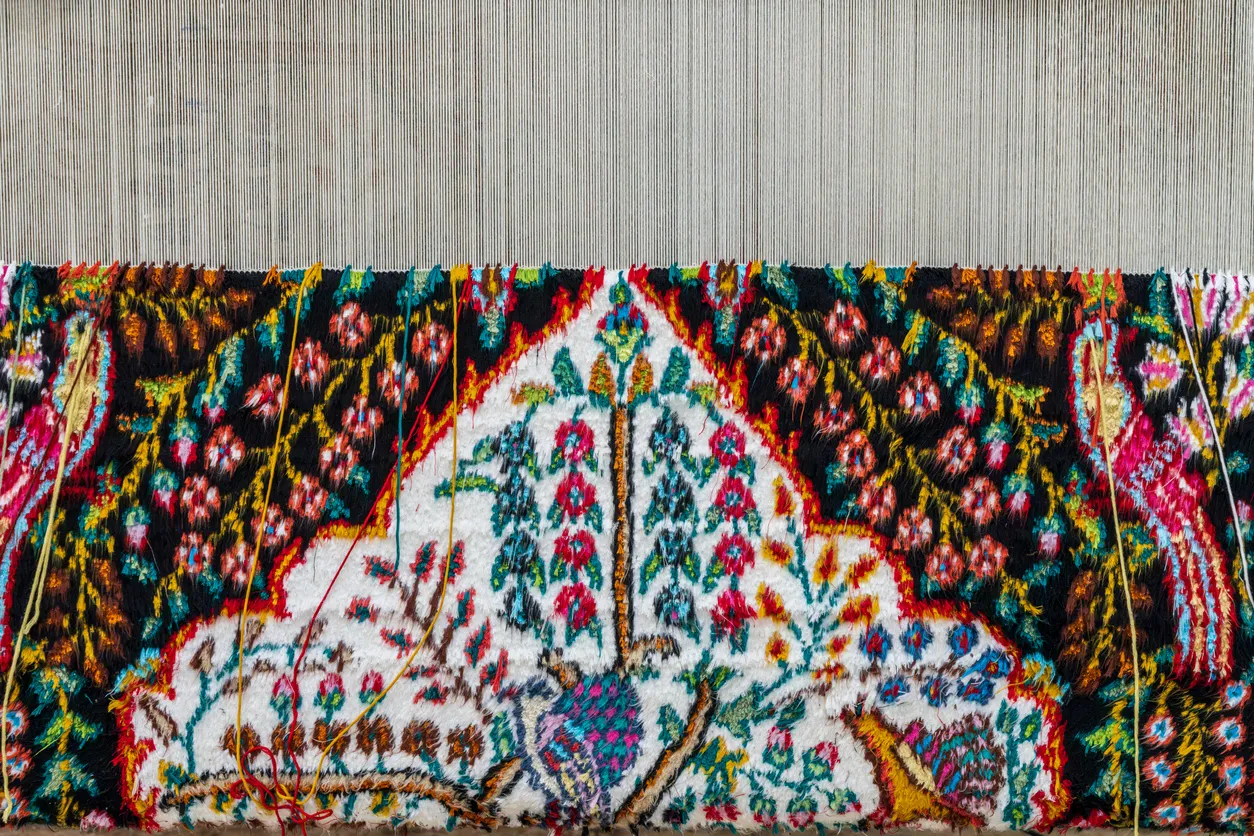
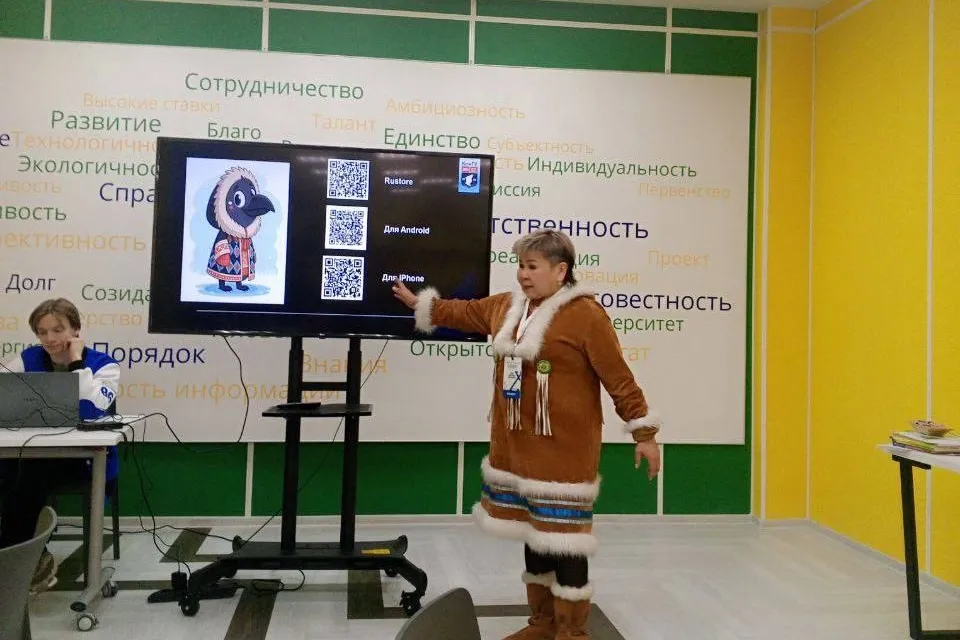
In Russia, a neural network is being used to design the pattern for a unique Siberian carpet, according to the Tyumen Museum and Educational Association. The project is part of the exhibition “The Siberian Pile Carpet,” where visitors actively help shape the final design.
Museum-goers are invited to leave prompts for the AI—sharing emotions, personal stories, and associations connected with carpets. Those inputs are then processed by the neural network, which generates a visual pattern for a new piece of folk art.
Turning Emotions Into Ornament
Rather than asking for technical specifications, the system collects subjective impressions. Visitors describe what a carpet represents to them and the images it evokes. Recognizable details from those stories become the foundation of the design. Museum staff say the neural network translates emotional input into visual form—effectively converting collective memory into ornament.
Once the design is finalized, the carpet will be physically produced at a carpet factory, moving from a digital experiment to a tangible object.
From Folk Art to Fashion
The project mirrors a broader trend in Russia, where neural networks are already used in clothing and textile design. Designers generate ideas with AI, select a preferred concept, and refine it manually. In other cases, finished digital garments are enhanced through AI-powered virtual fitting—“trying on” a dress online to see where it can be improved.
What sets the Siberian carpet apart is its collaborative model. Instead of replacing traditional craftsmanship, AI acts as an intermediary—absorbing human experience and reinterpreting it within the language of folk design.
The result is a hybrid artifact: a traditional carpet shaped by contemporary technology and by the people who contributed their stories, turning a museum visit into a piece of living, woven culture.