Digital Dispatch Platform for Eastern Gas Transmission Networks
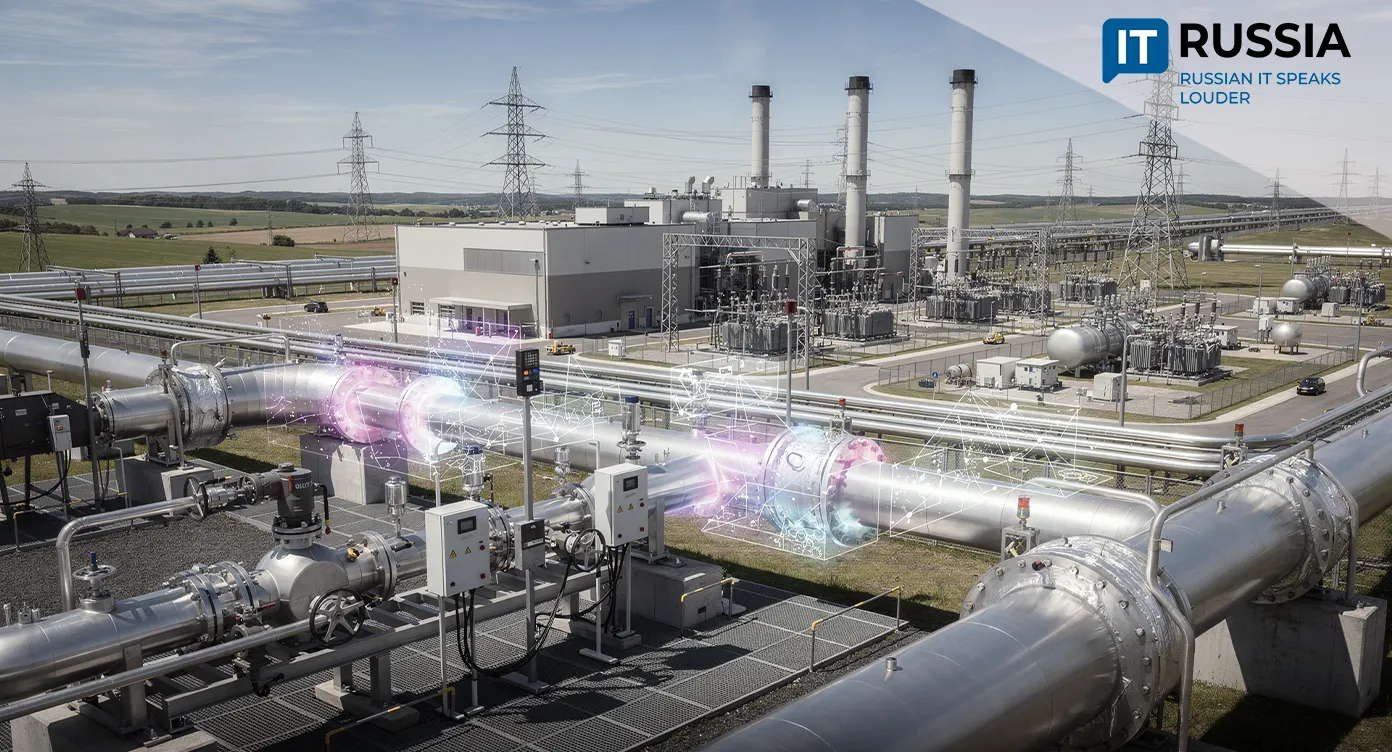
The expansion of Russia's Unified Gas Transmission System, which combines the Power of Siberia pipeline, the Sakhalin – Khabarovsk – Vladivostok pipeline, and the Belogorsk – Khabarovsk section currently under construction, requires a fundamentally new level of digital operations management. Volna Plus, a resident company of the Snezhinsk Advanced Special Economic Zone, is developing a dedicated software platform that will be integrated into the management of this extensive pipeline network.
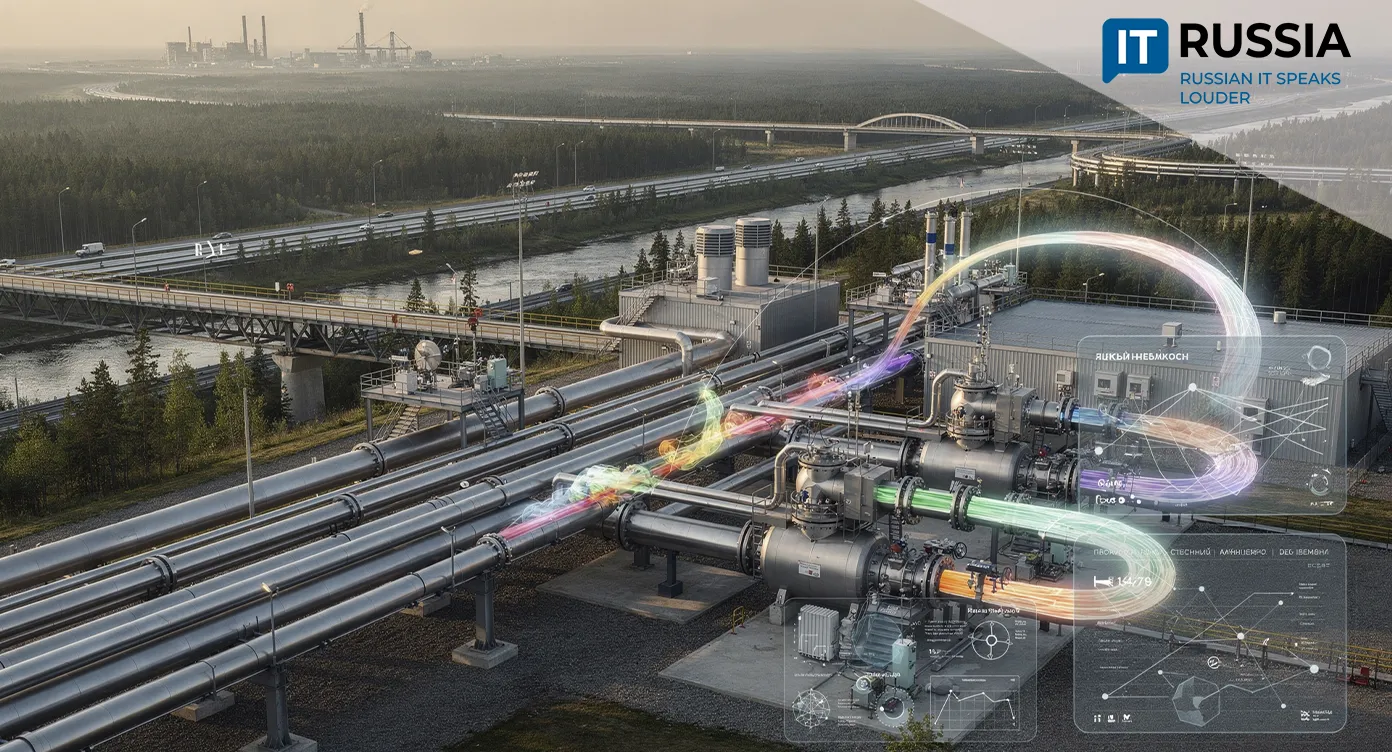
The end customer for the system, which will calculate and monitor changes in the composition of gas transported through trunk pipelines, is PJSC Gazprom. The need for the new software platform stems from the fact that gas enters the network from multiple sources with different physical and chemical characteristics. As those flows are blended, fuel quality can change. Several key parameters directly affect compressor station performance, gas processing operations, and compliance with contractual supply specifications for customers.
The new Volna Plus product will be built on the existing Volna software and computational platform. It already provides a broad range of capabilities, including modeling steady-state and transient operating modes of gas transmission systems, performing real-time calculations, coordinating compressor station operations, optimizing gas transmission network performance, and supporting other operational tasks.
This is not a case of automating a single section of a gas transmission network. Instead, the project is creating a digital operational layer for an international gas infrastructure system that also supports pipeline exports to China. Successfully delivering a solution of this scale will demonstrate the capabilities of Russia's software engineering sector to major international partners.

Expanding Beyond Gazprom
Once the Volna Plus solution is deployed across the Unified Gas Transmission System, it is expected to have significant opportunities for broader adoption, both within Gazprom and as a potential export product. Prospective customers could include major international energy companies and countries investing in the expansion of their own gas transmission infrastructure. To enter those markets, however, the software will need to be adapted to local technical requirements as well as to regulatory and cybersecurity rules governing the deployment of software in critical infrastructure.
In the near term, the project's primary growth opportunity remains domestic deployment. By 2027, the software and computational platform is expected to be implemented across all of Gazprom's gas transmission enterprises.

The Product of Two Major Organizations
Development of the Volna software and computational platform began in 2018 as part of Rosatom's Unified Digital Strategy. The platform was created by the Russian Federal Nuclear Center – Zababakhin All-Russian Research Institute of Technical Physics in partnership with PJSC Gazprom.
A working version of the Volna platform was introduced in early 2019. By 2021, pilot deployments had begun in Ukhta, Tomsk, and Gazprom Kyrgyzstan. In 2023, Gazprom launched a project to deploy Volna across all gas transmission enterprises within Russia's Unified Gas Supply System. During 2024, the platform entered commercial operation at four Gazprom subsidiaries, while preparations for deployment were completed at another twelve. In 2025, Russia's Energy Agency under the Ministry of Energy recognized the Volna software and computational platform as a best practice in digitalization and industrial automation.

A Digital Foundation for the Future Gas Industry
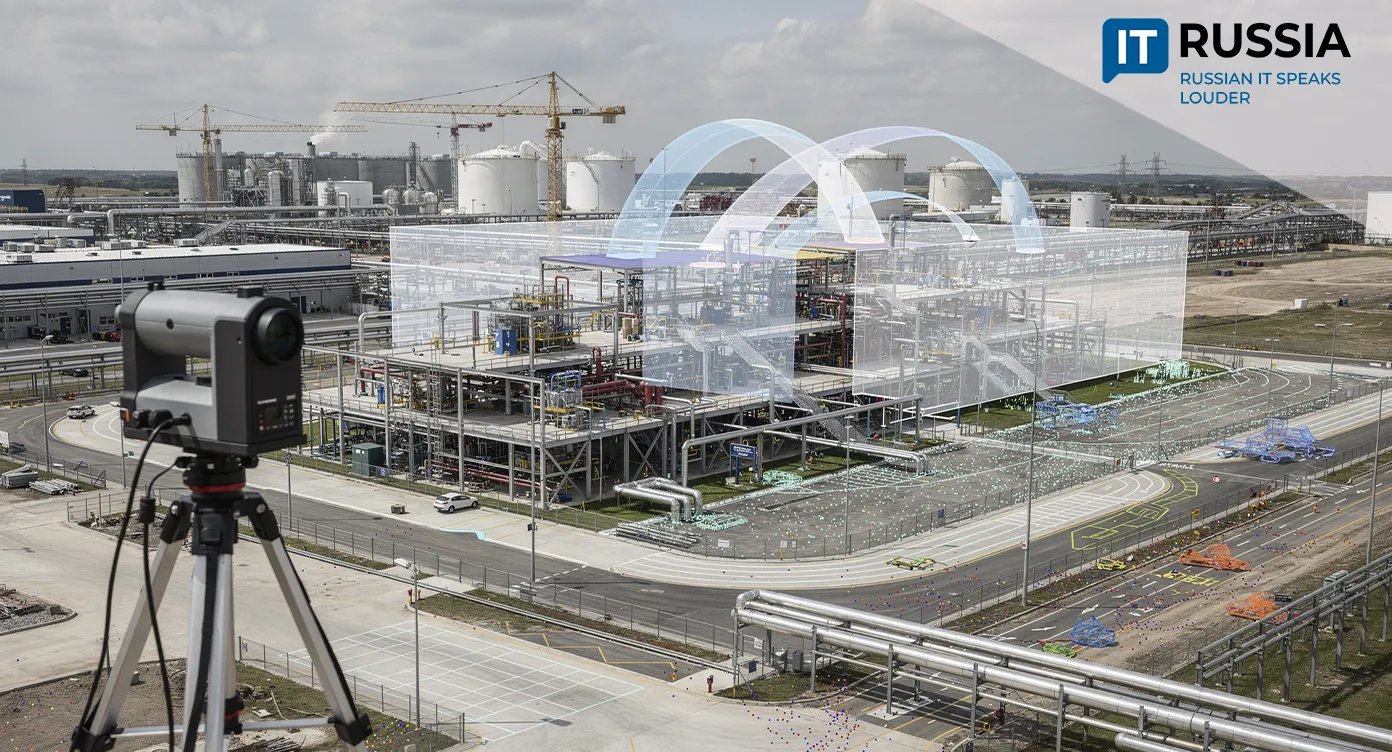
The Volna Plus project demonstrates how Russian engineering software can be applied to critical infrastructure. It combines mathematical modeling, real-time monitoring, and dispatch management capabilities within a unified environment for operating trunk gas pipeline networks.
According to the developers, digital twin technologies are already being used to model gas transmission system operations. The next stage will introduce artificial intelligence algorithms into the Volna software and computational platform to process large-scale operational datasets.
Successful deployment within the Eastern Gas Supply System will represent both an important step toward bringing the Russian-developed platform to international markets and another milestone in building a fully digital management ecosystem for Russia's gas industry.