Another Residential Complex in Tver Gets Smarter
Digital services for housing management are becoming more widespread across Russia. In the Tver region, a 20th residential complex has been connected to the platform Rostelekom Klyuch (Rostelecom Key), clearly illustrating this trend.
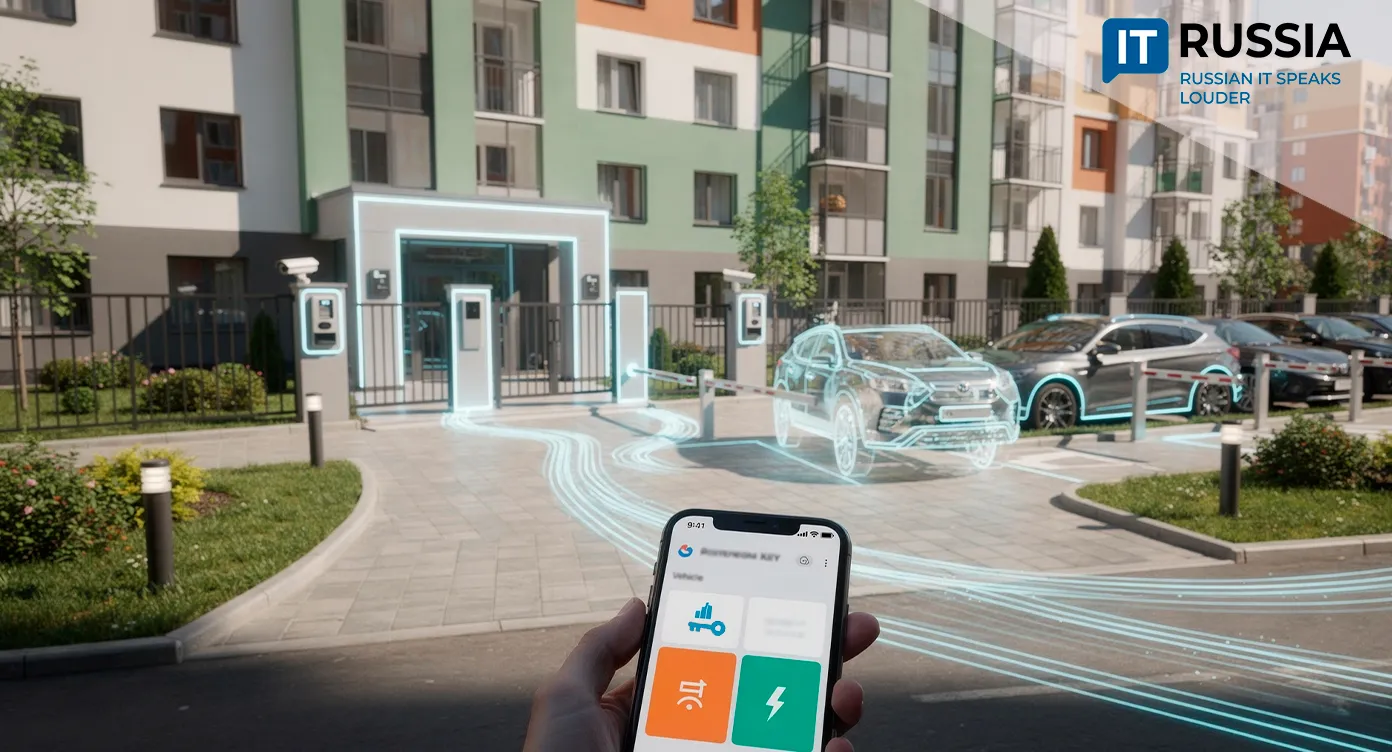
The Novaya Tver residential complex is another major project where an integrated digital solution from Rostelekom Klyuch is deployed. This marks the 20th such complex in the region. Smart intercoms are installed at two gated pedestrian entrances enclosing the residential grounds, as well as across all 16 building entrances. In the Tver region, this is the first project equipped with this number of smart devices.
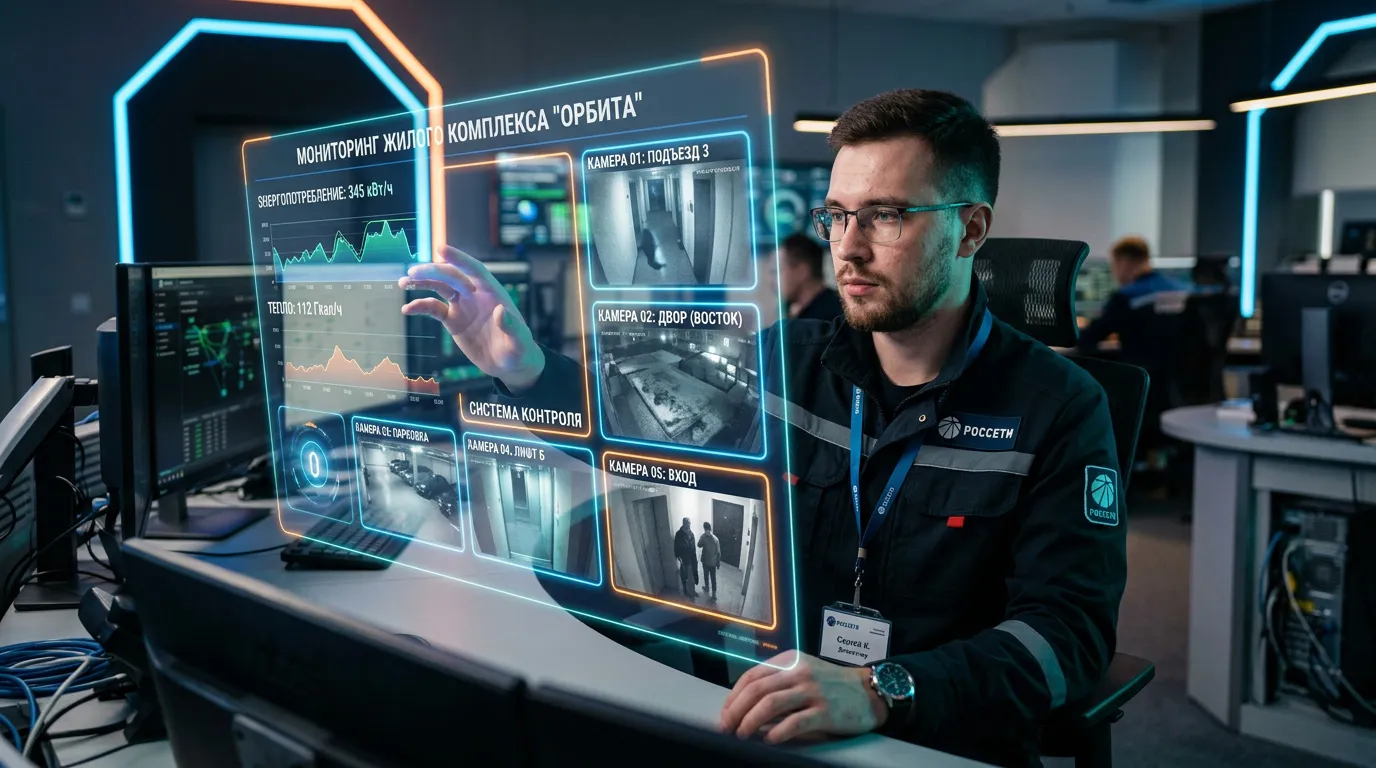
Rostelekom Klyuch is not just a replacement for the traditional intercom key fob. It is a full digital ecosystem that includes smart meters, a video surveillance system, intercoms, an entry barrier at the courtyard gate where applicable, and remote access to all components through a mobile app or a web dashboard.
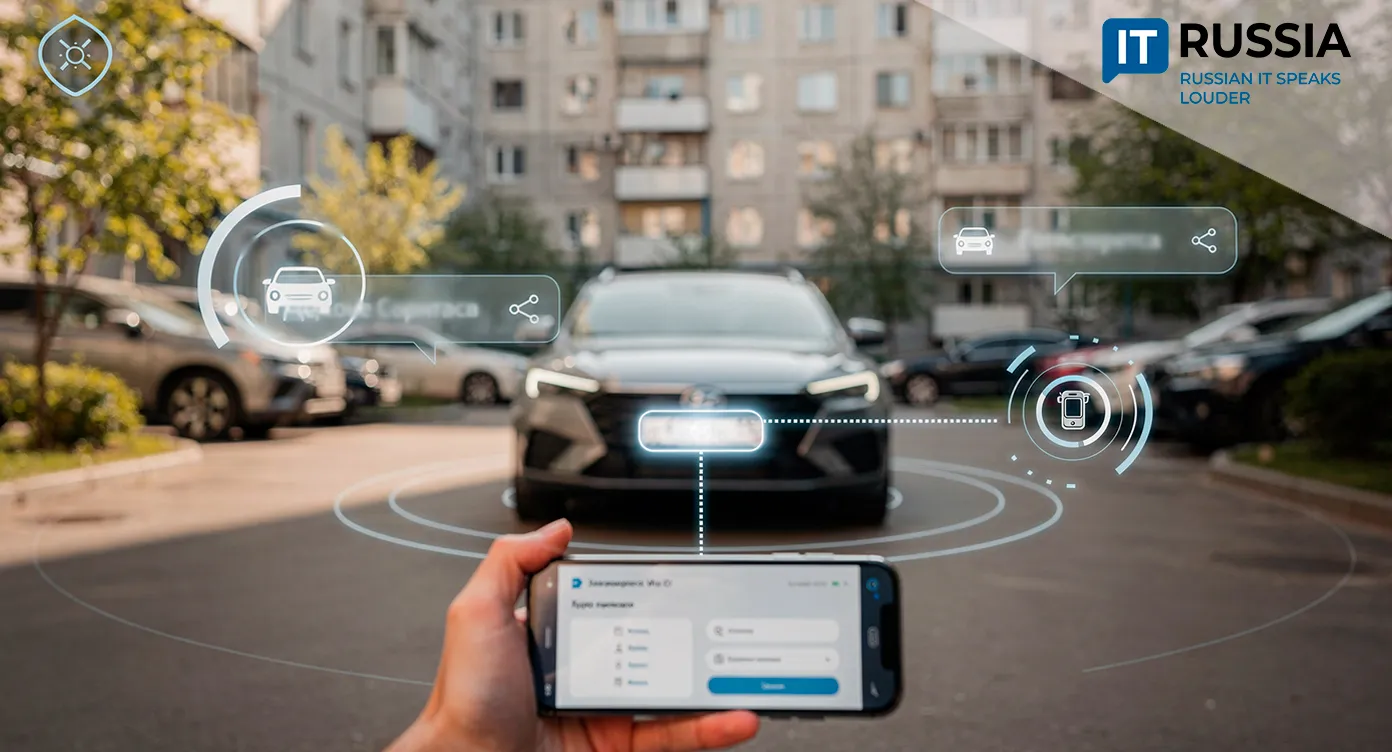
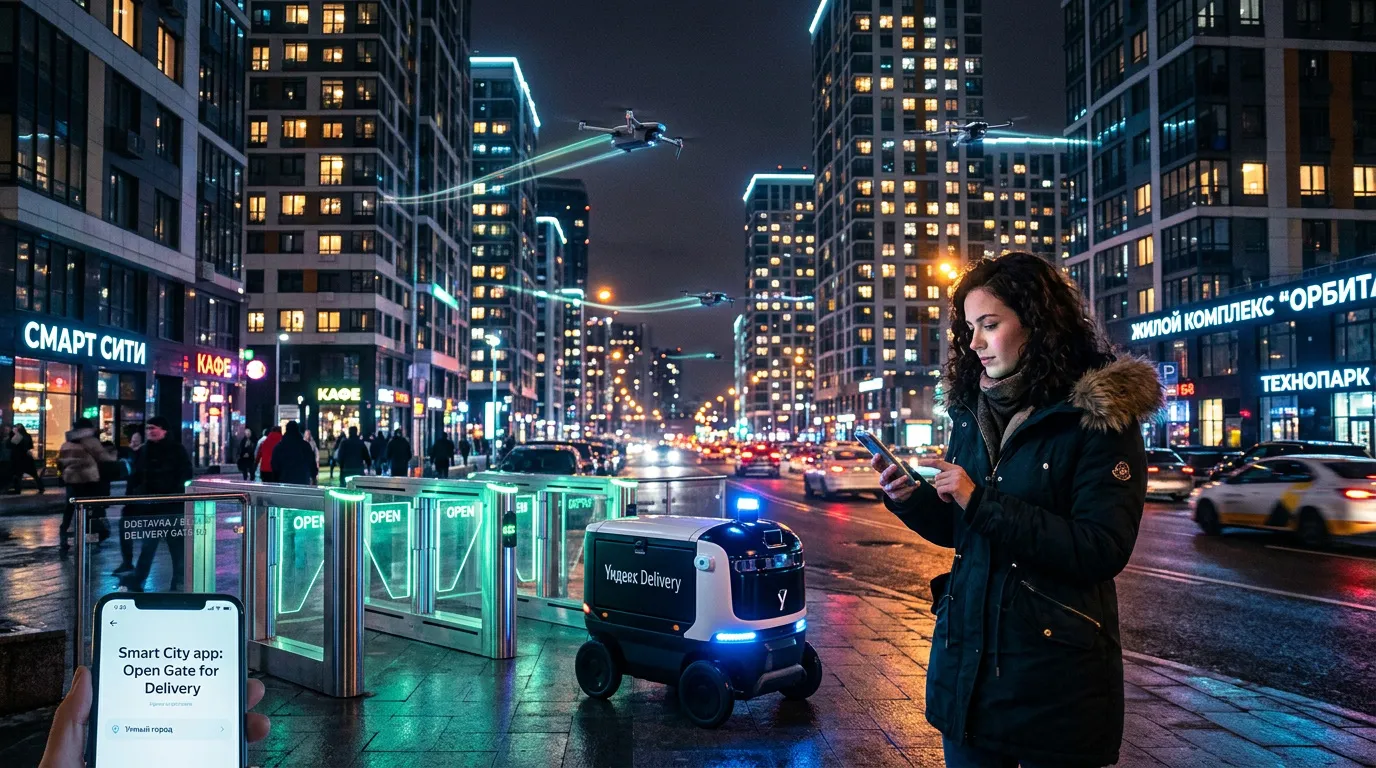
Residents can access video archives, generate one-time access codes for guests, doctors, or delivery couriers. The smart barrier automatically recognizes authorized vehicle license plates and opens accordingly. It also allows emergency vehicles, such as fire trucks and ambulances, to pass without delay.
More than 4,000 apartments in Tver and Nelidovo use the service. More than 50 smart intercoms have been installed. For Russia’s IT market, this shows a platform-based approach, where the focus shifts from deploying individual smart devices to building a connected ecosystem.
From Domestic Rollout to Targeted Export
The rollout of such solutions is currently most promising within Russia. According to the company’s estimates, around 70% of new residential developments are now equipped with modern digital systems. By February 2026, more than 820,000 households were using Klyuch, while the company’s mobile app had been installed by 1.7 million users.
These ecosystems are expected to integrate with building management systems. In addition, they can connect to government digital services such as Gosuslugi Dom (State Services for Housing).
The platform can expand into international markets. Russian digital housing solutions are drawing interest in CIS countries as well as across parts of Asia. Still, the domestic market is expected to remain the primary focus for companies such as Rostelekom Klyuch.
From Pilot to Mass Deployment
The Rostelekom Klyuch service launched in 2019 as a pilot project, initially focused on replacing physical intercom keys. Even at that stage, however, developers built in the foundation for its evolution into a full ecosystem.
By 2021, Rostelekom Klyuch had moved beyond the pilot phase, with 242,000 households using the service. In 2022, the platform was added to the official registry of domestic software maintained by Russia’s Ministry of Digital Development. By the end of 2024, about 600,000 households across 350 Russian cities were using Klyuch, and the number of mobile app users had exceeded 1 million. In 2025, the platform was presented at the Second Russian-Chinese Construction Forum, where it attracted interest from international partners.
Smart Utilities Become the New Normal
The deployment of the service at the Novaya Tver complex is more than just another step in housing digitalization. It shows that smart home systems are no longer a niche solution but are becoming part of core infrastructure. Developers and property management companies now plan such systems at the design stage. At the same time, these technologies increase property liquidity.
In the coming years, adoption of such solutions is expected to accelerate in new developments, while existing housing stock will also be upgraded. Digital environments will become part of everyday life for millions of residents. That, in turn, will improve both quality of life in cities and the efficiency of housing and utilities systems.