

Moscow Plans a Major Expansion of Delivery Robots by 2026
The Russian capital says the number of sidewalk delivery robots will jump from a few hundred to as many as 3,000, scaling up one of the world’s most visible urban robot fleets.
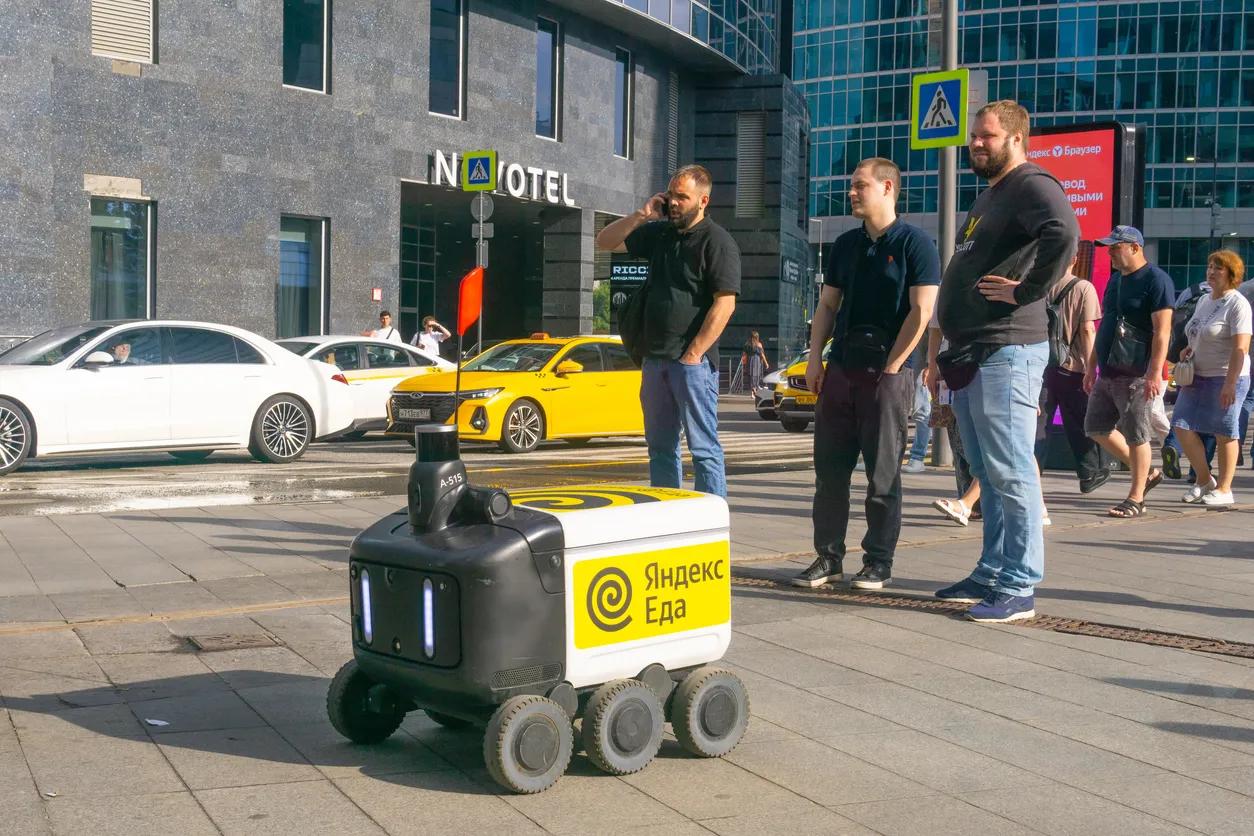
Moscow plans to sharply increase the number of delivery robots operating on its streets in 2026, according to city officials. About 200 robots are currently in service. By the end of next year, that figure is expected to reach up to 3,000, the Moscow city government said.
The autonomous delivery machines are used for short-range logistics, typically covering distances of up to two kilometers. Each robot can handle as many as 15 orders per day, focusing on last-mile delivery in dense urban neighborhoods.
From Pilot to City-Scale Deployment
Moscow’s first delivery robot appeared on city sidewalks in 2020. Since then, the fleet has completed more than 850,000 deliveries, traveling a combined 1.8 million kilometers.
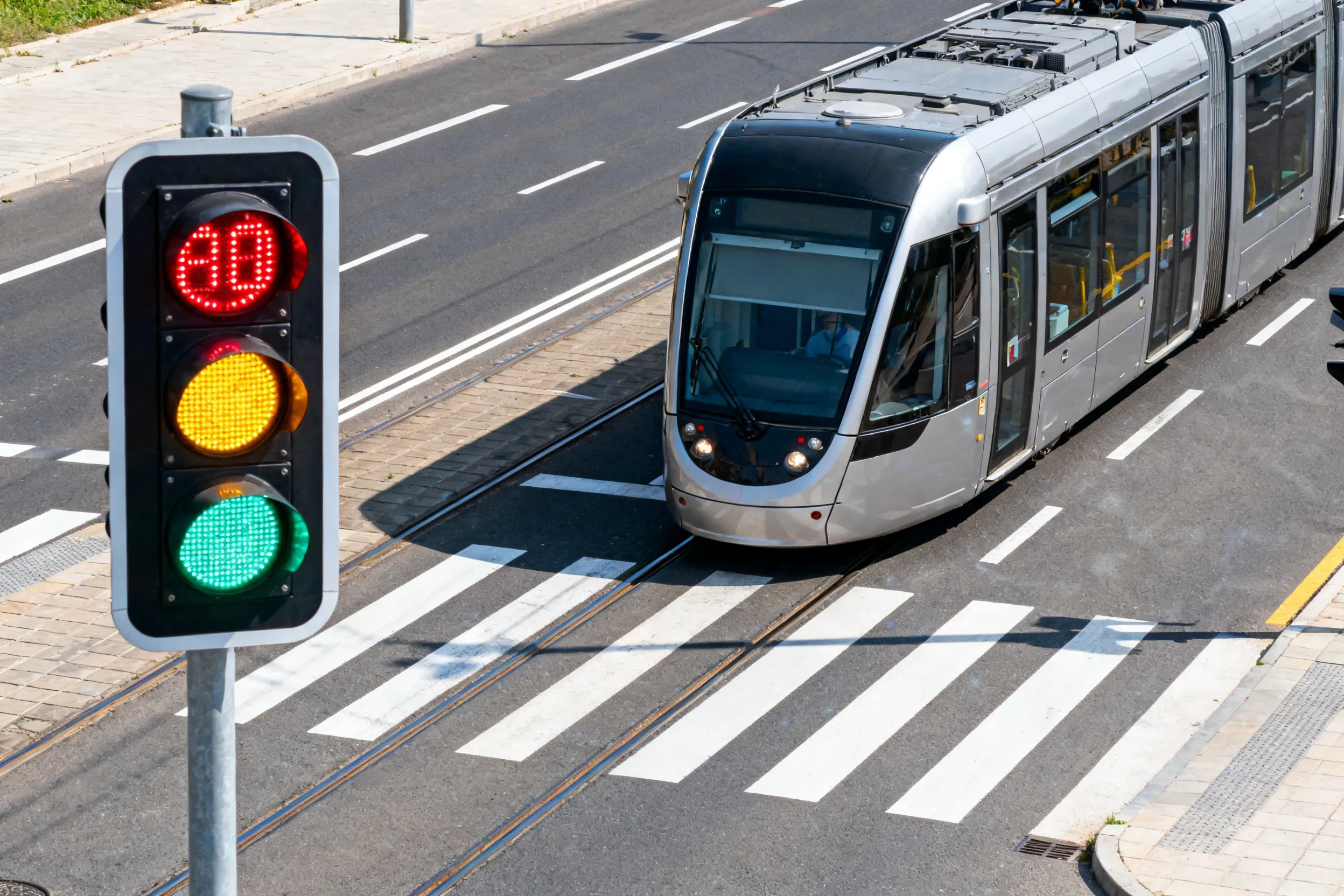
The robots move at an average speed of about 4 kilometers per hour and are supervised by remote operators. They navigate city streets using onboard sensors, recognize traffic lights and road signs, and can independently select routes through the urban environment.
Part of a Broader Autonomous Push
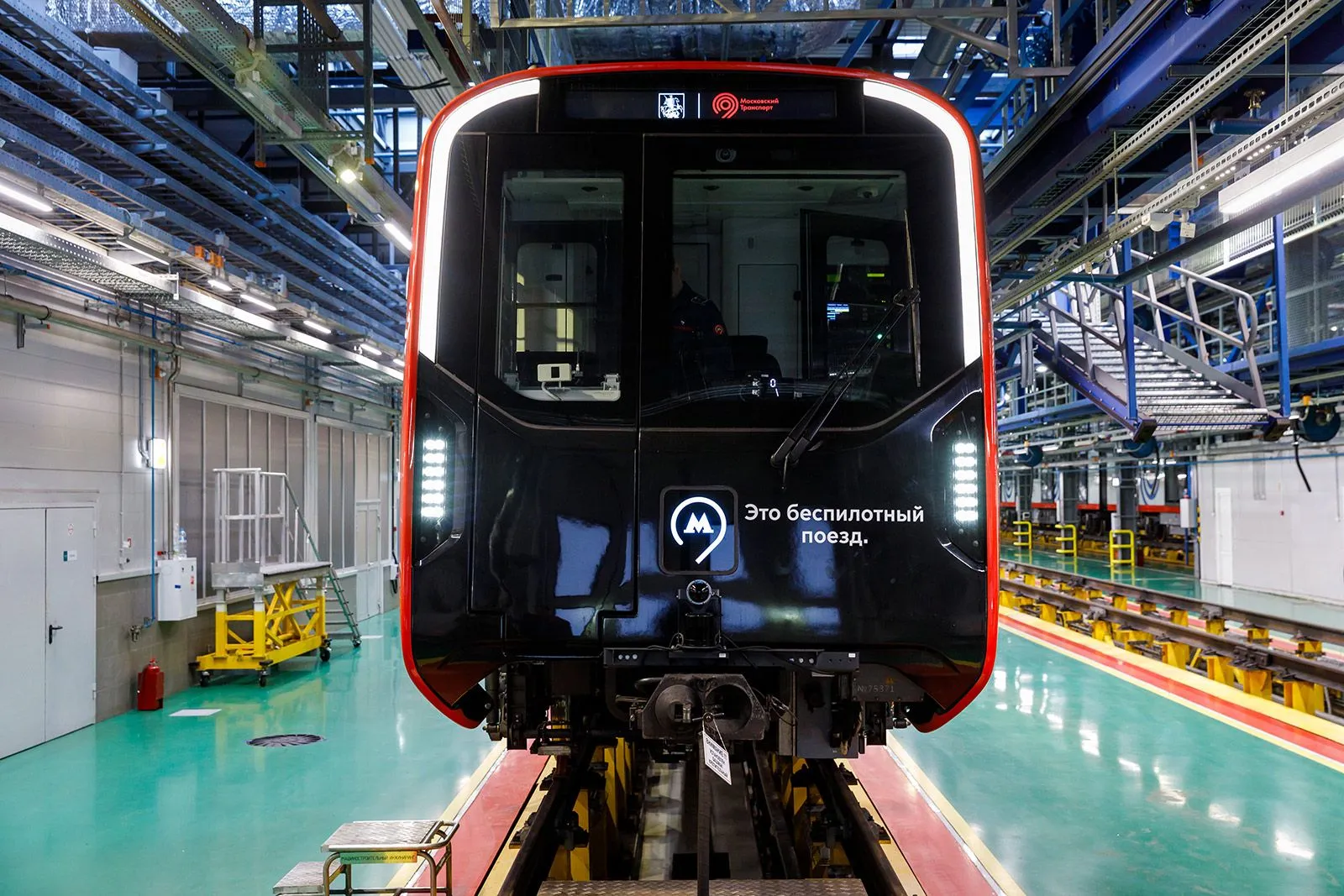
City officials frame the delivery robots as part of a much larger shift toward autonomous transport in Russia. Alongside sidewalk couriers, the country is rolling out autonomous trucks and trains, including driverless metro systems, electric vehicles, agricultural tractors, and heavy-lift drones designed for cargo delivery.
With the planned expansion, Moscow is betting that delivery robots can move beyond novelty and pilot programs—becoming routine infrastructure for urban logistics. If the rollout succeeds, city sidewalks could soon be shared not just with pedestrians and cyclists, but with thousands of small, slow-moving robots quietly handling everyday deliveries.