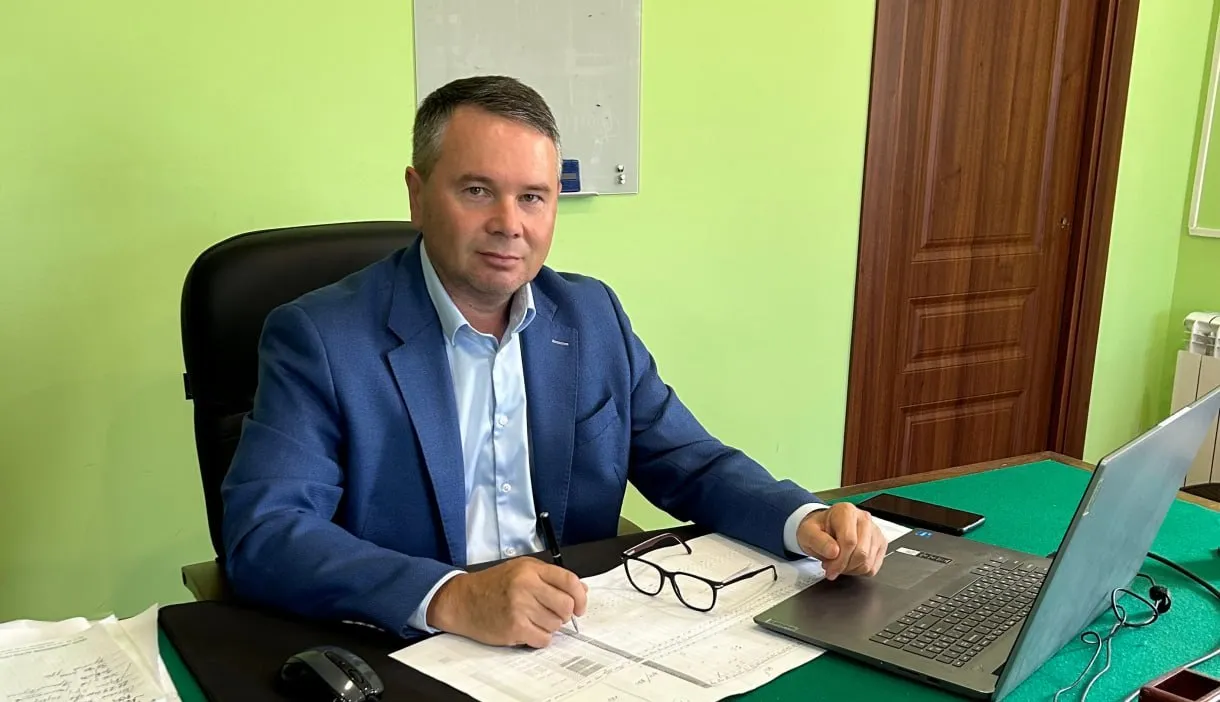
Natalia Markova: “Our Digital Reality Has Overtaken the Visions of Sci-Fi Writers”
A Russian property tech expert explains how smart home technologies are reshaping everyday life – not just in individual flats, but across entire residential districts

In Russia, not only individual homes but entire neighbourhoods are becoming “smart”, according to Natalia Markova, Head of Product at the development company Novaya Era, speaking to IT-RUSSIA.
– To enter a building, you simply look into a camera – door entry systems recognise residents and visitors by face. LED streetlights fitted with motion sensors activate only when needed. New energy-efficient buildings retain heat and conserve natural resources. The future imagined by 20th-century science fiction writers has arrived in our homes and flats.
– What, in your view, is the most impressive innovation currently being used in Russian construction?
– As someone who has spent more than 20 years in the construction sector, I’m genuinely amazed by the pace of transformation. Not so long ago, monolithic concrete construction was considered cutting-edge. Now developers are preparing to industrialise additive technologies that allow entire buildings to be constructed using 3D printing.
In Robert Sheckley’s 1955 short story The Necessary Thing, he described a device called a “configurator” capable of producing any object at the push of a button. Today, that idea no longer belongs to science fiction – it is becoming reality. 3D printers are not only real, they are already being used on construction sites. What’s more, these innovations have reached the level of state oversight and regulation: national standards for additive construction have already been approved, and a dedicated roadmap is in development. Digitalisation and construction robotics are now among the defining trends shaping the industry.
– What does the most advanced smart home look like today?
– Compared with what is already happening in everyday life, the futuristic visions of science fiction writers sometimes seem surprisingly modest – our reality has overtaken them. In The Martian Chronicles, published in 1950, Ray Bradbury anticipated the emergence of smart home systems. He described houses equipped with automated technologies, where robots handled domestic tasks. Yet modern residential developers have gone far beyond that vision by embedding next-generation digital solutions into entire complexes.
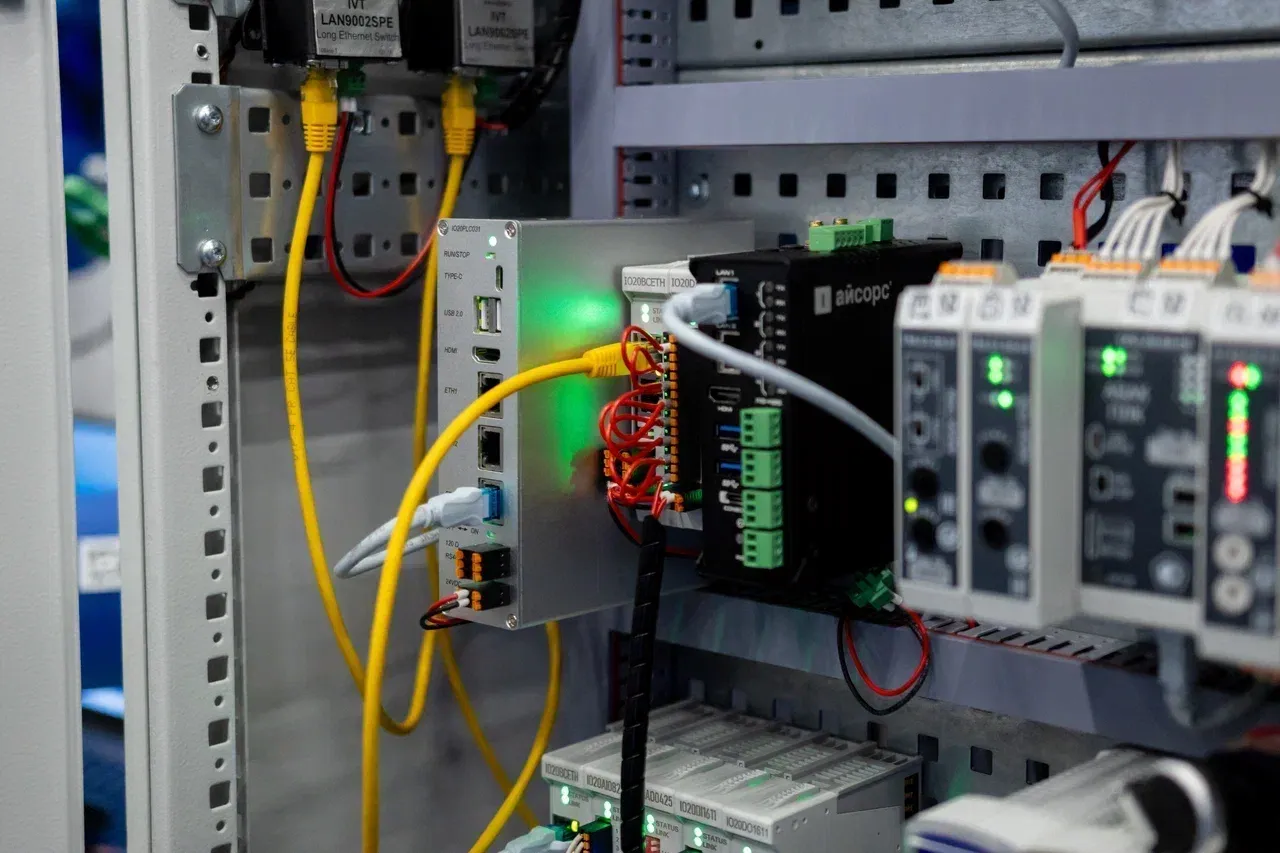
For example, the Kod Sokolniki project uses Virtualny Kontroller (Virtual Controller) developed by Aysors. This is a proprietary Russian IT solution with no full equivalents on the domestic market, and it is being deployed in residential real estate for the first time. The intelligent system allows residents to interact seamlessly with multiple devices in their flats – managing climate control, lighting systems, and setting parameters based on the season, time of day, and the broader ecosystem of the building. Residents are offered ready-made scenarios tailored to individual needs. It also serves as an effective energy management tool, optimising resource consumption and reducing operational costs.
– How widely are virtual reality technologies used in construction today?
– Once again, it’s worth recalling science fiction. In the last century, writers were only just imagining technologies capable of creating immersive virtual worlds. In 1996, Tad Williams published City of Golden Shadow, describing access points – “nodes” – that connect different realities and allow characters to move between them.
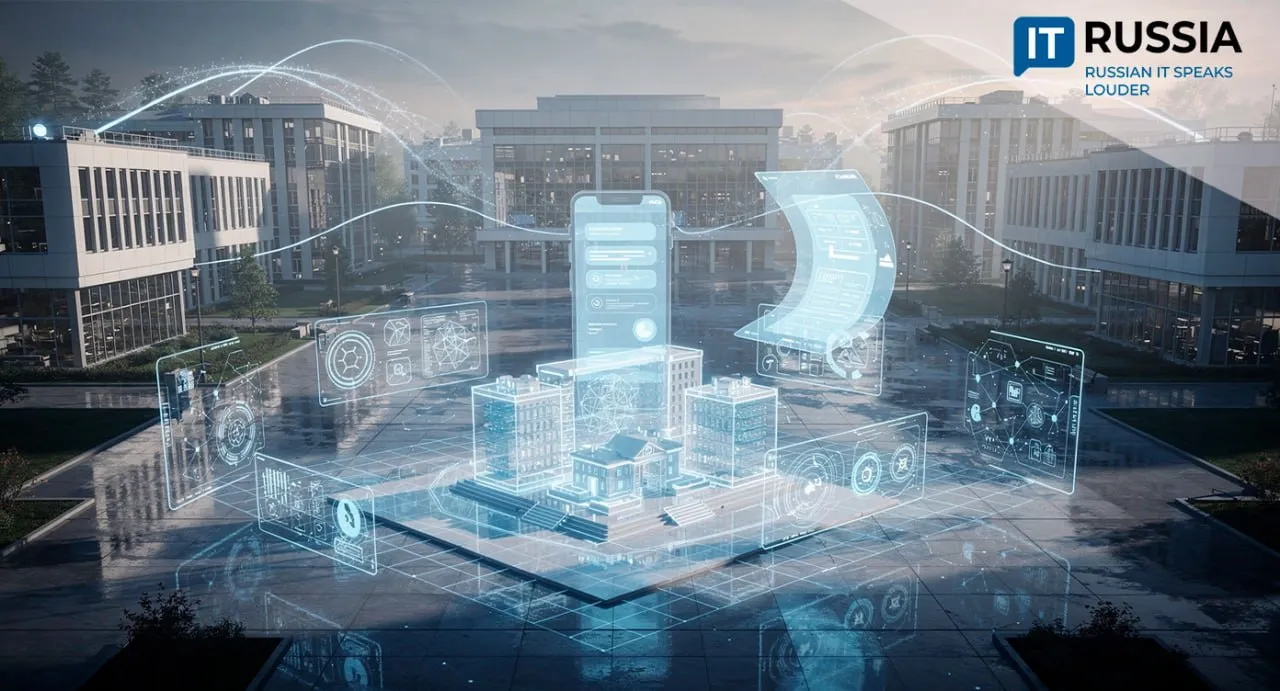
Today, we interact with one another and with digital objects at multiple levels using virtual reality technologies. Developers rely on three-dimensional models of buildings, roads, underground utilities, and communal outdoor areas that evolve throughout the entire lifecycle of a residential district. These systems help specialists detect and resolve design clashes during both the planning and construction phases, reducing errors, cutting costs, and ultimately delivering safer and more efficient living environments.
– There is a strong trend today towards natural materials, sustainability and living closer to nature. How can that be combined sensibly with digital technologies?
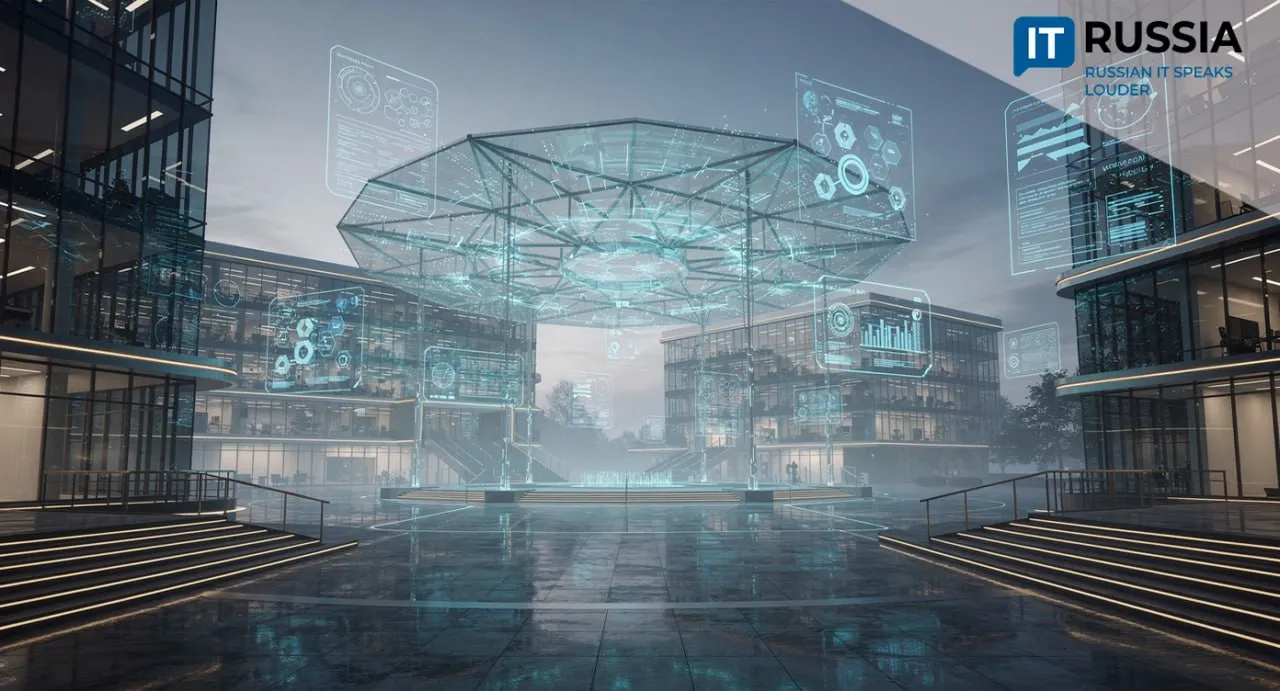
– Arthur C. Clarke’s dystopian fiction carried a clear warning: cities must exist in synergy with their natural surroundings. Today’s construction technologies allow us to do exactly that. One of the key tools is energy modelling. Even at the design stage, developers use specialised software that factors in a wide range of environmental parameters – a building’s orientation, prevailing wind direction, solar exposure. The systems even calculate the amount of heat generated by the building’s equipment.
All of this makes it possible to determine precisely how much energy a site will require for heating, electricity and water supply, and how those demands will affect the surrounding environment. We are now able to create energy-efficient “green” neighbourhoods that conserve resources, reduce greenhouse gas emissions and integrate smart homes and flats managed through digital systems. And none of this belongs to science fiction anymore.






![Astra AI [Code] vs. Open Source: Why Deploying an Open Model in a Secure Environment Is Costly and Risky](https://storage.yandexcloud.net/itrussia/uploads/c3b5b6da-1bf7-49cb-817e-0bab1cea8cff.webp)