Olga Shkryaba: “AI Is No Longer a Tool – It’s Becoming a Full Participant in Business Processes”
Russia Develops Neural Network That “Humanizes” Text

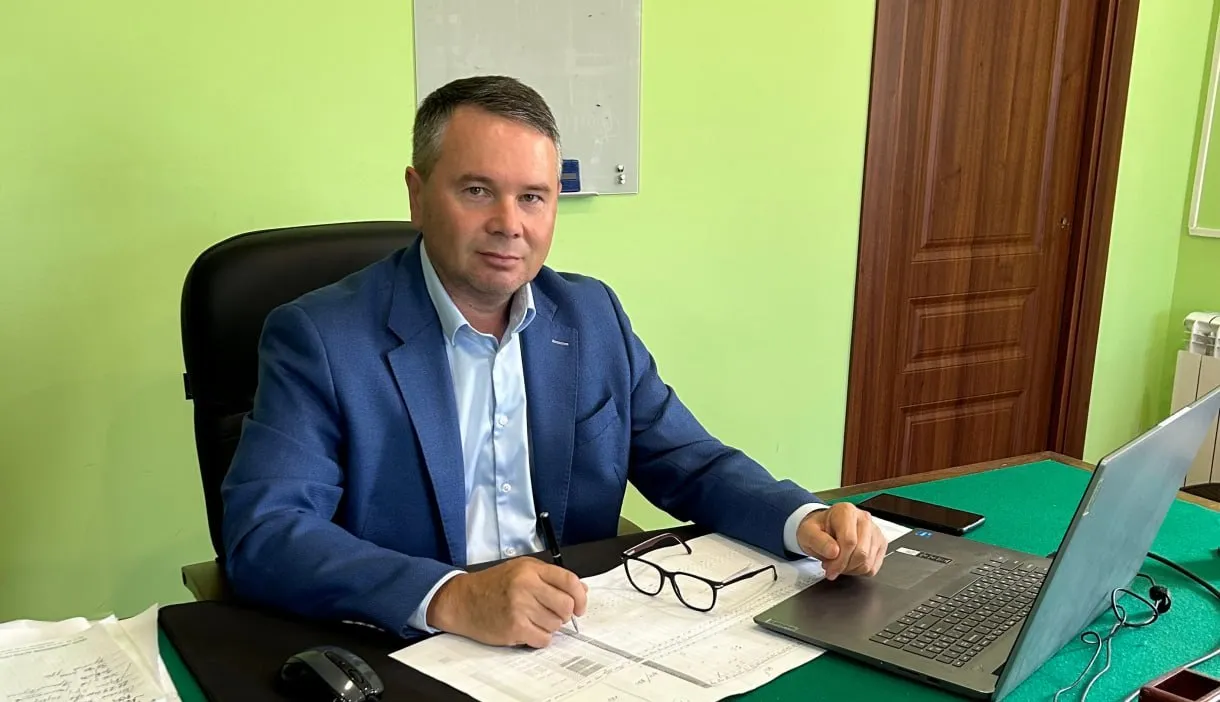
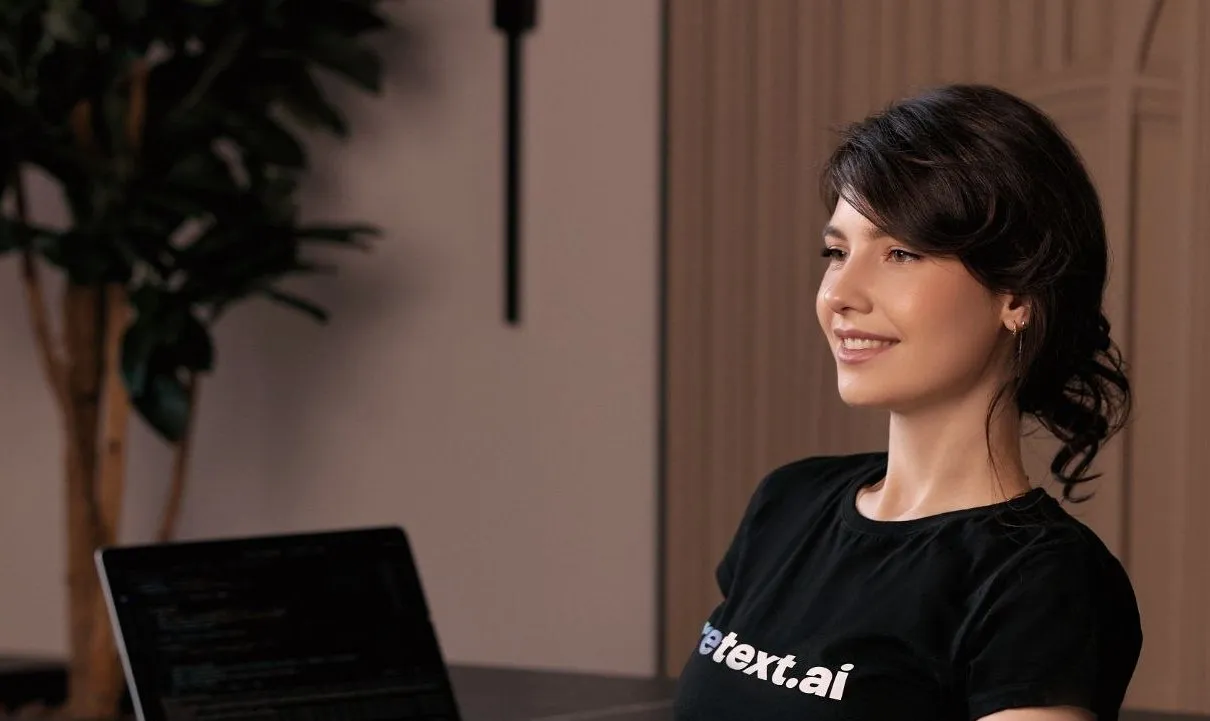
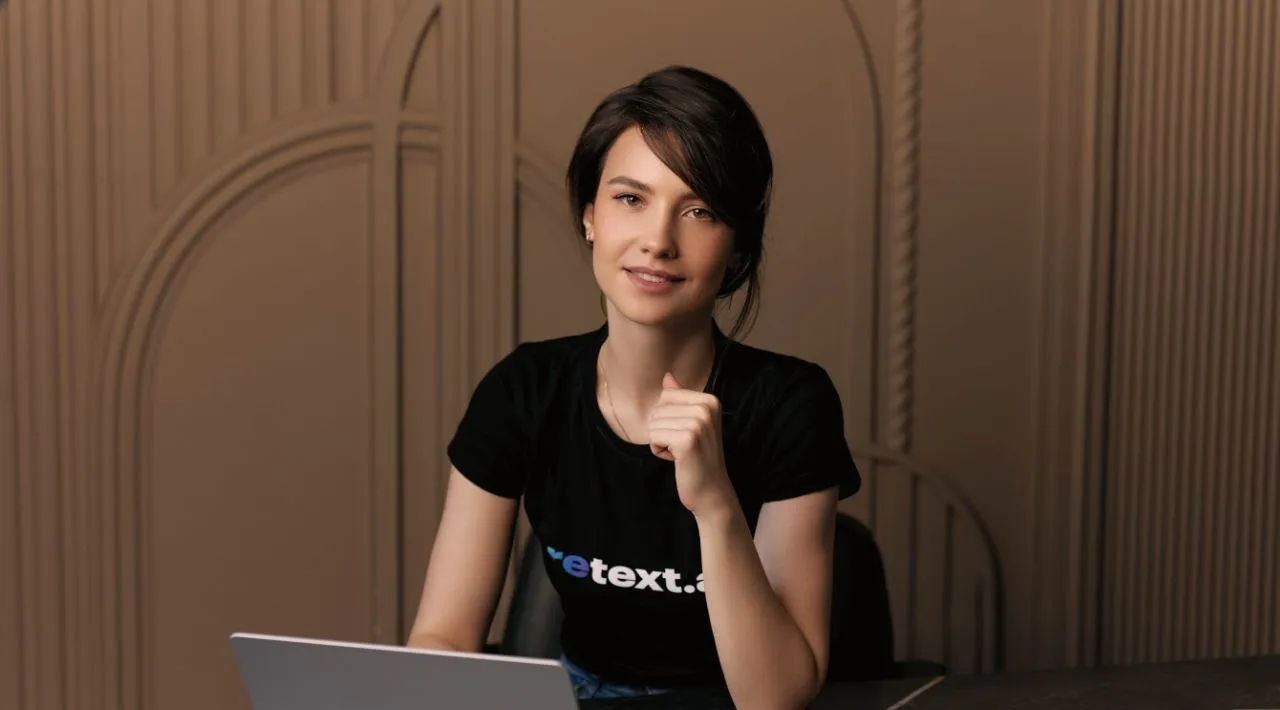
Olga Shkryaba, founder of the AI text service ReText.AI, believes artificial intelligence is rapidly evolving into a fully fledged member of the workforce. When companies are overwhelmed with unresolved requests, constantly short on written and video content, and employees spend hours repeating the same tasks, it is time to automate. Businesses that have already embedded AI into their workflows are beginning to see clear gains.
Making AI Sound Human
– Olga, how did ReText.AI begin, and what can it do today?
– We’ve noticed that most text tools are essentially basic synonymizers – they swap out words but don’t actually rephrase meaningfully.
We decided to build a neural network that could rewrite text while preserving meaning, but changing both phrasing and structure. From the start, ReText.AI was designed for focused work with text rather than trying to become a universal model “for everything.” Today, it not only generates content but also checks grammar, explains language rules, rewrites text, and handles a range of analytical and statistical text tasks. It’s not just about generation – it’s about analysis too.
– You’ve introduced a “humanization” feature that removes formulaic phrases and that “machine-like” tone. How does that work?
– At first glance, it does sound a bit paradoxical – a neural network making text more “human.” But in practice, it’s simply a response to a new reality. A huge volume of content is now generated by AI, and much of it tends to feel formulaic. The “humanization” feature helps strip out that sameness, making language more natural and varied.
– Where is the technology already being used?
– Smaller e-commerce businesses use ReText.AI to create product listings and website copy. That significantly speeds up content production and reduces copywriting costs.
More recently, we’ve seen growing demand for something else – detecting AI-generated content. Our AI detector is now widely used in education, media, and marketing agencies. Editorial teams check texts before publication, while educational platforms review student work. We’re also seeing interest from companies that want to understand which content is created independently by employees and which relies on AI tools.
Sometimes the product ends up being used in unexpected scenarios – for example, reviewing applications, résumés, or user-generated content on digital platforms.
What the Market Expects
– What do market participants expect from these kinds of neural networks?
– Today, almost every company wants to adopt AI. The challenge is that many still don’t fully understand how to do it without disrupting existing workflows. That’s why the work often goes beyond simply providing an API – it also involves helping companies integrate AI into their infrastructure in a way that actually fits how they operate.
– What key digital trends are you seeing in the Russian market?
– The first is the large-scale automation of routine tasks using AI. The second is growing demand for tools that verify content and detect deepfakes. And the third is the integration of AI directly into business workflows, rather than treating it as a standalone service.
It’s Time to Learn AI
– AI is already being introduced into school curricula. Is this the right moment?
– What matters is teaching students not just how to use neural networks, but how they actually work – what data is, how models are built, and where errors and limitations come from. The most important skills are critical thinking and the ability to frame problems clearly. In my view, the overall approach to education needs to evolve.
Historically, education has relied heavily on memorizing large volumes of information. This approach is becoming less relevant. What matters far more now is the ability to work with data, analyze it, and use tools effectively, including AI.
– As the head of an engineering team, what advice would you give to a high school student choosing a path in IT? And is there room for women in the field?
– Don’t try to guess which technology will become the most fashionable. It’s better to focus on fundamentals – mathematics, algorithms, data work, and programming. Technologies change quickly, but core knowledge remains valuable over time. I’ve always been curious about how things work and whether they can be improved.
As a woman, I didn’t face any major barriers. There may be some bias in certain cases, but in IT, results tend to speak for themselves. When you have real projects and experience, most of those questions disappear.








![Astra AI [Code] vs. Open Source: Why Deploying an Open Model in a Secure Environment Is Costly and Risky](https://storage.yandexcloud.net/itrussia/uploads/c3b5b6da-1bf7-49cb-817e-0bab1cea8cff.webp)