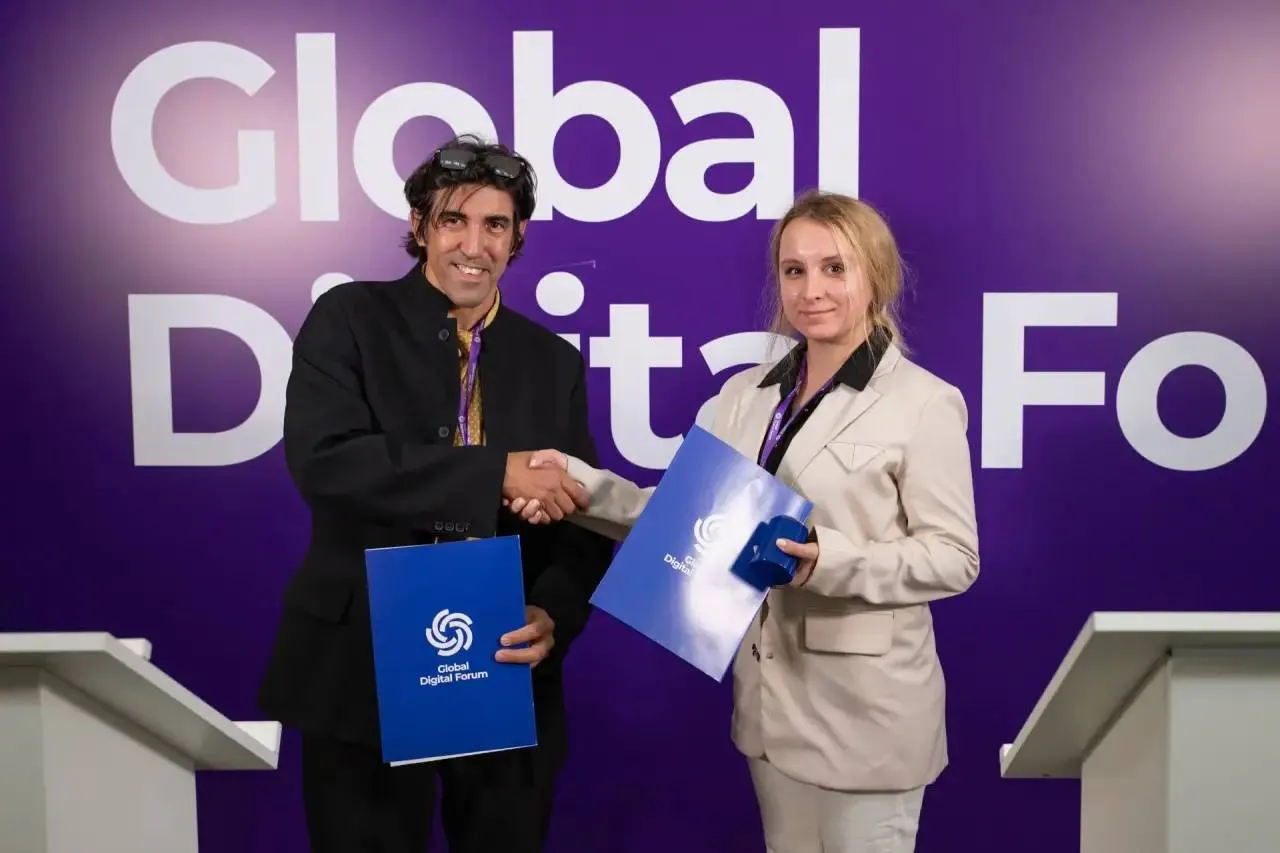
Omoruyi Edwin: “I Expect This Forum to Treat African Technology Professionals as Partners”
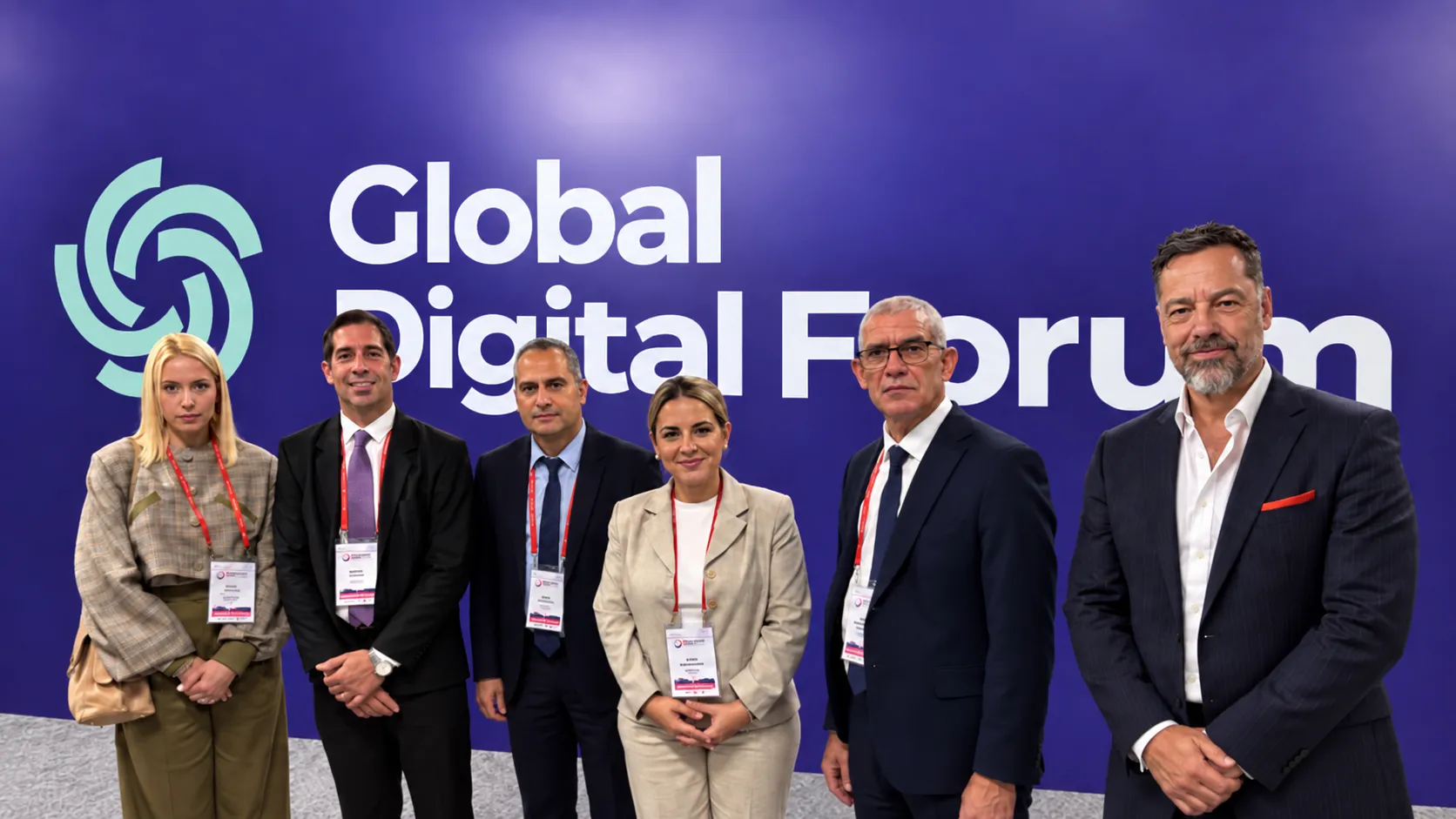
On October 8–10, Moscow will host the II Global Digital Forum.

The expert platform will bring together representatives from different countries to compare approaches to digital transformation and technological sovereignty. Discussions will also focus on infrastructure development and on how to turn international IT cooperation into practical initiatives through joint projects, exports of digital solutions, and long-term partnerships at the regional and international levels.
On the eve of the forum, Omoruyi Edwin, CEO of Cloud Technologies (Nigeria), told IT Russia why he is traveling to Moscow, what four areas are on his agenda, and why it is important to him that cooperation should go beyond simply exporting ready-made solutions.
– I arrive in Moscow with one clear expectation, to leave with concrete next steps in training, exchanges and joint projects in technology and digital media. My agenda rests on four points. 1. digital transformation in agriculture. 2. cybersecurity. 3. Russia's policy approach to partnering with local startups and knowledge exchange. 4. sustained engagement beyond the Global Digital Forum itself.
Africa is young, and the people who will use the next generation of technologies are already building. Mobile money and fintech companies across Lagos and the continent show what local talent can do when given a real problem to solve. I expect this forum to treat that talent as a partner, not only a market.
1. DIGITAL TRANSFORMATION IN AGRICULTURE
Farming still employs most Africans, largely smallholders with little data on soil, weather or markets. Affordable sensors, satellite imagery, drones and AI can tell a farmer when to plant, how much to irrigate and where to sell.
Russia is a major agricultural exporter moving toward satellite monitoring and digital decision-support systems. I have not yet found a Russian programme bringing these tools to African smallholders, so I want to learn how that experience could be adapted to our conditions.
2. CYBERSECURITY
As banking, government services and business move online, cyberattacks follow, and many African countries lack enough trained specialists to respond.
Zimbabwe and Russia's Cyberus Foundation aim to train over 10,000 young people, and Kaspersky has trained about 40 law-enforcement officers from 23 African countries with AFRIPOL. Such programmes work best when ongoing, involving real knowledge exchange, and placing trained people in national institutions, building experience that allows African specialists to compete globally without leaving the region.
3. RUSSIA'S POLICY APPROACH: PARTNERING WITH LOCAL STARTUPS AND KNOWLEDGE EXCHANGE
Through the African Union, African countries are shaping shared, common positions on AI, data flows, and digital trade, and I would like to understand Russia's approaches and its impact on continental cooperation. I want to hear from Russian technology companies about their appetite for partnering with African startups, not simply exporting finished solutions, so knowledge and capability transfer runs both ways.
4. SUSTAINABILITY BEYOND THE GLOBAL DIGITAL FORUM
A forum is only as valuable as what survives after delegates go home. I look forward to exchanging ideas with delegates and institutions from around the world, but I hope to leave Moscow with concrete next steps on training, exchanges and joint projects, and a clearer sense of how these conversations continue once the Forum has ended.