Russia to Tell the Story of Digital Development Through Moskva v Tsifre
A new popular science series exploring the history of Moscow’s digital services has attracted millions of views.
The popular science series Moskva v Tsifre (Moscow in Numbers), dedicated to the digital development of the Russian capital, has surpassed 3.5 million views. The project is timed to coincide with the 30th anniversary of Runet. The film traces how technologies gradually entered everyday urban life and changed it for the better.
Thirty Years in Four Episodes
The series was released in a four-episode format on Russian platforms including Rutube, VKontakte, and streaming services. In each episode, experts explain how life in Moscow has evolved since the early 1990s and how digital services were gradually introduced into the city’s daily routines. The film follows their development up to their current state.
From a Complaints Book to an Ecosystem
According to the Moscow Department of Information Technology, the series is built around concrete examples. Viewers see how the mos.ru portal grew from a simple electronic complaints book into the backbone of the city’s digital ecosystem. Separate segments are devoted to healthcare services, transport, and urban utilities.
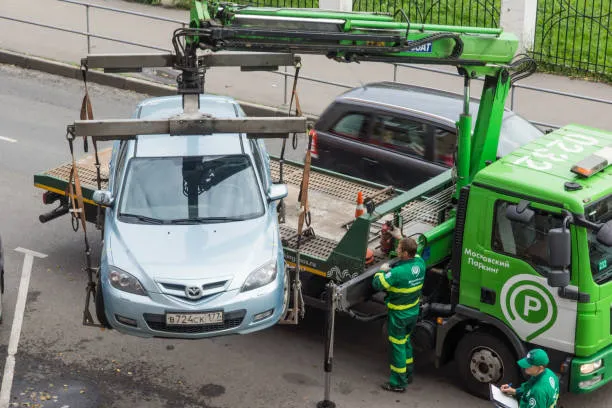
The film provides a detailed look at how modern urban technologies work in practice. Laser systems measure snow volumes and help plan street cleaning. Artificial intelligence analyzes medical images and suggests possible diagnoses to doctors. Neural networks monitor the cleanliness of courtyards and streets by processing camera data. Biometrics make it possible to pay for travel on the metro and buses without a bank card or smartphone. A digital twin of the city helps model development and plan infrastructure projects.
Nostalgia and the Future
The Moscow Department of Information Technology’s press service notes:
The project is aimed at a broad audience, and different age groups perceive it in different ways. Older viewers recall the era of queues and paper documents. Younger audiences see how now-familiar services emerged, such as the Moscow Electronic School, online doctor appointments, and the Muscovite card. The film demonstrates that digital technologies in Moscow have become an integral part of life for both residents and visitors.