SUBR Automation Learns to Distinguish Load Types
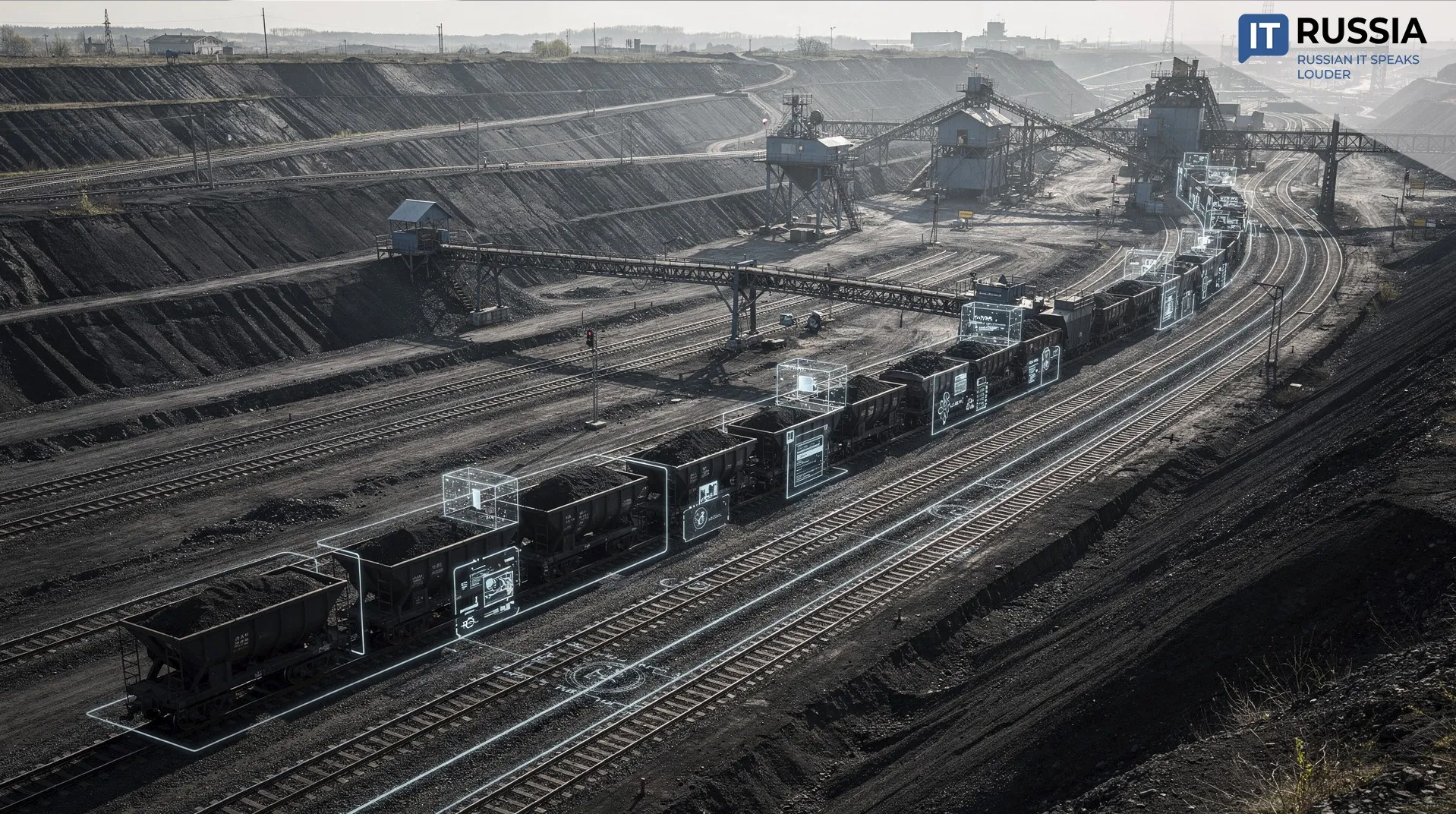
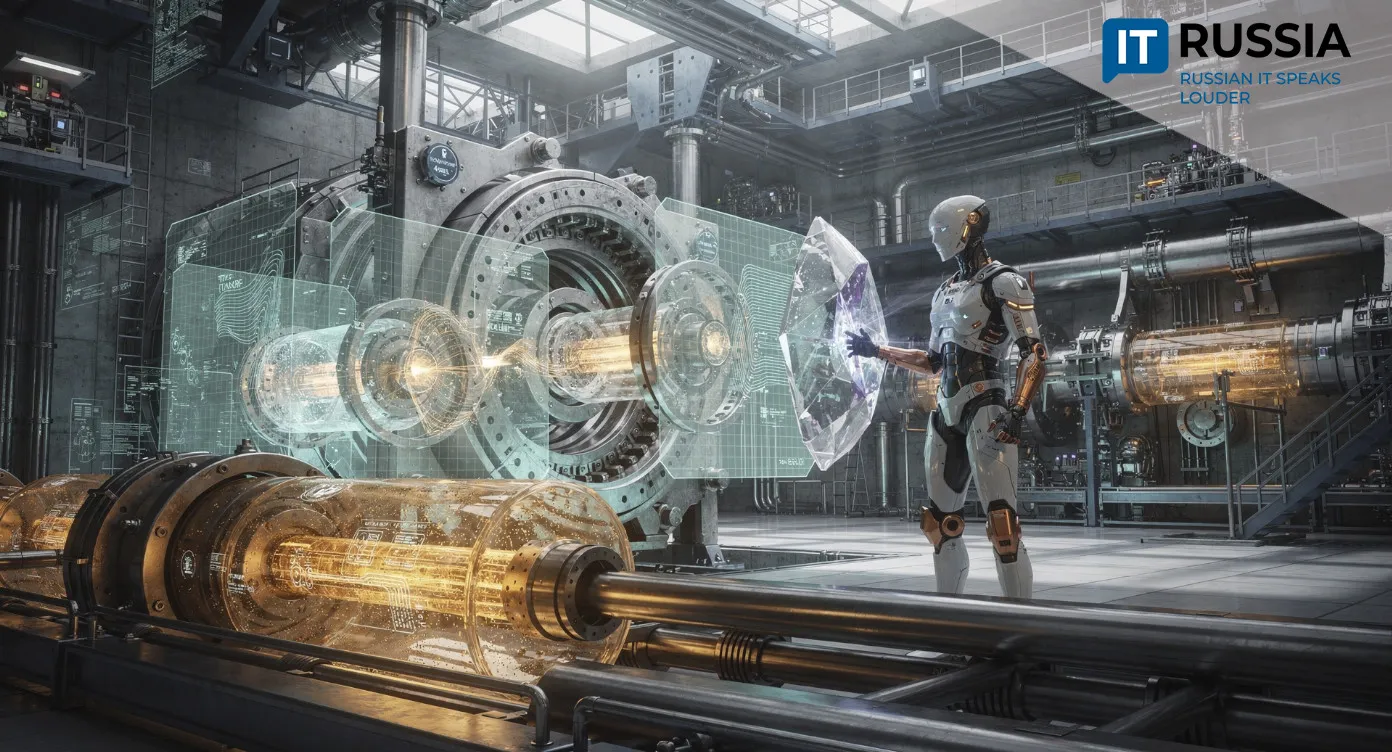
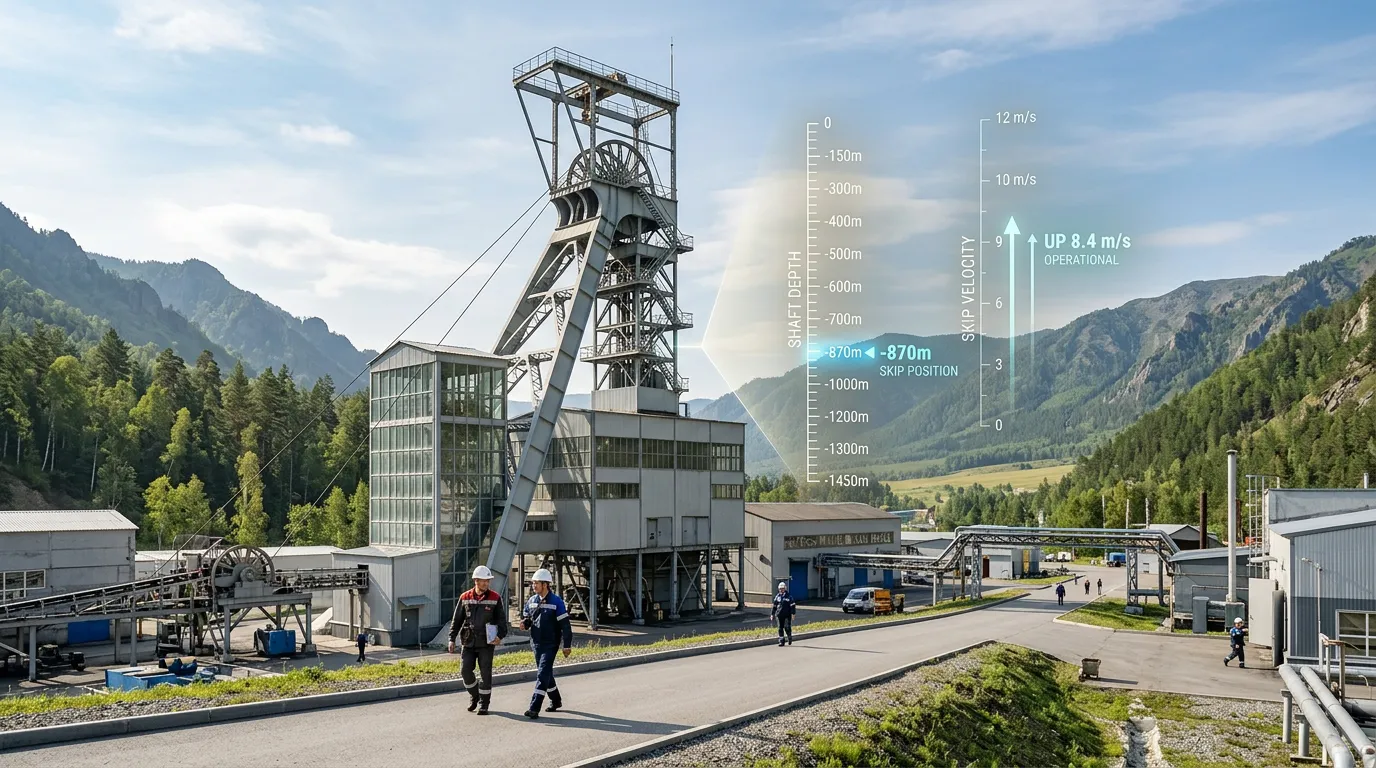
In Russia’s Sverdlovsk Region, the mine hoisting machine control system at the Cheremukhovskaya-Glubokaya mine of the North Ural Bauxite Mine has been upgraded. The automation can now distinguish between personnel and industrial haulage.
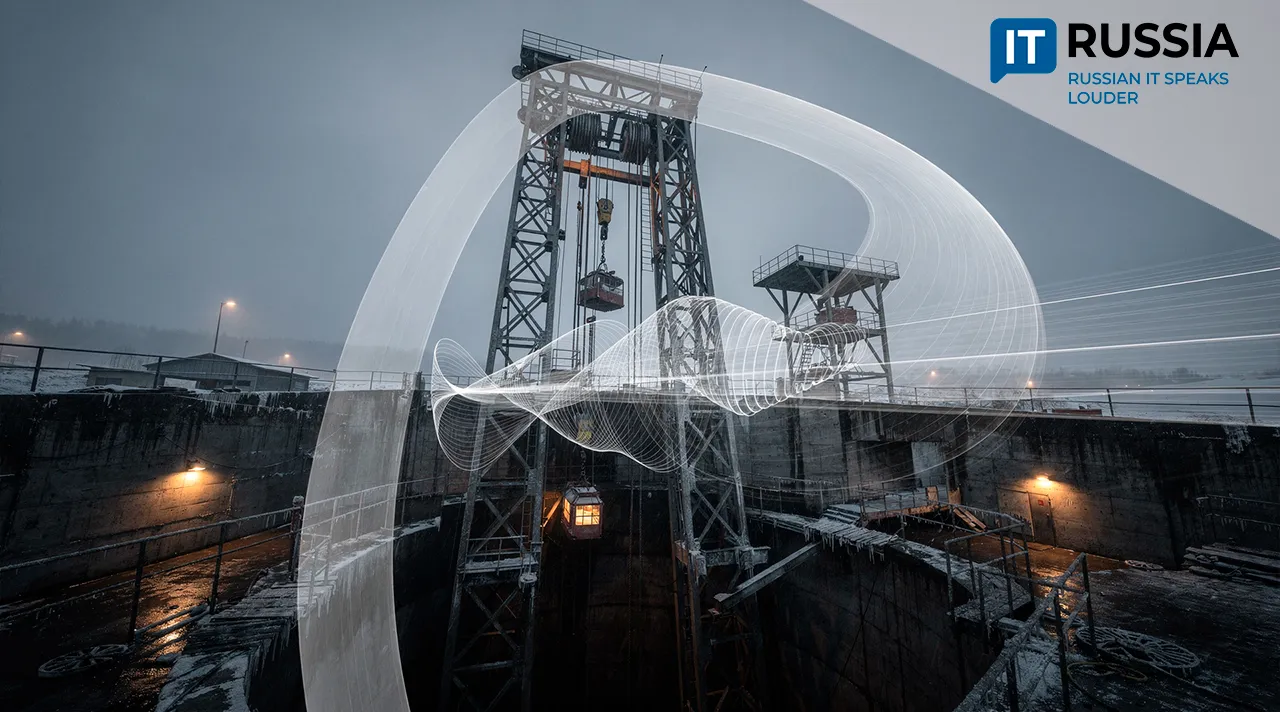
Engineers at the North Ural Bauxite Mine (SUBR), part of the RUSAL Group, have changed the logic of the automated process control system and its operating programs. The system now prioritizes smooth movement when transporting people and productivity when hoisting mined material. The acceleration and braking algorithms have also been retuned, helping optimize electricity consumption.
Deep digital modernization of an operating industrial facility illustrates the Russian mining industry’s shift from basic mechanization to software-controlled production. It also provides a clear example of the growing role of industrial software and automated process control systems (APCS).
RUSAL has approved and is steadily implementing an import-substitution program for APCS controllers and software at its aluminum and alumina plants, with the program running through 2031. The program is valued at about 20 billion rubles (approximately $238 million) and aims to gradually bring local automation projects together within a unified technological environment. Modernization at the Cheremukhovskaya-Glubokaya mine will continue: in the near term, another mine hoisting machine drive will undergo technical re-equipment to haul mined material from two levels.
Russian Means Safe
Today, where software is developed matters enormously. In the first quarter of 2026, one in six industrial control computers in Russia, or 16%, was blocked because of malicious objects, significantly exceeding the previous year’s figure. Outdated operating systems and long supply chains leave industrial environments vulnerable. Industry research shows that most industrial operating systems in use were not originally designed to withstand modern cyberthreats. Obtaining updates from manufacturers is often impossible because of sanctions and the termination of business relationships. As a result, developing domestic software has become a matter of strategic importance.
Many mining companies are now pursuing digitalization using their own in-house capabilities. Common areas of focus include adapting control algorithms to different equipment operating modes, automatically collecting process data, managing energy consumption and shifting some functions traditionally performed by specialists to software systems.
Import Substitution in Full Swing
One of the industry’s early examples came from Nornickel in 2021, when it became the first company in Russia to put autonomous underground haul trucks into continuous operation. The fully automated project helped advance the concept of an “autonomous mine” and removed people from some processes carried out in hazardous areas. A year later, Nornickel also launched autonomous haul trucks at the Skalisty underground mine, providing an example of Russian mines moving from digital monitoring to automated control of physical equipment.
These deployments were based on foreign software, as was the remote automated drilling system introduced at Nornickel’s mines in 2022. At the time, drilling rigs at the Skalisty, Komsomolsky, Taimyrsky and Oktyabrsky mines were equipped with the system. Operators could control drilling from the surface using video surveillance, sensors and an electronic drilling record. Automation made it possible to continue drilling even during shift changes and reduced the need for employees to be physically present underground.
From the standpoint of industrial sovereignty, the experience of Raspadskaya Coal Company (RCC) is particularly notable. In 2023, the Alardinskaya mine introduced a digital system that consolidated production data and automatically generated part of the required reporting. Dispatchers gained centralized online control over mining, development work, transportation, power supply and other processes. At other company sites, the time needed to transmit information about deviations fell from 18 minutes to 4–5 minutes after digitalization. RCC is known to be developing its digital products with its own IT team.
The trend continued with Russian Coal, which in 2024 introduced automated dispatching for open-pit equipment at the Kirbinsky open-pit mine. Haul trucks were equipped with systems that collected real-time data on their coordinates, speed, payload, technical condition and downtime. Their efficiency increased by nearly 10%.
Notably, alongside digitalization itself, Russian industrial software and APCS security tools are becoming increasingly important. Today, import-substitution efforts involve not only the industry’s largest players but also mid-sized mining companies.