AI Reviews the Images, the Physician Makes the Diagnosis
Artificial intelligence is increasingly used in the daily work of physicians in Russia. New digital tools help doctors analyze patient data more quickly and make clinical decisions directly during medical appointments.
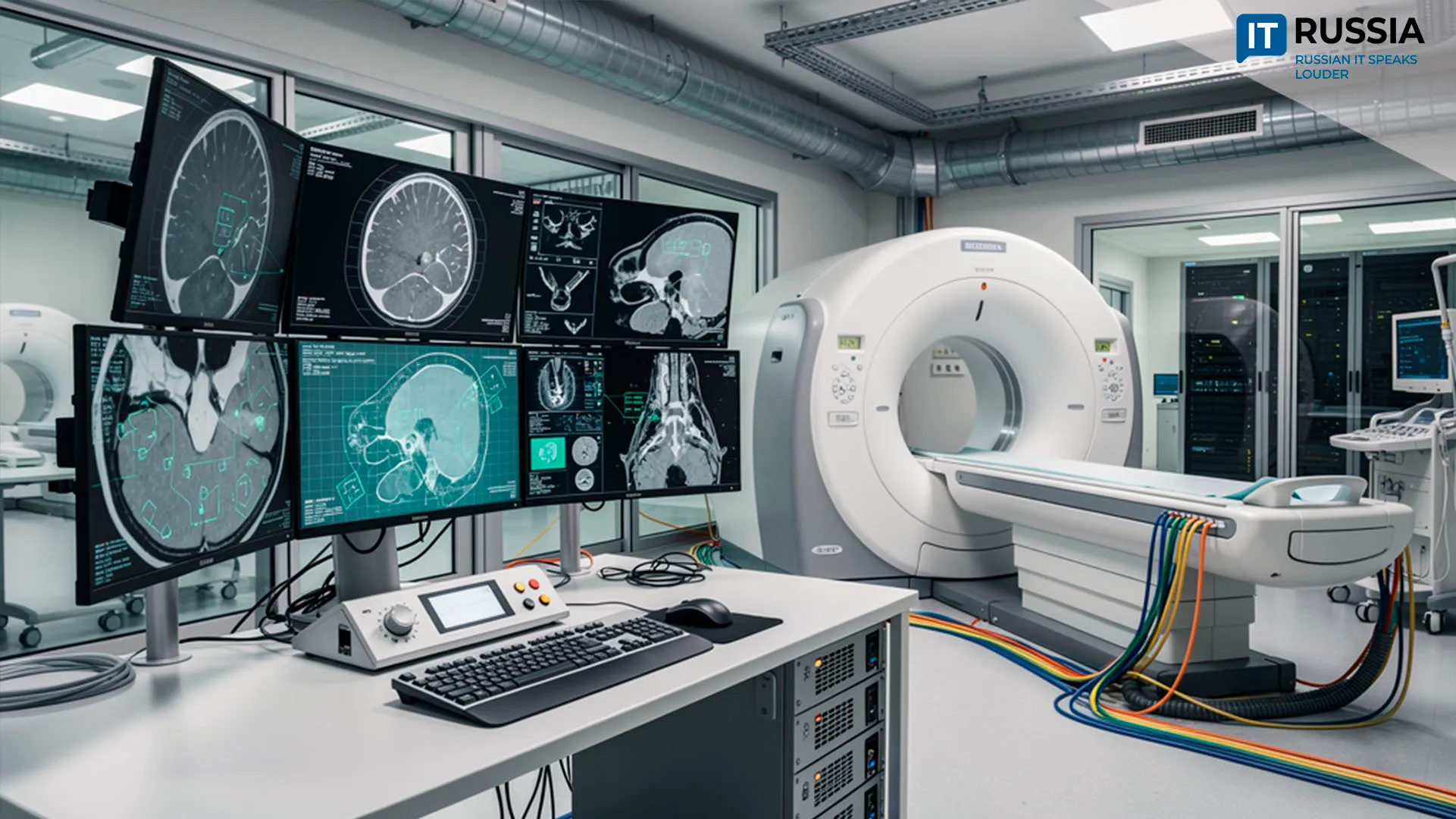
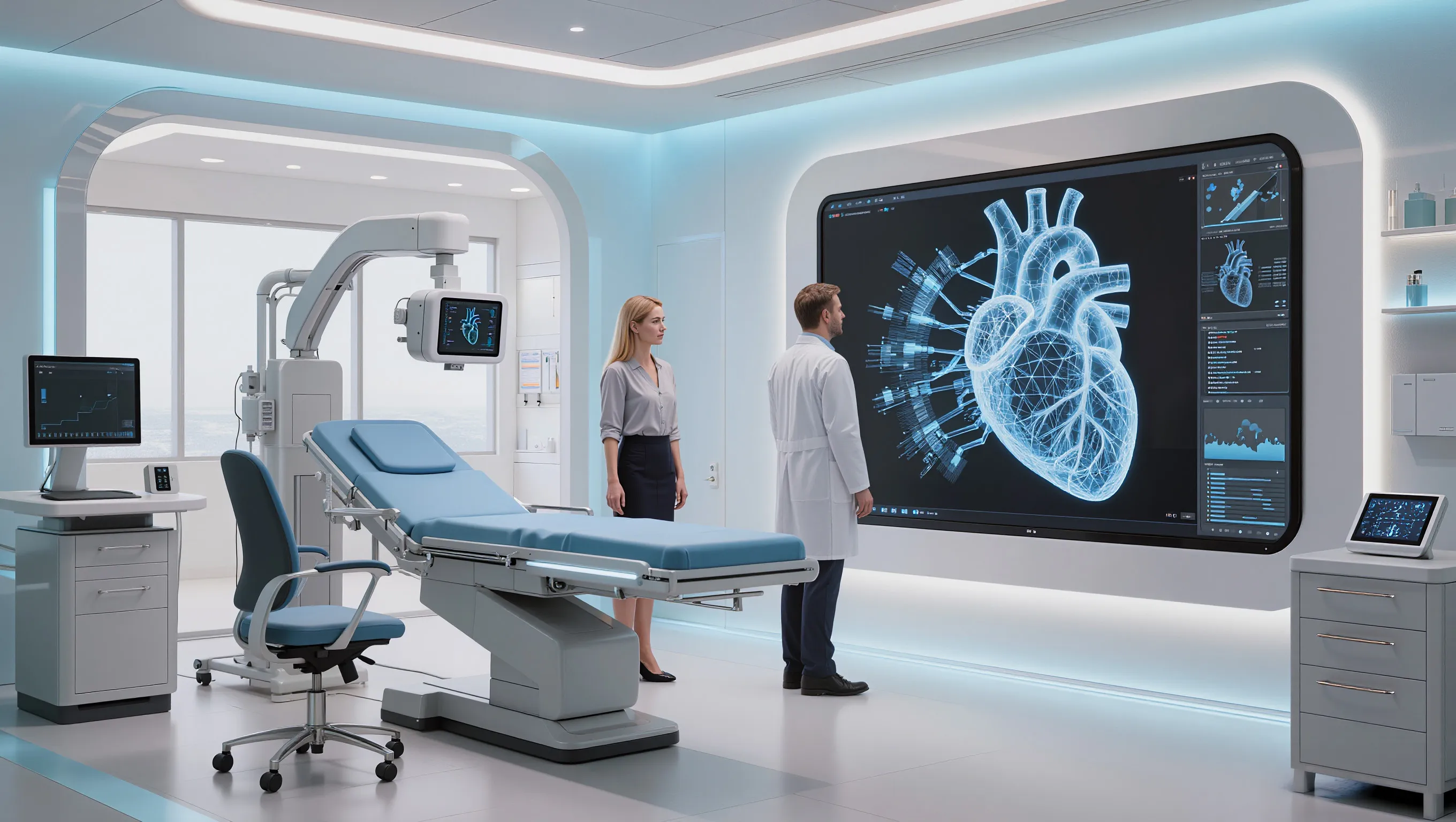
At the consultative and diagnostic center in Yuzhno-Sakhalinsk, artificial intelligence technologies are now being used to analyze medical images. The system can process volumes of information in seconds that would otherwise take physicians hours to review. This significantly accelerates diagnostics while reducing the workload for medical specialists.
According to Dmitry Pshekarsky, Head of the Radiology Department, physicians receive imaging studies after they have already been preliminarily processed by algorithms. In practice, doctors view the original scans alongside the analytical results generated by the system.
AI tools can detect extremely small changes in medical images that may sometimes be difficult to identify during routine visual examination. The system was first deployed to analyze mammograms, imaging studies used to examine breast tissue. In the future it is expected to be used for lung examinations as well. This could improve the early detection of cancer, when treatment outcomes are typically far more favorable.
The algorithms are also capable of evaluating electrocardiograms and clinical parameters such as the glomerular filtration rate, a key indicator of kidney function. This allows physicians to identify potential kidney failure risks even before patients experience noticeable symptoms.
An Additional Clinical Assistant
The platform is already connected to advanced medical equipment, including CT scanners, MRI machines and X-ray systems. All diagnostic data is automatically collected in a unified digital platform and transmitted to reference centers. There, specialists in radiology, cardiology, oncology and other disciplines analyze the results. In this model, AI does not replace physicians. Instead, it helps clinicians identify potential issues more quickly and decide whether additional examinations are required.
The experience of the Sakhalin Region illustrates how rapidly digital healthcare is evolving in Russia. The region already operates a unified archive of medical images. This allows physicians from different districts to exchange data and review diagnostic results more quickly and with greater accuracy.
Such digital infrastructure is gradually creating the foundation for broader adoption of intelligent systems in healthcare.
Accuracy Matters
For patients, these technologies mean faster and more precise diagnostics.
Physicians gain an additional analytical tool that allows them to evaluate a patient’s condition using several clinical parameters simultaneously. This reduces the likelihood of diagnostic errors, helps ensure that early signs of disease are not overlooked and allows treatment to begin sooner.
At the same time, medical appointments become more efficient. Algorithms handle part of the analytical workload, allowing doctors to focus more attention on the patient.
The use of AI algorithms is especially valuable in district hospitals. When specialists operate within a unified digital system, diagnostic results can be quickly transferred to major medical centers for consultation.
Russia and the Global Health Technology Market
The deployment of artificial intelligence systems in diagnostics has become possible thanks to the modernization of healthcare infrastructure in the Sakhalin Region. Under the national Healthcare project, hospitals and outpatient clinics are being equipped with advanced medical technology, enabling the adoption of innovative Russian-developed digital solutions.
More broadly, the use of artificial intelligence in medicine is becoming a global trend. In many countries algorithms are used to analyze medical images, detect potential signs of disease and support physicians in clinical decision-making. It is already clear that the role of AI in healthcare will continue to expand significantly in the coming years.
Russian medical AI solutions could occupy a niche in the global healthcare technology market. These systems may be particularly valuable for countries facing physician shortages or operating in regions with limited access to medical specialists. In such environments, digital solutions can deliver the greatest impact.
The experience of the Sakhalin Region demonstrates how effectively advanced technologies can function in real clinical practice. As these tools are adopted more widely, healthcare systems will transition toward new models of diagnostics and treatment, ultimately contributing to longer and healthier lives.