AI to Feed and Protect Grain Crops
Production has begun in Tomsk of Cognitive Spread & Flow, an AI-powered system designed to apply fertilizers and crop protection products with precision. The developers say the technology will help farmers improve yields while reducing input costs and environmental impact.
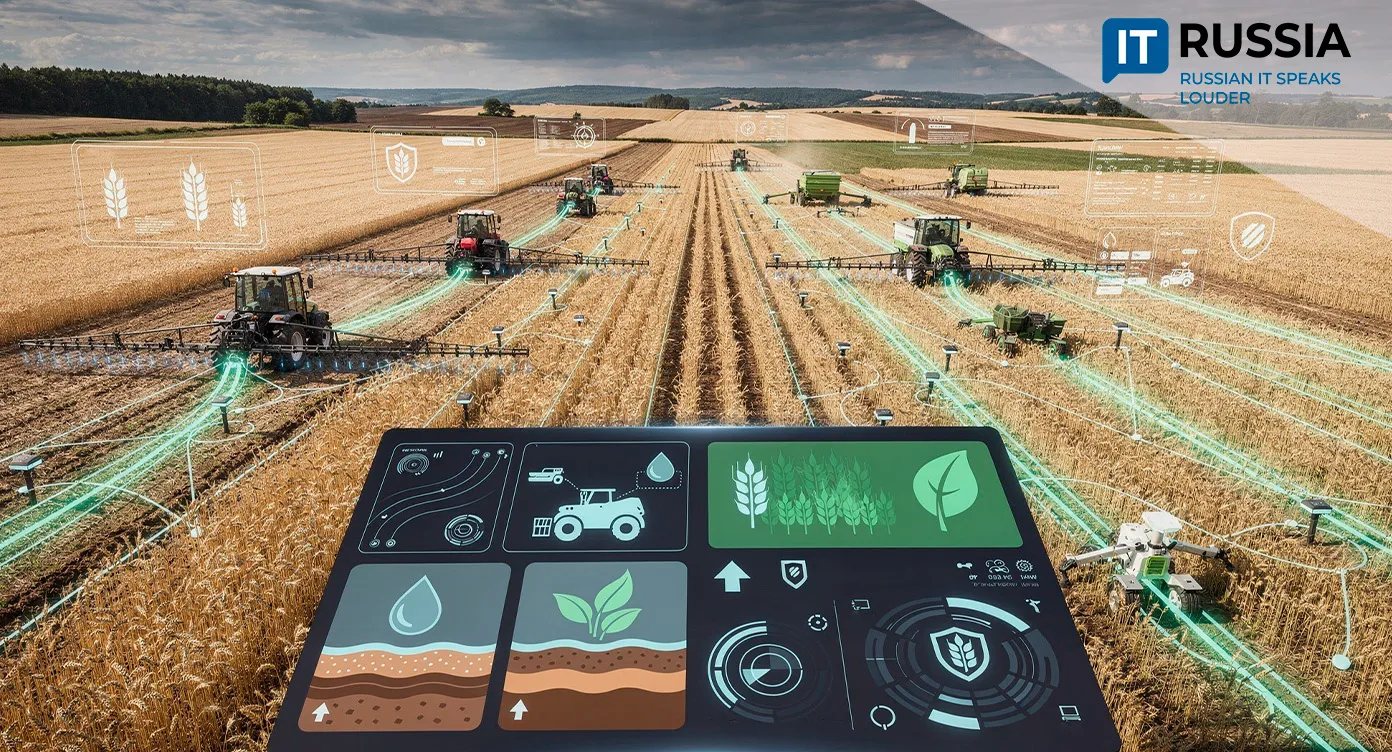
One of the biggest challenges in increasing grain yields in Russia is improving the efficiency of spraying systems. These systems are used to apply fertilizers and crop protection products (CPPs), providing crops with both nutrients and protection against pests and diseases. This stage of crop production is critical: properly applied agrochemicals, nutrition and crop protection account for an estimated 40% to 70% of yield gains.
At the same time, fertilizers and crop protection products represent one of the largest cost items in crop production, accounting for roughly one-third of total investment in a harvest. That is why growers have long sought technologies capable of applying agrochemicals with maximum precision.
Intelligent Control of Agrochemical Application
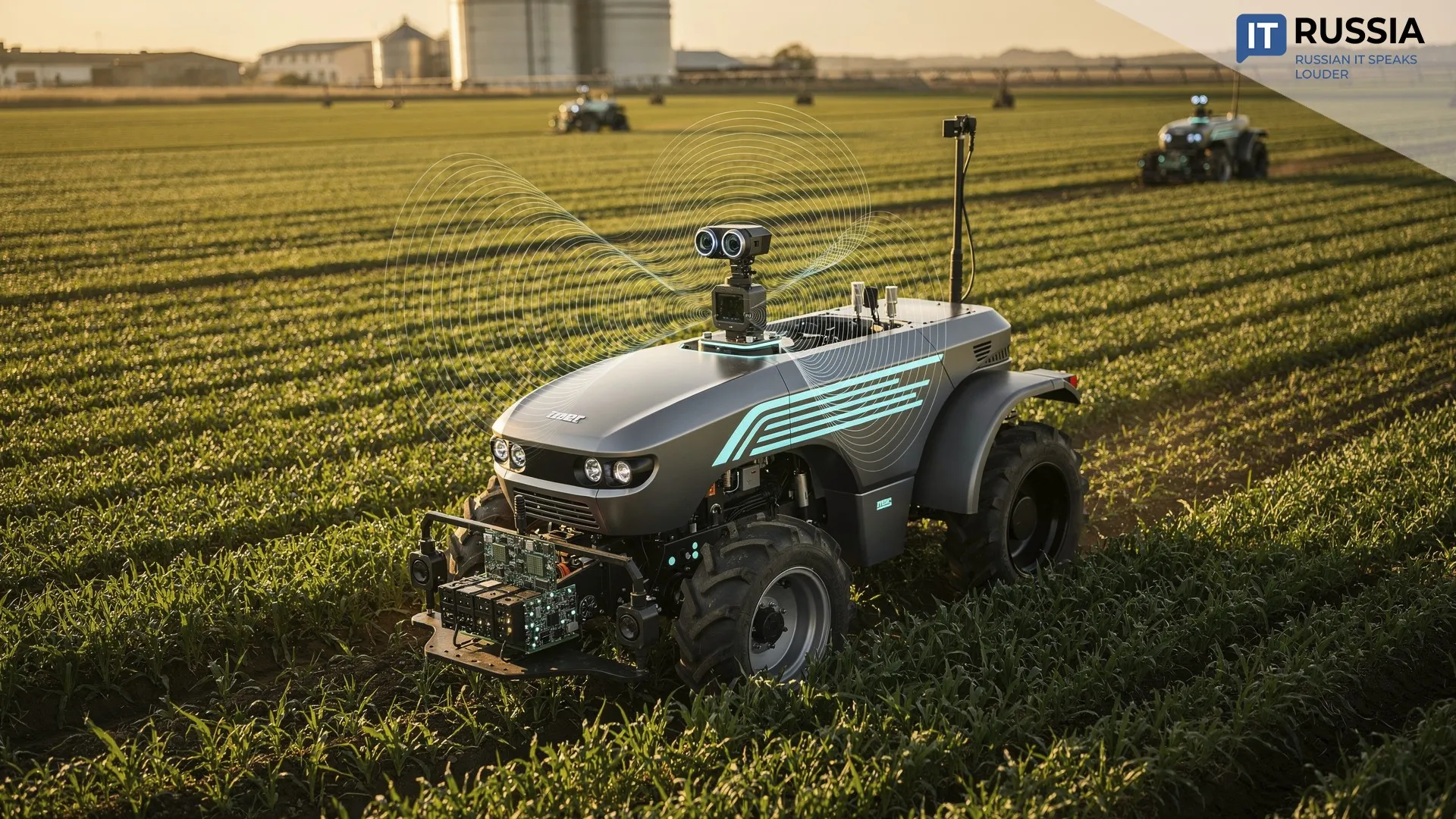
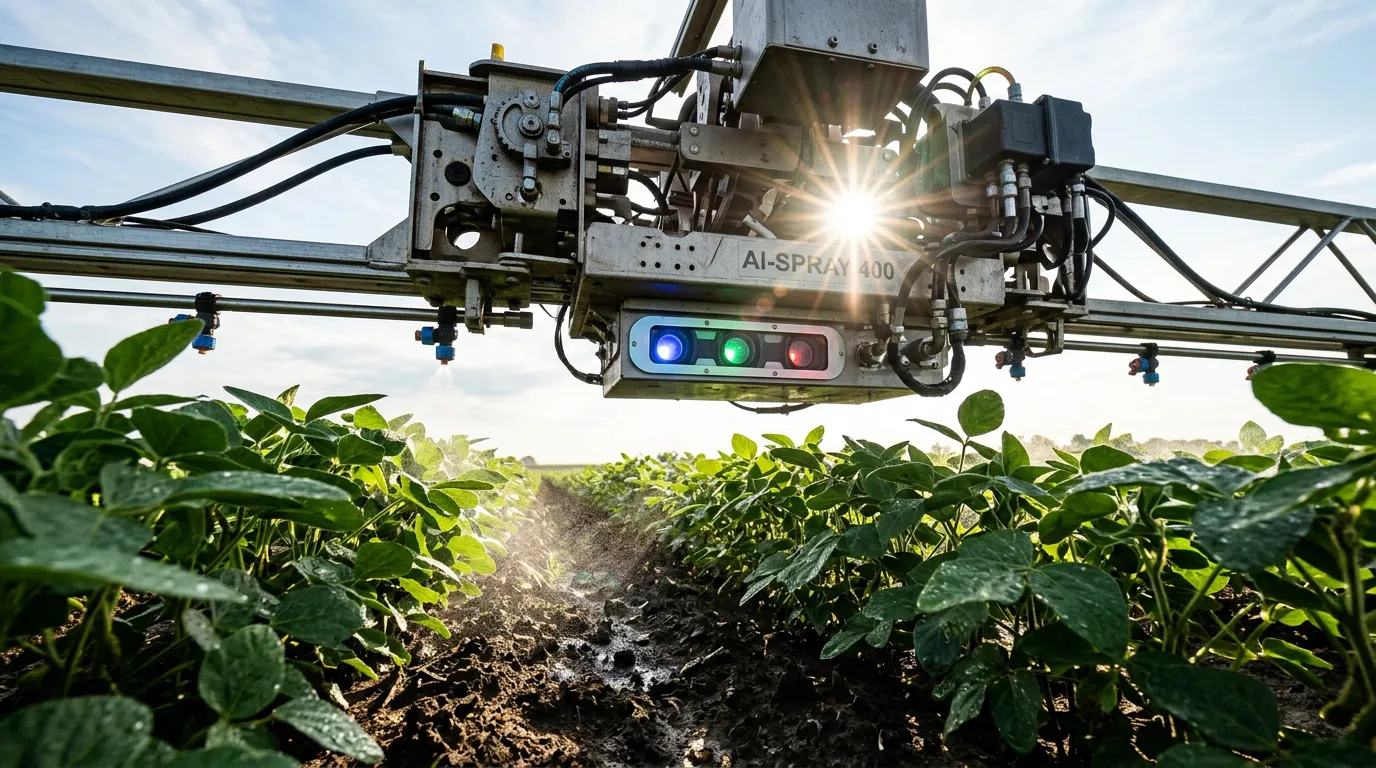
Running a profitable farming business requires improving the efficiency of fertilizer and crop protection applications. Cognitive Spread & Flow addresses that challenge. Developed by Cognitive Pilot (a subsidiary of Cognitive Technologies Group), the intelligent spraying management system uses an AI-powered valve control module to monitor both the accuracy and volume of applications across every section of a field. The module receives real-time data from a fertilizer flow sensor, while a GPS receiver continuously provides the platform with the machine's precise location and travel speed.
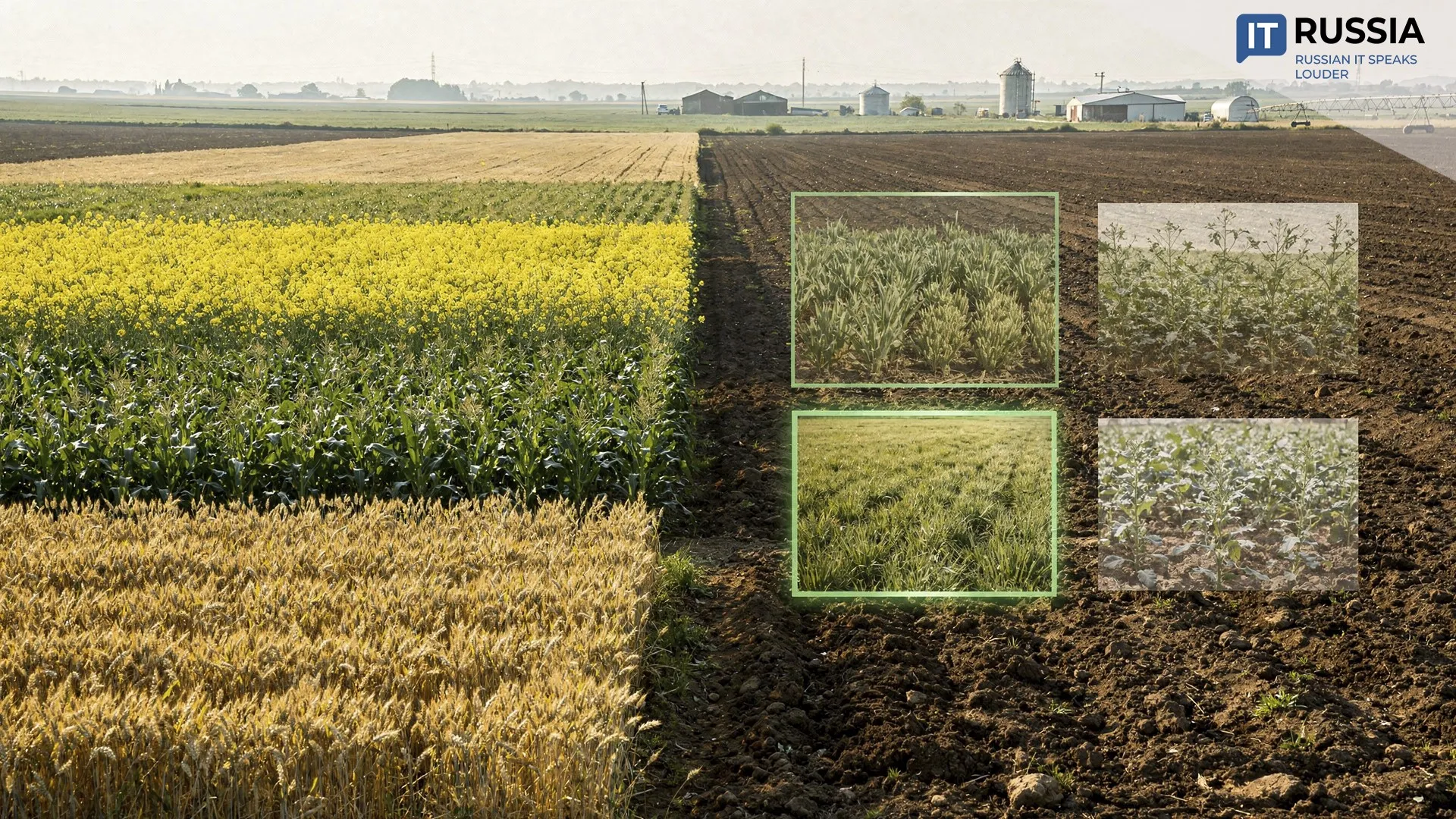
Before fieldwork begins, soil analysis is conducted and route maps are uploaded into Cognitive Spread & Flow. During operation, the platform combines those datasets with information from computer vision systems, including weed detection, to determine where differentiated application of fertilizers and crop protection products is required.
"The machine knows exactly where it is, where the implement is located, and applies precisely the amount prescribed for that specific area," said Alexander Yudakov, Product Director at Cognitive Pilot.

Economics and Efficiency
Cognitive Spread & Flow can be installed on virtually any type of equipment, including self-propelled sprayers, single- and twin-disc fertilizer spreaders, as well as tractors operating mounted or trailed implements. When one machine works with several implements that require application-rate monitoring, a single application controller can be used by simply changing the settings when switching between implements.
The AI system reduces fertilizer and crop protection product use by 15%. At the same time, field treatment time falls by 7% thanks to automation and the elimination of manual adjustments, reducing operating costs. Meanwhile, crop yields increase by approximately 15% because agrochemicals are distributed more precisely.
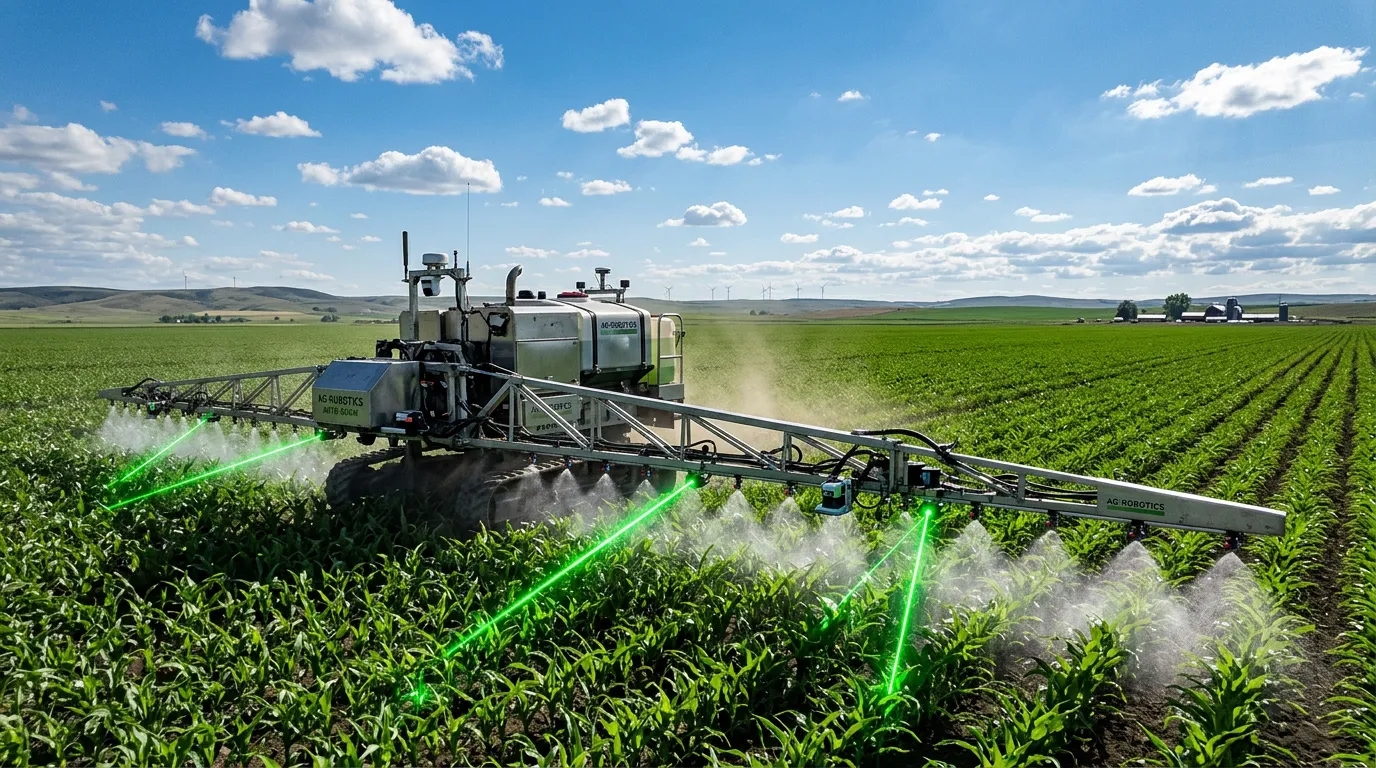
"When equipment makes a turn or passes, either partially or completely, over an area that has already been treated, we automatically shut off the corresponding sprayer sections to eliminate overlaps. They are then switched back on while maintaining full control over the prescribed application rate per unit of area. The system also deactivates the necessary number of sections whenever part of the implement moves beyond the field boundary, preventing expensive inputs from being sprayed onto roads," Alexander Yudakov explained.
Field trials conducted across seven regions of Russia demonstrated that the system typically pays for itself within one to two growing seasons. After that, growers begin generating additional profit.
Reducing the Chemical Burden on Soil
The new intelligent agrochemical application system is expected not only to increase crop yields, improve food affordability and strengthen farm profitability. Equally important, it reduces the chemical burden placed on both soils and crops.
Failure to apply agrochemicals at the proper rates can damage soil structure, increase salinity, acidification or alkalization, and reduce the activity of beneficial soil microorganisms. It also raises the risk of heavy metal and nitrate accumulation that can subsequently enter crops.
Reducing pesticide use has become a global trend across agriculture. That makes Cognitive Spread & Flow particularly valuable for producers supplying export markets.
Looking ahead, the integrated hardware and software platform – combining computer vision, GPS navigation, sensors, actuator modules, agricultural data processing and AI-driven decision-making algorithms – can be adapted for additional types of agricultural machinery and crops.
The technology also has significant export potential, especially given that Cognitive Pilot already supplies agricultural automation systems to customers in Europe, the United States, Asia and Latin America. In 2025, the company began manufacturing robotic systems for coffee and corn production under contracts with customers in Brazil and Argentina. Lower agrochemical costs together with reduced pressure on soils could become another compelling reason for international customers to adopt Russian agricultural technology.