“Aurora” Replaces “Maksim”: Russian Railways Introduces a New Virtual Assistant for Passengers
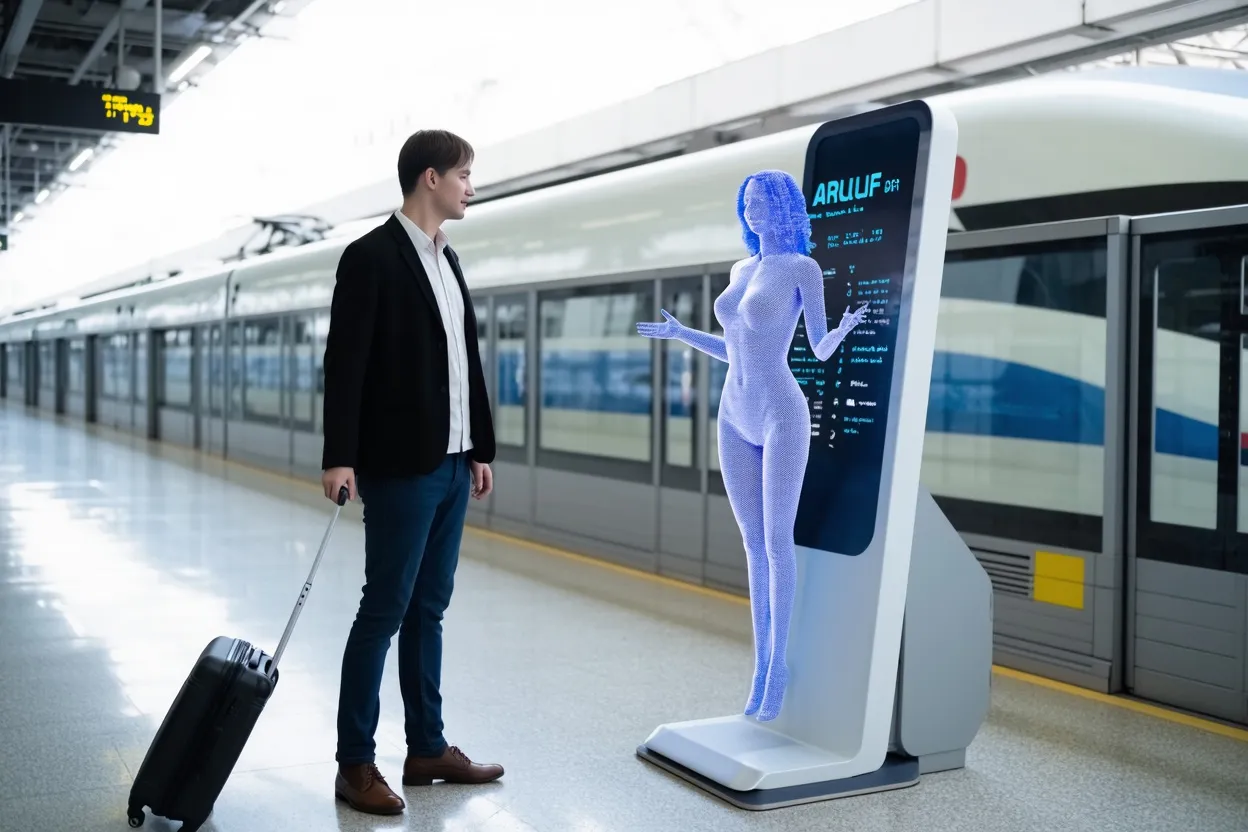
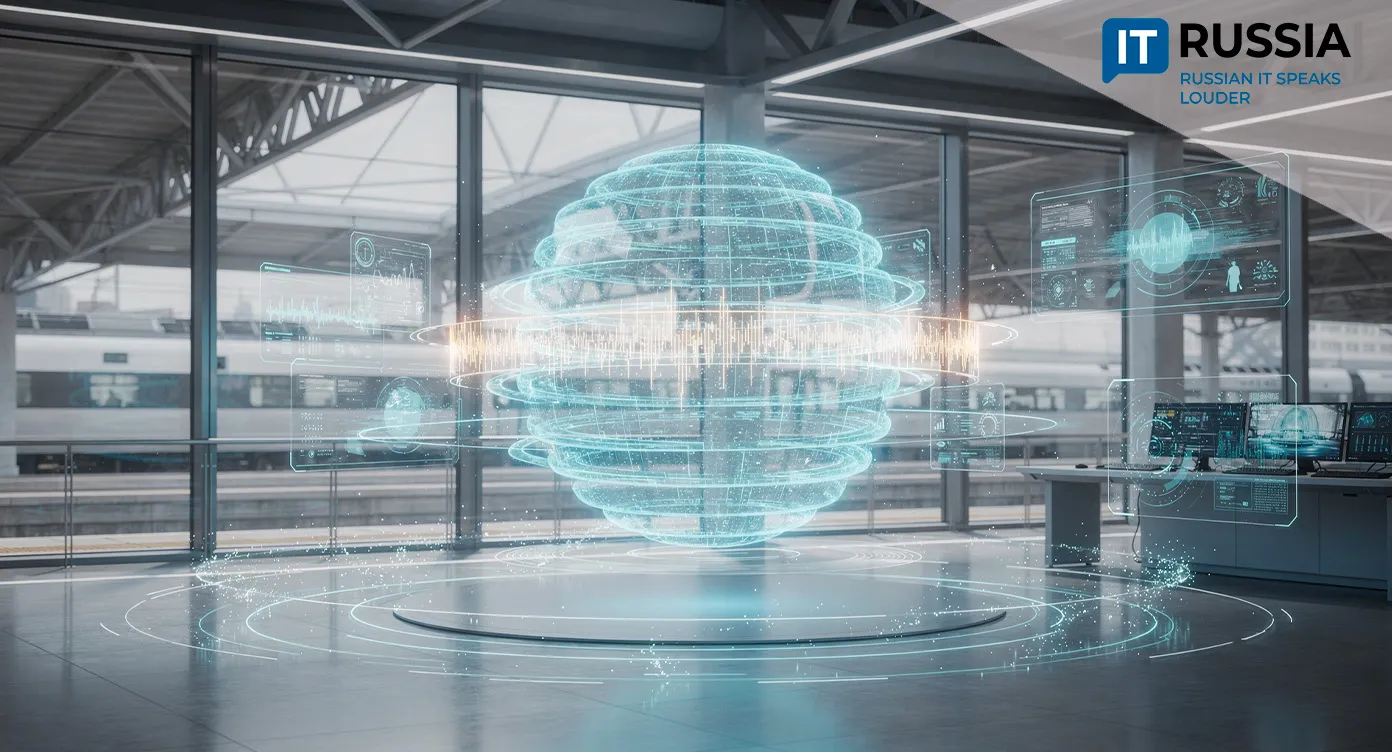
Russian Railways has launched a new voice-based virtual assistant called Aurora. The assistant will handle calls to the customer information service, easing the load on or fully replacing the current voice robot, Maksim. Aurora is designed to deliver faster, more user-friendly support for passengers.
Help Around the Clock
Today, customer consultations at Russian Railways are handled by a voice assistant named Maksim. This virtual agent operates 24/7 and is designed to provide passengers with comprehensive information and help resolve a wide range of issues – from trip planning to ticketing and baggage services. According to Russian Railways, the company is preparing to roll out a new voice assistant, Aurora, intended to take passenger interaction to the next level.
The Russian Railways voice assistant follows a set of clear principles. It introduces itself to callers to establish a sense of trust and ease, can announce schedules for commuter, long-distance, and international trains, check seat availability, and provide exact ticket prices. All of these services are available within minutes. The assistant also explains how to purchase or refund tickets, helps resolve errors during booking, and guides users through features available on the official Russian Railways website and mobile app. These include viewing schedules, reissuing tickets, joining a waiting list, or locating lost items.
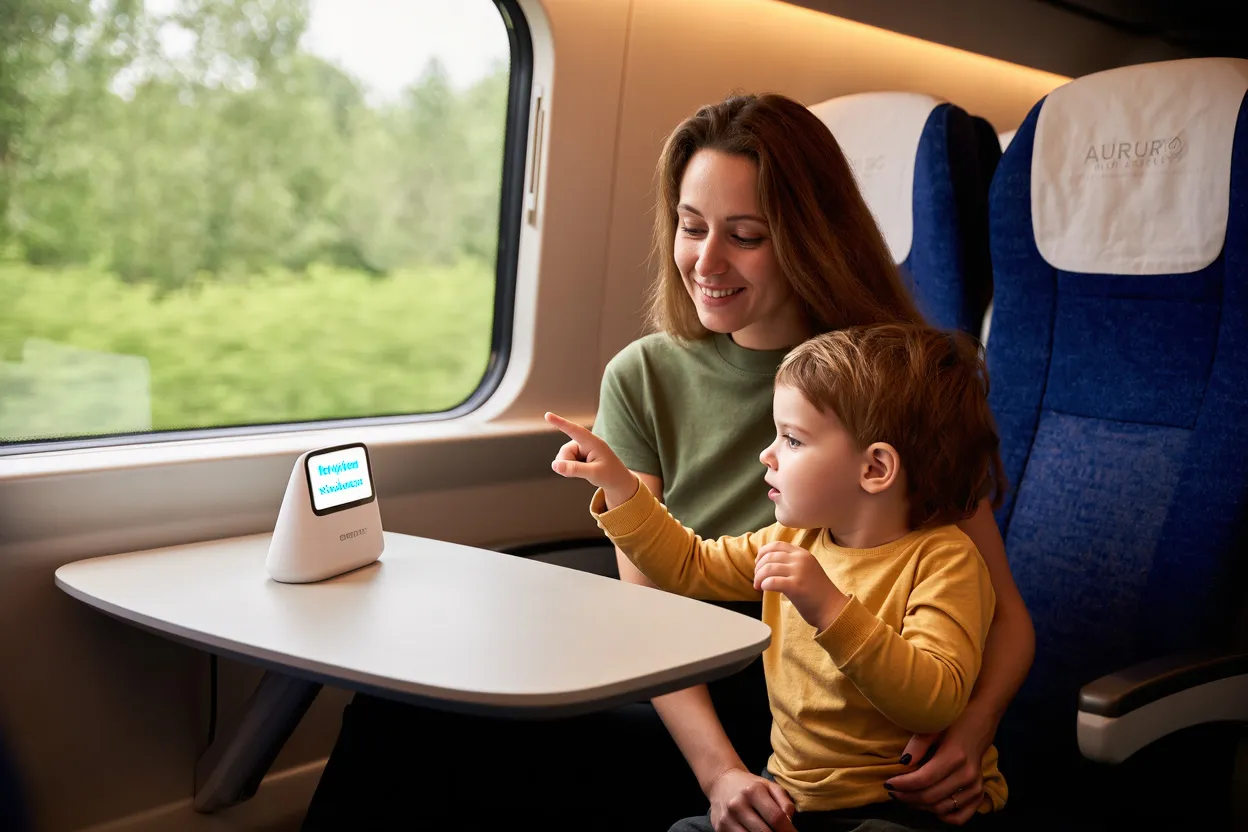
The assistant is also kept up to date on information that matters most to passengers. It explains boarding rules, travel conditions for passengers with children, policies for transporting animals and baggage, and details about current promotions, special fares, and loyalty programs. It also provides information on onboard services, popular routes, and heritage trains. Company representatives emphasize that special attention is given to passengers with reduced mobility, who can receive detailed guidance on available assistance and ticketing options to ensure each journey is as safe and comfortable as possible.
A Push Toward Digitalization
Russian Railways has long positioned itself as a driver of digital technology development. This is partly due to the nature of rail transport, where safety and many core production processes rely on systems developed in-house. The company’s portfolio includes multiple digital transformation projects, such as the “RZD Passengers” mobile app, which is currently installed on about 8 million user devices. Real-time train schedules and movements are available through the Online Scoreboard service, while push notifications alert passengers to train numbers, departure platforms, and carriage numbering.
To better protect passenger interests, Russian Railways continues to refine mechanisms for blocking bad actors, including bots and ticket resellers that create artificial shortages on popular routes. According to the company’s Digital Transformation Strategy, priorities through 2023 include strengthening information security and completing key import substitution initiatives.


Improving the Passenger Experience
The company is already testing facial recognition-based boarding on selected routes, and seasonal additional trains have been introduced in the new timetable. The launch of the Aurora voice assistant is a logical extension of Russian Railways’ AI-driven and automated service strategy. The system is expected to improve the passenger experience for millions of customers by delivering more accurate and timely information while reducing pressure on call centers.
The deployment of Aurora is part of the company’s broader digital transformation. As new services come online, AI-driven solutions are playing a larger role in transport services, and Russian digital platforms in the public sector and state-owned enterprises gain additional momentum. In the future, Aurora’s services could be integrated with other AI platforms across Russia’s transport ecosystem. For now, the project is focused on the domestic market, but it reflects a global shift toward automated customer interaction.