Digital Tools Could Help Us Learn the Rules of Etiquette
A teacher from the Chechen Republic has created a digital database containing 2,300 etiquette expressions and developed a model for describing them. The materials can help people behave appropriately in different situations by taking into account the context and the company they are in.

How we behave in society and the words we choose depend on the situation, the people we are talking to and cultural traditions. A digital etiquette knowledge base could help people communicate appropriately and politely in different situations.
More Than 2,000 Etiquette Rules
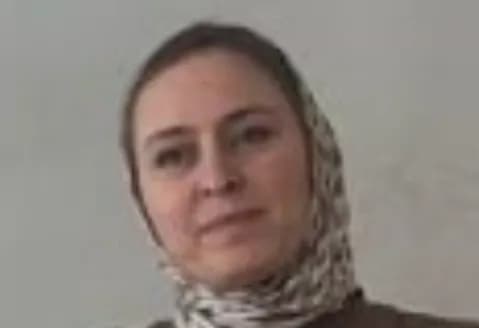
Elmira Khamutayeva, a senior lecturer at Chechen State Pedagogical University, spent more than 20 years collecting material on Chechen speech etiquette and has brought it together in a digital environment. The researcher collected speech patterns from spoken communication, fiction, folklore and modern digital communication. She presented her work at the International Youth Scientific Conference “Cultural and Linguistic Diversity of Russia in the Era of Large Language Models” in Moscow.
“The materials accumulated over years of research are presented as two separate collections. The first is an existing working vocabulary database in Word, about 200 pages long. The second is a separate digital collection in Google Sheets containing 2,300 new etiquette expressions,” the university said.
A Parametric Model Accounts for Context
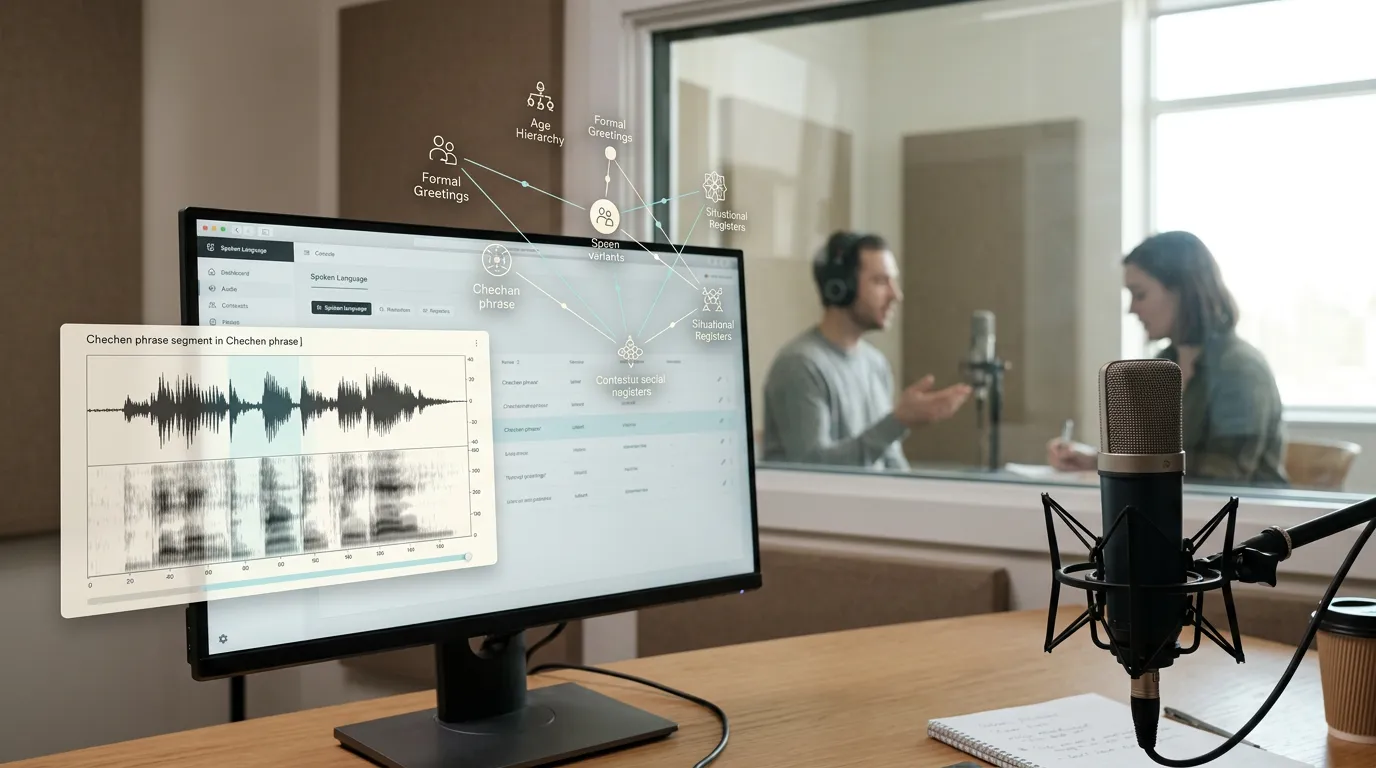
To organize the knowledge, the researchers developed a parametric model that takes into account not just a particular rule or established speech expression but also the situation in which it is used, the gender and age of the people in the conversation, existing restrictions and cultural characteristics. The approach treats etiquette not as an abstract set of rules but as something shaped by real communication situations, which determine how people should behave depending on their status and role in a conversation.
According to Elmira Khamutayeva, the next stage of the research will be to create a connected digital data structure. It will make it possible to compare etiquette expressions, their variants and contexts of use, identify consistent relationships between different parameters and turn the accumulated material into a full-fledged research resource.
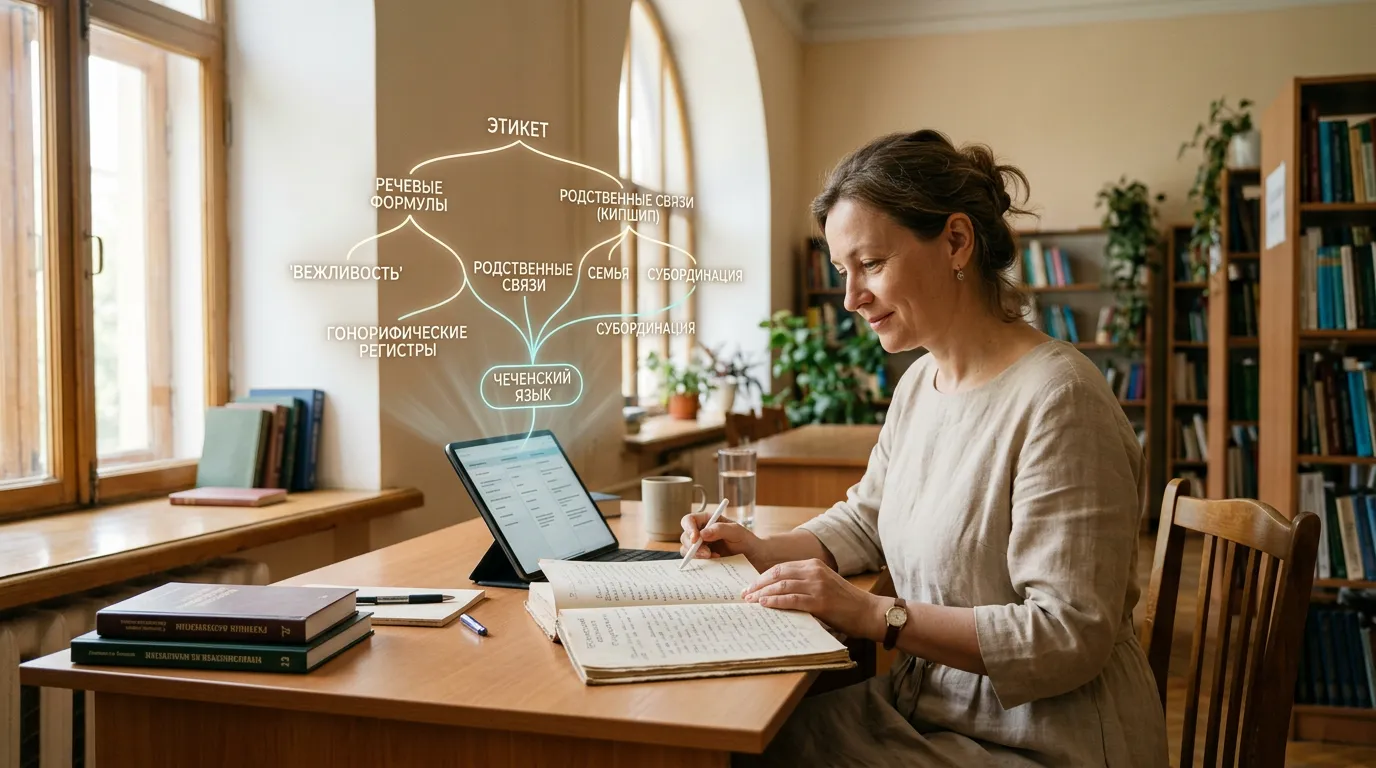
The work expands the possibilities for organizing and studying the Chechen language using digital linguistics tools. These methods of exploring speech, culture and traditions are likely to play an increasingly important role in modern society.
This is not a standalone product such as an etiquette dictionary or reference guide. The value of the resource lies in its digital data. Databases like this can serve as raw material for electronic dictionaries, educational platforms, search engines, machine translation, speech recognition and synthesis, and eventually language models. Russia already has experience with this approach: language corpora developed by academic and regional organizations are already being used by Yandex to add languages of Russia’s ethnic groups to Yandex Translate.

A Foundation for Training Neural Networks
The collected data could be used to train a neural network, creating a specific product capable of teaching people how to use speech expressions appropriately. Modern language models need to do more than understand the literal meaning of an expression – they also need to choose it according to its social and cultural context. The collected dataset can help capture precisely these nuances.
A natural next step for Elmira Khamutayeva’s project would be to create a standalone website or integrate the dataset into an existing linguistic platform, adding the ability to search for a specific phrase for a particular situation. Russian experience shows that combining text, metadata and audio can eventually enable the development of speech recognition systems, electronic dictionaries and educational applications. For studying speech etiquette, adding dialogue examples would be particularly useful.