Experts are debating the first draft of a law that would set the rules for artificial intelligence in Russia.
Russia is set to introduce a law regulating
artificial intelligence technologies in 2027. The document is intended to
define the rules of the game in a fast-growing segment of the IT sector.
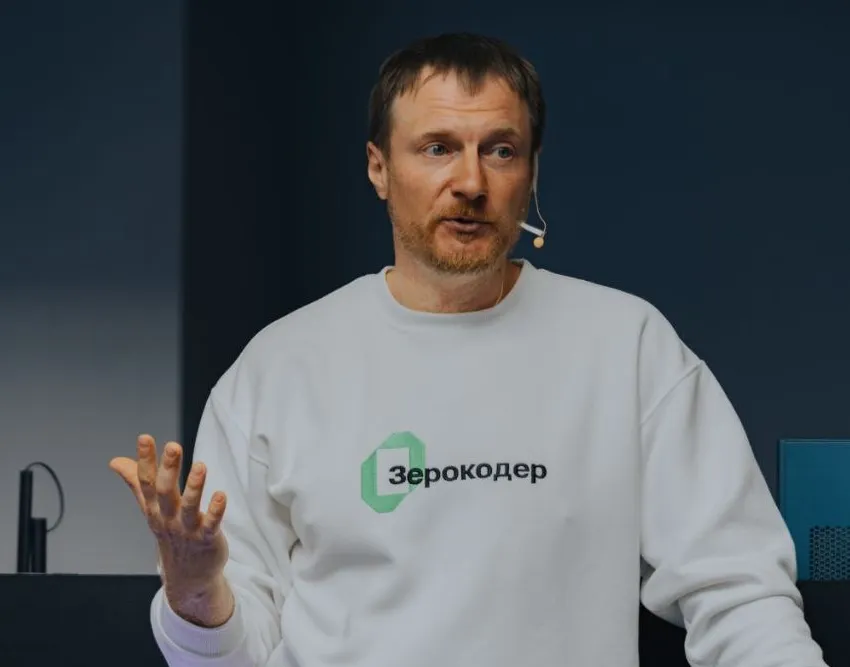
Speaking to IT-Russia, Sergey Brazhnik, managing partner at Zerocoder
University, said the need to regulate AI has become pressing worldwide.
“AI technologies are now widely and rightly
seen as a key driver of economic growth. At the same time, this tool, which is
increasingly embedded across nearly every aspect of life, has until recently
faced virtually no regulation. That can be beneficial while a technology is
gaining momentum and proving its capabilities, but as its reach expands, so do
the risks of harmful use,” Brazhnik said.
Global Experience
In 2024, the European Union adopted the
so-called AI Act, which regulates what data developers can use for training and
how they must handle user data, while also introducing fines of up to 7% of a
company’s global turnover.
“This legislative initiative effectively
crushed the AI movement in Europe and prevented it from fully entering the
global AI race. If you look at the European landscape, there is essentially
only one notable player—Mistral. For such a large region, a single AI developer
is not enough. There are also initiatives in the United States, currently at
the state level, and of course in China, where leadership recognizes the
importance of technological development and applies regulatory measures
selectively,” Brazhnik said.
A draft law published by Mintsifry
(Ministry of Digital Development) outlines a future regulatory framework that
will be further refined through secondary legislation. This effort aligns with
the creation of a National AI Implementation Headquarters and the development
of a plan that must be submitted to the Russian president no later than June
2026.
Clear Rules
“The law will likely serve as a formal
foundation for that plan. It already introduces elements such as a registry of
‘trusted models’ to be used in government systems and critical infrastructure,
as well as the concept of a ‘sovereign model’—developed within Russia, by
Russian citizens without dual citizenship, and trained on domestic datasets.
The focus is both on security and on supporting local companies,” Brazhnik
said.
The draft also establishes a citizen’s
right to opt out of AI and receive services in a traditional format, mandates
labeling for AI-generated content, and legalizes data collection for training
purposes: extracting information from protected sources to build datasets would
not be considered a violation of copyright law.
“The law does not aim to confine AI within
rigid boundaries but instead sets out clear rules that give domestic developers
certain advantages—an important factor in a world of restrictions and sanctions
that can be imposed at any moment,” Brazhnik concluded.