From U.S. Software to Digital Sovereignty
Russia’s chemical industry is moving decisively toward technological sovereignty as a domestic production management platform built on ZIIoT displaces the U.S.-developed PI System at one of the country’s largest industrial groups.
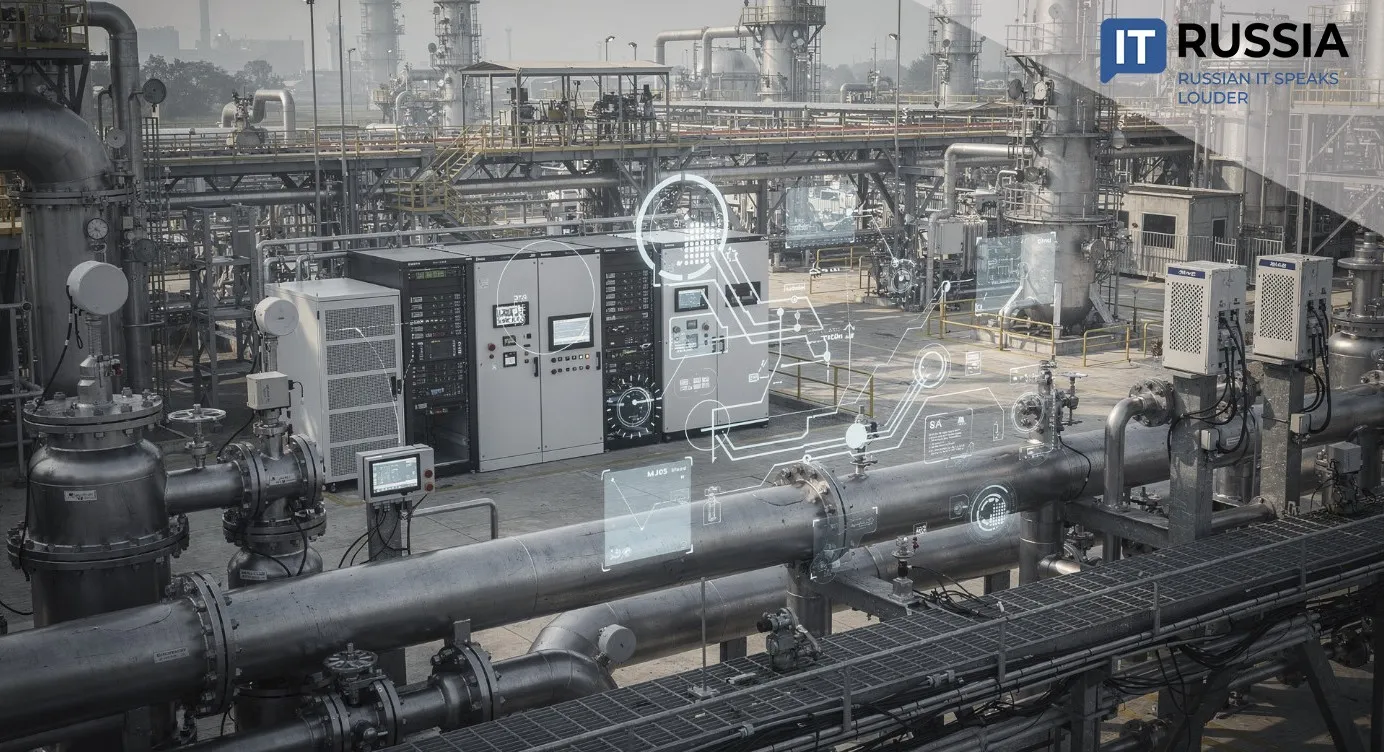
Russian Code for Chemical Giants
A joint digitalization project by PhosAgro Group and the Digital Industrial Platform Group Tsifra has been recognized as the best industry-specific digital solution in the “Chemicals and Petrochemicals” category at the Global CIO competition. Global CIO is a digital platform that brings together a professional community of IT leaders and experts from Russian companies and annually highlights the most advanced developments in information technology. PhosAgro also received a separate award in the category “Best Communication Platform in the Industrial Sector” for its corporate system eXpress, implemented in partnership with Tsifra.
A Unified Digital Model of Production
The ASUP project was launched in 2022 with support from a grant provided by the Skolkovo Foundation and became part of Russia’s national import substitution program. Its core objective was to build a production management system fully independent of foreign vendors. As part of the project, the developers completely abandoned the widely used U.S.-based PI System, replacing it with ZIIoT, a Russian industrial platform developed by Tsifra.
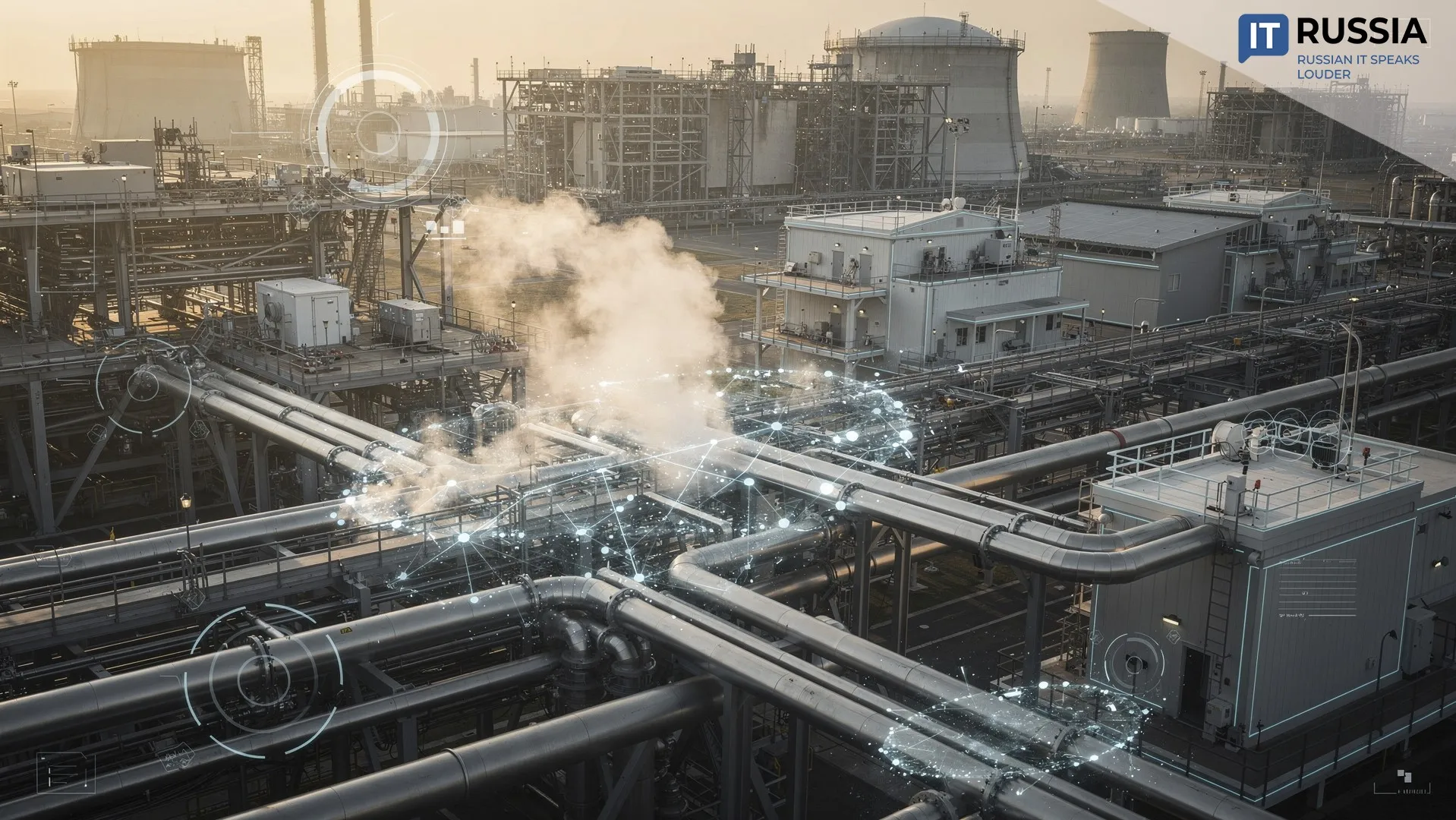
The transition proved technologically complex. The team had to integrate dozens of previously disconnected automated process control systems operating at the Cherepovets mining and processing plant of Apatit. The outcome exceeded expectations. The new ASUP platform now collects and analyzes more than 100,000 production parameters in real time, creates a unified digital object model of the enterprise, and serves as the foundation for both management-level and process-level analytics.
In early 2025, the ZIIoT-based ASUP system was officially commissioned for industrial operation at the Cherepovets production complex. Feedback from plant personnel confirmed the value of the solution. Process transparency increased, decision-making cycles shortened, and product quality control improved.
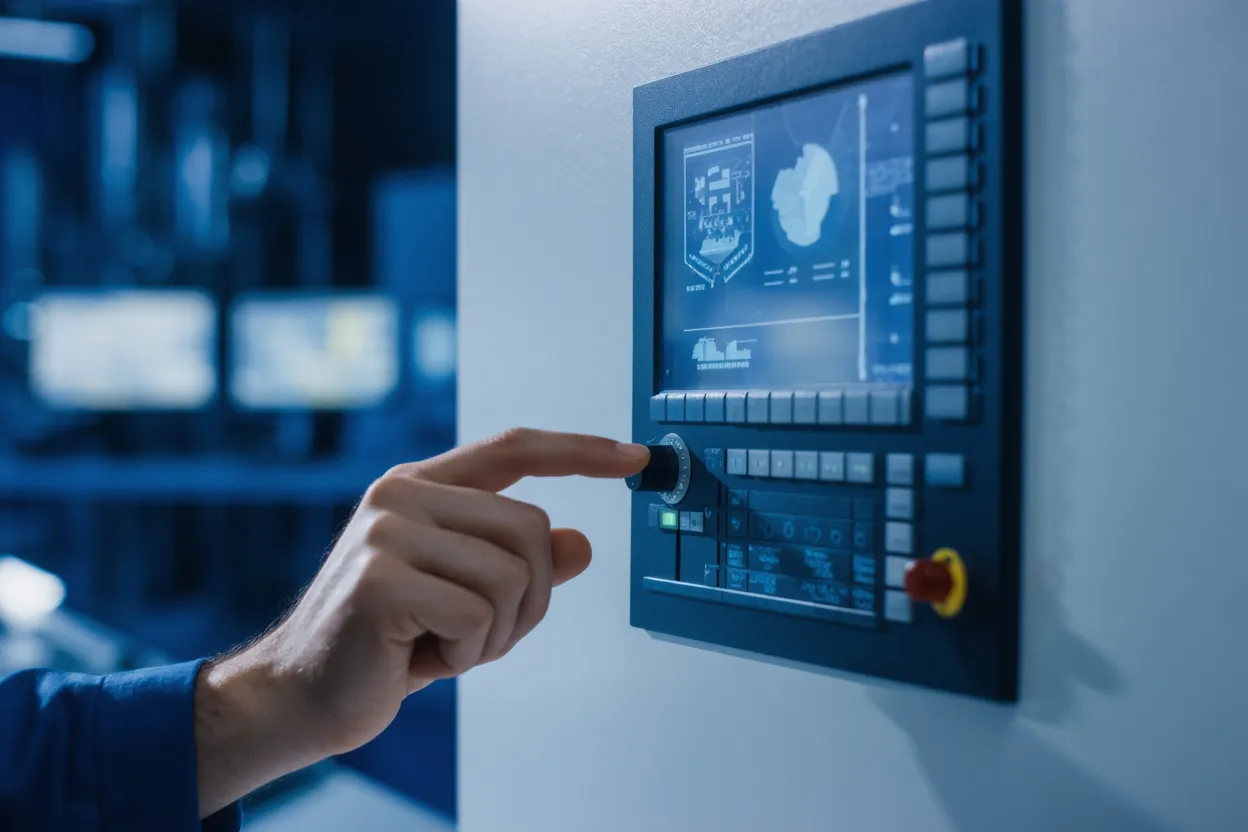
A particularly notable feature is the integration of artificial intelligence. ASUP incorporates the Russian large language model GigaChat MAX, developed by Sber and deployed within the company’s secure IT perimeter. Operators already report a significant reduction in time spent on routine tasks. More importantly, AI-driven analytics is directly contributing to higher output volumes and improved product quality. Following the successful pilot, the system is set to be rolled out at the Volkhov and Balakovo production complexes by August of this year.
A New Industry Standard
The project’s value is amplified by its industry-wide applicability. ASUP was developed in line with the requirements of the Industrial Competence Center “Chemicals and Pharmaceuticals,” making it suitable not only for PhosAgro but also for other chemical enterprises across Russia. This shifts the case from a single corporate success to a scalable import substitution standard capable of accelerating technological independence across the sector.


For Russia’s IT industry, the project demonstrates the ability of domestic developers to deliver world-class solutions for mission-critical segments of the economy. For industrial businesses, it provides clear evidence of the economic viability of local platforms. The transition to a Russian system did not result in any loss of functionality. Instead, it enabled deeper customization aligned with the specific needs of domestic production.
At the international level, the solution has the potential to become an export-ready product for BRICS and CIS countries that face similar challenges in localizing critical IT systems.
PhosAgro Confirms the Effectiveness of Import Substitution
Improving business process efficiency through advanced digital products is one of PhosAgro’s strategic priorities. To address this task, the company has developed a broad portfolio of projects deployed across different stages of its production chain.
One of the most successful initiatives is the Predictive Analytics project, fully developed by PhosAgro’s internal IT team. More than 130 AI-based mathematical models analyze thousands of operational parameters of ball mills at ore processing plants operated by Apatit’s Kirov branch. These models predict equipment failures before they occur, minimizing downtime and preventing critical wear.
Another highly rated initiative is the modernization of Apatit’s corporate telephony infrastructure. The Protei PBX hardware-software complex has been deployed across 19 production facilities, with a total system capacity exceeding 17,000 subscribers. The Russian-made equipment provides sufficient performance reserves to operate for up to 10 years without any changes to system architecture.
PhosAgro’s digital transformation projects rely predominantly on hardware and software components produced in Russia. This approach strengthens digital sovereignty and supports technological leadership across the broader Russian economy.
PhosAgro’s victory at Global CIO is not a one-off achievement but the logical result of a long-term digitalization strategy built around domestic technologies. Projects of this kind define the future trajectory of industrial development. Technological independence becomes achievable when business, developers, and the state operate within a shared innovation ecosystem.