Including Everyone: MTS and MWS AI Launch Course for People With Disabilities
A new program, Kazhdyy vklyuchen (Everyone Is Included), is a free online course teaching people with disabilities how to use AI tools.
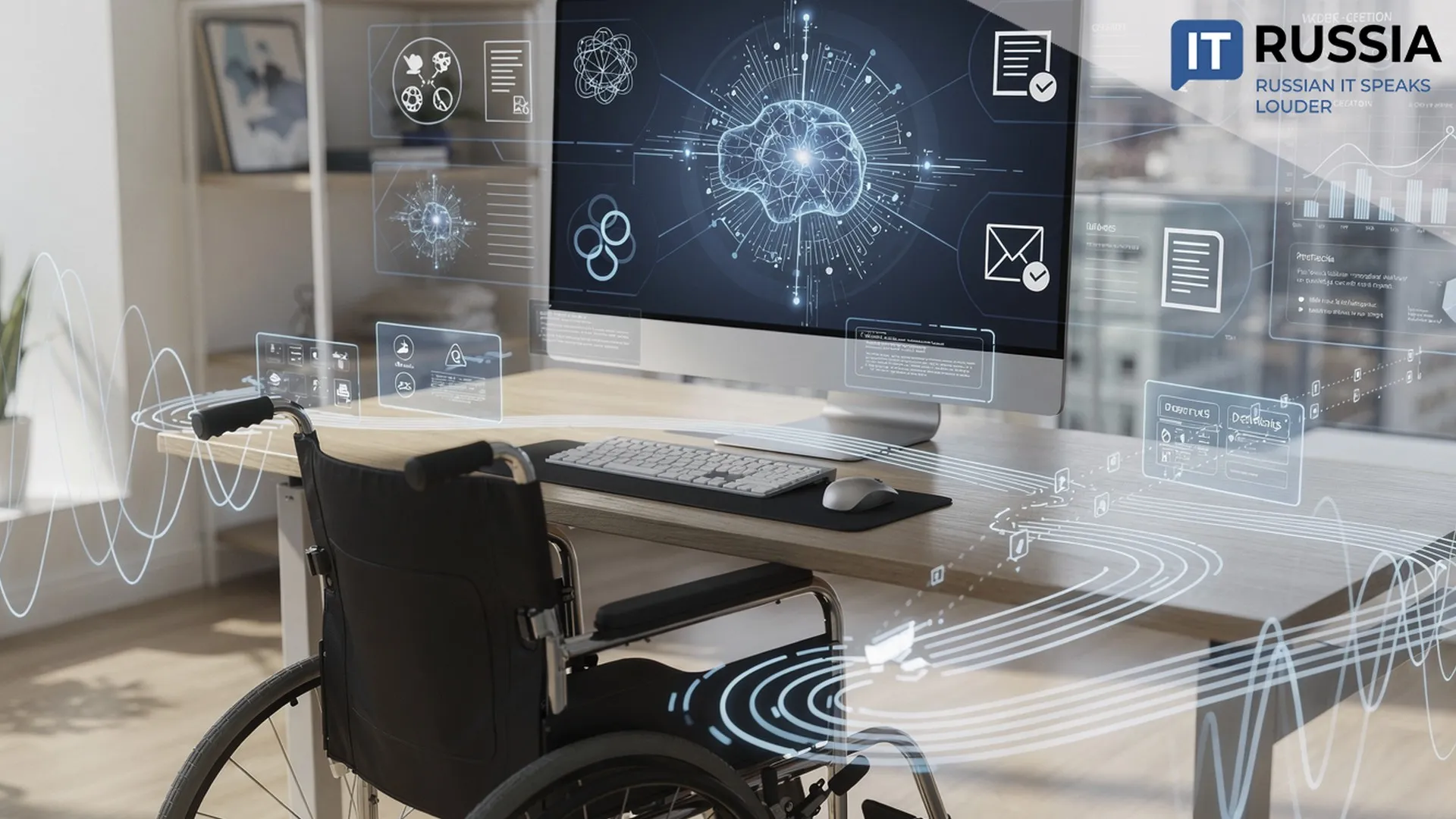
The new course is adapted for people with hearing, visual and mobility impairments. The platform works with screen readers, supports keyboard navigation and provides sufficient contrast. Videos come with captions and adapted graphics, while online sessions include Russian Sign Language interpretation.
Inclusion experts, including the All-Russian Society of the Deaf, were involved in developing the course. This is more than a formality. According to the organization, more than 13 million people in Russia have hearing impairments.
Real-World Tasks for Finalists
Registration is open through Aug. 21, with classes starting Sept. 1. The seven-week program offers participants a foundational track consisting of 25 video lessons, tests and practical assignments across seven modules. Participants will explore generative AI, learn to search for and analyze information, create visual content, automate routine workflows and even prepare career materials such as a resume or portfolio.
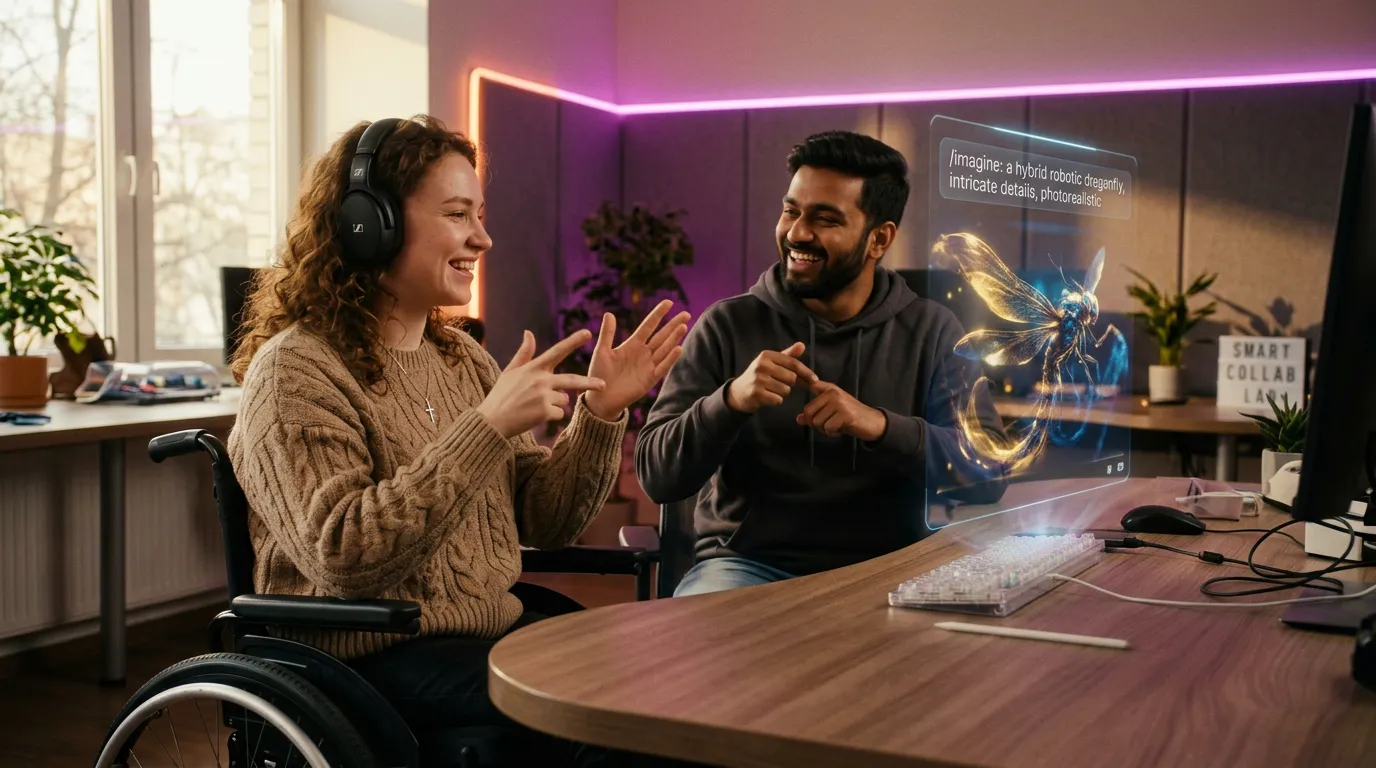
The project’s biggest and most compelling advantage is the hands-on experience offered to its 30 top graduates. Participants will tackle real-world tasks involving customer communications, automation, digital services and analytics. At the end of the program, they will present their projects to MTS experts, receive feedback and earn certificates. More importantly, they will have a chance to join the company’s talent pool.

Recognition for the Best
Over the past several years, MTS, which employs 431 people with disabilities, has carried out about 100 inclusion initiatives. These include training managers and making workplaces more accessible. In 2025, the company launched the inclusive Karera bez limitov (Career Without Limits) career marathon. Participants learned about career paths across the MTS ecosystem and received advice on writing resumes and navigating job interviews. The 300 most active participants were invited to an in-person meeting with recruiters. In 2023, MTS’s comprehensive inclusive hiring project won the Diversity & Inclusion category at the professional HR IMPACT awards. Kazhdyy vklyuchen continues MTS’s diversity, equity and inclusion (DE&I) policy.
Diversity and Equity
The MTS project is not Russia’s first initiative of its kind. Earlier programs, however, focused on training people for specific IT professions. In 2022, for example, the federal Tsifrovye professii (Digital Professions) project gave people with disabilities an opportunity to retrain free of charge as programmers, web designers, digital marketers and analysts. At the outset, though, many educational programs were not yet fully accessible: captions and Russian Sign Language interpretation were often lacking, and platform interfaces did not always work well with screen readers.
In 2023, Netology, MTS AI and NtechLab launched Russia’s first data-labeling course for people with disabilities, including people with autism spectrum disorders. Participants were trained to work with the data needed to train algorithms. The course creators emphasized that persistence and attention to detail, traits common among many people with ASD, could give them a competitive advantage in this kind of work. The program was designed to lead to employment at organizations developing AI-based technologies.
In 2024, Tomsk State University and Rosatom launched an inclusive Instrumenty analiza dannykh (Data Analysis Tools) course. Participants were taught data processing and interpretation, SQL, statistics and how to work with the Forsayt (Foresight) BI platform. People with disabilities received dedicated mentoring support to help them navigate difficulties during their studies. The top graduates had an opportunity to intern with Rosatom’s IT integrator. These examples show how inclusive education can change lives by giving people a path into a new field and potentially a new career.
“Digital skills are becoming essential in many areas of life, which is precisely why demand for them is growing,” Russian Minister of Labor and Social Protection Anton Kotyakov said in 2025, citing the trend. Kazhdyy vklyuchen sets a new standard by showing what genuinely accessible digital products should look like.