«Inkab» Develops Unique Optical Cable for Radio Astronomy Observatory
It is immune to external interference.

Russia has unique technological capabilities in communications. Domestic engineers can produce not only mass-market equipment but also highly specialized technologies needed to solve extremely narrow technical challenges.
An Extremely Complex Challenge
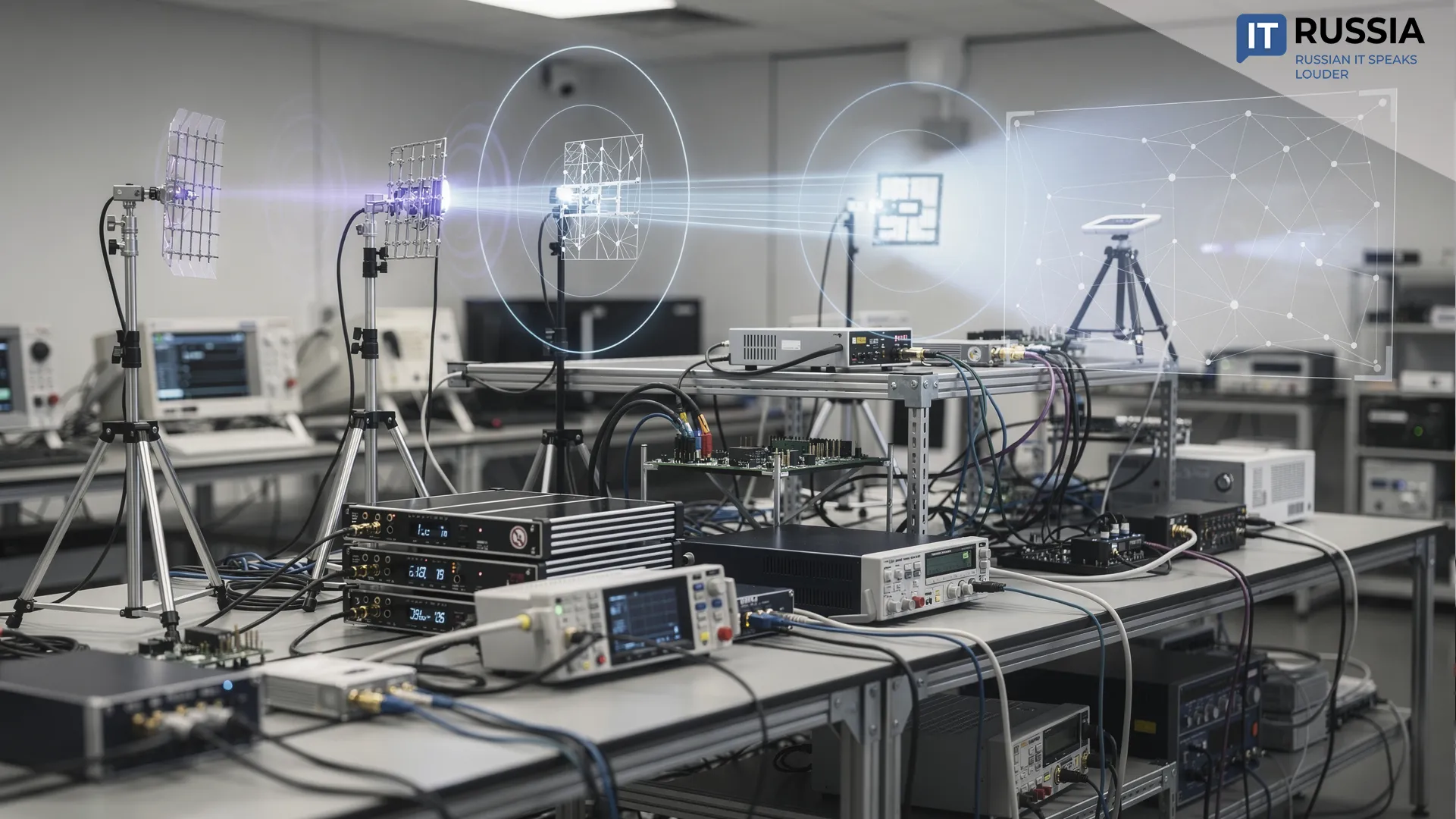
Recently, the Inkab plant manufactured and successfully delivered an optical cable for a radio astronomy observatory. Such facilities require highly sophisticated equipment. Signals from the celestial objects and clusters being studied are typically very weak. That means the equipment used to collect and process them must generate as little interference as possible. Modern radio telescopes can also have dozens of antennas spread several kilometers apart. The signal from each location is digitized on site and transmitted over optical lines to a central facility. There, the system performs the final processing, combining individual pieces of information into a single picture. The more antennas there are and the longer the links between them, the more complex the task becomes. Data transmission volumes are measured in terabits per second, while observation archives can reach petabytes.
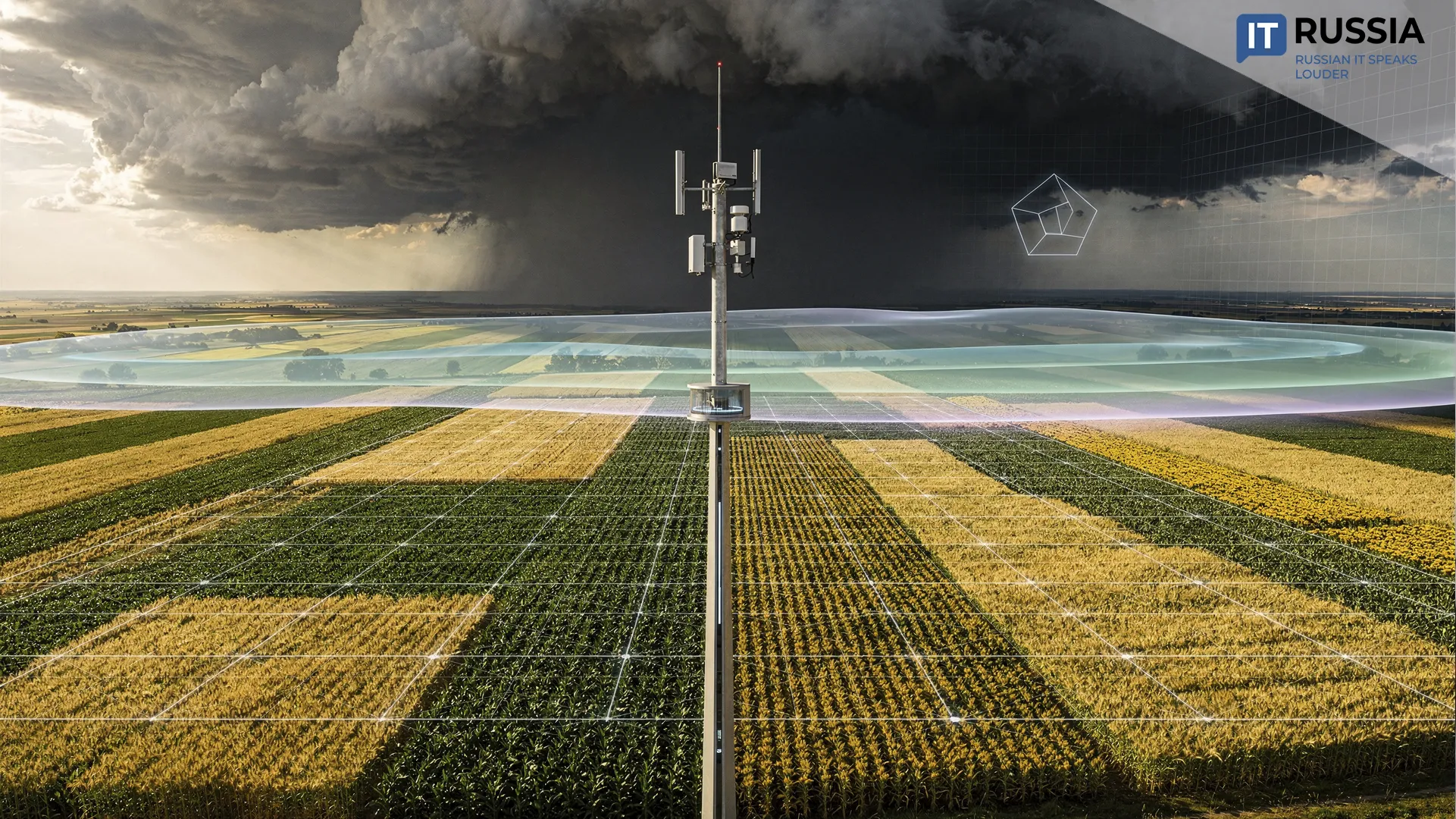
As a result, building transmission lines involves a whole set of highly complex challenges. Cables must be fully protected not only from interference but also from moisture, physical stress and temperature fluctuations. That is why Inkab developed a unique design. It is a dielectric cable with a modular construction intended for installation in protective plastic pipes, cable ducts and blocks, as well as in tunnels, utility galleries, on bridges and overpasses, and inside buildings. The cable contains no metal elements at all. This makes it immune to external electromagnetic effects. It does not conduct electricity, requires no grounding, does not respond to external fields and does not generate radiation of its own.
One Cable Replaces Several
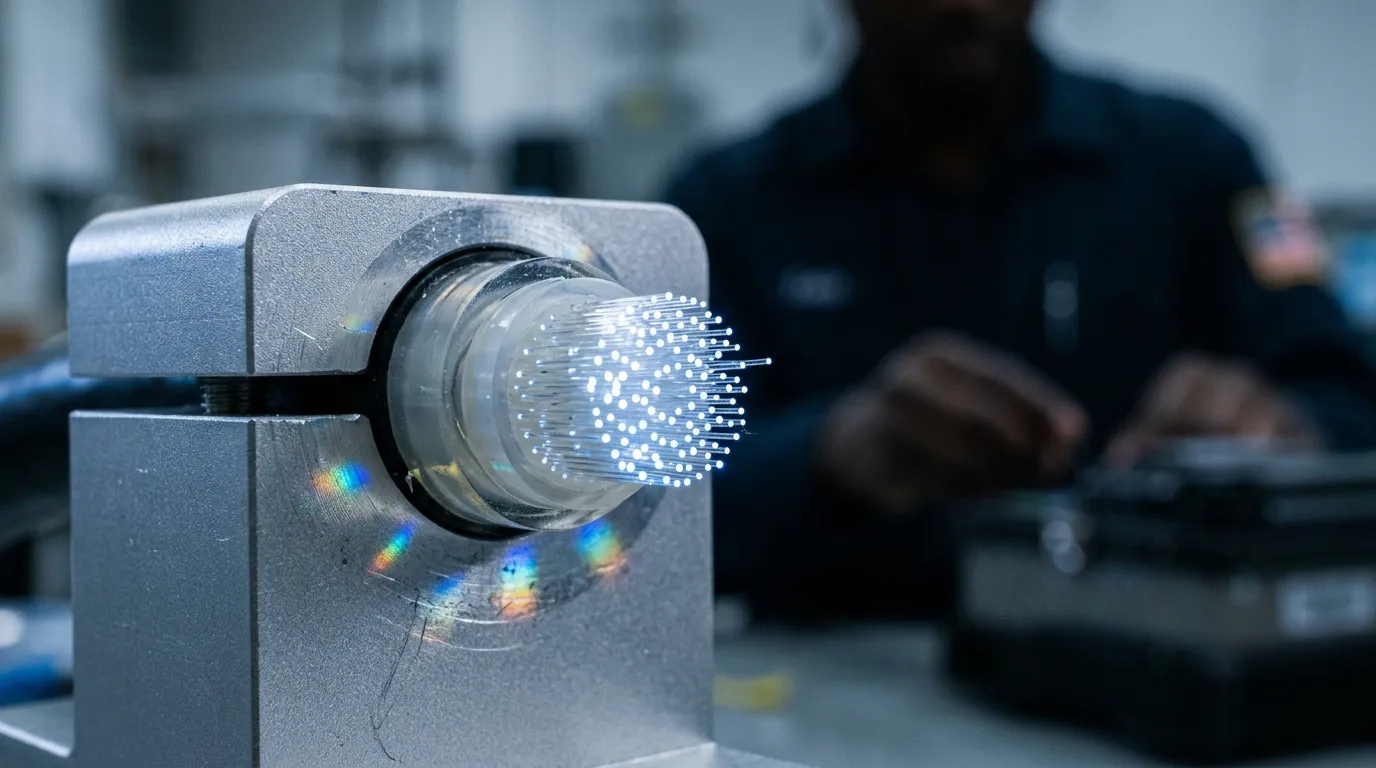
The observatory cable contains 192 fibers, compared with 144 in the standard DPO product line. This approach reduces the number of cables required along the route and simplifies installation at sites spanning tens of kilometers. In practice, one cable can replace several. That means less time spent on installation and fewer splices along the lines.
Although this cable is a single order, its successful completion is significant for the country’s broader IT industry. The telecom sector is undergoing a technology transition driven by data center construction, deployment of new high-capacity links and the rollout of 5G. Projects like this create the technological foundation needed to upgrade infrastructure.

Projects Need a Technology Foundation
One of the largest projects is the Trans-Eurasian Main Fiber-Optic Communication Line (TEA NEXT). It is designed to provide access to digital services not only for people across Russia but also to serve as the backbone for transit routes to other countries, including China and Mongolia. The project is linked to key economic centers, including Moscow, St. Petersburg, Yekaterinburg and Novosibirsk. The route runs at least 50 kilometers from major cities, reducing the risk of damage. The Russian segment of TEA NEXT is about 11,000 kilometers long. The project operator is Atlas LLC, a special-purpose project company.

Demand Is Only Set to Grow
As of November 2025, the total length of fiber-optic communication lines deployed across Russia stood at 1.4 million kilometers and continued to expand. Experts link that growth to rising demand from businesses and government agencies for the transmission of large volumes of data.
As noted above, Russia has the technological capabilities needed to develop its communications industry. Demand for those capabilities is expected to grow as artificial intelligence, big data, scientific computing and distributed digital systems advance. The more data networks carry, the higher the requirements for both communications-channel quality and the reliability of the underlying physical infrastructure.