Marine Technology Hub to Help Russia Achieve Technological Sovereignty in Shipbuilding
Russia is preparing to take a major step in developing its maritime industry by establishing a federal marine technology center that will bring together research, education, and manufacturing within a single national framework.
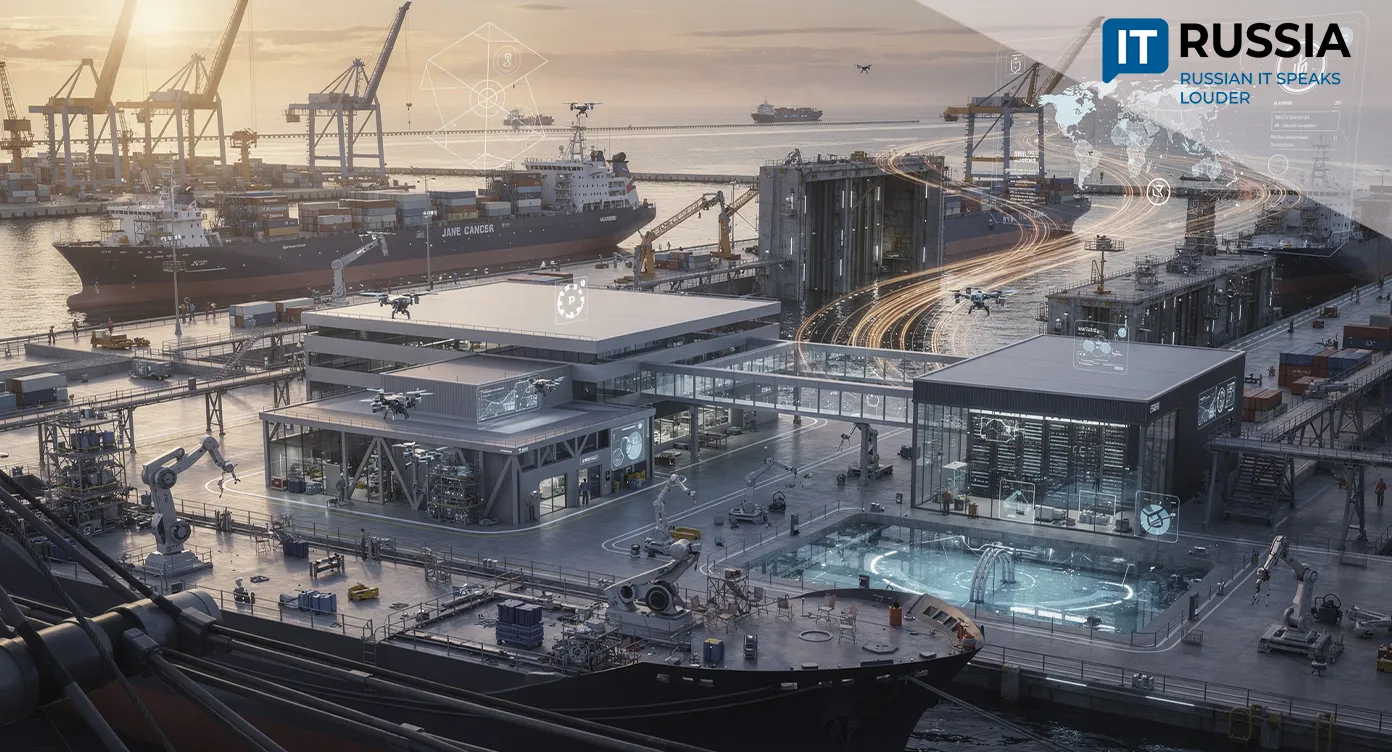
Nikolay Patrushev, Assistant to the President of Russia and Chairman of the Maritime Board, announced plans to establish a new federal-level marine technology center. Its headquarters will be located in Lomonosov, St. Petersburg, with regional branches in Murmansk, Novorossiysk, Astrakhan, and Vladivostok. The project is being developed under the patronage of VEB.RF.
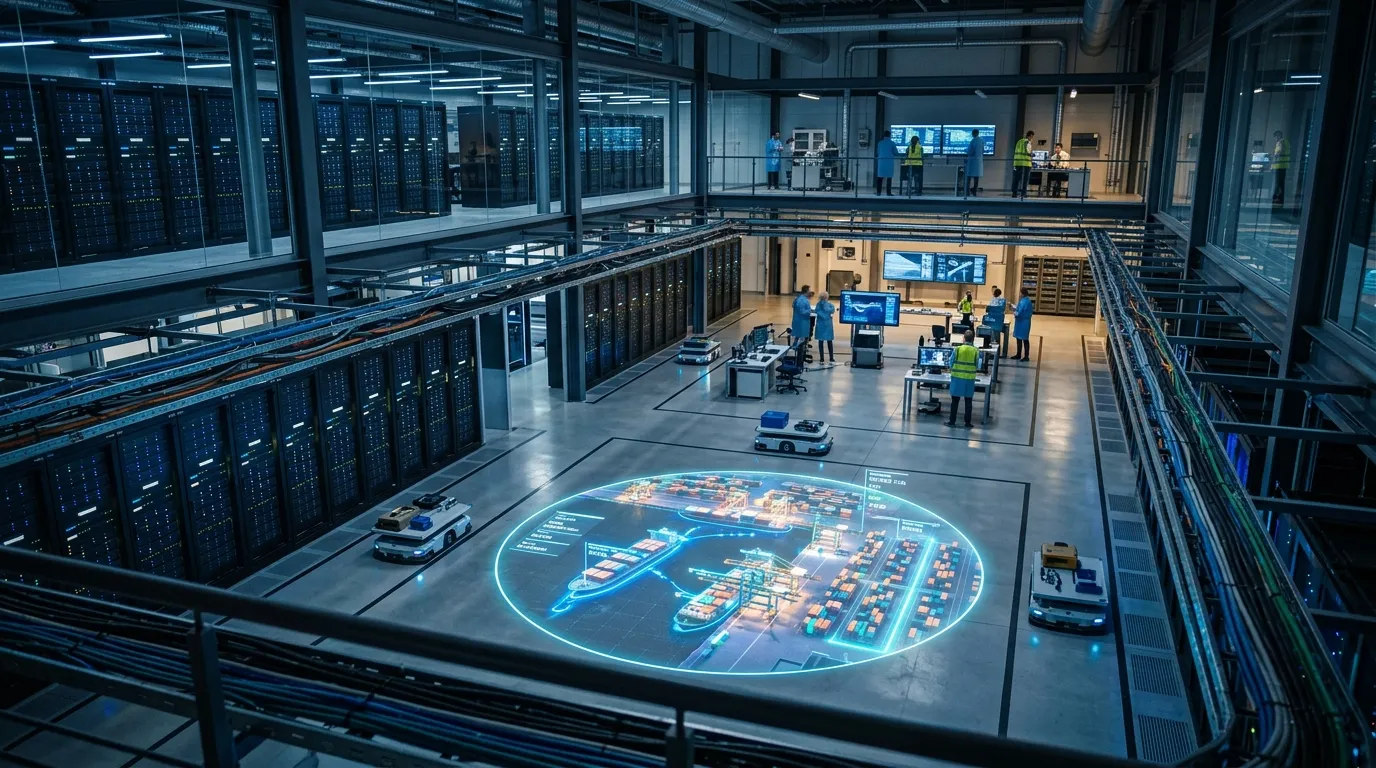
The center will integrate the entire development cycle for Russian marine technologies, spanning education and scientific research, engineering, testing, manufacturing, and commercial deployment. Planned infrastructure includes a data center, artificial intelligence capabilities, digital twins, an independent Russian navigation system developed jointly with Roscosmos, digital engineering libraries, and a unified digital environment for marine technologies.
The initiative could become a key instrument for achieving technological sovereignty in shipbuilding and broader maritime activities. Until now, the absence of a unified end-to-end development system has limited the country's ability to build vessels equipped with modern navigation equipment and domestically developed digital systems. The project is expected to strengthen the resilience of Russia's maritime logistics, create new jobs, expand educational programs, and deepen engineering expertise across the shipbuilding sector.
Boundless Opportunities for Growth
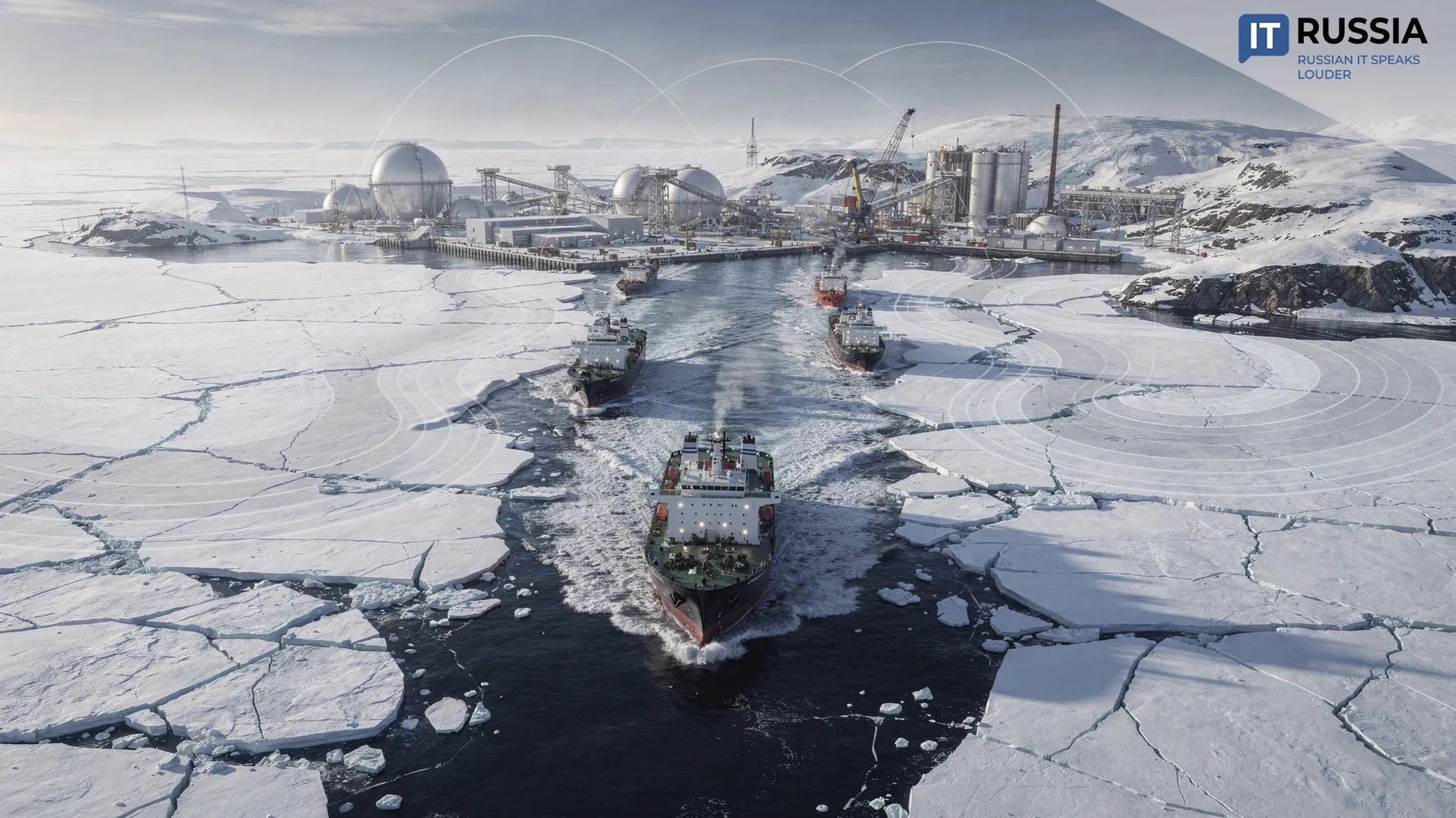
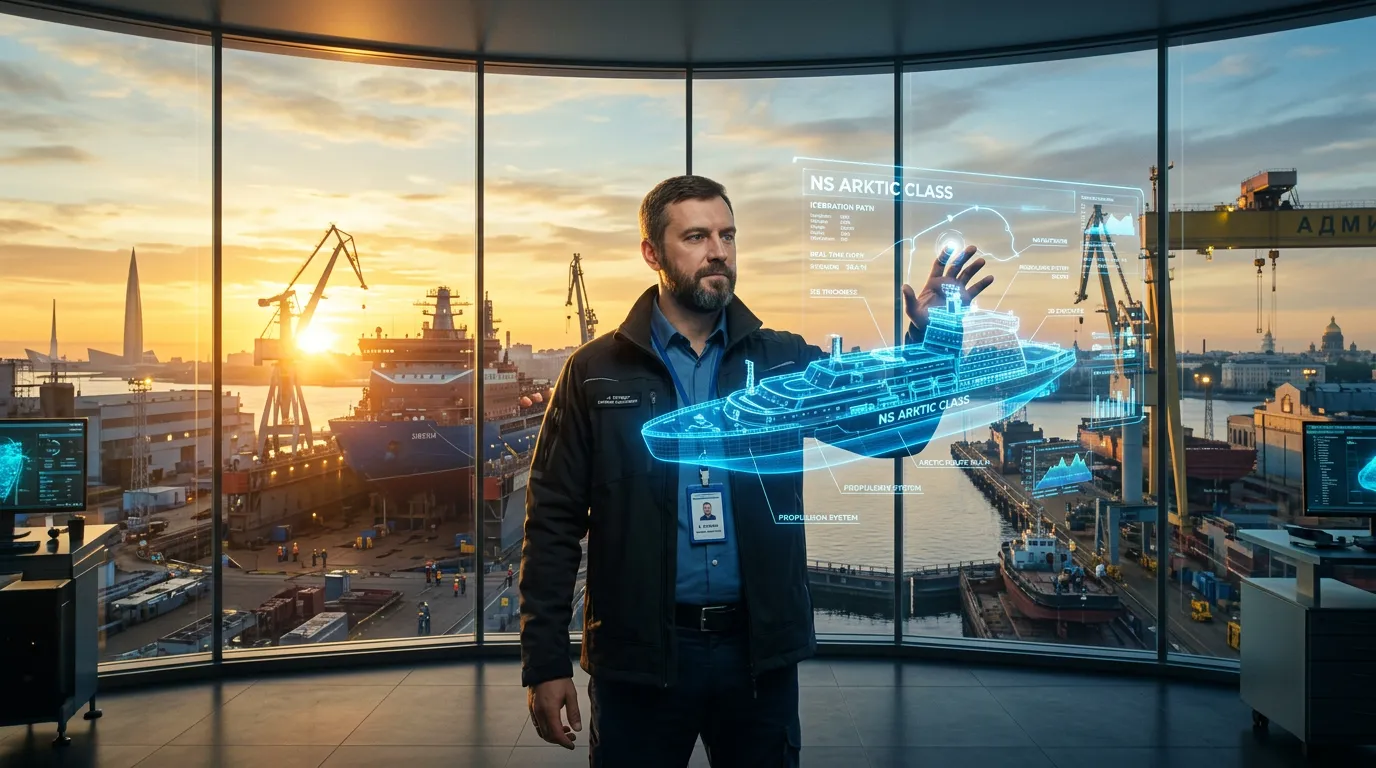
The project's primary objective extends beyond building a technology park. It aims to establish a distributed national system for developing marine technologies. Branches located in key maritime regions will connect the Baltic Sea, the Arctic, the Black Sea, the Caspian Sea, the Russian Far East, and the Northern Sea Route into a single technological network. That integration is expected to benefit not only shipbuilding but also port infrastructure, logistics, energy, and the digital economy.
Among the most promising areas are digital twins for ships, domestically developed industrial software for shipbuilding, digital navigation technologies for Arctic operations, and joint projects with Roscosmos. During the initial phase, the center will focus on domestic priorities, including import substitution, workforce development, shipbuilding modernization, and support for the Northern Sea Route. Over time, technologies developed through the project could also become export products, including navigation systems, fleet design software, monitoring services, AI-powered analytics, and Arctic shipping technologies.
The Development of Marine Technologies in Russia
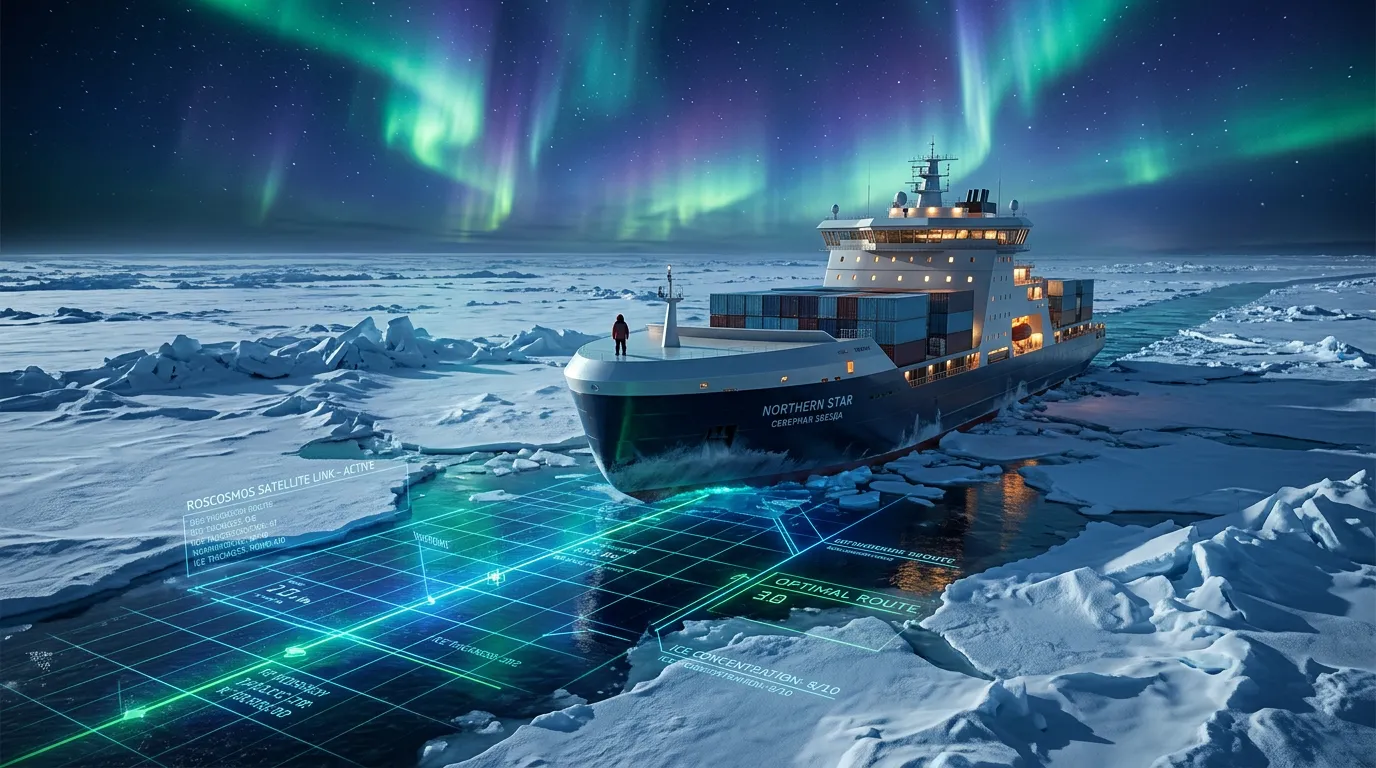
In 2022, Russia approved a new Maritime Doctrine that identified digital technologies and integrated electronic navigation systems as strategic priorities. In 2024, the Russian Maritime Register of Shipping introduced approaches for applying digital twins in shipbuilding, while Roscosmos proposed expanding the Arctic's digital infrastructure.
In 2025, the Russian government updated its shipbuilding industry development strategy, placing greater emphasis on increasing the share of domestically built civilian vessels. In 2026, United Shipbuilding Corporation (USC) presented the results of its shipbuilding digitalization program and unveiled a domestically developed high-end CAD platform for large-scale engineering applications. Together, these initiatives laid the foundation for launching the new federal marine technology center.
Technological Sovereignty and New Horizons
The proposed marine technology center is intended to bring together the capabilities of government agencies, industry, universities, and research organizations within a single operational platform. Successful implementation would accelerate the adoption of domestic digital technologies in shipbuilding and logistics, strengthen Russia's position in the global marine technology market, and reinforce the country's technological sovereignty.
The project's principal risks include interagency coordination, its capital-intensive nature, workforce availability, and continued dependence on domestic engineering software. With effective implementation, however, the center could address national priorities while also becoming a platform for exporting Russian technologies, particularly in Arctic shipping, navigation systems, and digital engineering. Over the longer term, it could strengthen Russia's position as a technologically independent maritime power.