Russian researchers are developing a domestically built service robot using fully local components.
Scientists at Tver State University are
developing service robots made entirely from domestically produced components.
Mikhail Babaytsev, the project’s author, an industrial designer and a PhD
student at Tver State University’s Department of Philosophy and Theory of
Culture, shared details with IT RUSSIA.
“The robot we’re developing is a logistics
platform that was originally designed for agriculture. But we decided to
explore different shapes, sizes, and electronic configurations in order to
build robots optimized for specific tasks,” he said.
The team has already assembled an
all-wheel-drive prototype that will run on the domestic Ruderon board.
“Our philosophy is to use Russian
components as much as possible, within reason. We’re building the architecture
on our own board, developed around a PIK controller with domestic supporting
components and a local processor. A more industrial-grade version of the board
is produced by Aquarius here in Tver. We are among the first to use Ruderon for
this type of application,” Babaytsev added.
A Smart Vacuum Cleaner for the Street
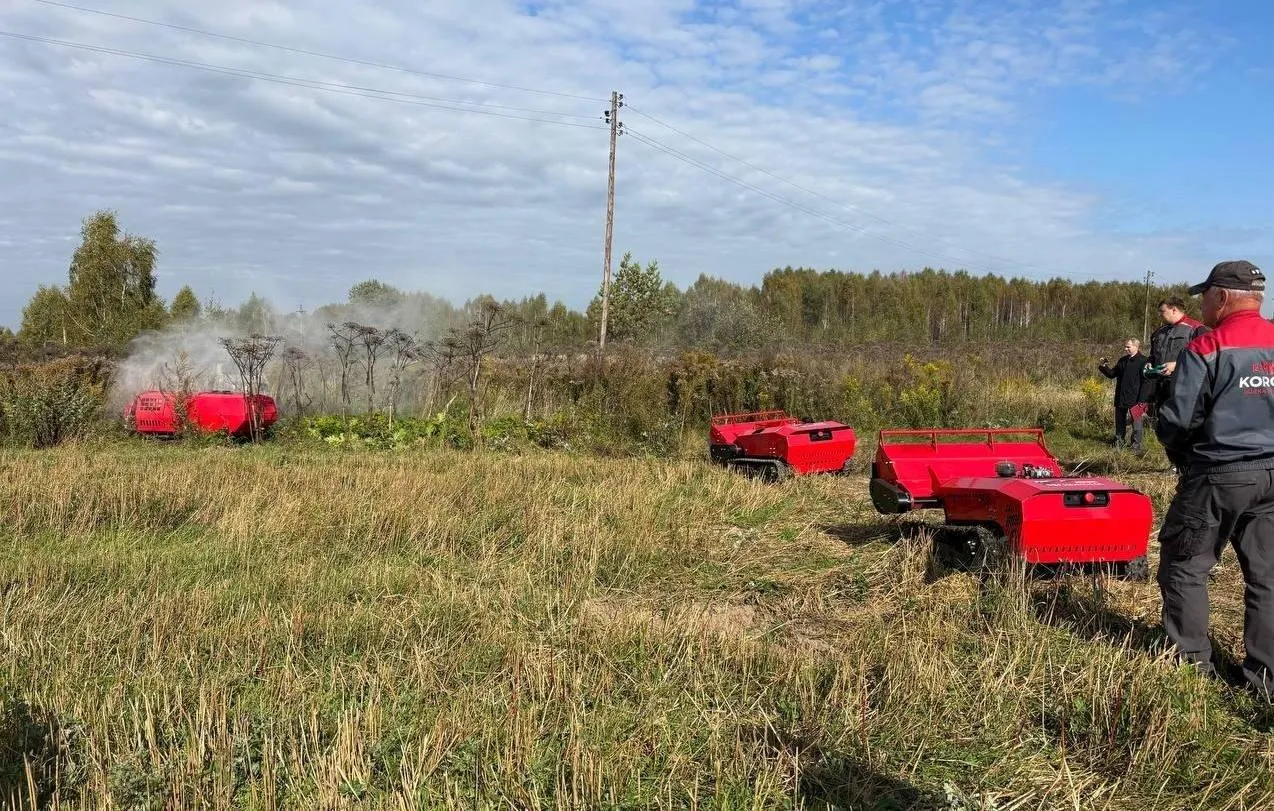
The robot can clear snow, transport cargo,
and handle general maintenance tasks. For now, it is operated via remote
control, but the team plans to make it fully autonomous.
“This kind of robot could independently
clear snow as it falls, like a robotic vacuum cleaner but within a defined
area. In the future, it will be able to autonomously move light cargo, for
example between workshops. Even as a remotely operated machine, the platform
has already proven its value. We tested it in agriculture and in everyday
use—it’s well suited for transporting firewood, bulk materials, and other loads
around a site, eliminating the need for manual lifting,” Babaytsev said.
The team is also testing the platform as a
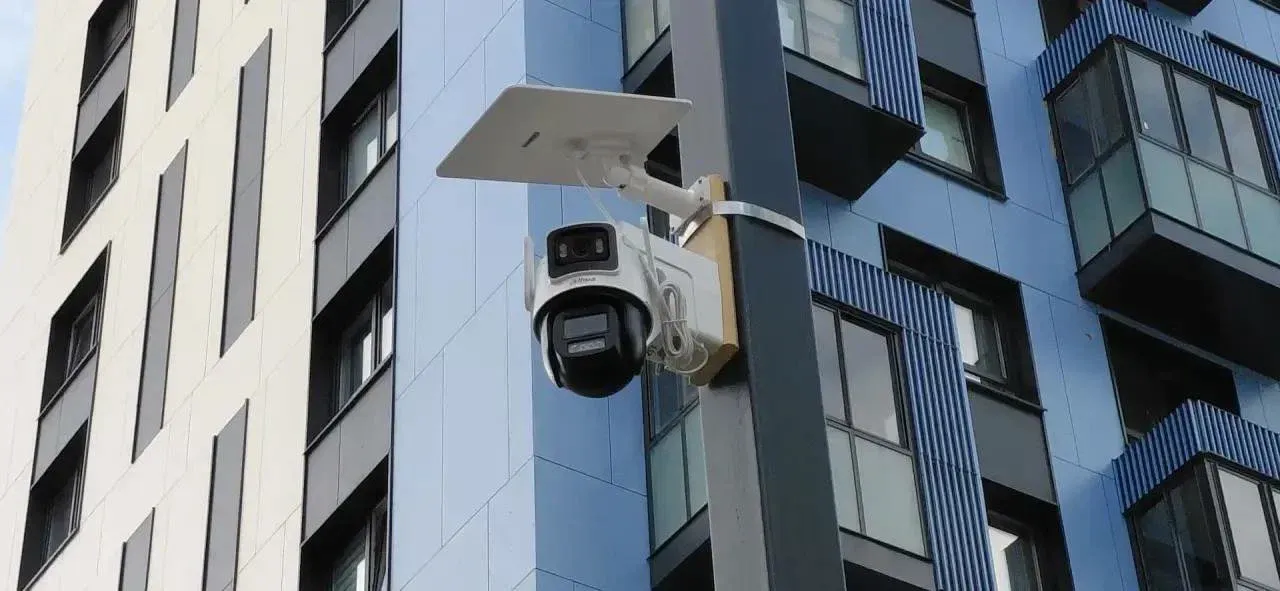
teleinspection robot or security unit. An IP camera can be mounted on the robot
to patrol an area using Wi-Fi access points. The system can be controlled
remotely from any office.
“We’re working on a computer vision
algorithm that will analyze video feeds in real time and alert operators when
people appear on a secured site,” Babaytsev added.
Robotics in Practice
Babaytsev emphasized that all hardware and
software are developed in-house, as the team is aiming for technological
independence and the creation of unique products.
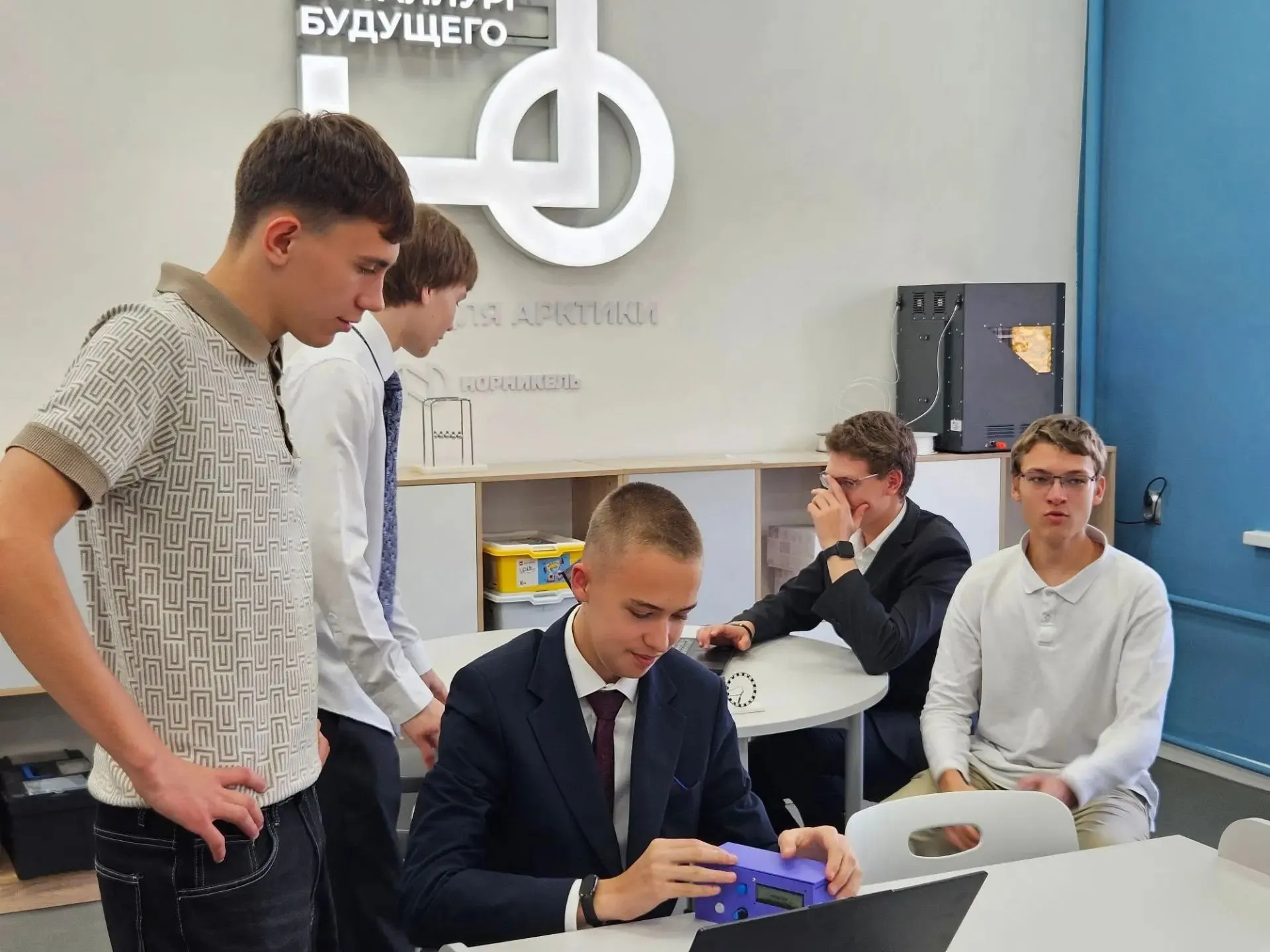
“Our work is closely tied to education. We
teach hands-on robotics in schools and institutions across Tver and the
surrounding region, and we’ve also shared our experience in other parts of the
country, from Kamchatka to Pskov. This experience shows that today’s
specialists need to be ‘universal thinkers’—with basic knowledge of mechanics,
electronics, and programming. But the key skill is the ability to keep learning
and adapt your expertise to what the market actually needs,” he concluded.