Platform for SMEs Becomes a Tool of Digital Diplomacy Between Kyrgyzstan and Russia
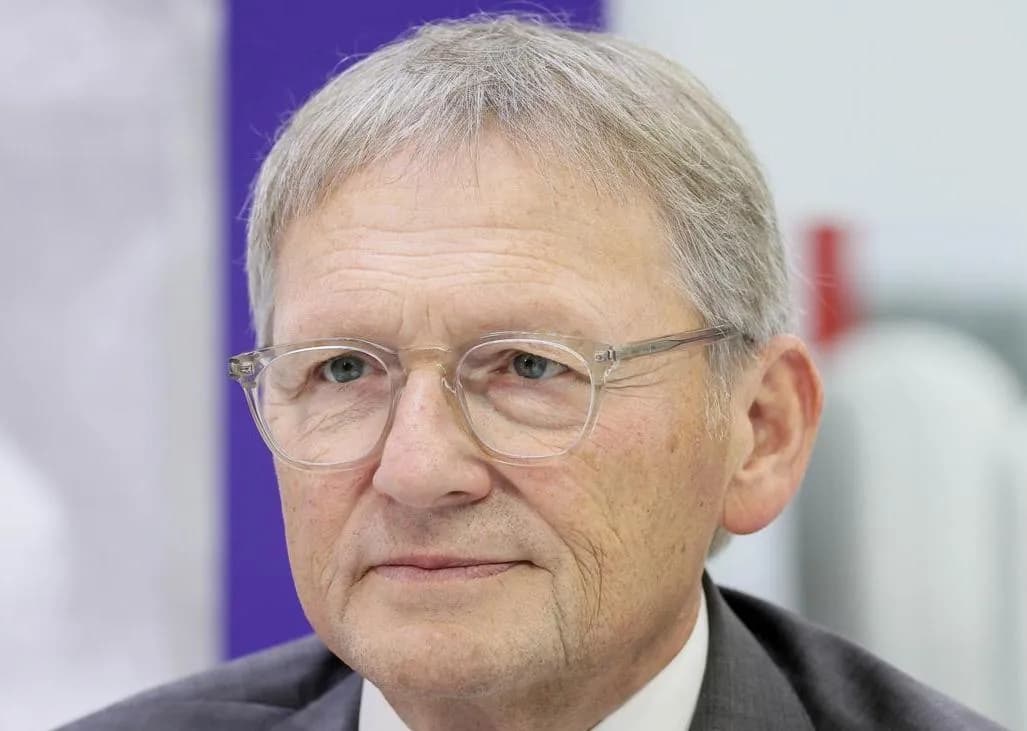
Boris Titov, Special Representative of the President of the Russian Federation, said Kyrgyzstan has adopted a Russian digital platform designed to support small businesses. According to him, the platform has helped move part of the country's economy out of the shadow sector while increasing government revenue.

Russia is offering countries across the Global South technological, economic, and regulatory solutions for the platform economy free of charge. These tools have already been deployed successfully at home and can be exported either as a complete ecosystem or as individual components.
Business Moves Out of the Shadows
Digital platforms designed to support small and medium-sized enterprises (SMEs) encourage businesses to formalize their operations while broadening the tax base. The logic is straightforward: entrepreneurs who register through a single digital gateway gain access to government support programs and financing, creating a clear incentive to participate. Meanwhile, entrepreneurs are automatically brought into the formal tax system, benefiting the state as well.
"Businesses already exist in these countries, but many operate in the shadow economy. Governments therefore miss out on revenue that could be reinvested in sustainable development. With a digital platform, they can significantly increase public revenue, while businesses also benefit because their payments go to the state rather than into the pockets of corrupt officials," said Boris Titov, the Russian President's Special Representative for Relations with International Organizations to Achieve the Sustainable Development Goals.

Digital Business Diplomacy
Titov also announced plans to introduce similar platforms in African countries. Russia exports not only a technology stack but also a model of digital public administration. The most likely destinations include the CIS, the Eurasian Economic Union (EAEU), and African countries, where microbusinesses and informal employment account for a large share of the economy and GovTech infrastructure remains relatively underdeveloped.
Russia uses its experience with digital SME platforms as a tool of economic and technological partnership while positioning itself for long-term contracts covering platform support and modernization. The initial investment can generate returns through decades of operation. At SPIEF 2026, SME Corporation and the Russian-Kyrgyz Development Fund discussed expanding their cooperation, underscoring that this effort is part of a broader long-term strategy.

A Platform Model for SMEs
Russia launched the MSP.RF digital platform for small and medium-sized businesses in early 2022. Developed jointly by SME Corporation and Russia's Ministry of Economic Development, the platform brings together more than 35 online services, access to 800 federal and regional business support programs, and a wide range of government services.
A digital entrepreneur profile turns MSP.RF into a personalized service that has attracted 1.6 million registered users. Since its launch, the platform has processed 12 million requests from companies, sole proprietors, and self-employed individuals.
Plans to build a similar platform, Biznes-Tunduk (Business Tunduk), in Kyrgyzstan were announced in February 2026 during a meeting with representatives of the country's financial sector organized by the Russian-Kyrgyz Development Fund.

A New Level of Technology Exports
Kyrgyzstan could become a pilot market for deploying national digital platforms based on Russian technologies across the CIS and Africa. Offering both the platform model and the underlying IT solutions free of charge gives Russia a significant competitive advantage over other technology exporters, including China.
Russia is demonstrating that it can export not just standalone software but comprehensive government platforms that integrate business support, regulatory administration, financial services, and analytics. That represents a new stage in technology exports – delivering a complete model of digital public administration rather than individual software products.