Robots Join the Front Line of Wildfire Prevention in the Moscow Region
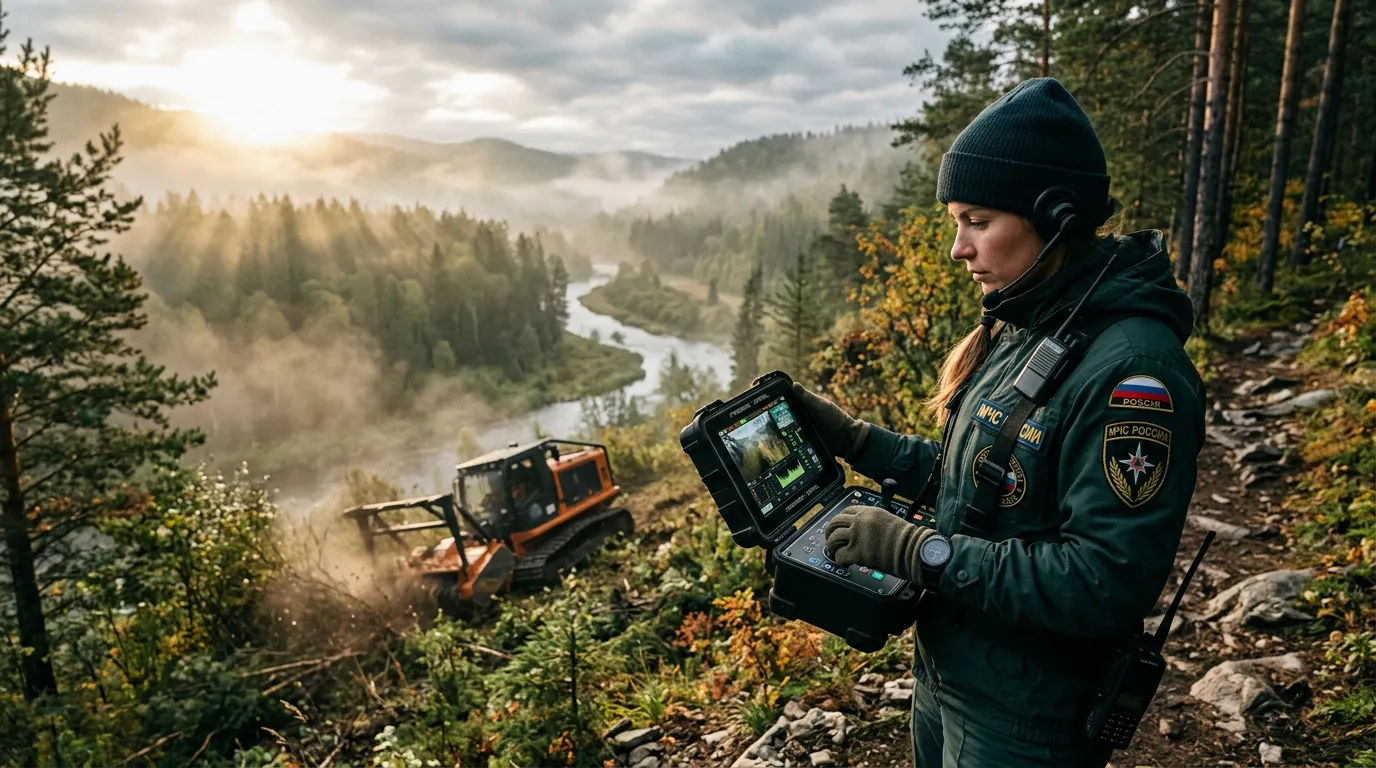
The Moscow Region has begun automating its wildfire prevention infrastructure. MOS AVS maintenance crews are now using robotic mulchers to maintain peatland rewetting systems.
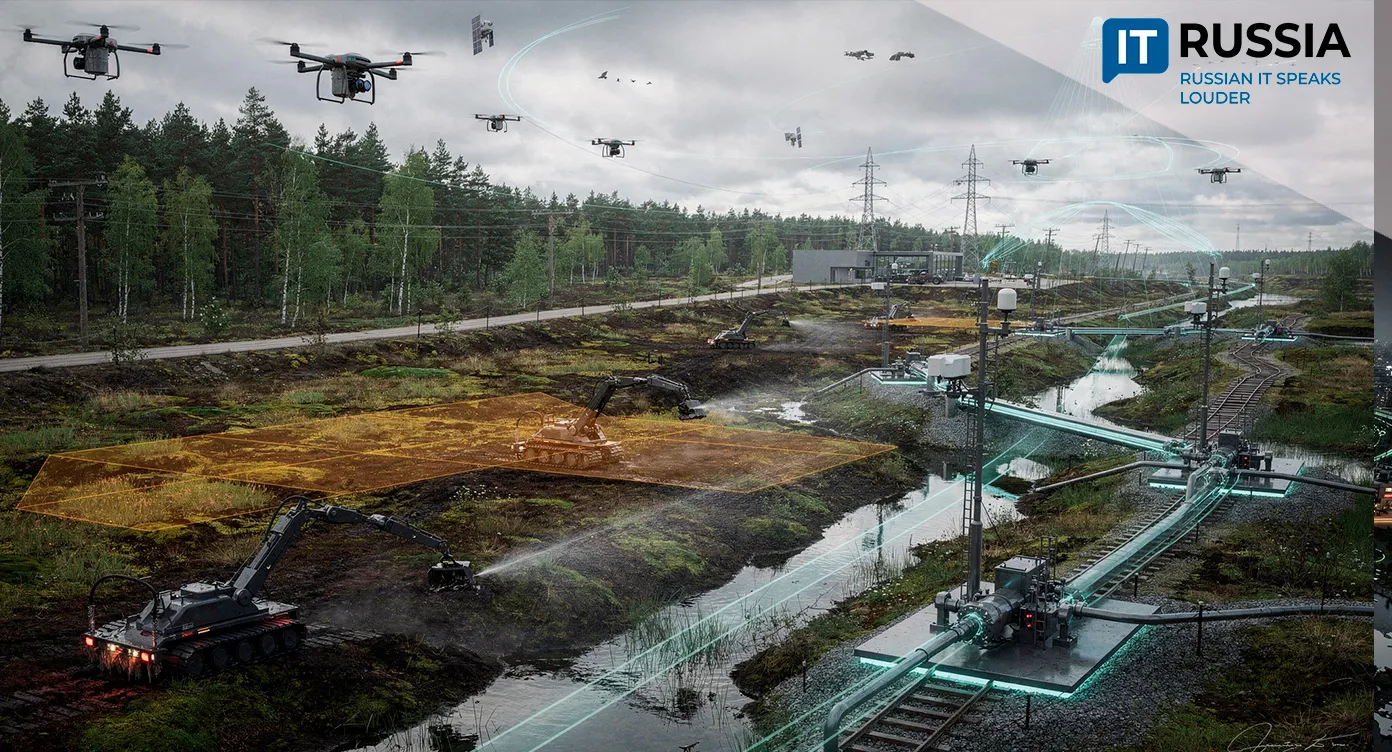
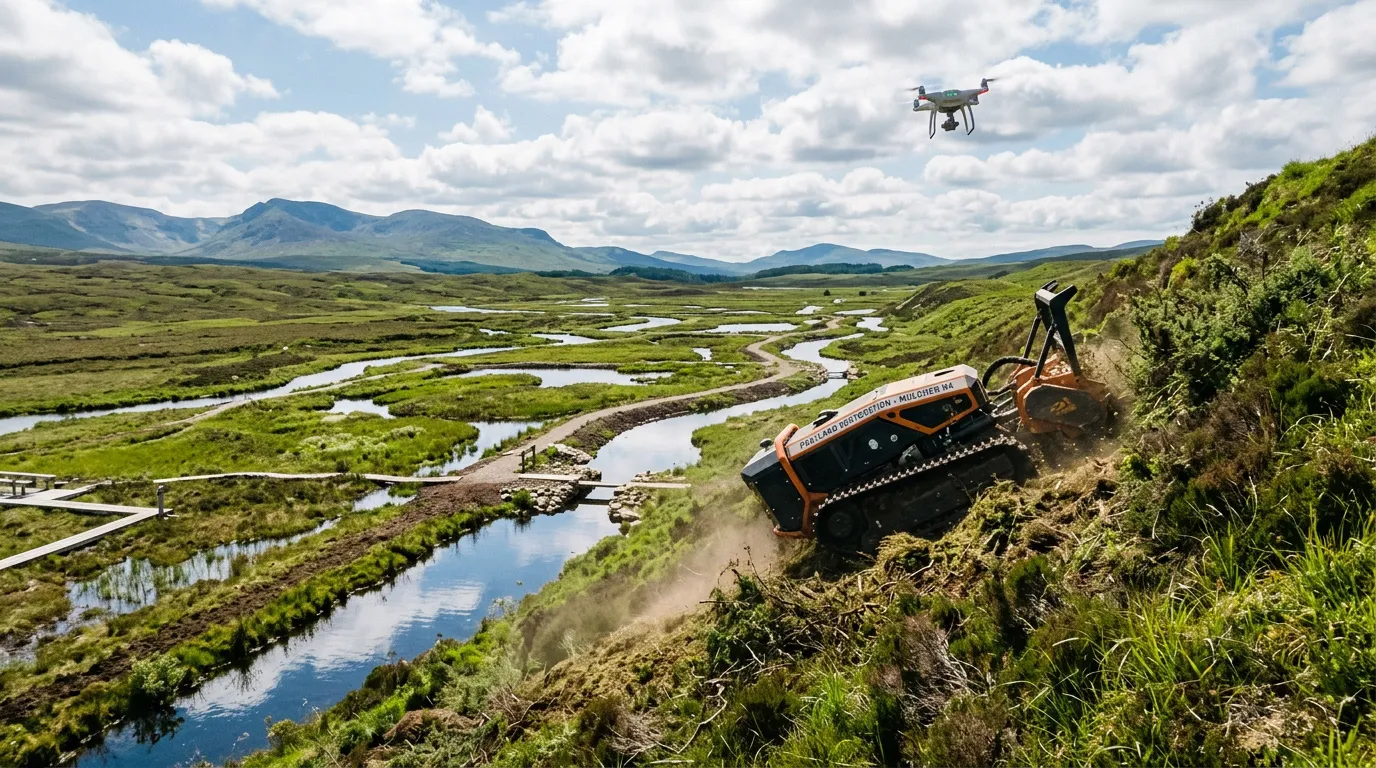
These remotely operated machines mow vegetation, shred shrubs, and clear land around hydraulic engineering structures.
Work Built for Robots
MOS AVS oversees 76 hydraulic complexes that maintain water levels across peatlands covering approximately 73,000 hectares. Keeping these systems operational preserves safe peat moisture levels and reduces the risk of both underground and surface fires. Until recently, maintaining such vast and difficult-to-access sites depended largely on manual labor supported by tractors. The work was time-consuming and often exposed personnel to hazardous conditions.
Those demanding tasks are now being performed by high-tech machines operated from a safe distance. Workers no longer need to remain close to heavy equipment operating on uneven terrain. According to industry estimates, robotic systems can be up to 25 times more productive than manual labor. A six-person crew may need an entire month to clear one hectare of grass and brush, while a robotic mulcher can complete the same job in a single day. Modern mulchers are capable of processing more than 3,000 square meters every hour.
At Home on Roads and in Wetlands
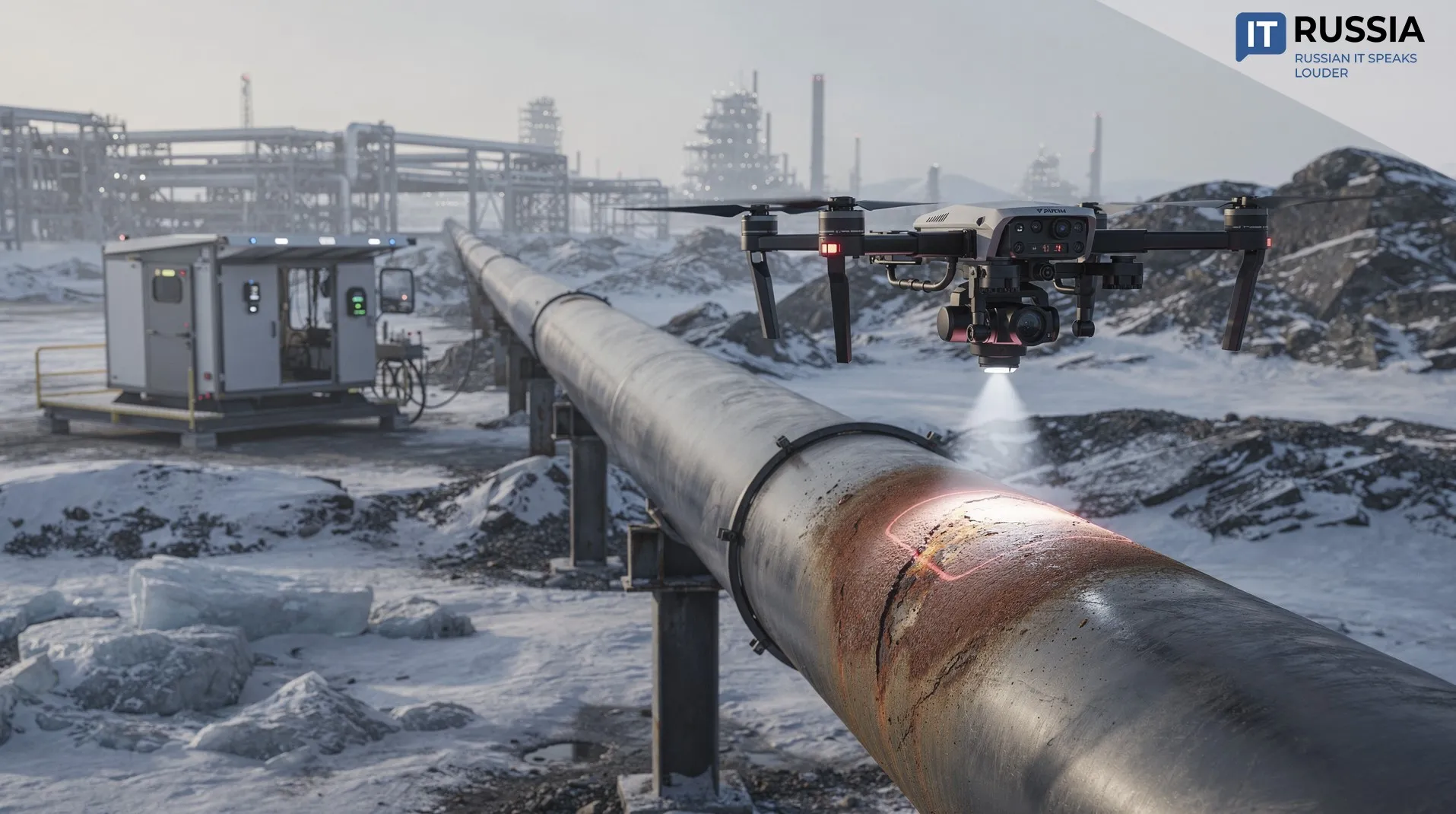
The introduction of robotic systems is expected to reduce the time required to maintain dozens of hydraulic complexes while improving the region's preparedness for drought conditions. Robotic mulchers could also be deployed in wetlands, for creating firebreaks, and along railways, power transmission corridors, and pipelines. Similar peatland rewetting projects are already underway in Russia's Tver Region, including the approximately 1,200-hectare Orshinsky Mokh peat deposit. These efforts are intended to improve forest management, slow peat decomposition, and dramatically reduce wildfire risk. Robotic systems could become valuable tools for climate resilience projects, particularly if they are equipped with geolocation capabilities and video analytics.
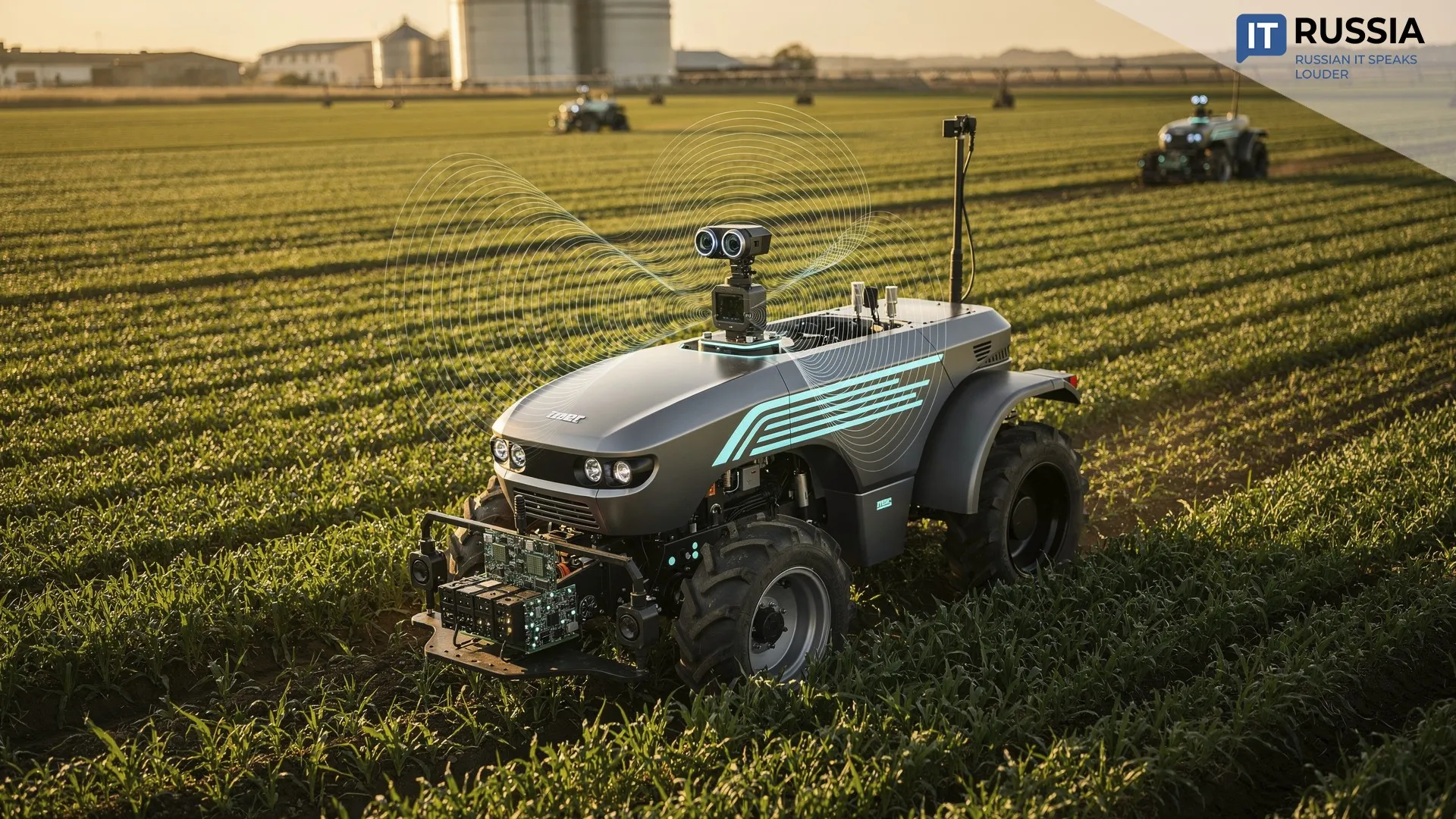
One promising direction is integrating ground robots with unmanned aerial systems. A drone or satellite could identify overgrown or dried-out areas, a digital platform could automatically generate a maintenance task, and a robotic mulcher could carry out the clearing operation under remote supervision. Russia is already implementing a nationwide program to equip forest regions with drones, with more than 5,000 aircraft scheduled for deployment by 2030. Smart software is being developed alongside them. Researchers at Innopolis University, for example, have created a neural network capable of detecting wildfires while surveying up to 200,000 hectares during a single flight.
Solid Ground for the Next Stage
Russian-built robotic mulchers have already been used to clear roadside vegetation along the Moscow Region section of the federal M2 Crimea Highway. The machines demonstrated their ability to operate safely on slopes and in hazardous environments.
For now, the robots will complement conventional equipment by working in the most difficult-to-access locations. Over the coming years, however, the fleet is expected to expand, while future generations will incorporate obstacle-detection sensors that allow the machines to plan their own routes automatically.
Russia already relies extensively on drones to detect wildfires. By adding autonomous ground robots, it is now moving toward a unified digital ecosystem for environmental protection and wildfire resilience.