Rosatom Scientists Develop Research Challenges for Sirius Program Participants
Scientists from Rosatom's research division took part in the Bolshiye vyzovy (Big Challenges) science and technology education program at the Sirius Educational Center.
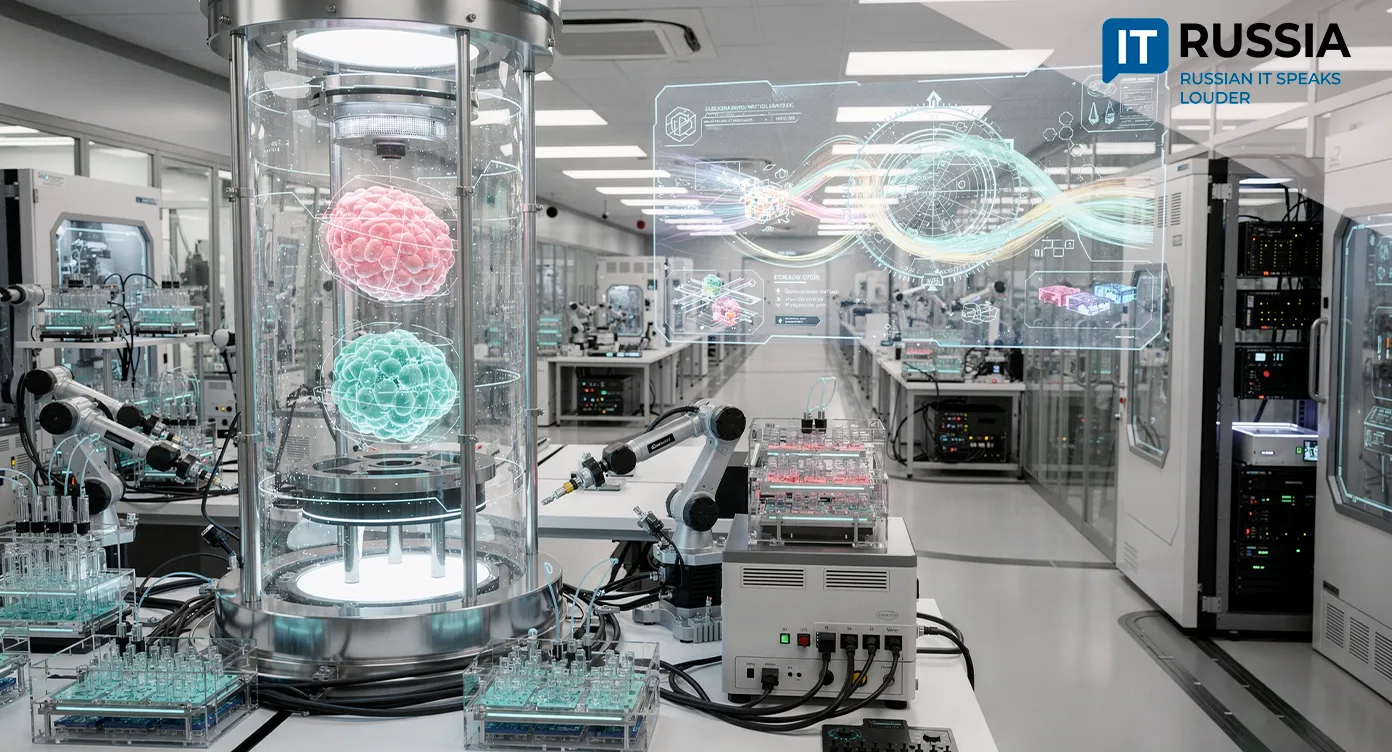
Under the guidance of Rosatom researchers, high school students from 67 regions of Russia worked on projects in genetics, biomedicine, and nuclear energy. The Bolshiye vyzovy educational program is being held for the 11th time. This year, it brought together 435 participants and 79 projects proposed by leading Russian companies.
Gene Editing and Tissue Engineering
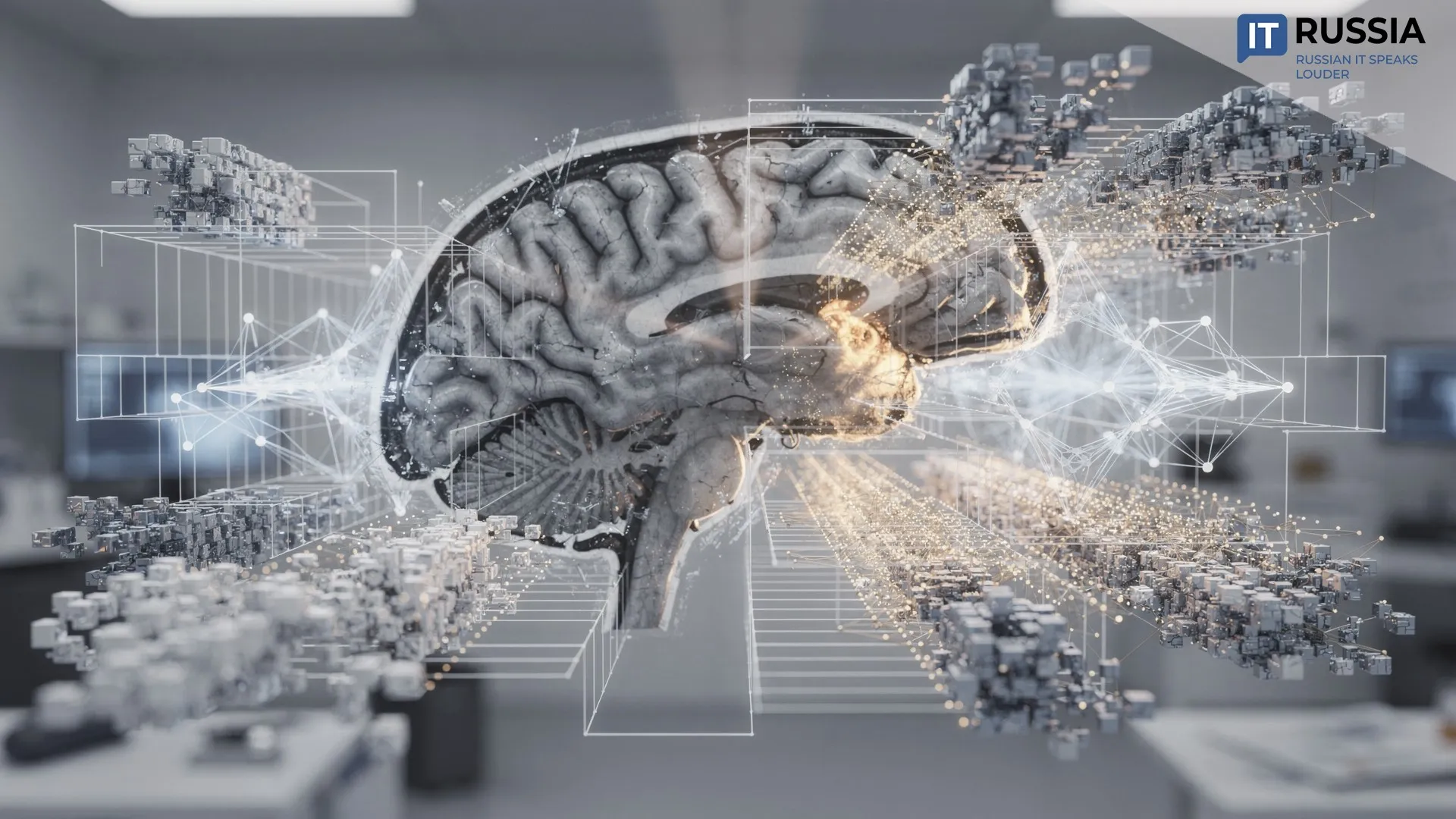
The first research challenge was developed by specialists from the Research Institute of Technical Physics and Automation (JSC NIITFA). The project combined cell biology, field physics, and engineering design. Students worked on creating hypoimmune cells intended to serve as a future platform for tissue engineering.
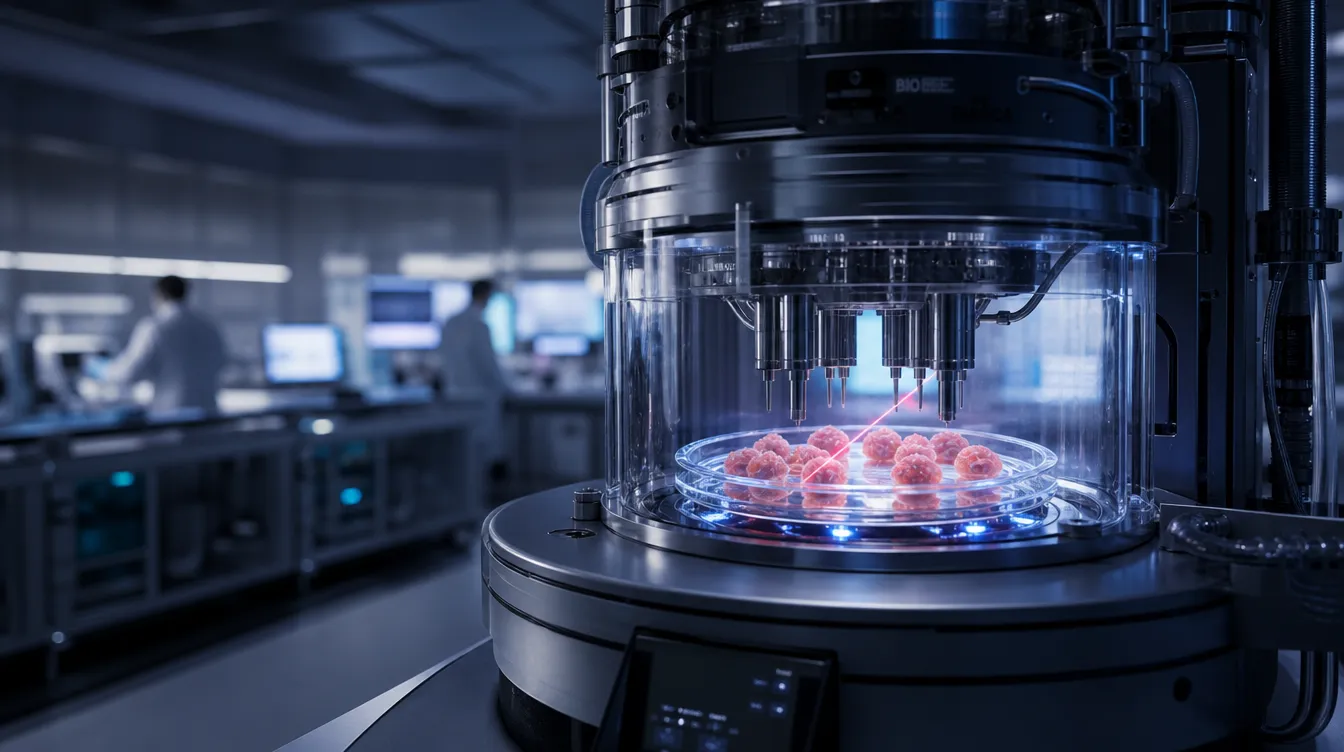
The project centered on a dual gene-editing system based on CRISPR/Cas, the natural immune mechanism found in bacteria and archaea. Participants knocked out the beta-2 microglobulin (B2M) gene while simultaneously inserting the HLA-E gene, which promotes immune tolerance. During the next stage, students used a magnetic field to assemble the modified cellular material into a single organoid.
Over just a few days, participants progressed from gene editing to producing a real biological tissue construct. The challenge gave students the opportunity to experience the work of geneticists, cell biologists, and bioengineers while seeing a tangible outcome from their efforts.
Modeling a Two-Component Nuclear Energy System
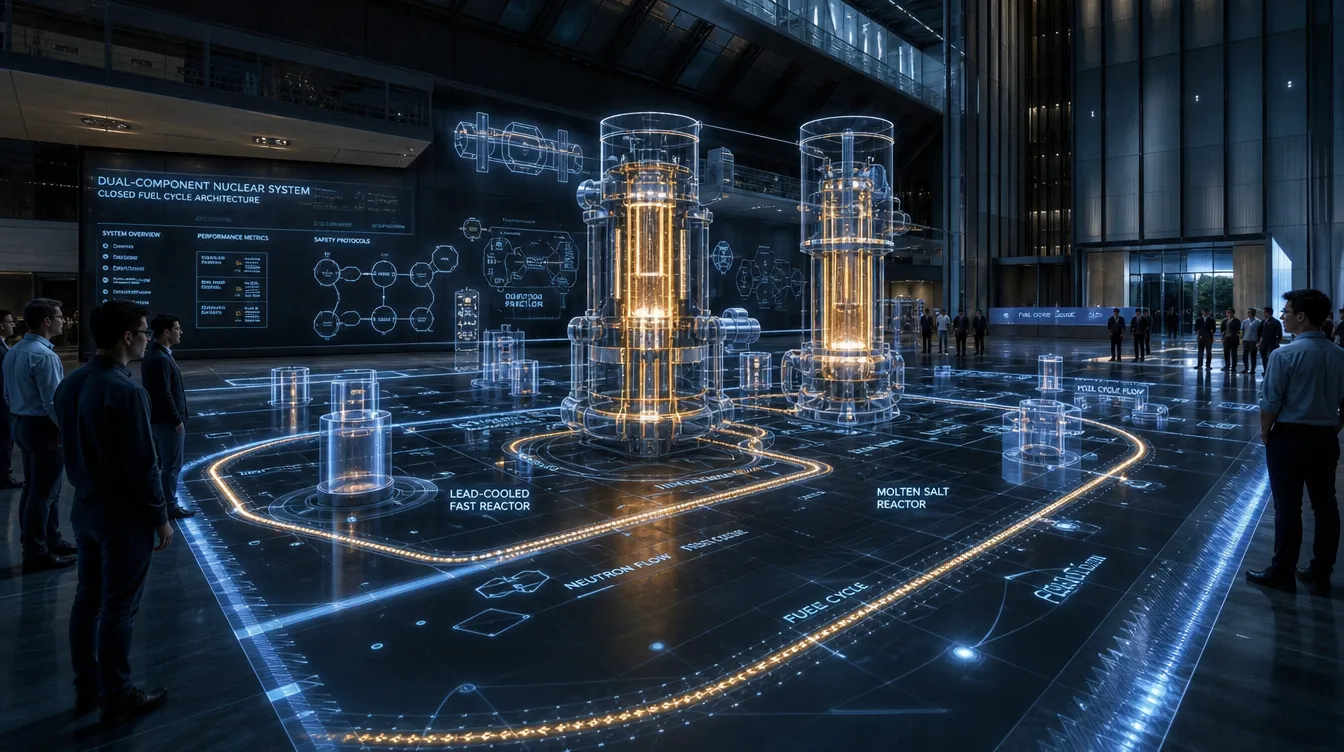
The second research challenge was developed by specialists from a Rosatom institute in Obninsk. It focused on modeling development scenarios for Russia's two-component nuclear energy system. Students analyzed the combined operation of VVER pressurized water reactors and fast neutron reactors using sodium and lead coolants within a closed nuclear fuel cycle.
A two-component nuclear energy system combines thermal neutron reactors (VVERs) with fast reactors operating as an integrated system. Fast reactors use plutonium produced in VVERs as fuel while simultaneously generating new fuel. That approach enables uranium to be recycled multiple times, reducing the volume of radioactive waste.
The students' task was to model fuel-flow balances between the two reactor types and evaluate how different scenarios for commissioning new generating capacity would affect fuel resources and spent fuel volumes. Calculations of this kind form the basis for long-term strategic planning across the nuclear power sector.
Program Format and Results
Bolshiye vyzovy is an educational program run by the Talent and Success Foundation and held annually since 2016. Project work takes place in the laboratories and workshops of Sirius University and the Sirius Educational Center. The program covers 11 priority areas identified for Russia's scientific and technological development.
This year, Rosatom experts participated in the competitive selection process in two tracks: Modern Energy and Genetics and Biomedicine. The research challenges were designed so that each interdisciplinary topic required students to combine knowledge from multiple scientific fields.
The program ran for 24 days, from July 1 through July 24. It concluded with a project showcase where participants presented their results. The strongest projects will receive further support from partner organizations for continued development, while their authors will be invited to internships and opportunities to co-author scientific publications.
Building the Next Generation of Nuclear Professionals
Rosatom's participation in Bolshiye vyzovy forms part of the corporation's broader effort to develop a talent pipeline for the nuclear industry and related high-technology sectors.
The corporation's research division conducts both fundamental and applied research in closing the nuclear fuel cycle, nuclear fusion, and nuclear medicine. Involving high school students in genuine scientific challenges helps identify highly motivated future researchers at an early stage while introducing them to the tools and methodologies of modern science.