Russia Develops Remote Screening System to Detect Melanoma Risk
A new system can be deployed in clinics and outpatient settings
Researchers at Novgorod State University and the Novgorod Regional Clinical Oncology Center have developed a hardware-software system for remote melanoma screening, the university’s press service said.
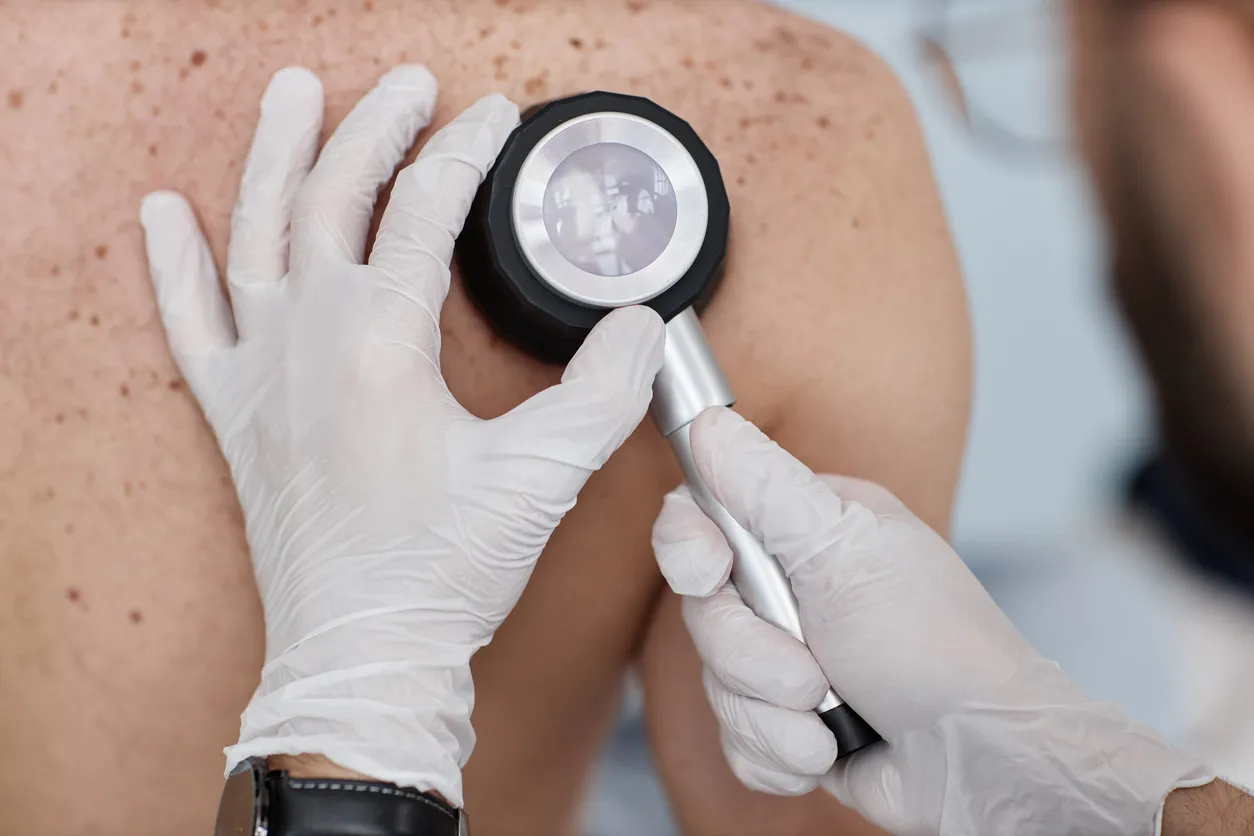
These malignant tumors typically develop from moles. The system helps identify potentially dangerous moles at an early stage using a standard laptop and an inexpensive USB microscope.
Pattern-Based Detection
The Oncodiagnostic system includes a USB microscope with up to 300x magnification, along with modules to measure blood pressure, pulse, and blood glucose levels. The microscope’s optical unit, equipped with a cylindrical attachment, focuses on and illuminates the area under examination.
Researchers identified several indicators associated with melanoma risk, including asymmetry, irregular borders, uneven color, a diameter greater than 6 mm, and changes in color, condition, size, or shape.
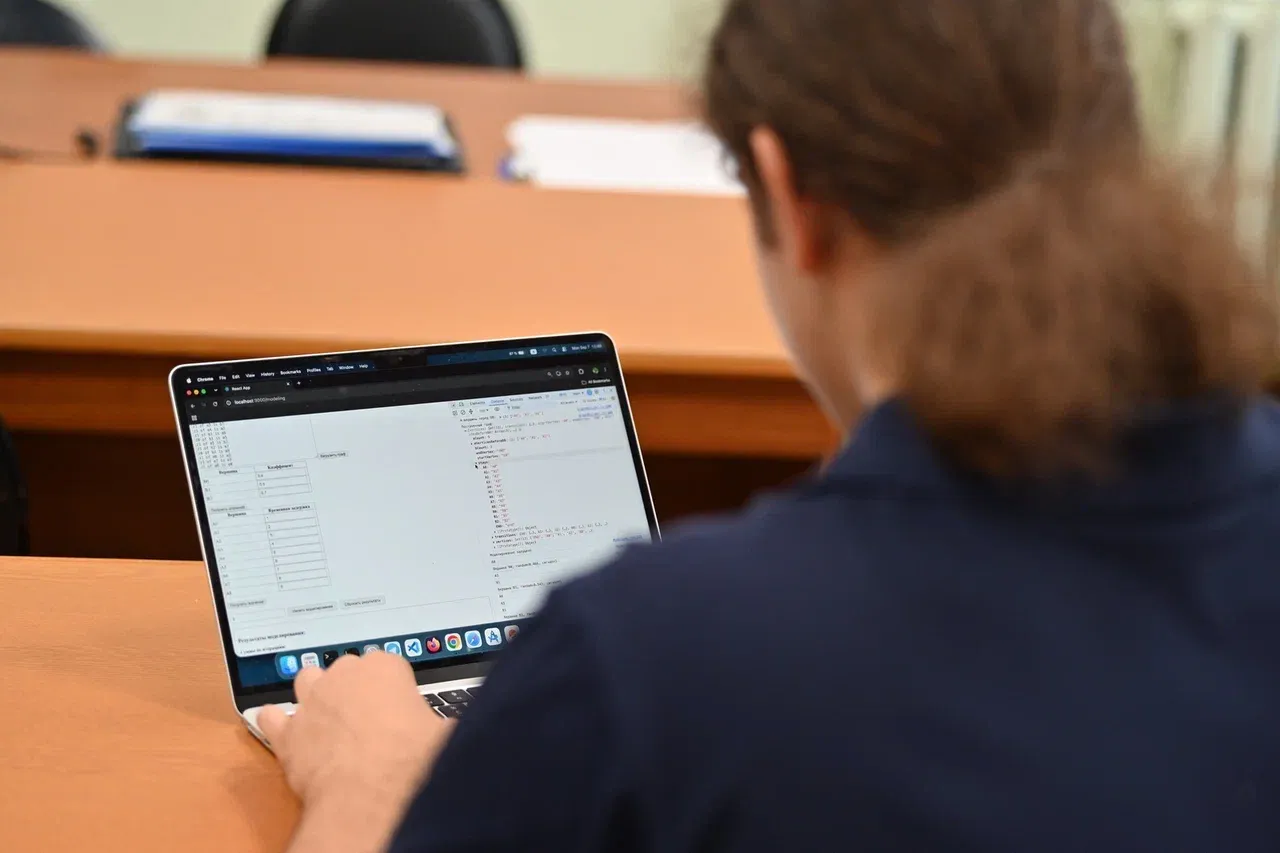
The system was tested during medical screenings on patients. Melanoma risk was assessed in a dedicated application using a formula based on 10 selected patterns, operating in standalone mode. Patients identified as high-risk were referred to oncology centers for further examination.
Statistical analysis of digitized microimages showed the system can identify high-risk moles with an accuracy of up to 93.75%. The technology could make melanoma screening more accessible while filtering out low-risk cases before patients are referred to oncologists, easing the burden on cancer care systems.