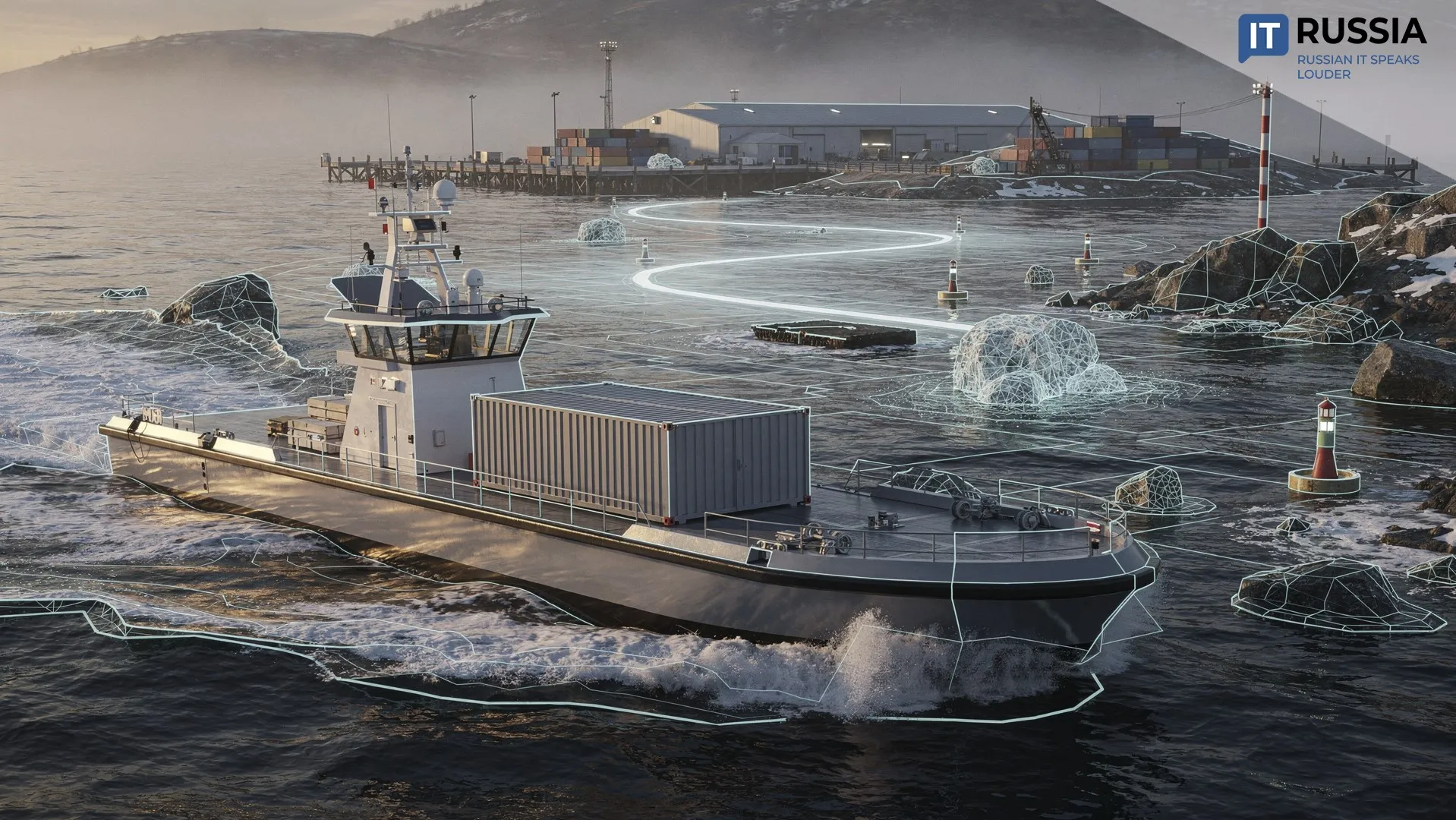
Smart Warehouse Planned for Anadyr
By 2029, Anadyr is expected to gain a digitally managed, multi-purpose logistics center designed to make Russia's seasonal northern deliveries to remote Arctic communities more reliable and improve the stability of essential goods distribution across Chukotka.
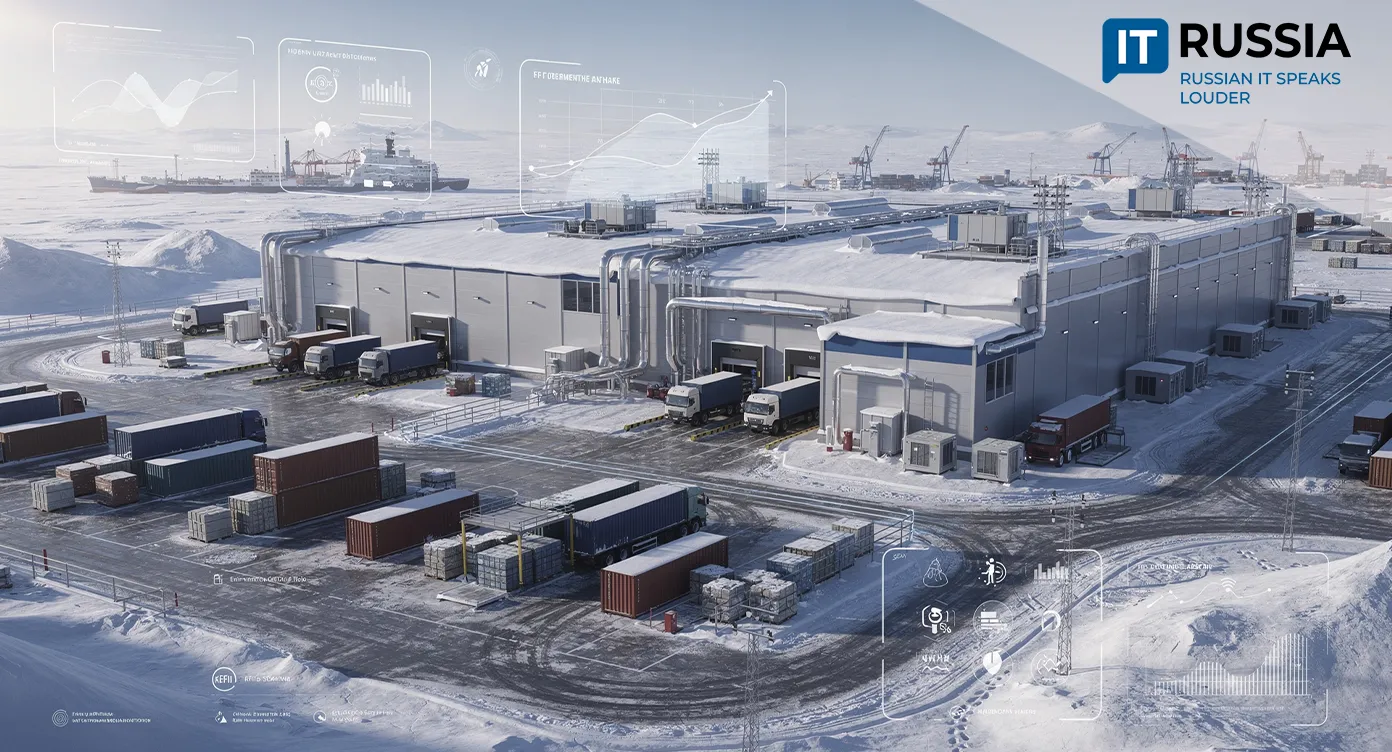
The company MIGUNI, a resident of Russia's Arctic Zone, plans to build a logistics center in Anadyr by 2029 for storing raw materials, industrial goods, construction materials, and food products. During the first phase, the main warehouse will cover 200 square meters. The complex will later expand to 1,200 square meters and include a 1,000-square-meter container yard. Total investment amounts to RUB 52.5 million (approximately USD 670,000).
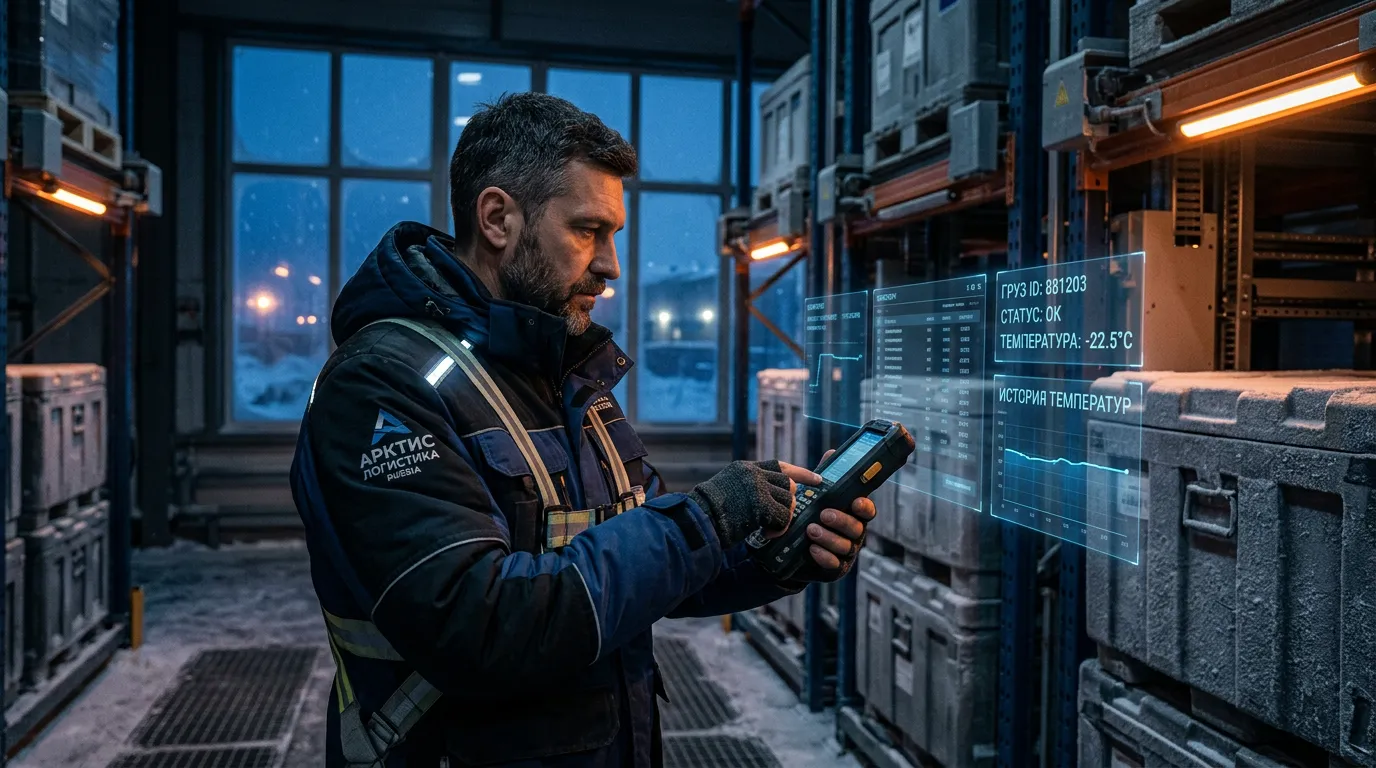
The project's defining feature is its digital warehouse management environment. The complex will incorporate automated cargo accounting systems, storage-condition monitoring, climate control, and ventilation. These systems will continuously monitor temperature, humidity, and other parameters critical for preserving food and industrial products in the Far North. For Chukotka, where deliveries depend on a short seasonal navigation window, greater visibility into inventory levels and storage conditions could reduce product losses, accelerate cargo handling, and lower the risk of shortages.

A Local Warehouse Becomes a Digital Hub
The project's primary long-term goal is integration into Russia's state digital ecosystem for northern deliveries. The country is developing the Severny zavoz (Northern Delivery) information system on the GosTekh platform, designed to consolidate data on planning, transportation, and deliveries of essential supplies. Connecting the warehouse to that platform would make it possible to track incoming shipments and inventory almost in real time, compare stock levels with delivery schedules, automatically alert operators to declining inventories or temperature deviations, forecast local demand, and generate electronic reports.
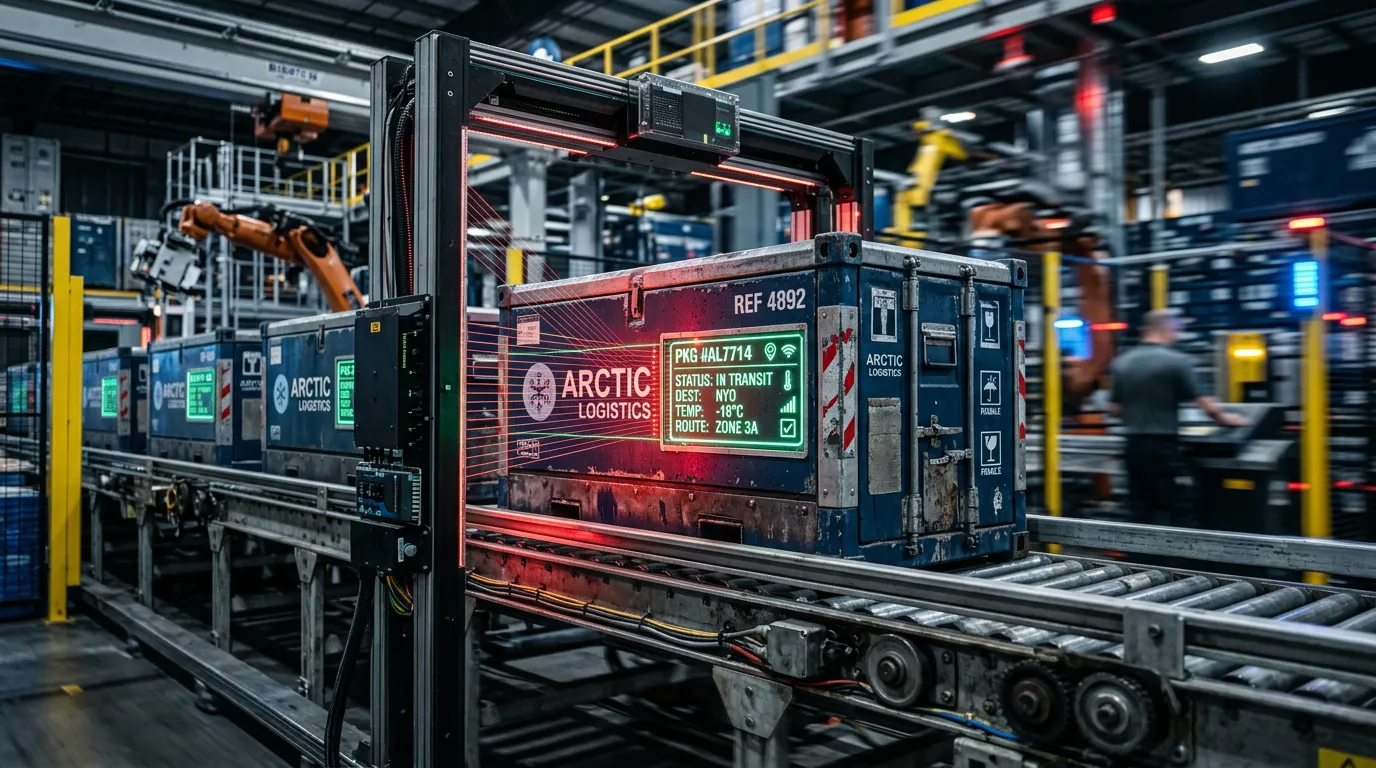
As the complex expands, deploying a domestic warehouse management system (WMS), mobile data collection terminals, barcode or RFID technologies, Internet of Things sensors, and inventory forecasting software will become economically justified. However, the high cost of equipment and maintenance in Chukotka, shortages of IT professionals, and communications limitations may slow deployment. As a result, the most realistic scenario is a phased rollout: starting with basic digital inventory management and storage-condition monitoring, followed by a full-featured WMS, advanced analytics, and integration with transportation systems.
The Digital Evolution of Northern Deliveries
In 2024, Vostokgosplan introduced an information and analytics platform – a digital twin of Russia's northern delivery system that helps plan routes and monitor shipments of essential supplies. That same year, development began on the FGIS Severny zavoz (Federal State Information System Northern Delivery) using the GosTekh platform. The system is designed to exchange data with information resources operated by roughly 20 federal ministries and agencies.
In 2025, Chukotka launched a pilot unified maritime operator model – a centralized multimodal transportation management project covering deliveries to regional ports and cargo unloading in remote settlements. During the same period, Russian companies began scaling domestic WMS platforms for multi-temperature warehouses. These systems manage receiving, storage, picking, packing, inventory, and product labeling. In 2026, Russia's warehouse automation market continued to expand as domestic WMS platforms evolved into comprehensive systems incorporating artificial intelligence, computer vision, and robotics.
When a Warehouse Becomes a Digital Node
The Anadyr logistics center is primarily an infrastructure project, but its digital component is especially important for Chukotka. Because of the region's remoteness, inventory errors or cargo spoilage are significantly more costly than in Russia's central regions.
The facility will most likely begin with core inventory management systems, video surveillance, climate control, and automated alerts. Once the complex expands to 1,200 square meters, moving to a full-scale domestic WMS, mobile terminals, digital product labeling, and integration with regional northern delivery systems will become economically justified.
Over time, the center could evolve into a local digital hub that consolidates information on incoming containers, warehouse inventories, temperature conditions, and product distribution among organizations across the region. The greatest benefit will come not from individual technologies but from greater transparency and control across the entire supply chain – from the arrival of cargo in Chukotka to its delivery to the final recipient.