Algorithms Help Cut CO2 Emissions
Yandex Routing platform helped reduce greenhouse gas emissions by nearly 30% in 2025, equivalent to around 100,000 tonnes of CO2.

Yandex Routing enabled both its clients and the company’s own services to reduce greenhouse gas emissions by optimizing delivery and transport routes. The platform’s algorithms factor in more than 300 parameters, including traffic conditions, warehouse schedules, vehicle characteristics, and other operational variables.
The significance of the development lies in its measurable environmental impact. It shows how Russian digital products can deliver tangible results within the sustainability agenda. AI and geoanalytics in logistics are no longer add-ons but are becoming core tools for managing both costs and emissions. For everyday users, this translates into more reliable and affordable deliveries, reduced vehicle mileage, and, as a result, lower environmental pressure.
From Domestic Deployment to Global Demand
Within Russia, the potential for such solutions is substantial. Logistics, retail, e-commerce, healthcare, and courier networks are all seeking ways to reduce costs and improve operational control. Yandex states that its routing platform can cut logistics expenses by up to 35%, making it particularly attractive in an environment where fuel, time, and delivery costs are under pressure.
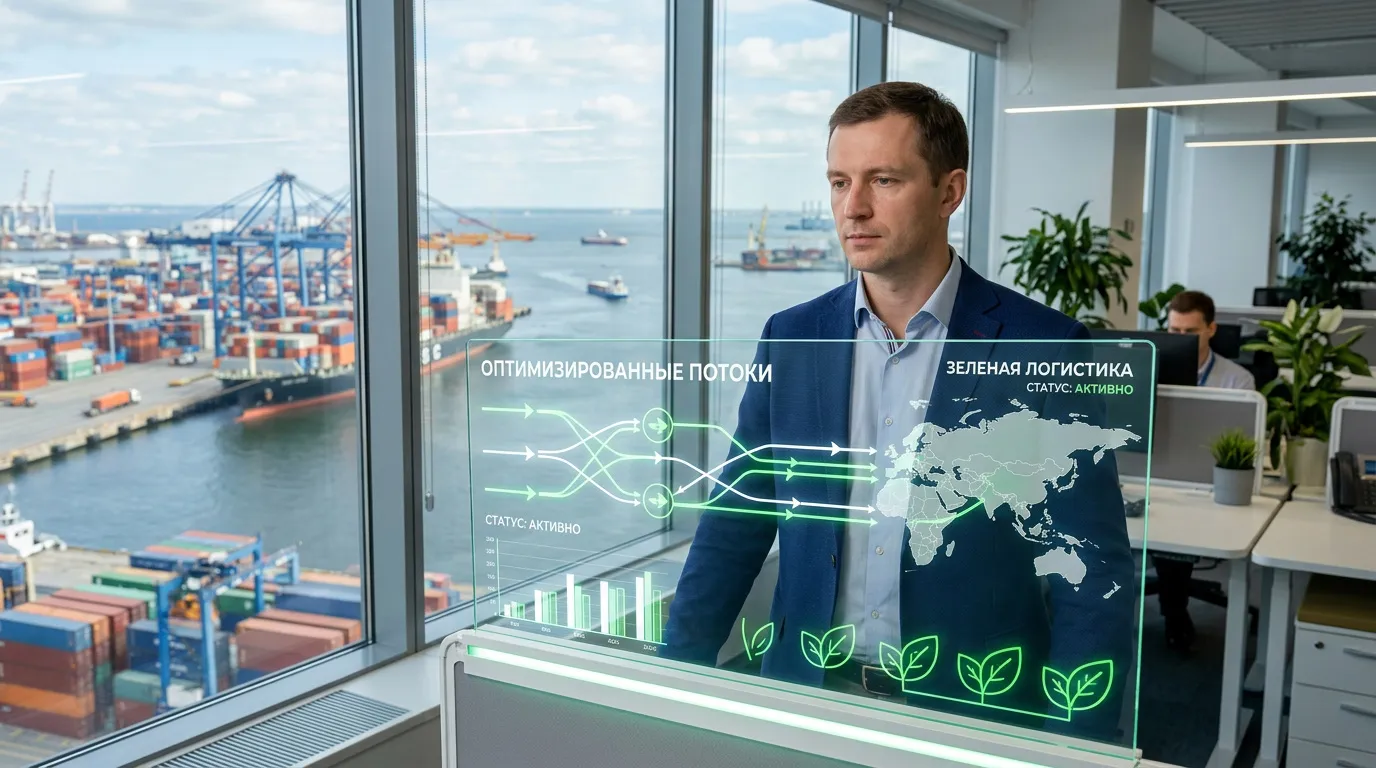
Climate regulation in Russia, including Federal Law No. 296-FZ, is further driving demand for such solutions. Verified reductions in CO2 equivalent emissions support corporate reporting and ESG management.
Export potential is more limited but still present. Demand for digital decarbonization tools in logistics is growing worldwide. The most realistic expansion scenario involves markets in the CIS, the Middle East, and Asia, where cost-effective B2B tools for urban delivery are in demand. Yandex’s corporate segment growth also reflects this trend: in 2025, Yandex B2B Tech grew by 48%, while Yandex Cloud expanded by 39%.
A Track Record of Digital Decarbonization
The trend toward algorithm-driven logistics optimization has been developing for several years. In 2024–2025, Magnit implemented software for automated route planning in direct delivery, targeting annual cost reductions of RUB 261 million (approximately $2.8 million). The company is also developing a digital platform for working with carriers and advancing projects involving alternative fuels, linking them to efficiency gains and emission reductions.
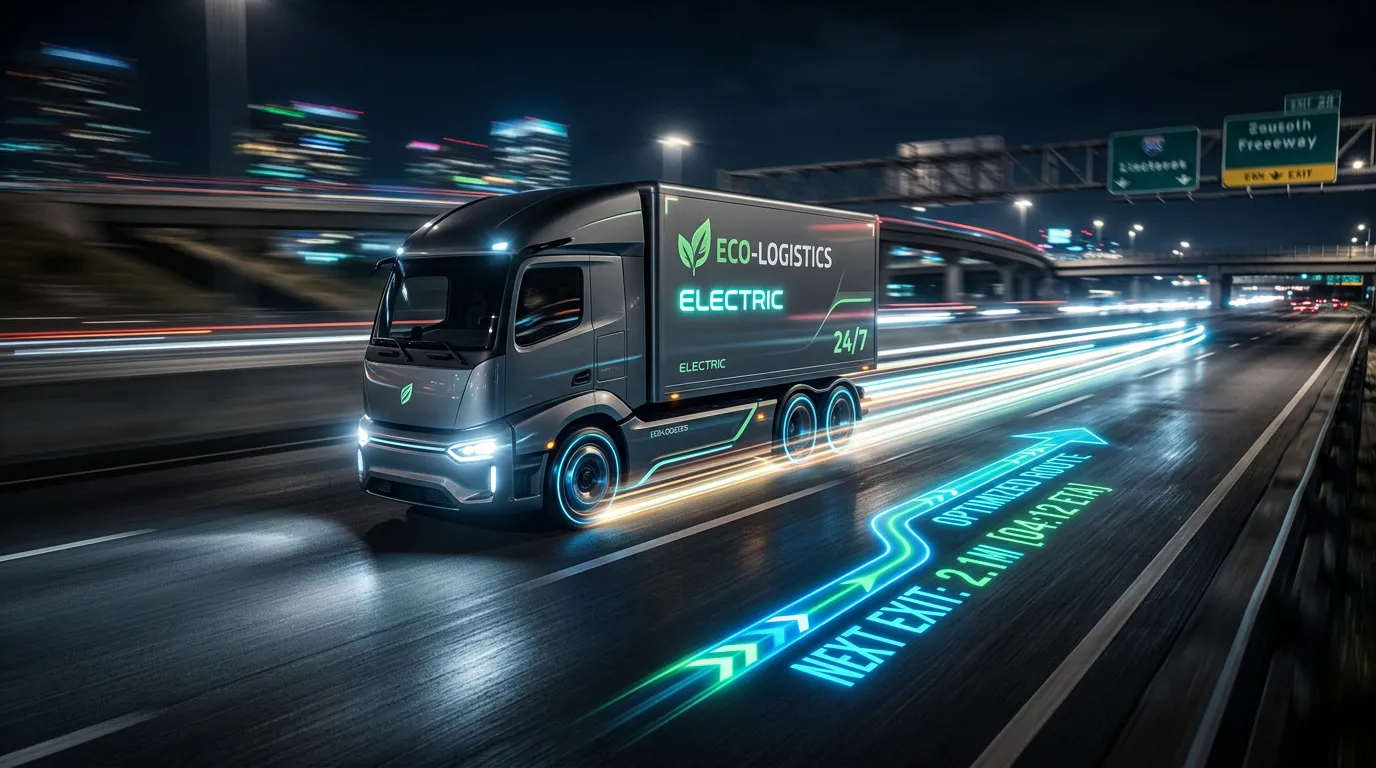
At the global level, similar steps are being taken by major players. DHL in 2023–2024 promoted route optimization as a tool for green logistics, reporting reductions in both costs and environmental impact. Maersk, between 2023 and 2025, has linked decarbonization to network planning software and data-sharing technologies. According to consulting firm McKinsey, the potential reduction in logistics emissions using currently available technologies could reach 40–50% by 2030.
It is also worth noting that Yandex is systematically developing AI-based solutions for environmental protection. In 2025, experts from Yandex’s Center for Technologies for Society, together with developers from the School of Data Analysis and supported by researchers from Far Eastern Federal University, created a neural network capable of identifying and classifying waste on coastlines using aerial imagery. This is one of several initiatives in this area.
AI, Logistics, and Ecology Converge
This development is not just another product milestone for Yandex, but a sign of the growing maturity of Russia’s B2B IT sector. The platform delivers measurable outcomes in metrics that matter to businesses: distance, fuel consumption, delivery cost, and CO2 equivalent emissions.
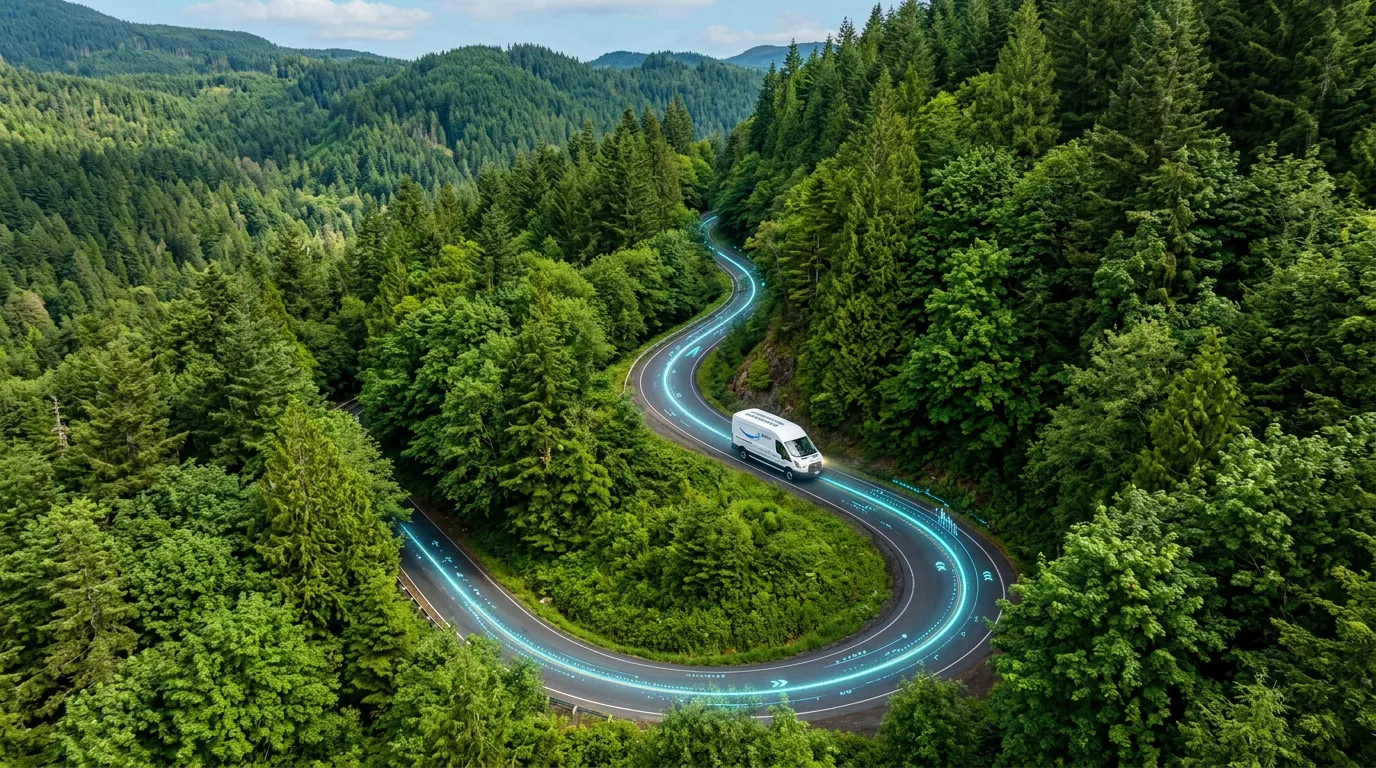
Over the next one to three years, such solutions are likely to be marketed not as standalone software but as part of broader digital transformation initiatives in supply chains. Key growth areas in Russia include large retail, e-commerce, FMCG, pharmaceuticals, distribution, and urban delivery. Demand will be driven by climate reporting requirements and competition for operational efficiency in logistics.